
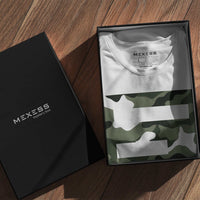

That basic cotton tee you love? It took 2,700 liters of water to produce if it’s conventional cotton, enough for one person to drink for 900 days. Organic cotton changes this equation dramatically, using 91% less water while eliminating synthetic pesticides entirely. For style-conscious shoppers seeking minimalist urban fashion that aligns with sustainability values, organic cotton streetwear offers the perfect intersection of premium quality, timeless design, and environmental responsibility. This guide reveals how to choose authentic organic cotton pieces, understand the brands leading this movement, and build a versatile wardrobe that reflects both your aesthetic and your ethics.
Table of Contents
- Key takeaways
- Why organic cotton is a game changer for sustainable streetwear
- How minimalist urban fashion blends with organic cotton streetwear
- The streetwear market today: trends among Gen Z and Millennials in Europe
- How to choose and care for premium organic cotton streetwear
- Explore premium organic cotton streetwear at MEXESS
- Frequently asked questions
Key Takeaways
| Point | Details |
|---|---|
| Water savings | Organic cotton uses 91% less water and eliminates synthetic pesticides compared with conventional cotton. |
| Durability advantage | Organic cotton fibers are stronger and last longer, reducing the need for frequent replacements. |
| Cost per wear | Calculate cost per wear rather than upfront price to gauge true value. |
| Minimalist appeal | Organic cotton streetwear aligns with minimalist aesthetics for timeless, versatile wardrobes. |
Why organic cotton is a game changer for sustainable streetwear
The environmental difference between conventional and organic cotton production is staggering. Conventional cotton farming relies heavily on synthetic pesticides and fertilizers that deplete soil quality and contaminate water supplies. The production process consumes massive amounts of water while leaving chemical residues in the final fabric. Organic cotton eliminates these issues entirely by using natural farming methods that preserve soil health and protect ecosystems.
Beyond environmental benefits, organic cotton delivers tangible quality advantages that matter for streetwear. The fabric feels noticeably softer against your skin because it lacks the chemical residues found in conventional cotton. This superior softness comes from natural fibers that haven’t been weakened by harsh processing chemicals. The result is clothing that maintains its texture and comfort through countless washes.
Durability is where organic cotton truly shines for minimalist wardrobes. Natural growing methods produce stronger fibers that resist breakdown over time. While conventional cotton weakens from chemical exposure during cultivation and processing, organic fibers maintain their structural integrity. This translates directly to garments that last longer, reducing the need for frequent replacements and supporting a more sustainable consumption pattern.
The higher cost of organic cotton reflects real production differences:
- Manual labor replaces chemical pest control
- Crop rotation maintains soil fertility naturally
- Third-party certification ensures authentic organic standards
- Smaller scale farming increases per-unit costs
- Premium quality justifies the investment through longevity
Pro Tip: Calculate cost per wear rather than upfront price. An organic cotton hoodie worn 200 times over three years costs less per use than a cheaper conventional option worn 50 times before replacement.
Choosing organic cotton supports systemic change in the fashion industry. Each purchase signals demand for ethical production methods, encouraging more brands to adopt sustainable practices. This collective consumer power drives innovation in eco-friendly fabrics and manufacturing processes. Your wardrobe choices become votes for the kind of fashion industry you want to see.
How minimalist urban fashion blends with organic cotton streetwear
Minimalist design philosophy and organic cotton fabric share a fundamental alignment: both prioritize quality over quantity, timelessness over trends. Minimalist streetwear emphasizes clean silhouettes, neutral color palettes, and versatile pieces that work across multiple contexts. These design principles naturally complement organic cotton’s understated elegance and natural texture. The fabric’s soft hand feel and subtle drape enhance the refined simplicity that defines minimalist aesthetics.
The color retention of organic cotton particularly suits minimalist wardrobes built around blacks, whites, grays, and earth tones. Natural fibers hold dye more evenly than chemically treated alternatives, resulting in richer, more consistent coloration. This quality matters when building a cohesive wardrobe where pieces need to coordinate seamlessly. A black organic cotton tee maintains its depth through repeated washing, while conventional alternatives often fade to inconsistent gray tones.

European brands have recognized this synergy, creating GOTS-certified collections that merge sustainability with contemporary style. EDOGOODS focuses on heavyweight organic cotton pieces with architectural cuts. Hooded Organic specializes in unisex basics designed for layering and versatility. Lucy & Yak brings playful color to organic cotton while maintaining minimalist silhouettes. These brands prove that ethical production and cutting-edge design aren’t mutually exclusive.
Fabric weight plays a crucial role in achieving premium streetwear aesthetics:
- Heavyweight terry (300+ GSM) creates substantial drape and structure
- Mid-weight jersey (180-220 GSM) offers versatility for year-round wear
- Brushed organic cotton adds textural interest without visual complexity
- Thick cotton blends provide warmth while maintaining breathability
The unisex appeal of minimalist organic cotton streetwear resonates strongly with Gen Z and Millennial consumers who reject rigid gender categories in fashion. Oversized fits, dropped shoulders, and relaxed silhouettes work across body types and gender expressions. This inclusive design approach aligns with the values of young European shoppers who prioritize authenticity and self-expression. Minimalist streetwear outfits built around organic cotton pieces offer endless mixing possibilities while maintaining a cohesive aesthetic.
The streetwear market today: trends among Gen Z and Millennials in Europe
The global streetwear market reached $187 billion in 2023, with Gen Z and Millennials accounting for 80% of total spending. This demographic dominance reflects how streetwear has evolved from subculture to mainstream fashion category. Young consumers view streetwear as a primary vehicle for self-expression, choosing pieces that communicate personal values and aesthetic preferences. The market continues expanding as these generations enter peak earning years while maintaining their style priorities.
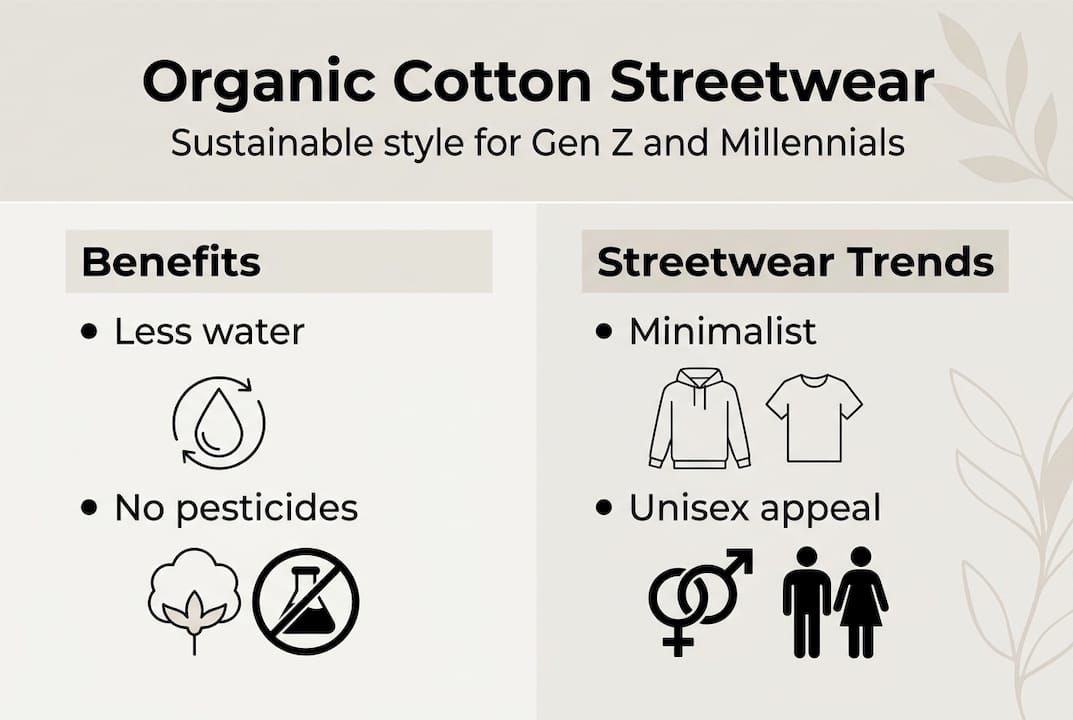
Sustainability factors heavily into purchasing decisions, but not in isolation. Research shows 42% of Gen Z consumers are willing to pay premium prices for ethical streetwear, yet sustainability alone doesn’t drive purchases. German Gen Z shoppers, for example, prioritize self-expression (53%) above all other factors when buying fashion. Sustainability matters most when combined with unique design, quality construction, and authentic brand storytelling.
Shopping frequency and habits reveal sophisticated consumer behavior:
- Gen Z in Germany shops fashion approximately twice monthly
- 62% check secondhand options before buying new items
- Mix of organic cotton pieces with vintage finds creates personalized style
- Research product origins and certifications before purchasing
- Engage with brand content to verify sustainability claims
The following table compares key characteristics of Gen Z and Millennial streetwear consumers in Europe:
| Factor | Gen Z | Millennials |
|---|---|---|
| Primary motivation | Self-expression and uniqueness | Quality and versatility |
| Shopping frequency | 2x per month | 1.5x per month |
| Sustainability priority | Integrated with style | Explicit consideration |
| Secondhand consideration | 62% check first | 48% check first |
| Premium willingness | 42% pay more for ethics | 38% pay more for ethics |
Pro Tip: Young European consumers respond to transparency. Brands that openly share production processes, material sourcing, and environmental impact data build stronger loyalty than those making vague sustainability claims.
“Streetwear has become the dominant fashion language for young consumers who want clothing that reflects their values without sacrificing style. Organic cotton meets this demand by offering both ethical production and premium quality.” — European Fashion Retail Analysis, 2026
This market sophistication means brands must deliver on multiple fronts simultaneously. Organic certification alone doesn’t guarantee success; the clothing must also offer compelling design, proper fit, and reasonable pricing. Sustainable streetwear fabrics become selling points when integrated into well-designed, versatile pieces that enhance rather than limit wardrobe options.
How to choose and care for premium organic cotton streetwear
Verifying authentic organic certification protects you from greenwashing and ensures your purchase supports genuine sustainable practices. Look for GOTS (Global Organic Textile Standard) certification, which covers the entire production chain from harvesting through manufacturing. This certification guarantees that at least 70% of fibers are organic and that strict environmental and social criteria are met throughout production. Other legitimate certifications include USDA Organic and EU Organic, though GOTS remains the gold standard for textiles.
Selecting pieces that align with minimalist urban aesthetics requires attention to several factors:
- Choose neutral base colors (black, white, gray, navy, olive) that coordinate easily
- Prioritize versatile silhouettes that work for multiple occasions
- Check fabric weight to ensure substantial feel without bulk
- Verify construction quality through reinforced seams and proper finishing
- Consider sizing up for the relaxed, oversized fit popular in contemporary streetwear
- Test fabric hand feel in person when possible to assess softness and drape
Fit matters enormously for achieving the desired aesthetic. Contemporary streetwear favors relaxed, slightly oversized proportions that create visual interest through volume rather than tight tailoring. However, oversized doesn’t mean shapeless. Look for pieces with intentional design details like dropped shoulders, extended sleeves, or strategic tapering that maintain structure while offering comfort. The superior durability of organic cotton means these pieces maintain their intended silhouette through extended wear.
Proper care extends the life of organic cotton garments significantly:
- Wash in cold water to preserve fiber integrity and reduce energy consumption
- Use gentle, eco-friendly detergents without harsh chemicals
- Air dry whenever possible to prevent heat damage and shrinkage
- Turn garments inside out before washing to protect exterior surface
- Avoid over-washing; spot clean minor marks between full washes
- Iron on medium heat if needed, though organic cotton wrinkles naturally soften with wear
Pro Tip: Organic cotton softens beautifully with each wash, unlike conventional cotton that often becomes rough or thin. What feels good initially becomes even better over time, rewarding your investment with increasing comfort.
Balancing cost with value requires shifting from price-per-item to cost-per-wear thinking. A $60 organic cotton hoodie worn 150 times over two years costs $0.40 per wear. A $30 conventional hoodie worn 40 times before replacement costs $0.75 per wear. Factor in the environmental impact avoided and the superior comfort experienced, and the value proposition becomes clear. Build your organic cotton wardrobe gradually, prioritizing foundational pieces that see frequent rotation in your minimalist streetwear outfits.
Explore premium organic cotton streetwear at MEXESS
Ready to build a wardrobe that reflects your commitment to both style and sustainability? MEXESS specializes in GOTS-certified organic cotton streetwear designed for the modern urban lifestyle. Every piece combines minimalist aesthetics with premium construction, creating versatile essentials that work across countless outfit combinations. From heavyweight hoodies to perfectly draped tees, the collection focuses on timeless design that transcends seasonal trends.
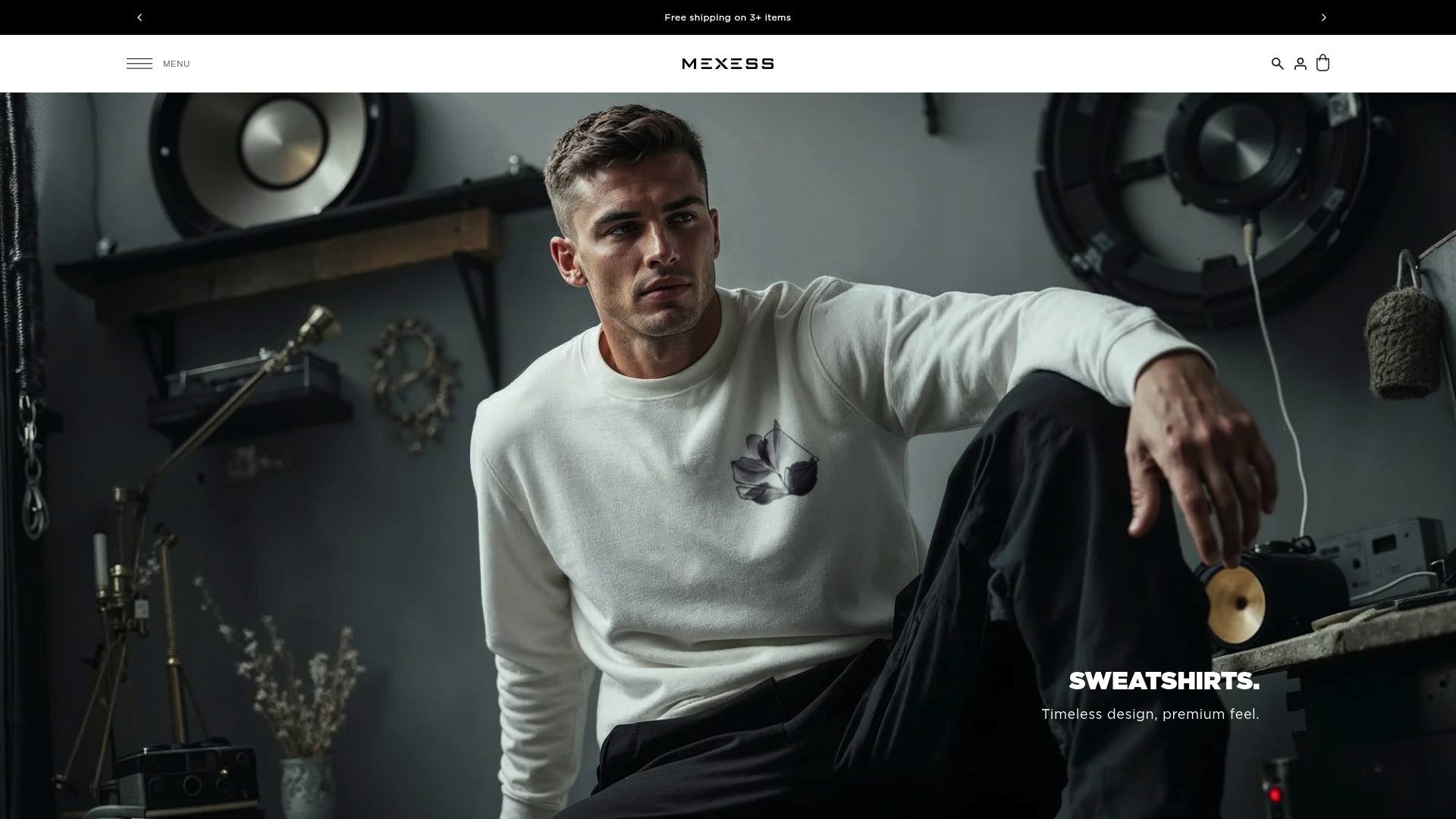
The MEXESS approach prioritizes transparency and quality at every step. Detailed product pages explain fabric sourcing, production methods, and care instructions, empowering you to make informed choices. Free shipping on qualifying orders and a 30-day return policy remove purchase friction, while first-order incentives make it easy to experience the difference organic cotton makes. Explore minimalist streetwear outfits and eco-friendly fabrics guides that help you maximize your wardrobe’s potential while supporting conscious consumption.
Frequently asked questions
What makes organic cotton better for the environment?
Organic cotton uses 91% less water than conventional cotton and eliminates synthetic pesticides entirely, dramatically reducing environmental harm. The natural farming methods preserve soil health and protect local ecosystems from chemical contamination. Though production costs are higher due to manual labor and certification requirements, the durability of organic cotton means fewer replacements over time, reducing overall waste.
How does minimalist design influence streetwear sustainability?
Minimalism encourages building wardrobes around fewer, higher-quality pieces rather than constantly chasing fast fashion trends. Timeless design means garments remain stylistically relevant for years, reducing the impulse to replace items for aesthetic rather than functional reasons. This philosophy aligns perfectly with organic cotton’s durability and natural aesthetic, creating clothing that improves with age rather than deteriorating.
Which European brands offer organic cotton streetwear?
EDOGOODS, Hooded Organic, and Lucy & Yak are notable European brands producing GOTS-certified organic cotton streetwear with minimalist, unisex designs. These brands specifically target Gen Z and Millennials seeking sustainable fashion that doesn’t compromise on contemporary style. Their collections emphasize versatile basics, neutral color palettes, and premium construction that justifies the investment through longevity and comfort.
How can I verify organic cotton claims are authentic?
Look for GOTS certification labels on garment tags or product descriptions, which you can verify through the GOTS database using the certification number. Legitimate organic cotton products will clearly state certification details rather than using vague terms like “eco-friendly” or “natural.” Brands committed to transparency typically provide detailed information about their supply chain, including where cotton is grown and how garments are manufactured.
Is organic cotton streetwear worth the higher price?
The higher upfront cost is offset by superior durability, better comfort, and longer garment lifespan compared to conventional cotton. When calculated on a cost-per-wear basis, organic cotton often proves more economical over time. Additionally, you’re investing in reduced environmental impact and supporting ethical production practices, adding value beyond the physical garment itself.
Leave a comment