
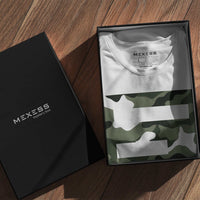

When AMA Studios launched its debut collection, the brand achieved €1.2 million in sales within 60 minutes purely through influencer marketing. This explosive success demonstrates how influencers have become indispensable architects of streetwear culture, shaping not just trends but driving meaningful shifts toward sustainable fashion. For European Gen Z and Millennials, influencers bridge the gap between aspirational style and eco-conscious choices, making streetwear both culturally relevant and environmentally responsible.
Table of Contents
- Influencers As The Driving Force Behind Modern Streetwear
- Championing Sustainability: Influencers Shaping Eco-Conscious Streetwear
- Maximizing Influence: Platforms, Authenticity, And Hyper-Local Strategies
- Navigating Challenges: Greenwashing And Authenticity In Influencer Campaigns
- Explore Sustainable And Minimalist Streetwear With MEXESS
Key takeaways
| Point | Details |
|---|---|
| Sales impact | Influencers generate massive sales spikes and engagement for streetwear brands through authentic content. |
| Sustainability promotion | They effectively champion eco-friendly brands and minimalist styling aligned with environmental values. |
| Platform strategy | TikTok and Instagram Reels deliver double engagement compared to static posts for streetwear content. |
| Local connections | Hyper-local events and celebrity collaborations build community bonds and extend brand credibility. |
| Greenwashing awareness | Consumers must recognize misleading sustainability claims amplified through social media algorithms. |
Influencers as the driving force behind modern streetwear
The €1.2 million in sales within 60 minutes that AMA Studios generated showcases how influencer marketing has revolutionized streetwear branding. These digital tastemakers have transformed from casual content creators into powerful brand architects who bridge fashion, entertainment, and cultural identity.
Influencers operate as cultural translators for streetwear brands. They take minimalist designs and urban aesthetics, then contextualize them within lifestyle narratives that resonate deeply with European youth. By showcasing products in exotic locations, hosting global campaigns, and integrating streetwear into daily routines, they create aspirational yet accessible imagery that drives purchasing decisions.
The European market responds particularly strongly to influencer-driven streetwear content. Gen Z and Millennials view these creators as trusted sources for style guidance, often valuing their recommendations over traditional advertising. This trust translates directly into engagement metrics and sales conversions, making influencer partnerships essential for streetwear brands seeking market penetration.
“Influencers have become the ultimate streetwear curators, filtering endless options into digestible, culturally relevant choices that align with youth identity and values.”
Key strategies successful influencers employ include:
- Creating authentic lifestyle integration rather than staged product placements
- Building narratives around minimalist wardrobes and versatile styling
- Showcasing how minimalist streetwear outfits transition across different urban settings
- Collaborating with brands on exclusive drops that generate urgency
- Documenting behind-the-scenes content that humanizes streetwear culture
This influencer-driven approach has fundamentally changed how streetwear brands launch products. Rather than relying on traditional retail channels or fashion week debuts, brands now orchestrate coordinated influencer campaigns that create instant visibility and cultural momentum. The result is a democratized fashion landscape where authenticity and community connection matter more than heritage or prestige.
Championing sustainability: influencers shaping eco-conscious streetwear
Influencers play a crucial role in advancing sustainable fashion within streetwear communities. Sustainable fashion messaging significantly influences consumer behavior, leading to increased demand for eco-friendly options among European youth. As sustainable streetwear gains traction, influencers serve as educators who translate complex environmental concepts into actionable style choices.
The connection between influencer content and sustainability adoption is straightforward. When trusted creators showcase organic cotton basics, explain fabric production processes, or demonstrate capsule wardrobe building, followers internalize these practices as aspirational lifestyle choices. This educational approach proves far more effective than corporate sustainability reports or green marketing campaigns.
Minimalist styling, frequently promoted by influencers, naturally aligns with sustainable fashion principles. By emphasizing quality over quantity and showcasing versatile pieces that work across multiple outfits, influencers help followers understand that fewer, better-made items create more compelling wardrobes than fast fashion accumulation.

However, the sustainability narrative faces significant challenges. Greenwashing has become pervasive as brands exploit environmental concerns for marketing advantage. Social media algorithms can amplify misleading claims, making it difficult for consumers to distinguish authentic eco-friendly brands from those merely adopting green aesthetics.
Influencers who prioritize authenticity help combat greenwashing by:
- Conducting transparent brand vetting before partnerships
- Explaining specific sustainability certifications and what they mean
- Showcasing long-term product durability through extended wear documentation
- Highlighting brands with verifiable supply chain transparency
- Educating followers on recognizing genuine versus performative sustainability
Pro Tip: Look for influencers who discuss specific sustainability metrics like water usage, carbon footprint, or fair labor practices rather than just using generic eco-friendly language. This specificity indicates genuine commitment to sustainable wardrobe building.
The shift toward sustainable streetwear represents more than environmental consciousness. It reflects broader generational values around authenticity, transparency, and corporate responsibility. European Gen Z and Millennials increasingly refuse to separate style from ethics, viewing fashion choices as extensions of personal values and social statements.
Maximizing influence: platforms, authenticity, and hyper-local strategies
Platform selection dramatically impacts influencer campaign effectiveness. TikTok and Instagram Reels deliver engagement rates approximately double those of static posts, making short-form video the dominant format for streetwear marketing. The algorithm-driven discovery mechanisms on these platforms allow niche streetwear content to reach targeted audiences without massive follower counts.
Authenticity and cultural relevance determine campaign success more than production quality or follower numbers. Audiences quickly recognize staged content or forced brand integrations, responding with disengagement or skepticism. Conversely, influencers who genuinely integrate products into their lifestyle narratives create organic endorsements that drive meaningful conversions.
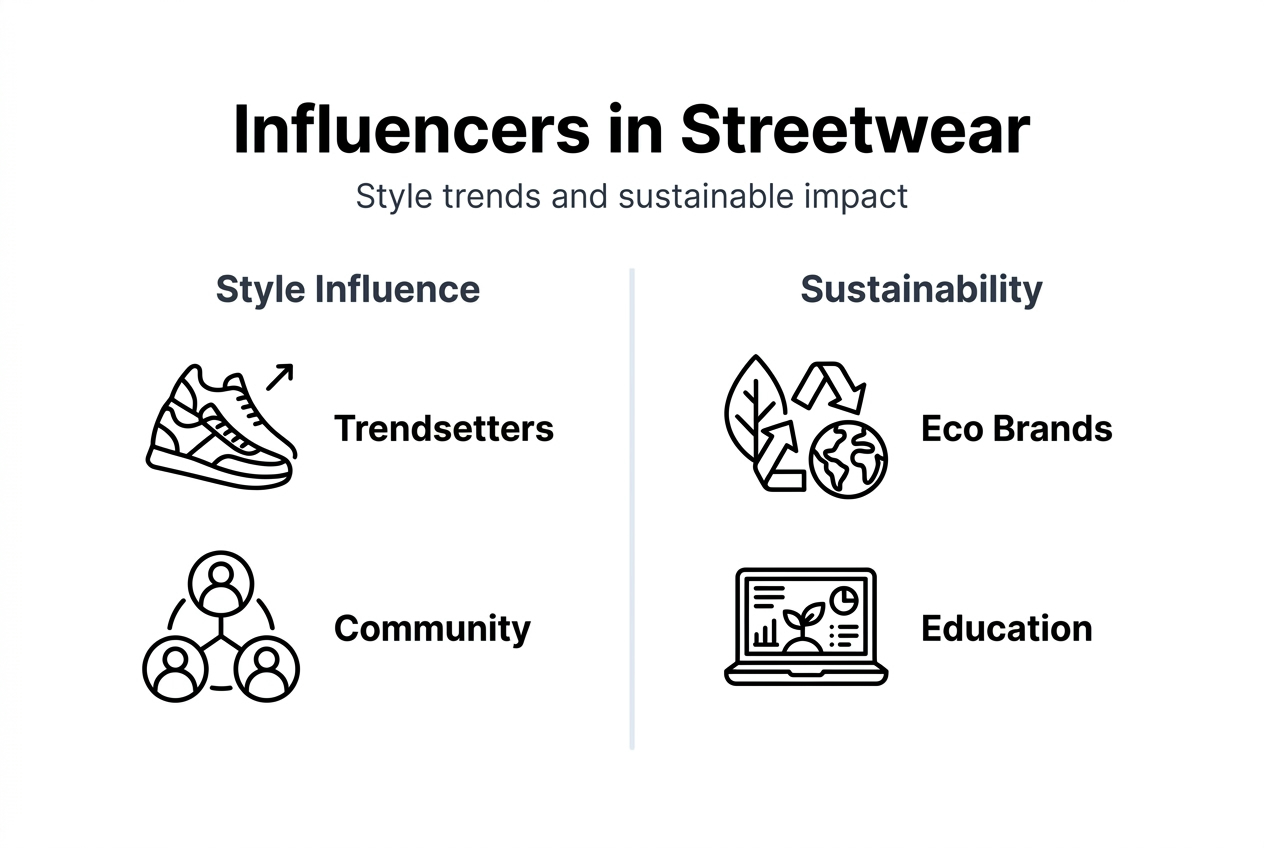
Zalando’s Cultural Ties project demonstrates how hyper-local events build community connections. By hosting exclusive streetwear drops and neighborhood events across European cities, the retailer created authentic touchpoints that transcended digital marketing. These localized strategies acknowledge that streetwear culture varies significantly between London, Berlin, Paris, and Amsterdam, requiring tailored approaches rather than generic continental campaigns.
| Platform | Best Content Type | Engagement Strength | Ideal Audience |
|---|---|---|---|
| TikTok | Short vertical videos | Viral discovery potential | Gen Z, trend-focused |
| Instagram Reels | 15-60 second clips | High engagement rates | Millennials and Gen Z |
| Instagram Feed | Curated aesthetic posts | Brand storytelling | Style-conscious followers |
| YouTube | Long-form content | Deep product education | Engaged community |
Celebrity and micro-influencer collaborations serve different but complementary purposes. Celebrity partnerships generate massive visibility and cultural legitimacy, while micro-influencers with 10,000 to 100,000 followers often deliver higher engagement rates and more authentic community connections. Smart brands layer both approaches, using celebrities for awareness and micro-influencers for conversion.
Content tailoring by platform maximizes message resonance. TikTok favors raw, unpolished moments that feel spontaneous. Instagram Reels work best with slightly more curated content that maintains aesthetic consistency. YouTube allows deeper storytelling around minimalist streetwear styling and sustainable fashion philosophy.
Pro Tip: Focus on influencers whose existing content naturally aligns with your brand aesthetic rather than those willing to promote any product. Authentic fit matters more than reach when building long-term brand equity.
The most successful influencer strategies recognize that European streetwear communities value subcultural authenticity over mainstream appeal. Content that acknowledges local music scenes, neighborhood identity, and urban subcultures resonates far more powerfully than generic lifestyle imagery.
Navigating challenges: greenwashing and authenticity in influencer campaigns
Greenwashing poses significant threats to sustainable streetwear credibility. Misleading environmental claims are difficult to avoid on social media, where algorithmic amplification can spread unverified sustainability narratives faster than fact-checking can debunk them. Brands exploit consumer desire for eco-friendly options by adopting green aesthetics without implementing meaningful environmental practices.
Social media algorithms prioritize engagement over accuracy, inadvertently amplifying misleading sustainability claims. A visually appealing post featuring recycled packaging or natural imagery can generate massive reach regardless of the brand’s actual environmental impact. This creates an information environment where perception often matters more than reality.
Authenticity and cultural relevance prove crucial for successful influencer marketing campaigns. Audiences possess sophisticated detection mechanisms for inauthentic partnerships, quickly identifying when influencers promote products misaligned with their established values or aesthetic. The backlash from perceived inauthenticity can damage both influencer and brand credibility permanently.
Authentic campaigns focus on genuine aspirational moments rather than scripted endorsements. When influencers share real experiences with sustainable streetwear, discussing both benefits and limitations, followers perceive transparency and trustworthiness. This honest approach builds long-term community loyalty that transcends individual product promotions.
Key indicators of authentic versus inauthentic influencer partnerships:
- Authentic: Long-term brand relationships with consistent messaging over months
- Inauthentic: Sudden product mentions from influencers with no prior interest in the category
- Authentic: Detailed discussions of specific product features and honest limitations
- Inauthentic: Generic praise without substantive product knowledge
- Authentic: Integration into existing content themes and lifestyle narratives
- Inauthentic: Obvious advertisement formatting distinct from regular content
Celebrity partnerships can succeed without compromising integrity when both parties genuinely align on values and aesthetic vision. The key lies in allowing celebrities creative control rather than forcing them into predetermined marketing frameworks. When celebrities authentically embrace sustainable streetwear, their influence extends beyond immediate sales to shift cultural perceptions.
“The most powerful influencer campaigns don’t feel like advertising. They feel like cultural moments that happen to involve products.”
Consumer awareness represents the ultimate defense against greenwashing. Educated audiences who understand sustainability metrics, recognize certification standards, and question vague environmental claims create market pressure for authentic practices. Influencers who prioritize follower education over quick partnerships build communities that demand genuine sustainability rather than performative gestures.
Explore sustainable and minimalist streetwear with MEXESS
Ready to embrace the influencer-driven shift toward sustainable urban style? MEXESS offers curated collections of premium organic cotton streetwear that embody the minimalist aesthetic and eco-conscious values discussed throughout this article. Our platform combines timeless design with environmental responsibility, delivering versatile pieces perfect for contemporary city lifestyles.
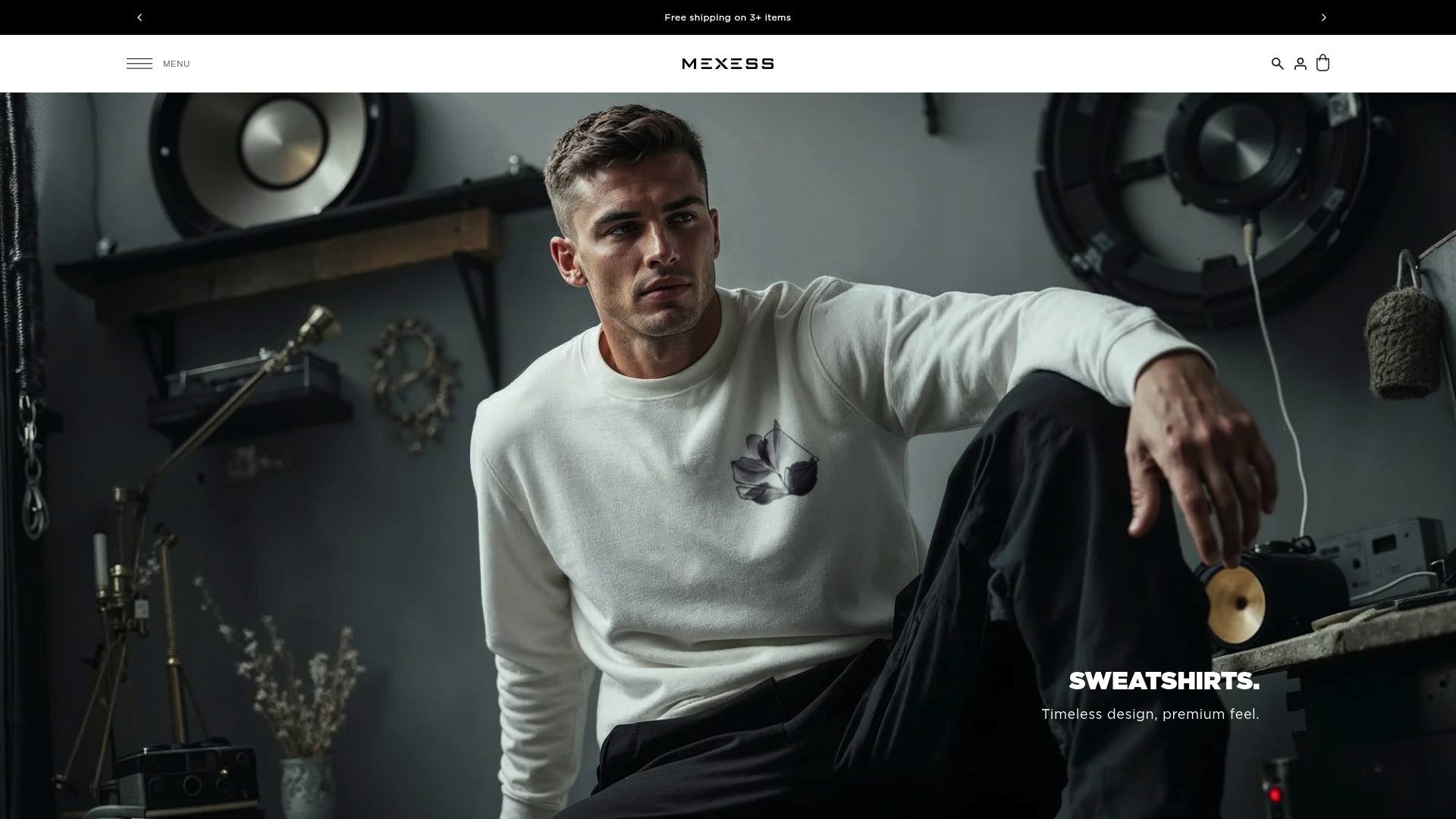
Explore our blog for in-depth guides on building sustainable capsule wardrobes, mastering minimalist styling techniques, and understanding fabric quality. Join a community that values authenticity, cultural relevance, and environmental consciousness. Whether you’re seeking everyday essentials or statement pieces that align with your values, MEXESS provides the sustainable streetwear foundation your wardrobe needs.
FAQ
What platforms do streetwear influencers use most effectively?
TikTok and Instagram Reels deliver approximately twice the engagement rates of static posts for streetwear content. Short vertical video formats resonate powerfully with Gen Z and Millennials, allowing authentic lifestyle integration and algorithm-driven discovery.
How do influencers promote sustainability in streetwear?
Influencers spotlight eco-conscious brands through authentic product integration, educate followers on sustainable materials like organic cotton, and demonstrate minimalist styling approaches. Their trusted recommendations significantly drive consumer demand for genuinely sustainable products rather than greenwashed alternatives.
What is greenwashing and why should consumers watch for it?
Greenwashing involves misleading marketing that exaggerates or fabricates environmental benefits to exploit consumer eco-consciousness. Social media algorithms can amplify these deceptive claims faster than fact-checking can address them. Consumers should scrutinize specific sustainability metrics and certifications rather than accepting vague green messaging.
How do local events and exclusive drops influence streetwear communities?
Hyper-local events create authentic cultural connections by acknowledging neighborhood identity and subcultural nuances within European cities. Exclusive product drops generate urgency and community excitement, transforming transactions into cultural moments that strengthen brand loyalty and streetwear community bonds.
Leave a comment