
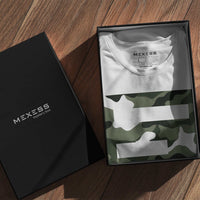

That slight itch at the neck, the warm-but-stuffy feel after an hour outside, the hoodie that looks clean but never feels quite right on your skin - fabric quality shows up fast. If you’ve been asking, are organic hoodies better for skin, the short answer is often yes, but not for every person and not for every hoodie labeled organic.
The real difference comes down to what touches your body day after day: fiber quality, chemical processing, dye use, fabric weight, and how the garment is finished. Organic cotton hoodies can feel softer, cleaner, and less irritating, especially if your skin is sensitive. But “organic” on its own is not a magic fix. Build quality still matters.
Are Organic Hoodies Better for Skin or Just Better Marketing?
Sometimes the claim gets oversimplified. Organic hoodies are not automatically hypoallergenic, medical-grade, or irritation-proof. What they usually offer is a cleaner starting point.
Organic cotton is grown without many of the synthetic pesticides and harsh agricultural chemicals used in conventional cotton farming. That matters less because the chemicals are sitting on the finished hoodie in a direct way, and more because brands that choose organic cotton often pay closer attention to the full fabric process. That can mean better dye standards, fewer harsh finishing treatments, and stronger material transparency.
For skin comfort, that bigger picture matters. A well-made organic hoodie with low-impact dyes and minimal chemical finishing is often a better option than a conventional hoodie made with lower-grade cotton, heavy treatments, and synthetic-heavy blends. The fabric tends to feel more breathable, less coated, and easier to wear for long hours.
What Actually Affects Skin Comfort in a Hoodie
Skin does not react to a buzzword. It reacts to friction, heat, moisture, residue, and pressure. That is why two hoodies made from cotton can feel completely different.
Fiber softness and surface feel
Organic cotton is often associated with a softer hand feel, especially in premium streetwear essentials. Part of that is the cotton itself. Part of it is how brands process it. Better fibers create a smoother fabric surface, which means less rubbing against the skin at the neck, wrists, chest, and underarms.
If you deal with sensitivity, roughness matters. A hoodie does not need to be scratchy to be irritating. Even minor friction adds up during a full day of wear.
Breathability and heat buildup
Skin irritation is often made worse by trapped heat and sweat. Cotton generally breathes better than polyester-heavy fleece, and organic cotton hoodies often lean into that natural comfort instead of chasing an overly slick or synthetic feel.
This is especially relevant in city wear, commuting, travel, and everyday layering. A heavyweight hoodie can still be breathable if the fabric has integrity and the inner surface is comfortable. When breathability drops, skin tends to feel more reactive.
Dyes and finishing treatments
This is one of the most overlooked factors. Some skin reactions are not really about cotton versus organic cotton. They are about the chemicals used to finish the garment.
Wrinkle resistance, stain resistance, aggressive softeners, and certain dyes can all affect how a hoodie feels on skin. A cleaner production standard can reduce that risk. Not every organic hoodie follows the same process, but many premium brands using certified organic materials also avoid unnecessary treatments that can make garments feel coated or overly processed.
Moisture management
Cotton absorbs moisture better than many synthetics, which can be a good thing for comfort. But the full result depends on fabric construction. A dense, premium organic cotton hoodie can feel dry and stable through daily wear, while a cheaper fabric may hold sweat in a way that turns clammy fast.
For sensitive skin, moisture sitting against the body can trigger irritation. Fabric that breathes and recovers well usually wins.
Why Organic Cotton Often Feels Better
There is a reason people notice the difference when they switch from low-cost basics to premium organic essentials. The comfort is not just psychological.
Organic cotton hoodies often feel better because the material is cleaner in both texture and finish. The fabric can be softer without feeling flimsy. It can be substantial without feeling abrasive. In good streetwear, that balance matters. You want a hoodie with structure, weight, and shape retention, but you also want it to feel easy on the skin from the first wear.
That is where premium construction comes in. Organic cotton reaches its best form when it is paired with quality knitting, durable stitching, and thoughtful finishing. If a hoodie has a refined interior, stable cuffs, and a smooth surface, your skin notices.
When Organic Hoodies May Be Better for Sensitive Skin
If your skin reacts easily, organic hoodies are often worth considering. That includes people prone to dryness, itchiness, mild fabric sensitivity, or discomfort from rough seams and synthetic blends.
The biggest benefit is usually reduced exposure to unnecessary irritants combined with better breathability. For some people, that means fewer flare-ups around the neckline or underarms. For others, it simply means a hoodie that feels comfortable all day instead of something they want to take off by noon.
That said, sensitivity is personal. Some people react more to detergent than to fabric. Others are fine with conventional cotton but struggle with wool or polyester. If your skin is highly reactive, it makes sense to check not just the fiber content but also the dye process, lining, trims, and wash instructions.
The Trade-Offs: Organic Is Not Always the Best Choice
There are a few cases where the answer gets more nuanced.
First, some organic hoodies are marketed well but made poorly. If the cotton is thin, the brushing is rough, or the stitching creates friction points, the skin benefit drops fast. Organic material does not cancel out weak construction.
Second, some blended hoodies can outperform pure cotton in specific use cases. If you want activewear-level sweat management or stretch recovery, a carefully designed cotton blend may feel better for you than a 100 percent organic cotton hoodie. For gym sessions, long travel days, or humid climates, that difference can matter.
Third, dyes still matter. A dark organic hoodie with aggressive dye processing may not feel as skin-friendly as a lighter, cleaner-finished option. The label tells part of the story, not all of it.
How to Tell if an Organic Hoodie Is Likely to Feel Better on Skin
Start with the fabric composition. If the hoodie is mostly or fully organic cotton, that is a strong base. Then look at how the brand talks about the garment. Serious brands mention fabric weight, certifications, dye standards, and construction details. Vague language usually means less transparency.
Feel matters too. A premium hoodie should have weight without stiffness and softness without that artificial slippery finish some low-grade garments use to fake comfort. If the inside feels overly coated or the surface feels harsh, your skin may pick that up quickly.
Fit also affects comfort more than people think. A hoodie that sits too tight at the neck, traps heat under the arms, or bunches at friction points can irritate skin even if the fabric itself is good. Clean silhouette, breathable structure, and everyday ease all work together.
If you are building a wardrobe around elevated essentials, this is where quality pays off. A well-made organic hoodie is not just about sustainability claims. It is about how the piece performs across repeated wear. Timeless design, premium feel, less friction.
Are Organic Hoodies Better for Skin in Everyday Streetwear?
For most people, yes - especially when the hoodie is made from high-quality organic cotton and finished with restraint. In everyday streetwear, where hoodies are worn for hours, layered often, and washed repeatedly, skin comfort becomes part of the value.
That matters even more if your style leans minimalist. When you wear fewer, better essentials, each piece has to do more. It needs to hold shape, feel good, and stay easy to wear across seasons. A premium organic hoodie fits that model well because it combines softness, breathability, and long-term fabric integrity.
Brands focused on conscious streetwear usually understand this balance. At MEXESS, that idea shows up in the way organic cotton is treated not as a trend detail but as part of the product standard - comfort, structure, and everyday wearability working together.
The Smarter Way to Buy
If your main concern is skin comfort, shop with a simple filter: choose organic cotton first, then judge the hoodie like a premium product. Check the fabric details. Think about weight, finish, and fit. Pay attention to whether the brand values long-lasting construction or just surface-level eco messaging.
The best hoodie for your skin is usually the one that feels breathable, smooth, and stable after repeated wear and washing. Not the loudest drop. Not the cheapest option. The piece you reach for without thinking because it always feels right.
That is the real benchmark. When a hoodie supports your style and disappears into your day without irritation, it has already done its job.
Leave a comment