

Sorting through your closet can reveal how much your style and values have shifted in recent years. Building a sustainable streetwear wardrobe matters because clothing production and disposal have a big impact on the environment, making thoughtful choices essential for anyone serious about reducing waste. This guide gives you practical steps to identify what you really wear and invest in pieces that match your lifestyle and commitment to eco-friendly fashion.
Table of Contents
- Step 1: Assess Your Current Wardrobe Essentials
- Step 2: Select Sustainable Streetwear Pieces
- Step 3: Combine Layers For Unique Style
- Step 4: Accessorize To Elevate Your Look
- Step 5: Verify Comfort And Streetwear Appeal
Quick Summary
| Key Insight | Explanation |
|---|---|
| 1. Evaluate Your Wardrobe | Assess your clothes to understand your styles and identify gaps for mindful shopping. |
| 2. Choose Sustainable Materials | Opt for eco-friendly fabrics to reduce your environmental impact and promote ethical fashion. |
| 3. Master Layering Techniques | Layer pieces to create diverse outfits while maximizing wear from fewer clothing items. |
| 4. Accessorize Thoughtfully | Select accessories that enhance your look without overcrowding your style or closet. |
| 5. Ensure Comfort with Style | Prioritize comfort and fit to ensure outfits reflect your style and maintain wearability. |
Step 1: Assess Your Current Wardrobe Essentials
Before you buy anything new, take a hard look at what you already own. This step is where everything starts because you can’t build a sustainable wardrobe if you don’t know what’s already hanging in your closet. Spend an afternoon pulling out clothes and actually examining them. What do you reach for every week? What sits untouched for months? The difference between these two groups tells you everything you need to know about your real style and lifestyle needs.
Start by sorting your clothes into three piles: keep, donate, and recycle. The keep pile should contain pieces you wear regularly and actually enjoy wearing. These are your foundation pieces, the items that make up the majority of your outfits. The donate pile includes clothes in good condition that you don’t wear but someone else might love. The recycle pile? That’s for damaged pieces, worn out fabrics, or items too far gone for donation. This sorting process isn’t just cleaning out your closet; it’s recognizing the environmental impact of clothing production and the waste that happens when garments end up in landfills. By understanding what you have and what actually works in your life, you prevent impulsive purchases down the road and move toward more mindful consumption habits.
Pay attention to the versatile pieces during this assessment. Look for neutral colors that work together, fabrics that feel good and last, and styles that genuinely match how you actually dress. Don’t keep something just because it was expensive or because you think you should wear it. Keep what you love and what serves your real life. This honest evaluation becomes your roadmap for filling any actual gaps in your wardrobe with sustainable alternatives.
Pro tip: Take photos of your keep pile items and create a simple digital inventory on your phone so you can reference what you own when shopping, making it easier to avoid duplicate pieces and build intentional outfits.
Step 2: Select Sustainable Streetwear Pieces
Now that you know what you already own, it’s time to thoughtfully fill the gaps with pieces that actually matter. Selecting sustainable streetwear means making intentional choices about materials, production practices, and versatility. This step separates casual shoppers from people who genuinely care about building a wardrobe that reflects their values and lifestyle.
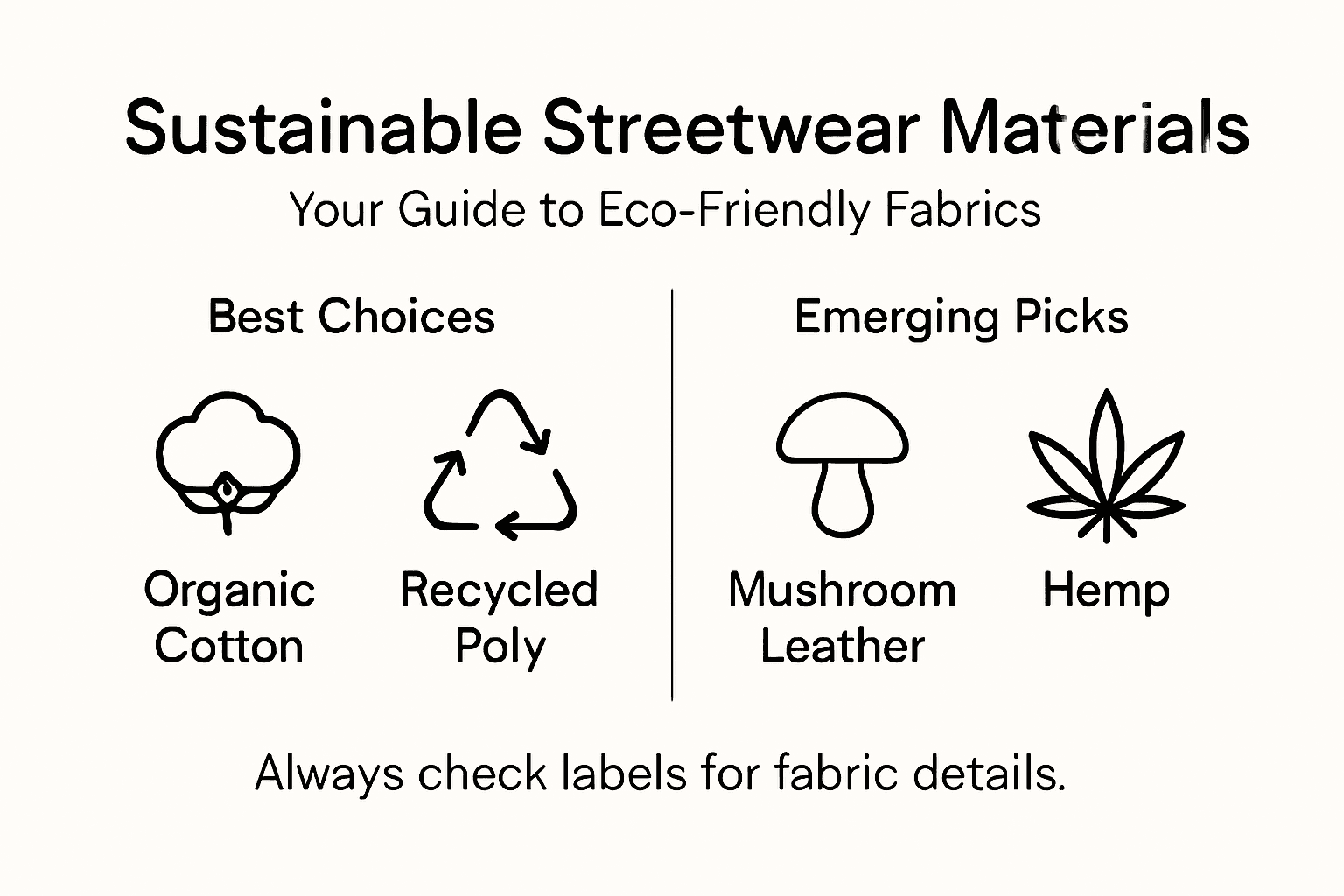
Start by examining the materials used in the pieces you’re considering. Look for organic cotton, recycled polyester, and other eco-friendly fabrics that have a lower environmental footprint than conventional options. Read labels carefully and check whether brands provide information about where and how their clothing is made. Ethically produced apparel from companies committed to fair labor practices means real people are being treated fairly in the supply chain. Beyond materials, focus on versatility. A sustainable piece should work with multiple outfits and serve multiple purposes. That oversized hoodie or vintage-inspired tee should mix and match easily with what you already own, creating more outfit combinations with fewer total items. This approach to selecting pieces builds a foundation where everything works together seamlessly.
The streetwear aesthetic thrives on simplicity and functionality, which naturally aligns with sustainable principles. Modern designers are embracing slow fashion approaches like upcycling and using certified organic materials to create versatile staples that feel fresh without being wasteful. When you’re shopping, ask yourself whether this piece will still feel relevant in six months. Will you actually wear it regularly? Does it fit your personal style or are you buying it because it’s trendy right now? These questions help you avoid impulse purchases that end up unworn and wasted.
Pro tip: Look for pieces made from materials you already know feel great on your body, and prioritize buying from fewer brands so you can build a cohesive wardrobe where everything coordinates naturally.
Here’s a summary of sustainable streetwear material options and their advantages:
| Material Type | Environmental Impact | Durability | Typical Uses |
|---|---|---|---|
| Organic Cotton | Low water and pesticide use | Highly durable | Hoodies, tees |
| Recycled Polyester | Reduces landfill waste | Very resilient | Jackets, sweatpants |
| Mushroom Leather | Biodegradable alternative | Moderate | Sneakers, bags |
| Ocean-bound Plastic | Removes ocean pollution | Robust | Sneakers, totes |
Step 3: Combine Layers for Unique Style
Layering is where your sustainable streetwear wardrobe transforms from a collection of separate pieces into something genuinely personal. This step is about experimenting with how different items work together to create looks that feel authentically yours while staying comfortable and functional. The beauty of layering is that you can take the same base pieces and create completely different vibes depending on what you put on top and underneath.
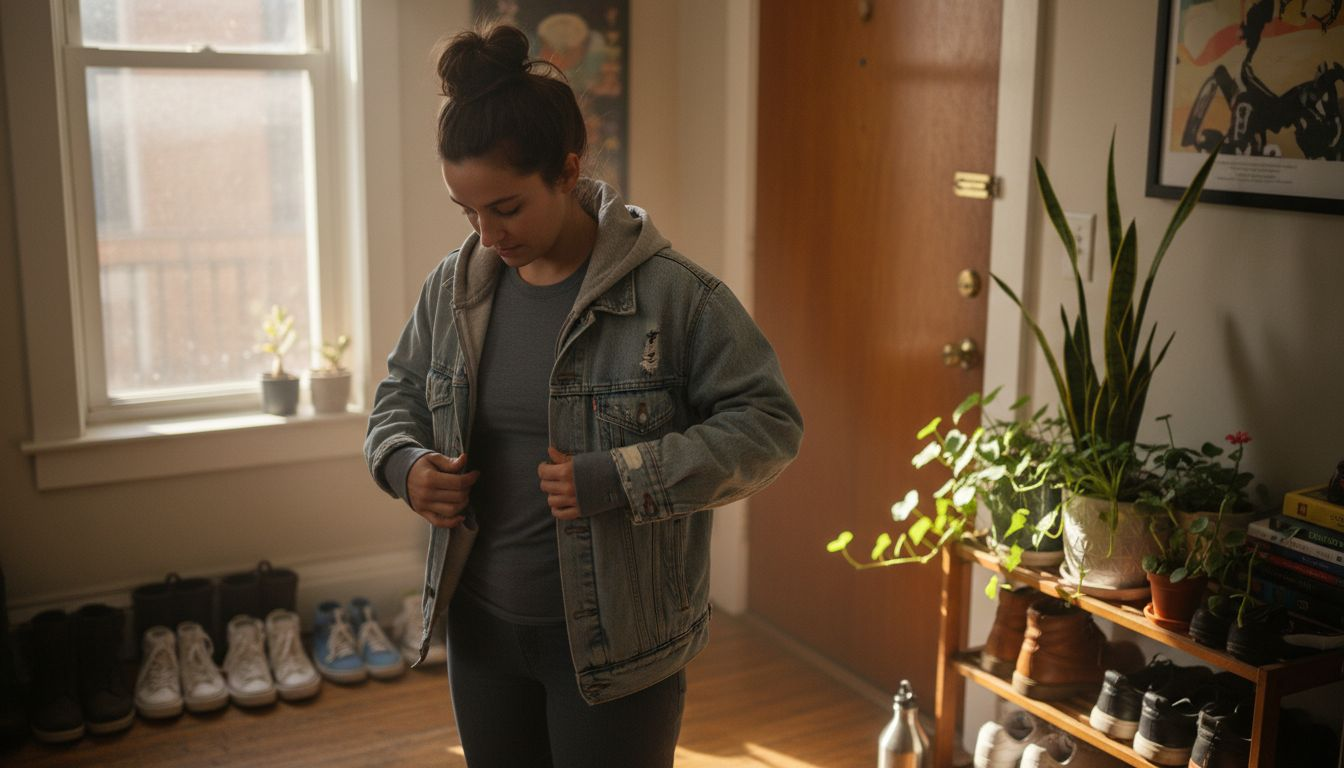
Start with a solid foundation piece like a fitted long-sleeve tee or a lightweight base layer. From there, you can build your look by adding oversized hoodies, sweatshirts, or jackets on top. The key is playing with proportions and textures. An oversized hoodie over a fitted tee creates visual interest, while layering different fabric weights adds depth to your outfit. When you’re mastering streetwear layering, think about how silhouettes interact with each other. A relaxed overshirt worn open over a structured jacket creates movement and dimension. Vintage and upcycled pieces work beautifully in layered outfits because their unique textures and slightly imperfect cuts actually add character that new fast-fashion pieces often lack. The combination of old and new, fitted and oversized, tells a story about who you are and your commitment to sustainable style.
Color and tone matter too. Earthy palettes like greens, browns, grays, and black work seamlessly together and give your layered look a cohesive feeling. You don’t need a perfectly coordinated outfit to look intentional. In fact, the slightly mismatched, thoughtfully put together aesthetic is exactly what streetwear celebrates. This is also where your wardrobe’s sustainability really shines because you’re creating five or ten different outfits from the same twelve pieces, meaning you’re getting maximum wear from items and significantly reducing how often you need to buy anything new.
Pro tip: Layer lightweight pieces under heavier ones to avoid bulk, and always consider the neckline of each layer so they work together visually rather than fighting for attention.
Below is a quick reference for layering techniques that boost unique streetwear style:
| Layer Type | Purpose | Best Pairings |
|---|---|---|
| Base Layer | Comfort and foundation | Long-sleeve tees |
| Mid Layer | Texture and warmth | Sweatshirts, hoodies |
| Outer Layer | Structure and dimension | Jackets, overshirts |
| Accent Layer | Visual interest | Scarves, open shirts |
Step 4: Accessorize to Elevate Your Look
Accessories are where your sustainable streetwear look goes from basic to memorable. The right additions transform a simple outfit into something that feels intentional and personal. This step is about choosing pieces that amplify your style without adding unnecessary items to your closet.
Think of accessories as the final punctuation on your outfit. A quality canvas bag or crossbody made from recycled materials carries your everyday essentials while reinforcing your commitment to sustainability. Hats work hard in streetwear because they change the entire vibe of an outfit instantly. A crisp baseball cap gives clean, casual energy, while a beanie layers perfectly over hoodies and adds warmth. Footwear matters enormously in streetwear culture. Choosing sustainable sneakers made from organic materials or recycled plastics grounds your entire look. Look for shoes from brands using innovative materials like mushroom leather or ocean-bound plastic. Jewelry and watches don’t need to be expensive to make an impact. A simple chain, minimalist watch, or quality rings add personality without clashing with the relaxed aesthetic streetwear celebrates. The key is restraint. Streetwear thrives on simplicity, so avoid overloading yourself with too many accessories competing for attention.
Color coordination through accessories is an underrated styling hack. If your outfit is predominantly neutral, a single bold accessory like a colored beanie or tote bag becomes the focal point. Conversely, if you’re wearing patterned pieces, keep accessories minimal and tonal. Think about proportion too. Smaller frames benefit from streamlined accessories that don’t overwhelm, while larger frames can carry more substantial bags and statement pieces. Second-hand accessories are sustainability gold mines. Vintage leather belts, thrifted caps, and pre-owned bags have history and character that new items rarely achieve. They also cost less, reducing the financial pressure to buy constantly.
Pro tip: Start with two or three versatile accessories that work with most of your outfits, then slowly add statement pieces as you discover what truly reflects your personal style.
Step 5: Verify Comfort and Streetwear Appeal
Before you commit to a piece, make sure it actually feels good on your body and delivers the aesthetic you want. Comfort and style aren’t separate concerns in streetwear, they’re intertwined. A garment that looks incredible but feels restrictive will end up unworn, which defeats the entire purpose of building a sustainable wardrobe.
When you’re trying something on, move around. Bend over, reach up, sit down. Can you move freely in this piece? Does it bunch up or restrict you anywhere? Sustainable streetwear brands prioritize soft, organic materials and thoughtful design that support ease of movement. Quality construction matters because a well-made piece from organic cotton or recycled polyester will feel better against your skin and maintain its shape through countless wears. Pay attention to how a garment drapes on your specific body. An oversized hoodie might look perfect on someone else but feel overwhelming on your frame. A relaxed fit should still feel intentional, not sloppy. The current balance of comfort, style, and sustainability means you’re looking for pieces that let you move freely while expressing who you are. Wide-leg pants, coordinated sweatsuits, and quality sneakers all exemplify this philosophy because they work for your body and your lifestyle.
Consider how the piece fits into the streetwear aesthetic you’re pursuing. Does it align with your overall vibe? Streetwear celebrates individuality through functional clothing, so there’s room for personal interpretation. What matters is that you feel confident wearing it. If something requires constant adjusting or makes you self-conscious, it’s not right regardless of how it looks on the hanger. Trust your gut. Your comfort is non-negotiable because when you feel good in what you’re wearing, it shows.
Pro tip: Wear similar undergarments and footwear when trying items on as you would in real outfits to get an accurate sense of how pieces actually feel and look when styled together.
Elevate Your Sustainable Streetwear with MEXESS
Building a streetwear wardrobe that truly reflects your style and values can feel overwhelming when trying to balance comfort, versatility, and sustainability. This guide helps you see the importance of assessing your current wardrobe and selecting organic and recycled fabrics to create meaningful looks while embracing mindful layering and accessorizing. If you want to skip guesswork and shop a curated collection designed specifically for eco-conscious streetwear lovers, explore what MEXESS has crafted just for you.

Discover a seamless blend of style and sustainability in premium sweatshirts, hoodies, and tees made from organic materials and recycled fabrics at MEXESS. Experience free shipping on multiple items and a 30-day return policy that gives you confidence as you build outfits that express your individuality while protecting the planet. Start now by browsing our latest sustainable streetwear arrivals and enjoy easy navigation and honest customer reviews to find exactly what fits your lifestyle and taste. Take the next step toward an intentional wardrobe at MEXESS.com and redefine your streetwear look today.
Frequently Asked Questions
How do I assess my current wardrobe for sustainable streetwear?
Start by taking a good look at what you already own, sorting items into keep, donate, and recycle piles. Prioritize versatile pieces that you wear often, as this will help you identify gaps and prevent impulsive purchases.
What materials should I look for in sustainable streetwear?
Focus on eco-friendly options such as organic cotton, recycled polyester, and mushroom leather. Read labels and check brand practices to ensure you’re choosing clothing with a lower environmental footprint.
How can I effectively layer my sustainable streetwear pieces?
Start with a solid foundation piece and add layers of varying weights and textures to create visual interest. Experiment with different proportions by mixing fitted and oversized items to find combinations that reflect your personal style.
What accessories do I need to complete my sustainable streetwear look?
Opt for a few versatile accessories like quality bags made from recycled materials and simple jewelry to enhance your outfit. Limit your accessories to two or three essential pieces, then add statement items that reflect your personal style.
How can I ensure comfort while maintaining streetwear appeal?
Make sure each piece feels good against your skin and allows for easy movement. When trying on clothes, move around to check for restrictions and ensure that the fit aligns with the streetwear aesthetic you want to achieve.
Recommended
- Role of Streetwear in Culture: Identity, Sustainability, Impact – MEXESS
- Role of Streetwear in Culture: Identity, Sustainability, Impact – MEXESS
- Role of Streetwear in Culture: Identity, Sustainability, Impact – MEXESS
- Role of Streetwear in Culture: Identity, Sustainability, Impact – MEXESS
- Essential Starter Loc Maintenance: Tips for Healthy Dreads | MyHair
Leave a comment