
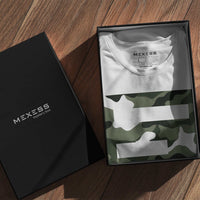

Searching for organic streetwear that fits your vibe and values can feel tricky when there are endless choices online. As more brands claim sustainability, it’s tough to know which ones truly deliver. By focusing on quality standards like GOTS certification and authentic third-party verification, you can build a wardrobe that matches your style, supports ethical production, and makes shopping simpler. This guide shows how to identify needs, research trusted sources, and find real organic apparel that keeps things easy.
Table of Contents
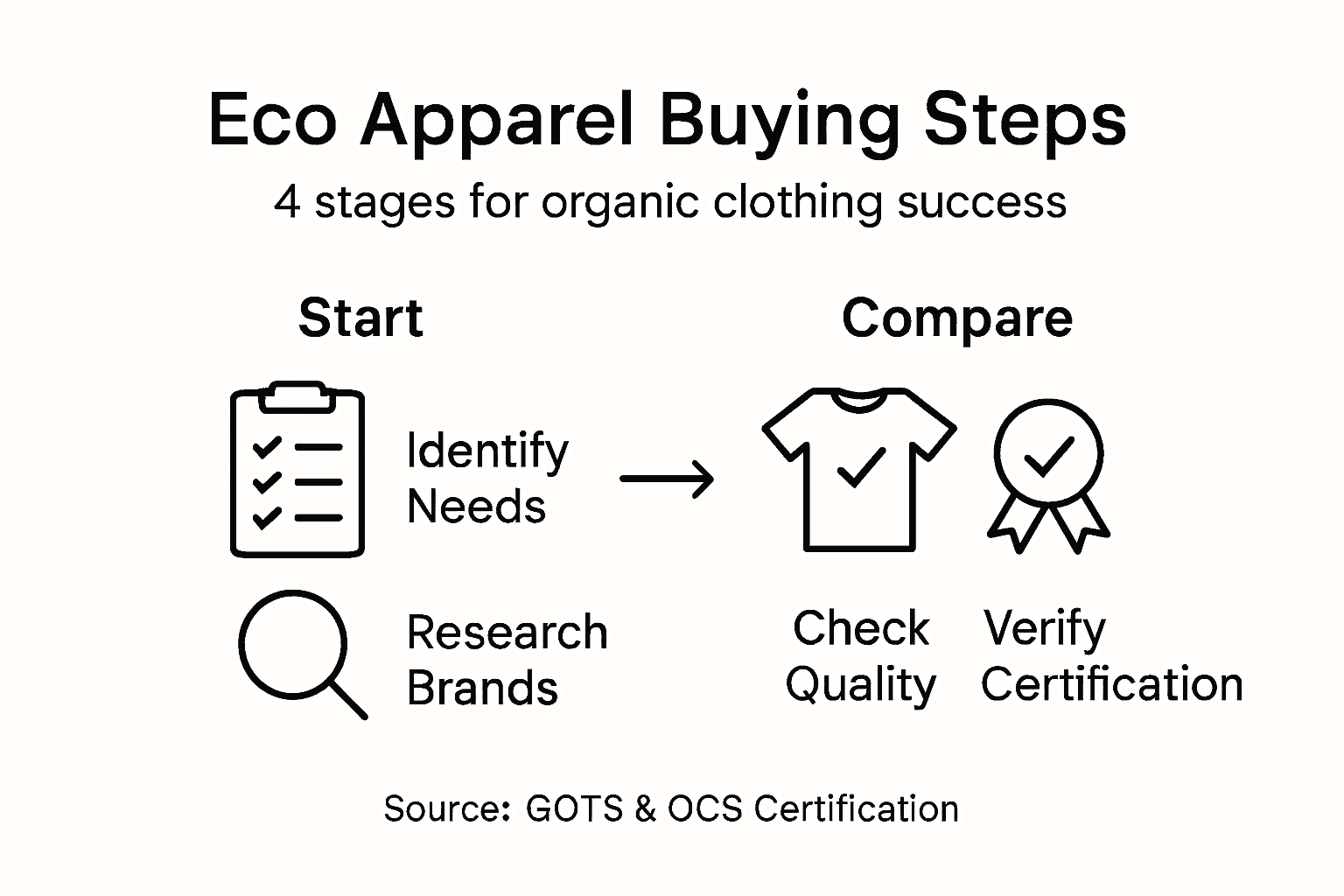
- Step 1: Identify Your Organic Apparel Needs
- Step 2: Research Trusted Organic Clothing Brands
- Step 3: Compare Products For Quality And Ethics
- Step 4: Purchase And Confirm Sustainable Selection
Quick Summary
| Main Insight | Detailed Explanation |
|---|---|
| 1. Identify Your Apparel Needs | Assess your closet gaps and lifestyle needs to create a focused shopping checklist for organic apparel. |
| 2. Research Brands Thoroughly | Look for brands with verified certifications and transparent practices to avoid greenwashing and ensure sustainability. |
| 3. Compare Products Effectively | Use a comparison chart to analyze certifications, material content, and customer feedback for informed product choices. |
| 4. Verify Before Purchase | Check for visible certifications on products and ensure authenticity by cross-referencing with certification databases. |
| 5. Inspect Upon Arrival | After receiving your apparel, examine labels and quality to confirm compliance with organic standards and avoid greenwashing. |
Step 1: Identify Your Organic Apparel Needs
Before you start shopping, take a moment to clarify what you actually need. Are you building a capsule wardrobe with basics, or hunting for statement pieces that match your personal style?
Start by assessing your current situation:
- What gaps exist in your closet? Think about everyday items you reach for most often.
- What’s your lifestyle like? Do you need professional wear, casual streetwear, or athletic pieces?
- What’s your budget range? Knowing this upfront saves time scrolling through options that won’t work for you.
- How important is brand preference? Some shoppers care about specific labels; others focus purely on quality and sustainability.
Next, consider the quality standards that matter to you. Look for GOTS certification when researching products, as this guarantees organic fibers and sustainable production throughout the entire supply chain. You’ll also want to verify organic content verification through credible third-party certifications that trace materials from farm to finished product.
Here’s how top certifications for organic apparel compare:
| Certification | Main Focus | Benefits for Shoppers |
|---|---|---|
| GOTS | Organic fibers + ethical production | Assures strict supply chain and fair labor |
| OCS | Organic content tracking | Confirms percentage of organic material |
| EPA Ecolabels | Overall sustainability | Identifies products with reduced impact |
Knowing your needs before shopping prevents impulse purchases and helps you focus on pieces that actually serve your wardrobe and values.
Don’t overthink this step. Write down three items you’ve been wanting—maybe a comfortable organic hoodie, basic tees, or sustainable sweatshirts. Then identify what certification standards matter to you most. You can explore top organic t-shirts for eco-conscious shoppers to see real examples of what certified organic apparel looks like in practice.
Your identified needs become your shopping checklist. This clarity makes the entire buying process faster and more intentional.
Pro tip: List your top three clothing needs and the certifications you’ll look for (GOTS, OCS, or both) before you browse any website. This one-minute exercise eliminates decision fatigue and helps you spot quality pieces immediately.
Step 2: Research Trusted Organic Clothing Brands
Now that you know what you need, it’s time to find brands that actually deliver on their sustainability promises. Not all organic claims are created equal, so smart research separates genuinely committed brands from greenwashing.
Start by checking brand transparency. Look for companies that openly share their supply chain information and production practices. Brands demonstrating responsible supply chain practices typically provide details about labor conditions, environmental standards, and material sourcing.
Here’s what to research:
- Certification credentials — Does the brand carry GOTS, OCS, or other recognized certifications?
- Supply chain transparency — Can you find information about where materials come from and how items are manufactured?
- Environmental commitments — Look for brands adopting circular textile practices and reducing chemical use.
- Customer reviews — Check what real buyers say about quality, fit, and durability.
- Brand sizing and style — Do they offer sizes and aesthetics that match your needs?
Visit brand websites directly. Most legitimate organic apparel companies feature sustainability reports, material sourcing explanations, and certifications prominently. Read their “About Us” sections carefully. Authentic brands discuss their impact openly rather than hiding behind vague claims.
Brands that hide their supply chain details or use buzzwords without certifications are typically prioritizing marketing over actual sustainability.
Don’t rely solely on brand websites. Cross-reference their claims with third-party certification databases. You can also explore organic t-shirts from trusted brands to see real examples of what transparency looks like in practice.
Create a shortlist of 3-5 brands that align with your values and offer pieces matching your identified needs. This focused approach makes actual shopping faster and more confident.
Pro tip: Bookmark brands’ sustainability or impact pages as you research, then compare their certifications and transparency scores side by side before making any purchase.
Step 3: Compare Products for Quality and Ethics
You’ve found trusted brands. Now comes the detailed work of comparing specific products to ensure you’re getting quality and ethical apparel that matches your values and budget.
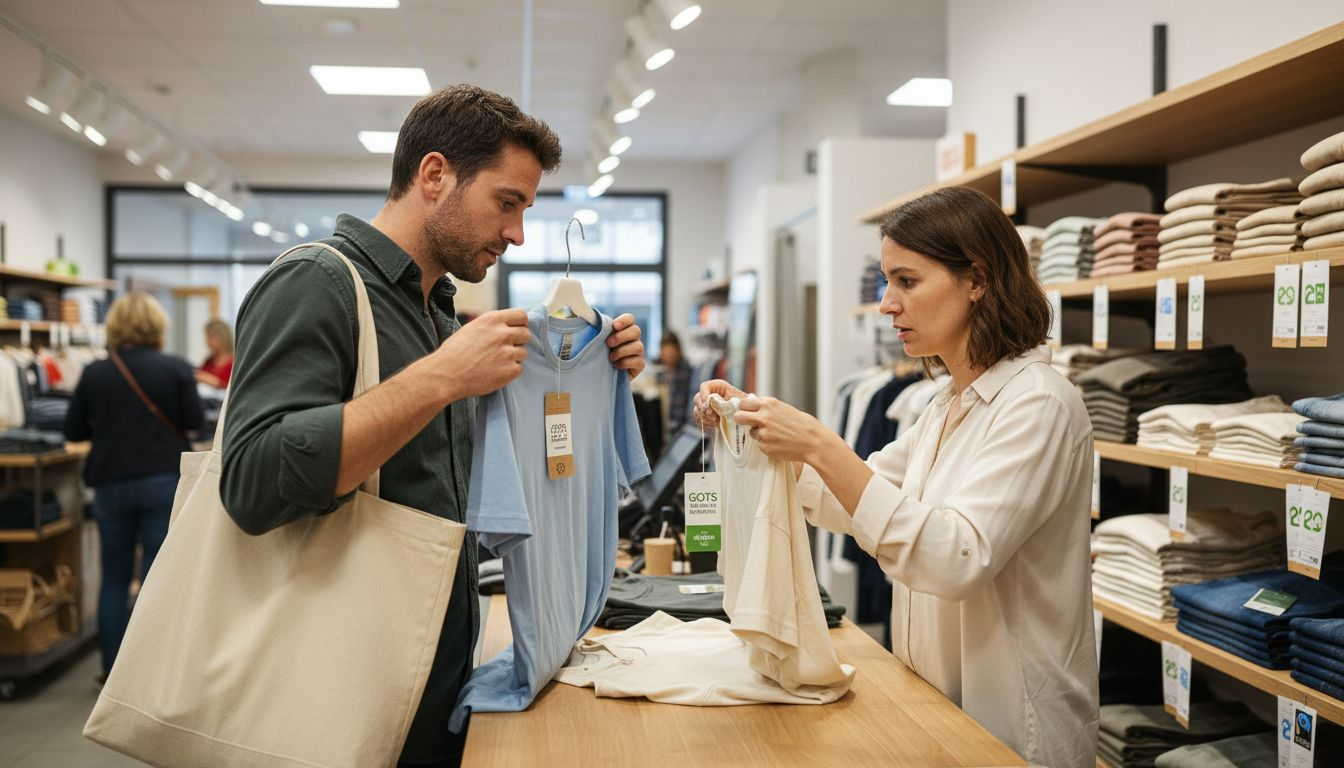
Start by examining certifications on product pages. Look for GOTS certification details that verify organic fiber content, fair labor practices, and strict chemical restrictions throughout production. This certification guarantees transparency from farm to finished garment.
Next, evaluate these key comparison points:
- Organic content percentage — Check if product organic content is verified through third-party audits and clearly labeled.
- Material composition — Compare fiber blends across products. Pure organic cotton differs from cotton blends in durability and environmental impact.
- Production transparency — Does the brand disclose manufacturing location, labor practices, and environmental certifications?
- Price versus value — Higher prices typically reflect ethical wages and sustainable practices. Compare cost per wear, not just sticker price.
- Customer feedback — Read reviews mentioning durability, fit accuracy, and whether the product delivered on quality promises.
- Return policies — Ethical brands often offer generous return windows because they stand behind their products.
Create a simple comparison chart for your top 3-5 product choices. List each item’s certifications, material composition, price, and customer ratings side by side. This visual comparison makes differences immediately obvious.
Products with multiple certifications and transparent supply chain information indicate brands serious about ethics, not just marketing sustainability.
Don’t get overwhelmed by perfect products. Your goal is finding apparel that genuinely aligns with your values while fitting your lifestyle and budget. Quality organic pieces often outlast cheaper alternatives, making them better long-term investments.
Pro tip: Compare products across at least two brands rather than choosing the first certified item you find, and prioritize brands with independent third-party certifications over self-declared sustainability claims.
Step 4: Purchase and Confirm Sustainable Selection
You’ve done your homework. Now it’s time to complete your purchase with confidence, knowing your organic apparel selection aligns with your values and sustainability goals.
Before checking out, verify one final time that the product displays its certifications clearly. Look for GOTS or OCS badges on the product page. If certifications aren’t visible, contact the brand directly to confirm authenticity before purchasing.
Follow these checkout steps:
- Review your cart items — Confirm each product shows certification details and organic content percentages.
- Check shipping and return policies — Verify free shipping options and the 30-day return window to protect your purchase.
- Look for first-time buyer discounts — Many sustainable brands offer incentives for new customers.
- Complete payment securely — Use trusted payment methods and ensure the checkout page displays security indicators.
After purchasing, take one additional step. Cross-reference the brand name against certified GOTS supplier databases to confirm the manufacturer meets official standards. This verification takes just minutes and provides complete peace of mind.
You can also consult EPA resources for sustainable products to learn more about ecolabels and certification standards supporting your purchase decisions in the future.
Once your order arrives, inspect your organic apparel carefully. Check labels for certification marks, examine stitching quality, and verify the material feels authentic to organic fiber standards.
Use this checklist for evaluating organic apparel purchases:
| Step | What to Verify | Why It Matters |
|---|---|---|
| Product Label | Visible certification logos | Ensures authenticity |
| Website Claims | Direct certification links | Confirms third-party validation |
| Post-Purchase | Inspect garment details | Detects real vs. greenwashing |
Completing a purchase is just the beginning. Building a sustainable wardrobe happens over time through intentional, informed choices.
Keep your receipts and certification documentation. This proves your commitment to sustainable fashion and helps you reference what worked when shopping for future pieces.
Pro tip: Save photos of certification labels and product details from your purchases to build a personal reference guide for identifying quality organic apparel during future shopping.
Take Control of Your Eco-Friendly Wardrobe with MEXESS
Mastering the organic apparel buying process means overcoming challenges like spotting authentic certifications, finding trusted brands with transparent supply chains, and choosing quality pieces that align with your values and lifestyle. At MEXESS, we understand these struggles and are dedicated to simplifying your journey toward sustainable streetwear. Our curated collection of organic hoodies, sweatshirts, and T-shirts features only carefully selected products backed by clear certification and ethical practices, helping you build a wardrobe you can trust.

Experience the ease of shopping eco-conscious fashion with MEXESS today. Explore our latest organic apparel collection and enjoy customer-friendly benefits like free shipping on multiple items and a 30-day return policy. Start your sustainable style journey now and feel confident that every purchase supports your commitment to quality, comfort, and planet-friendly choices. Visit MEXESS and discover how effortless ethical streetwear shopping can be.
Frequently Asked Questions
How do I identify my organic apparel needs?
To identify your organic apparel needs, assess your current wardrobe and lifestyle. List specific items you lack, such as basic tees or activewear, and determine the certifications that matter to you, like GOTS or OCS.
What should I look for in trusted organic clothing brands?
When researching organic clothing brands, prioritize transparency in their supply chain and certifications. Focus on brands that openly share their production practices and validate their claims with third-party certification.
How can I compare different organic apparel products for quality?
To compare organic apparel products, evaluate their certifications, organic content percentage, and customer reviews. Create a chart listing key attributes such as price, material composition, and transparency to make the best choice.
What steps should I take before purchasing organic apparel?
Before completing your purchase, ensure each product clearly displays its certifications and organic content. Double-check the brand’s return policy and any available discounts to maximize the value of your investment.
How do I verify the sustainability of my purchase after ordering?
After ordering, confirm the brand’s certifications by cross-referencing their name with certification databases. This simple step takes just a few minutes and provides peace of mind about your sustainability choice.
What should I inspect when my organic apparel arrives?
When your organic apparel arrives, inspect the labels for visible certification logos and examine the garment’s stitching quality. Make sure the material adheres to organic standards to ensure you made a well-informed purchase.
Leave a comment