
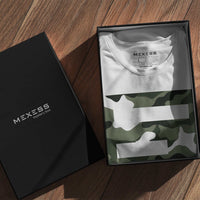

A heavyweight hoodie can look perfect on the rack and still disappoint after a few washes. The reason is often not the silhouette. It is the fabric. If you are building a tighter wardrobe and buying fewer, better essentials, the question gets specific fast: organic cotton vs recycled cotton - which one actually makes more sense?
The short answer is that both can be better choices than conventional cotton, but they solve different problems. Organic cotton focuses on how the fiber is grown. Recycled cotton focuses on what happens after cotton already exists. For premium streetwear, that difference matters because it affects hand feel, durability, consistency, and the overall life of the garment.
Organic cotton vs recycled cotton: the real difference
Organic cotton is grown without synthetic pesticides, synthetic fertilizers, or genetically modified seeds under recognized certification standards. The goal is cleaner farming practices, healthier soil, and lower chemical exposure across the supply chain. When people talk about organic cotton, they are really talking about the beginning of the fiber's life.
Recycled cotton starts later in the process. It is made from existing cotton waste, usually either pre-consumer waste such as factory offcuts or post-consumer waste such as used garments. That cotton is sorted, broken down, and spun again into new yarn. The goal is to reduce waste and cut demand for virgin raw material.
So this is not a simple better-versus-worse comparison. Organic cotton addresses agricultural impact. Recycled cotton addresses material waste. If you care about both, the most responsible answer is often a blend or a brand that is transparent about why it chose one over the other.
How each fabric feels in daily wear
If you wear streetwear basics on repeat, feel is not a minor detail. It is the whole point.
Organic cotton usually wins on softness, smoothness, and consistency. Because the fibers are grown and processed as new material, mills have more control over yarn quality. That often leads to cleaner surfaces, stronger yarns, and a more premium hand feel. For elevated T-shirts, structured sweatshirts, and hoodies that need comfort without looking flat, organic cotton tends to deliver a more refined result.
Recycled cotton can feel great too, but it depends heavily on the source material and the spinning process. Recycled fibers are often shorter because the mechanical recycling process breaks them down. Shorter fibers can create a rougher hand feel, more texture, or less consistency from one fabric lot to another. In some products, that slightly lived-in feel works. In others, especially minimalist essentials where fabric quality is front and center, it can be harder to achieve the same clean finish.
That does not mean recycled cotton always feels inferior. Higher-quality recycled cotton, especially when blended with organic cotton or other fibers, can still feel substantial and comfortable. It just requires more careful engineering to reach the same premium standard.
Durability matters more than the label
A sustainable fabric that wears out fast is not a strong sustainability story. The longer you keep a piece in rotation, the better the outcome tends to be.
This is where organic cotton often has an edge. Since it uses virgin fibers, it generally offers better tensile strength than fully recycled cotton. That can translate into better shape retention, less surface fuzzing, and a longer life, especially in heavyweight categories like hoodies, sweatpants, and outer layers.
Recycled cotton can be less durable when used on its own because those shortened fibers do not hold together as well over time. To compensate, manufacturers often blend it with virgin cotton, organic cotton, or recycled polyester. That improves strength, but it also changes the fabric story. A product made with some recycled cotton is not the same as one made from 100 percent recycled cotton, and brands should be clear about that.
For everyday essentials, durability should sit near the top of your checklist. A clean hoodie that lasts three years of regular wear is usually a smarter buy than one with a strong eco label that loses shape in one season.
Organic cotton vs recycled cotton for environmental impact
This is the section most people expect to be simple. It is not.
Organic cotton is typically better than conventional cotton in terms of chemical use and soil management. It avoids many of the synthetic inputs associated with conventional farming and can support healthier agricultural systems when done well. It may also reduce water pollution from runoff. That said, organic cotton still requires land, water, and energy. It is not impact-free.
Recycled cotton avoids the need to grow new cotton for that portion of fiber content, which can reduce water use, land use, and raw material extraction. It also diverts textile waste from landfill or incineration. On paper, that is a strong advantage.
But recycled cotton has trade-offs too. Sorting and processing waste fibers takes energy and infrastructure. Quality can be inconsistent. And if a fabric needs to be blended with virgin material to perform well, the environmental savings may not be as straightforward as they first appear.
The better question is not which fabric is perfectly sustainable. Neither is. The better question is which material creates the best balance of lower impact and longer wear for the product you are buying.
Which is better for premium streetwear?
For minimalist streetwear essentials, fabric integrity is everything. You are not hiding behind loud graphics or trend-driven details. The cut, weight, drape, and finish do the work.
Organic cotton is often the stronger choice for premium basics because it supports cleaner construction and a more elevated hand feel. It works especially well for heavyweight hoodies, crisp T-shirts, structured sweatshirts, and polos where consistency matters. If your goal is timeless design, premium feel, and effortless comfort, organic cotton aligns naturally with that standard.
Recycled cotton makes strong sense in categories where waste reduction is the priority and slight texture variation is acceptable, or even desirable. It can also be a smart component in blended fabrics that balance softness, structure, and resource efficiency.
This is why many quality-focused brands do not treat sustainable materials like a trend. They match the fabric to the product. A clean everyday tee may benefit from organic cotton. A circular-minded capsule piece may make sense in recycled cotton or a blend. Good design starts with that level of honesty.
What to look for when you shop
A product page that simply says sustainable cotton is not enough. If you are comparing organic cotton vs recycled cotton, a few details tell you much more than the headline claim.
First, check the fiber breakdown. A garment made with 20 percent recycled cotton and 80 percent conventional cotton tells a very different story than one made with 100 percent organic cotton or a well-considered blend of organic and recycled fibers.
Second, pay attention to weight and construction. Heavier jersey, dense fleece, reinforced seams, and pre-shrunk finishing often matter as much as the fiber itself. Premium streetwear should feel intentional from the first wear, not just environmentally well-marketed.
Third, look for credible certification language around organic content or recycled content. Clear standards are not everything, but they are better than vague sustainability claims.
Finally, think about how you actually dress. If you want everyday staples that stay sharp across work, travel, campus, and weekends, organic cotton may give you the consistency you want. If your priority is reducing textile waste and you are open to a slightly more textured fabric character, recycled cotton can be a solid choice.
The smart choice depends on the piece
There is no single winner across every category. For softness, structure, and long-term wear, organic cotton usually has the advantage. For waste reduction and circularity, recycled cotton brings clear value. The smartest wardrobes are not built on slogans. They are built on pieces that feel right, last, and earn their place in constant rotation.
That is why premium brands like MEXESS focus on organic cotton for elevated essentials. When the goal is clean silhouettes, comfort, and long-lasting construction, the fabric has to hold up to daily wear, not just look good in a product description.
If you are buying with intention, choose the material that fits the role of the piece. The best fabric is the one that keeps showing up in your wardrobe, season after season.
Leave a comment