
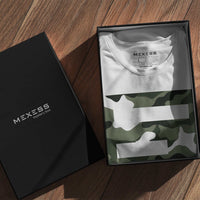

You know the moment: a tee that looks right in photos, fits fine in the mirror, then turns stiff, twisty, or scratchy after three washes. Streetwear basics are supposed to be effortless. If your “everyday” pieces can’t keep up with everyday life, they’re not basics - they’re disposable.
That’s the real appeal of organic streetwear. It’s not a virtue signal. It’s a quality decision that happens to come with a smaller footprint.
What organic streetwear really means
Streetwear has always been about the uniform: the tee, the hoodie, the sweatshirt, the cap, the jacket you grab without thinking. Organic streetwear keeps that same silhouette-first mindset, but it starts with the fiber choice. When brands say “organic,” the meaningful version is organic cotton grown to organic standards, then spun, knitted, dyed, and finished with a tighter focus on what touches your skin and what goes into the process.
The nuance matters because “organic” on a hangtag can mean a few different things. Some brands use organic cotton only in certain colorways or blends. Others use organic cotton but still rely on harsh dyeing or heavy chemical finishes to force a specific hand feel. The best organic streetwear doesn’t need tricks. The fabric quality carries the premium feel.
Why organic cotton changes the feel, not just the label
Most people come to organic cotton for sustainability, then stay for the comfort. A well-made organic cotton tee tends to feel cleaner against the skin because the fiber quality is high and the knit can be built for softness without over-processing.
There’s also a durability angle. Streetwear gets worn hard. Hoodies live through commutes, gym bags, airport seats, late nights, and repeat washes. Better cotton and better construction show up as fewer surprises over time: less warping at the side seams, fewer random holes, less neck rib getting wavy.
It depends on the weight and the knit, though. A lightweight organic jersey can feel airy and smooth but won’t drape like a heavy tee. A heavyweight organic tee can feel substantial and structured but might be too warm for summer. “Organic” is not a magic setting. Fabric specs still decide the vibe.
The premium basics checklist (without the hype)
If you want organic streetwear that looks elevated and wears like a favorite, the details are where it’s won.
Start with fabric weight. For tees, midweight to heavyweight cotton typically reads more premium because it holds shape and doesn’t cling. For hoodies and sweatshirts, look for a dense fleece that feels plush but not spongy. A cheap fleece often pills fast and loses its clean surface.
Then check construction. A solid neck rib, clean shoulder seams, and consistent stitching are the difference between “new drop” and “laundry day regret.” If a brand can’t show basic construction details clearly, assume you’re buying marketing, not build quality.
Finally, pay attention to finishing and dye. A good dye job looks rich and even, and it stays that way. Washed blacks should fade evenly, not blotch. Neutrals should look intentional, not like an off-white that turned yellow.
Fit comes first - organic only works if you actually wear it
Streetwear is a fit game. Organic streetwear is still streetwear, which means your sizing choices matter more than whatever buzzword is printed on the product page.
A slightly oversized tee can look iconic, but if the shoulder seam drops too far and the sleeve opening flares, it can feel sloppy instead of relaxed. A hoodie can be roomy without becoming shapeless. The goal is ease, not bulk.
If you’re building a capsule of organic pieces, pick one consistent direction and stay there. Either commit to clean, classic fits that layer easily, or go for modern oversized silhouettes across the board. Mixing extremes makes outfits harder than they need to be.
The organic streetwear uniform: 6 pieces that carry a week
You don’t need a closet packed with logo hits to look put together. The best streetwear wardrobes are repeatable.
A strong rotation usually starts with two tees: one crisp white or natural, one dark neutral like black or washed charcoal. Add one heavyweight long sleeve for layering. Then pick one hoodie that feels substantial, one sweatshirt that sits clean under outerwear, and one jacket that finishes the look.
Those six pieces cover most real life: campus, errands, work-from-anywhere, casual nights, travel. The point is not to chase constant newness. It’s to get consistent wear out of fewer, better items.
Outfit formulas that don’t require “styling”
Organic streetwear looks best when it’s simple and intentional. Think clean lines, solid colors, and one focus point.
For an everyday baseline, a midweight organic tee with straight-leg denim and a simple sneaker is enough. If you want it sharper, swap denim for a clean work pant and add a structured jacket.
For colder days, go hoodie plus outerwear. Keep the hoodie’s color close to the jacket’s tone for a quiet, premium look. High-contrast layering can work, but it reads louder and gets trend-dependent fast.
For a set that always hits, match sweatshirt and pant tones. Monochrome doesn’t mean boring. It means your fit reads as a choice, not a scramble.
The trade-offs nobody tells you about
Organic streetwear is better in a lot of ways, but it’s not a cheat code.
First, price. Organic cotton and responsible production can cost more, especially when the brand isn’t cutting corners. If the price is suspiciously low, something else is being squeezed - labor, fabric quality, or durability.
Second, color range. Some of the cleanest organic programs lean into neutrals because they’re easier to maintain consistently. If you want bright seasonal colors, you may have fewer options or see more variability between batches.
Third, availability. Streetwear runs on drops. If a brand is serious about better materials, restocks can take time. Planning your basics early beats panic-buying substitutes when your size disappears.
How to care for organic cotton so it stays premium
You can buy the right pieces and still ruin them with the wrong routine. Streetwear basics live and die in the wash.
Wash cold when you can. It helps color last and reduces shrink risk. Turn dark items inside out, especially tees and hoodies, to protect the face of the fabric. Skip aggressive heat. Air dry is ideal for longevity, but low heat works if you keep it consistent and avoid over-drying.
If you want your tees to keep their shape, avoid hanging them wet from the shoulders. Lay flat or hang from the bottom hem. Small habits keep the fit you paid for.
What “ethical” should mean when you’re shopping
Organic streetwear is often bundled with ethical claims. That’s good, but you still want specifics.
Look for transparency around materials, where products are made, and what standards the brand follows. Also check the basics that prove a company expects you to keep the item: clear size guidance, real product photos, and a return policy that doesn’t punish you for trying to get the fit right.
Sustainability is bigger than any single fabric choice. But choosing organic cotton for the pieces you wear most is one of the highest-impact moves you can make, because repetition is the point of basics.
A cleaner way to buy streetwear
If you’re transitioning from fast-fashion streetwear to organic streetwear, don’t try to swap your whole closet at once. Start with the pieces that touch your skin the most and get washed the most: tees, underwear, sweats. Then upgrade hoodies, then outerwear.
You’ll feel the difference faster, and your wardrobe will stay cohesive because you’re building around staples, not impulse.
If you want a direct-to-consumer take on timeless, organic essentials with a streetwear edge, MEXESS is built around that exact idea: premium-feel everyday staples, clean silhouettes, and an easier path to a better wardrobe.
Closing thought: buy your next hoodie or tee like you’re choosing your default setting - because that’s what a true streetwear basic is, and organic only matters if it earns a spot on repeat.
Leave a comment