
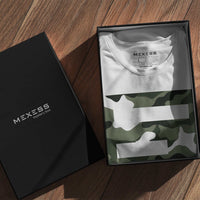

Building a wardrobe that matches your urban lifestyle can sometimes feel like sorting through endless options that do not reflect who you truly are. For university students pursuing a sustainable and minimalist streetwear style, knowing what works for you goes beyond following social media trends. By focusing on authentic urban essentials and prioritizing sustainable materials and ethical collections, you create outfits that support your values and your day-to-day reality.
Table of Contents
- Step 1: Assess Your Wardrobe for Urban Essentials
- Step 2: Explore Sustainable Streetwear Collections Online
- Step 3: Select Minimalist Pieces for Versatile Outfits
- Step 4: Verify Fabric Quality and Brand Credentials
- Step 5: Finalize Purchase with Shipping and Return Checks
Quick Summary
| Main Insight | Explanation |
|---|---|
| 1. Assess Your Wardrobe First | Evaluate your existing clothing to identify gaps and avoid unnecessary purchases. Knowing what you own simplifies future shopping decisions. |
| 2. Focus on Sustainable Brands | Choose streetwear collections that prioritize ethical production and eco-friendly materials for conscious fashion choices. Transparency in sourcing is key. |
| 3. Select Versatile Minimalist Pieces | Invest in core minimal items that can be easily mixed and matched across different occasions, ensuring you get the most utility from fewer pieces. |
| 4. Check Fabric Quality and Labels | Before buying, review fabric content and certifications to confirm quality. Look for detailed material information to avoid misleading descriptions. |
| 5. Review Shipping and Return Policies | Always verify shipping terms and return policies before finalizing your purchase to prevent potential issues if items don’t meet your expectations. |
Step 1: Assess Your Wardrobe for Urban Essentials
Before you start shopping, take stock of what you already own. This foundation helps you identify gaps and avoid buying duplicates. You’ll make smarter purchasing decisions when you know exactly what you’re working with.
Walk through your closet and pull out pieces you actually wear regularly. Be honest about fit, comfort, and how often each item gets used. Items that sit unworn for months are telling you something about your real style preferences.
Look for patterns in what you reach for most. Do you gravitate toward oversized silhouettes or structured fits? Are you drawn to earth tones or bolder colors? Your natural choices reveal your authentic urban aesthetic, which matters more than chasing trends that don’t resonate with you.
Evaluate fabric quality in pieces you love wearing. Notice the weight of your favorite t-shirt, the softness of a hoodie you never take off, or how a pair of trousers drapes. These sensory details show you exactly what comfort and durability mean to your body and lifestyle.
Assess what’s missing by considering your actual weekly activities:
- Work-from-home comfort pieces for casual creative days
- Versatile layering pieces that transition between campus and social settings
- Durable basics that handle frequent washing
- Statement items that reflect your personal identity
- Pieces suitable for both casual and slightly elevated urban settings
Your current wardrobe reveals your true style preferences better than any trend list ever could. Build from that authentic foundation.
Consider how streetwear connects to personal identity and cultural expression in urban settings. Your wardrobe should reflect genuine aesthetics that matter to you personally, not just what’s popular right now. This approach keeps you from buying items that looked good in photos but feel wrong when you actually wear them.
Once you’ve assessed what you have, organize findings into three categories: keep and wear regularly, consider selling or donating, and gaps to fill. This clarity makes your shopping focused and intentional.
Pro tip: _Take photos of your favorite pieces from different angles, then note the specific details you love (fabric texture, fit silhouette, pocket placement, collar style). Keep these reference photos in your phone when shopping to ensure new purchases match the quality and vibe of pieces you genuinely wear.
Step 2: Explore Sustainable Streetwear Collections Online
Now that you understand your style preferences, it’s time to discover collections that align with your values. Sustainable streetwear has moved far beyond niche offerings—mainstream retailers and independent brands now prioritize ethical production and eco-friendly materials.
Start by identifying brands that match your sustainability standards. Look for transparency about manufacturing processes, material sourcing, and labor practices. Brands that openly share this information typically stand behind their environmental commitments.
When browsing online, check product descriptions for specific material information. Search for collections made from organic cotton, recycled fibers, and biodegradable textiles rather than conventional synthetics. These materials reduce environmental impact across production and disposal phases.
Here’s a quick comparison of sustainable streetwear material options and their key features:
| Material Type | Environmental Benefit | Durability Level | Typical Certifications |
|---|---|---|---|
| Organic Cotton | Lower pesticide use | High, resists wear | GOTS, OEKO-TEX |
| Recycled Polyester | Reduces plastic waste | Very resilient | GRS, Recycled Claim Std |
| Bamboo Viscose | Fast renewable resource | Soft, moderate wear | FSC, OEKO-TEX |
| Hemp | Minimal water required | Extremely durable | USDA Organic, GOTS |
| TENCEL™ (Lyocell) | Made from wood pulp | Good drape, strong | FSC, PEFC |
Evaluate collections across these key dimensions:
- Material composition and certifications (organic, GOTS certified, recycled content percentage)
- Transparent supply chain and manufacturing details
- Durability and longevity claims that justify the investment
- Color and fit options that match your wardrobe assessment
- Pricing that reflects actual production costs, not artificial markups
Sustainable brands that openly share manufacturing details and material sourcing are signaling genuine commitment, not just marketing strategy.
Read customer reviews focusing on fit consistency, fabric quality after multiple washes, and real-world durability. University students and creative professionals who wear these pieces regularly provide the most honest feedback about performance and longevity.
Build a shortlist of 3-5 brands that resonate with your style and values. Don’t feel pressured to buy immediately—save these collections and return when ready to make informed purchases. This approach prevents impulse buying driven by aesthetic appeal alone.
Check whether these brands offer sustainable shopping practices like free returns and fair pricing policies that reduce waste and buyer regret. Quality sustainable pieces are investments, not disposable fashion.
Pro tip: Sign up for brand newsletters from your shortlist to track new releases, material innovations, and seasonal collections without constantly checking websites manually. Many sustainable brands announce limited drops and restocks via email first, giving you advance notice before items sell out.
Step 3: Select Minimalist Pieces for Versatile Outfits
Minimalist streetwear offers maximum flexibility with fewer pieces. This approach builds a functional wardrobe that works across campus, creative work, casual hangouts, and slight variations in occasion. You’re investing in items that transition seamlessly rather than sitting unused.
Start by identifying your core foundation pieces. These are versatile basics that pair with almost everything in neutral or adaptable colors. Think quality t-shirts, simple hoodies, clean sweatshirts, and essential outerwear that don’t scream trend or gimmick.
Focus on minimalist staples that work across multiple occasions and seasons. A well-made organic cotton t-shirt becomes your base layer for countless combinations. A structured hoodie works for studying, running errands, or casual meetups without looking out of place.
Evaluate each piece by asking these practical questions:
- Does it pair with at least 5 other items you already own?
- Can you wear it in three different contexts (creative work, casual social, campus)?
- Will it look intentional in 12 months, not dated?
- Does the fit suit your body without major alterations?
- Is the fabric quality worth washing weekly for months?
Minimalist pieces aren’t about owning less—they’re about owning pieces that actually work together and with your lifestyle.
Skip anything with bold logos, excessive branding, or statement prints unless they genuinely reflect your aesthetic. These distract from minimalist versatility and date faster than clean silhouettes do.
Consider color strategy carefully. A palette of black, white, gray, and one or two earth tones (cream, brown, olive) creates natural combinations without overthinking. Adding one accent color works if you love it genuinely, not because trends suggest it.
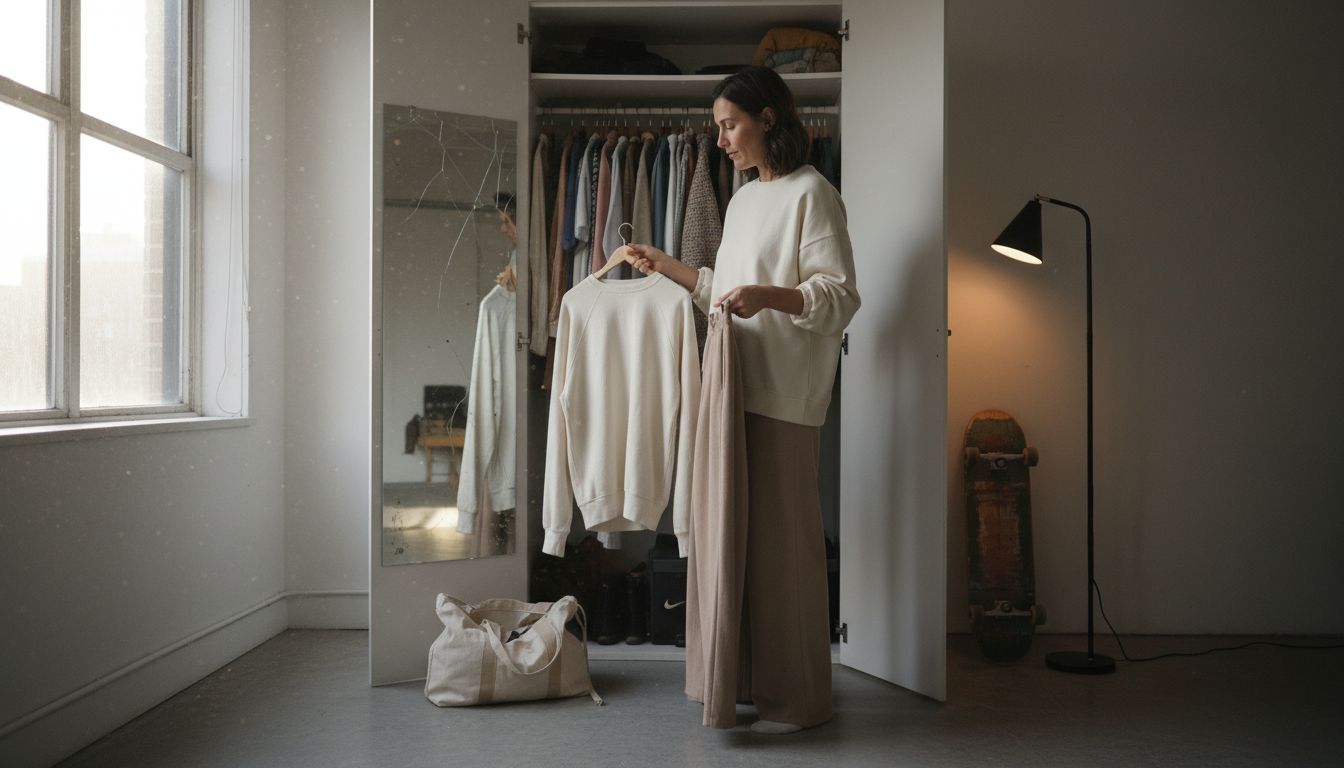
Check sizing honestly. Oversized fits work if that’s your authentic preference, but don’t buy oversized basics just because streetwear culture defaults to them. Your actual body and comfort matter more than aesthetic assumptions.
Pro tip: Before buying any minimalist piece, physically try it on or verify detailed fit measurements against pieces that already work for your body, then imagine three specific outfits you’d wear it in—if you can’t quickly visualize three real combinations, it’s not minimalist enough for your collection.
Step 4: Verify Fabric Quality and Brand Credentials
Before committing to purchase, verify that pieces actually deliver the quality you’re paying for. Brands making real claims back them with transparent labeling, certifications, and honest material information. This step separates genuine quality from marketing hype.
Start by reading the fabric content label carefully. Check for specific percentages of materials—100% organic cotton, 95% organic cotton with 5% elastane, or recycled polyester blends. Vague descriptions like “natural blend” or “eco-friendly fabric” without percentages signal unclear sourcing.
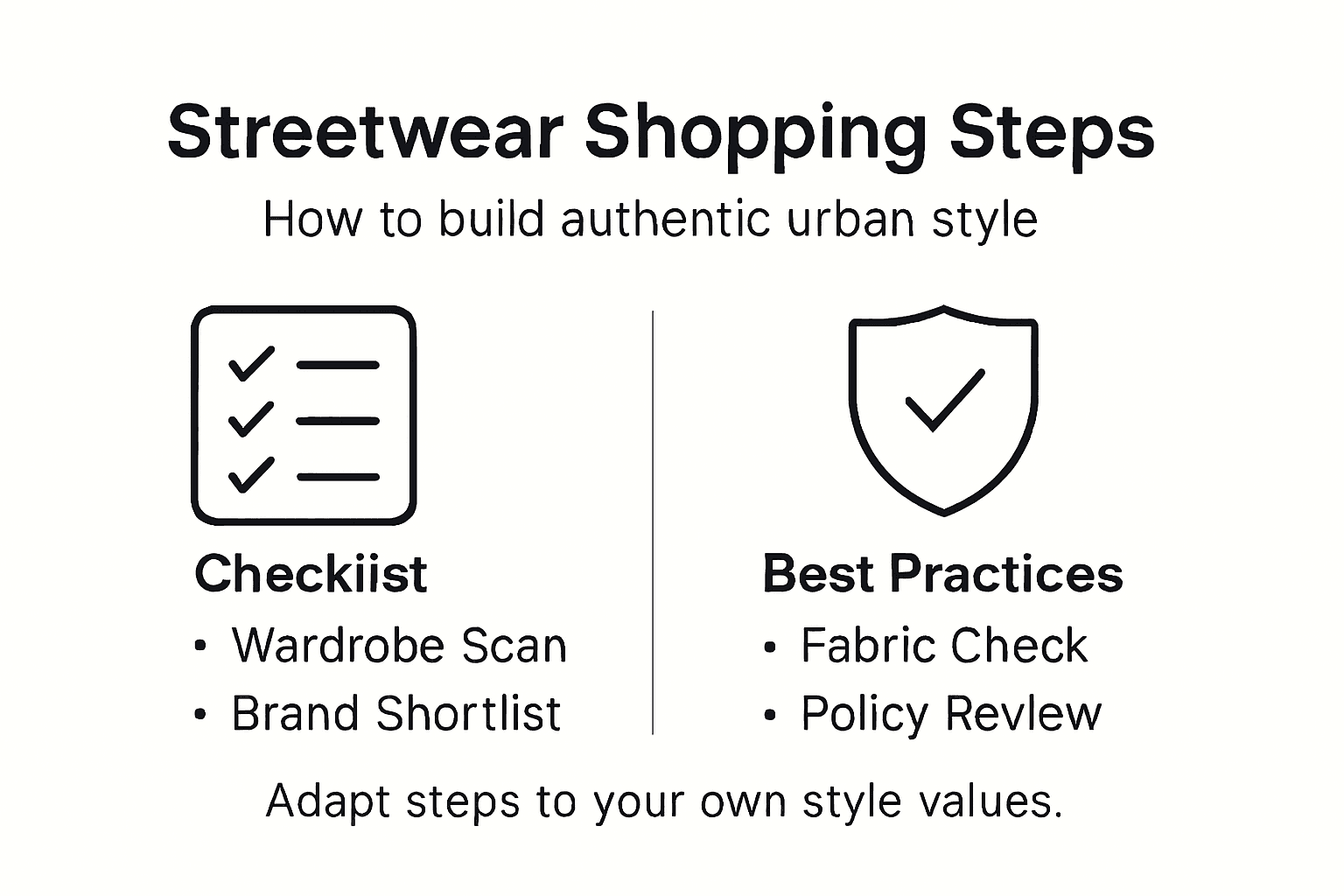
Look for third-party certifications that verify claims. Organic cotton should carry GOTS certification (Global Organic Textile Standard). Recycled materials should specify content percentage and source. These certifications mean independent auditors verified the claims, not just brand promises.
Understand fabric labeling requirements that guarantee transparency about material composition and manufacturer identity. Legitimate brands provide detailed fiber content, care instructions, and manufacturing origin on official labels.
Evaluate quality through these measurable characteristics:
- Weight in grams per square meter (GSM) for t-shirts and jerseys—150-200 GSM indicates quality thickness
- Thread count and construction for durability and longevity
- Fiber length for cotton (longer staple means softer, more durable fabric)
- Shrinkage rates listed by brand or through product reviews
- Pilling resistance and color retention after washing
Brands that openly share technical fabric specifications and testing results are demonstrating confidence in actual quality, not just aesthetics.
Research the brand’s manufacturing practices and labor standards. Transparent companies publish supply chain information, factory locations, and worker treatment details. If a brand avoids these questions, that silence suggests they have something to hide.
Check customer reviews from people who’ve owned pieces for months. Look for specific feedback about shrinkage, color fading, fabric softness after multiple washes, and seam durability. Real-world wear data matters more than promotional descriptions.
Verify return policies and warranties before buying. Quality brands often offer extended returns (30 days or more) and stand behind durability claims with replacement options. Rushed return windows suggest manufacturers doubt their own quality.
Use this table to verify key quality signals when evaluating streetwear brands:
| Quality Signal | What to Look For | Why It Matters |
|---|---|---|
| Specific Fabric Percentages | 100% or high organic content | Ensures authenticity |
| Third-Party Certifications | GOTS, GRS on label | Verifies sustainability |
| Return Policy Length | 30-60 days offered | Indicates brand confidence |
| Customer Wear Feedback | Positive multi-wash reviews | Reveals real-world durability |
Pro tip: Contact brands directly with specific fabric questions before purchasing—how they respond reveals their expertise and transparency; brands confident in quality answer technical questions quickly and thoroughly, while evasive replies indicate they lack detailed knowledge.
Step 5: Finalize Purchase with Shipping and Return Checks
Before you click buy, take five minutes to review shipping terms and return policies. This final check prevents frustration if pieces don’t fit, arrive damaged, or don’t match your expectations. Smart shoppers verify these details before committing money.
Start by checking shipping costs and timelines. Look for free shipping thresholds that match your order size. European direct-to-consumer brands often offer free shipping above certain amounts, making bulk purchases more economical than buying single items.
Confirm estimated delivery times and whether tracking updates are provided. If you’re ordering from overseas, expect longer processing times plus customs delays. Some brands ship from European warehouses while others import from Asia—this dramatically affects delivery speed.
Review the return policy thoroughly before purchasing. Understanding online shopping protections and return processes helps you know your rights if items don’t meet expectations. Check these specific details:
- Return window length (30 days minimum is standard, 60 days is generous)
- Whether returns are free or require you to pay shipping
- Condition requirements (unworn with tags, or worn okay?)
- Refund timeline after returning items
- Exchange options if sizing doesn’t work
A brand’s return policy reveals how confident they are in quality—generous returns signal they stand behind their products.
Verify payment security before entering card details. Look for HTTPS connection (padlock icon), secure payment processors, and clear privacy policies. Never store payment information on sites with questionable security.
Check the seller’s reputation and customer reviews specifically about order fulfillment. Research whether orders arrive as described, if customer service responds quickly to issues, and whether refunds process without hassle. Problems with fulfillment are harder to fix than product quality issues.
Confirm your shipping address is correct before finalizing. Typos cost time and money when fixing delivery errors later. For international orders, verify your address format matches European postal standards if applicable.
Pro tip: Screenshot or bookmark the order confirmation, shipping terms, and return policy before completing purchase—if issues arise later, having documented evidence of what you agreed to makes customer service disputes infinitely easier to resolve.
Build Your Authentic Urban Style with Premium Organic Streetwear
Finding the perfect streetwear that fits your true style and values can be challenging. This article highlights the importance of assessing your wardrobe, choosing sustainable materials, and focusing on minimalist pieces that offer versatility and durability. You want streetwear that matches your personality, supports conscious consumption, and performs across daily city life without compromise.
At MEXESS, we understand these exact needs. Our European direct-to-consumer brand specializes in premium organic cotton streetwear designed for modern urban lifestyles. By blending minimalist design, sustainable fabrics, and clean silhouettes, we provide essential pieces that work effortlessly from campus to creative workspaces. Explore curated collections of T-shirts, hoodies, and sweatshirts crafted with verified certifications and transparent quality standards.
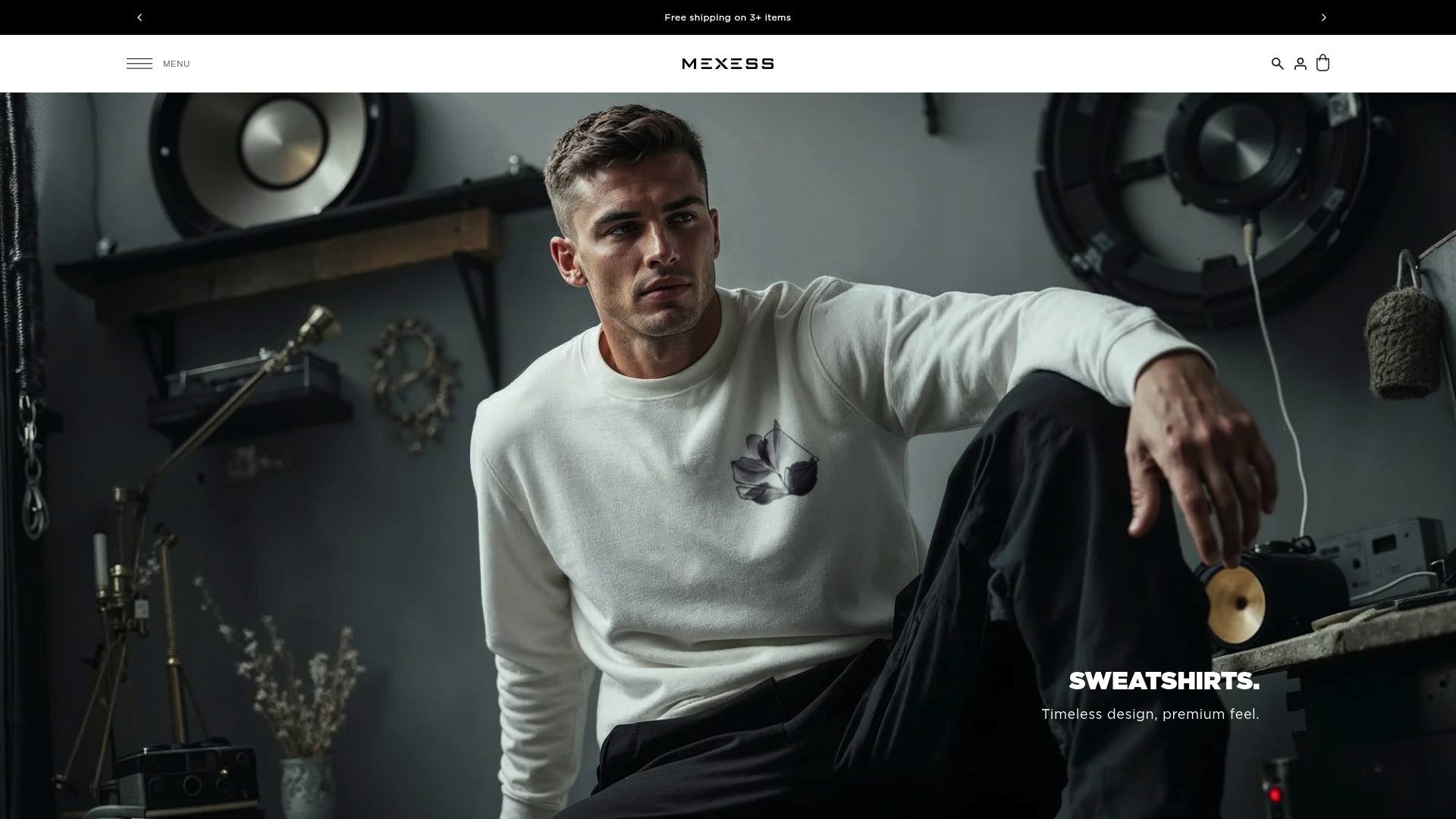
Take control of your wardrobe today by investing in versatile, sustainable streetwear that reflects your authentic style and durable quality. Discover our collection and experience free shipping on eligible orders with a 30-day return policy that ensures confidence in every purchase. Start building your timeless urban essentials now at MEXESS and embrace streetwear shopping that truly aligns with your values.
Frequently Asked Questions
How can I assess my current wardrobe for urban streetwear essentials?
To assess your current wardrobe, pull out items you wear regularly and evaluate their fit, comfort, and usage. Organize your items into categories: keep, consider selling or donating, and identify gaps that need filling.
What should I look for when exploring sustainable streetwear collections online?
When exploring sustainable streetwear collections, check for transparency in manufacturing processes, material sourcing, and labor practices. Focus on collections made from materials like organic cotton or recycled fibers to ensure a lower environmental impact.
How can I choose minimalist pieces that will create versatile outfits?
To choose minimalist pieces, start with core foundation items that can pair with five or more of your existing clothes. Focus on neutral colors and timeless styles that transition well between casual and slightly elevated settings.
What factors determine fabric quality when buying streetwear?
Fabric quality can be assessed by looking at specific material percentages, third-party certifications, and customer feedback. Verify details like weight, thread count, and shrinkage rates to ensure durability and longevity of your clothing.
Why is it important to check shipping terms and return policies before purchasing?
Checking shipping terms and return policies ensures you understand costs, timelines, and your rights if items don’t meet expectations. Review details like return window length and whether returns are free to avoid any surprises later.
What actions can I take if the clothing I order doesn’t meet my expectations?
If clothing doesn’t meet your expectations, utilize the return policy to process a return or exchange within the specified window. Keep any documentation related to your order, such as confirmation and return instructions, to streamline the process.
Recommended
- Streetwear Outfit Assembling: Step-by-Step Success Guide – MEXESS
- Streetwear Outfit Assembling: Step-by-Step Success Guide – MEXESS
- Master the Streetwear Shopping Process for Trendy Organic Apparel – MEXESS
- Master the Streetwear Shopping Process for Trendy Organic Apparel – MEXESS
- How to Build a Streetwear Wardrobe for Unique Style – ELEDOasis
Leave a comment