

You can usually tell within ten seconds.
A tee that twists after one wash. A hoodie that looks good on the product page but feels flat the second you put it on. A trendy piece that hits for one season, then disappears to the back of your closet. That is the real split in streetwear basics vs fast fashion. It is not just about price. It is about how a piece lives in your wardrobe after the checkout moment.
For anyone building a cleaner, more intentional rotation, this comparison matters. Streetwear basics are meant to be worn hard and styled often. Fast fashion is usually built for speed - quick trend turnover, lower-cost materials, and shorter product life. Sometimes the gap is obvious. Sometimes it is hidden in the details.
Streetwear basics vs fast fashion: what is the real difference?
At a glance, both categories can look similar. You might see an oversized T-shirt, a heavyweight hoodie, or a minimal sweatshirt in both places. The difference is usually in the foundation.
Streetwear basics are designed as repeat-wear essentials. Think iconic silhouettes, neutral color palettes, solid fabric weight, and fits that work across seasons. They are not trying to win your attention for a week. They are trying to earn a place in your everyday uniform.
Fast fashion works on a different cycle. The goal is often to react quickly to what is trending, produce at scale, and hit a lower price point. That does not automatically make every fast fashion item bad, but it usually means compromises. Fabric quality drops. Construction gets lighter. Fit consistency becomes less reliable. The piece may still photograph well, but daily wear exposes the shortcuts.
If your style leans minimalist, urban, and versatile, those shortcuts show up fast.
Why basics matter more in streetwear
Streetwear has always had statement pieces, but basics do most of the work. The hoodie you throw on three times a week. The structured tee that holds its shape under a jacket. The sweatshirt that works with cargos, denim, or tailored pants. These are not filler items. They are the core.
That is why quality matters more here than it does with trend-driven clothing. When a basic is off, everything is off. A weak collar makes a T-shirt look cheap. Thin fleece changes how a hoodie drapes. Poor stitching turns a clean silhouette into a disposable one.
Good streetwear basics create consistency. They make getting dressed easier because the pieces are built to layer well, hold shape, and stay relevant beyond one drop cycle. That is where premium basics separate themselves from fast fashion versions that chase the look without delivering the wear.
Fabric is where the difference starts
The biggest gap in streetwear basics vs fast fashion usually starts with fabric integrity.
A strong basic needs substance. Not stiffness for the sake of it, but enough weight and structure to keep the silhouette clean. In streetwear, that matters because fit is part of the design language. An oversized tee should fall properly. A hoodie should feel substantial. A sweatshirt should have enough body to look refined, not limp.
Fast fashion often cuts cost with lighter fabrics, mixed fibers, or finishes that feel soft at first and fade quickly. That first impression can be convincing. The issue comes after a few washes, when the surface pills, the shape loosens, or the fabric loses depth.
Organic cotton and better-grade cotton basics tend to perform differently over time. They often feel smoother, breathe better, and age with more consistency when construction is done right. Fabric alone is not a guarantee of quality, but it is one of the clearest signals.
If you are shopping online, pay attention to what the brand actually tells you. Vague language usually means there is not much to say. Clear details on fabric composition, weight, and material sourcing are a better sign.
Fit, shape, and why cheap basics fall apart visually
A lot of people think they want trends when they actually want better fit.
That is one reason fast fashion keeps winning attention. It moves quickly and mirrors what is current. But a trend-led shape made with poor construction rarely lands the same way as a well-built essential. You might get the oversized look, but not the balance. You might get the cropped cut, but not the clean line. You might get the boxy fit, but not the structure that makes it look intentional.
Streetwear basics work because they understand proportion. Shoulder width, sleeve length, hem shape, rib thickness, and fabric weight all affect how a piece sits. These are small details, but they change the entire result.
This is especially true for minimalist wardrobes. When there are no loud graphics or heavy branding to distract from the garment itself, the quality has to carry the look. Clean design leaves nowhere to hide.
Price matters, but cost per wear matters more
Fast fashion usually wins on immediate affordability. That matters, especially if you are on a budget. Not everyone is ready to spend more upfront on a hoodie or T-shirt, and that is real.
But if you are comparing value, the better question is cost per wear. A cheap T-shirt that loses shape after five washes is not really cheaper if you replace it three times. A hoodie that pills early or shrinks badly stops being a good deal the moment it becomes a stay-at-home-only piece.
Premium streetwear basics ask for more upfront because they are built for repeat use. Better fabric, stronger stitching, and more considered fits increase the wear window. Over time, that often makes them the smarter buy.
It depends on how you shop, of course. If you only want a one-time trend piece for a specific moment, fast fashion may feel practical. But if you are building a wardrobe you want to rely on every week, basics are where spending better usually pays off.
The sustainability side is not just marketing
Fast fashion is built on volume. More drops, more trend turnover, more consumption. That model creates waste by design because the clothes are made to move fast, not stay relevant.
Streetwear basics can support a different kind of wardrobe. Fewer pieces. Better materials. Longer use. More repeat styling. That does not make every premium brand automatically sustainable, and it does not mean every basic is ethically made. But the model is stronger when the product is designed to last.
This is where conscious materials matter. Organic cotton, lower-impact production choices, and long-lasting construction all reduce the pressure to keep replacing the same item. Sustainability is not just about what a garment is made from. It is also about how long you keep wanting to wear it.
For shoppers moving away from fast fashion, that shift is usually practical before it becomes philosophical. You buy fewer throwaway pieces because you are tired of disappointment. The values follow the experience.
How to shop smarter when comparing the two
The easiest mistake is judging only from photos. Fast fashion has become very good at visual imitation. A premium-looking product page does not mean premium construction.
Check the fabric details. Look for heavier cotton where appropriate, especially in hoodies, sweatshirts, and tees. Read the fit description carefully. Brands that understand their product usually explain whether a piece is relaxed, oversized, or structured in a precise way.
Then look at the design itself. A strong streetwear basic does not need to do too much. Clean lines, balanced proportions, durable trims, and versatile colors are usually better signs than extra details added to create hype.
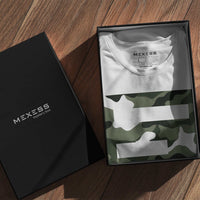
If a brand also talks clearly about material sourcing and build quality, that is even better. MEXESS, for example, centers its essentials around organic cotton, timeless urban design, and long-lasting construction rather than trend overload. That is the kind of thinking that helps a wardrobe stay sharp beyond one season.
Which one should you choose?
If you want fast access to a trend at the lowest price, fast fashion will always be tempting. Sometimes it serves a purpose. Not every purchase has to be an investment piece.
But if your goal is effortless everyday style, streetwear basics are the stronger move. They give you more consistency, better layering, and a wardrobe that feels intentional instead of random. You buy less, style more, and stop wasting money on pieces that never really become favorites.
The best wardrobes are not built from constant replacement. They are built from essentials that keep showing up, wash after wash, outfit after outfit. Start there, and the rest gets easier.
Leave a comment