

Fast fashion churns out 100 billion garments yearly, yet most textile waste ends up in landfills within months. Behind those $10 t-shirts lies a system that pollutes oceans, exploits workers, and traps shoppers in debt cycles. Gen Z and Millennials increasingly recognize these hidden costs, yet bridging awareness to action remains challenging. This guide unpacks why avoiding fast fashion matters environmentally, socially, and financially, then shows you practical pathways toward sustainable minimalist streetwear that aligns with your values without sacrificing style or budget.
Table of Contents
- Key takeaways
- The environmental impact of fast fashion
- The social cost of fast fashion
- How fast fashion traps consumers in overconsumption and debt
- Navigating the paradox: shifting to sustainable minimalist streetwear essentials
- Discover sustainable fashion essentials with MEXESS
- Frequently asked questions about avoiding fast fashion
Key Takeaways
| Point | Details |
|---|---|
| Environmental footprint | Fast fashion drives a high environmental footprint through greenhouse gas emissions, water pollution, chemical runoff, and microplastic release. |
| Waste and pollution | About 92 million tons of clothing waste fill landfills annually, with microfibers entering oceans and harming ecosystems. |
| Worker exploitation | Garment workers, mostly young women in developing countries, face unsafe conditions, chemical exposure, forced overtime, and wages that do not meet basic needs. |
| Sustainable streetwear path | Shifting to sustainable minimalist streetwear yields durable items that hold value while reducing environmental harm and debt risk. |
| Better materials | Organic cotton reduces pesticide use and water demand, while recycled synthetics can cut environmental impact when sourced and processed responsibly. |
The environmental impact of fast fashion
Fast fashion’s environmental footprint rivals aviation and shipping combined. The industry contributes 2-10% of global greenhouse gas emissions, releasing carbon dioxide throughout production, transportation, and disposal phases. Manufacturing synthetic fabrics from petroleum derivatives intensifies this carbon load, while energy-intensive dyeing and finishing processes compound the damage.
Water pollution represents another critical concern. The sector accounts for 20% of global wastewater, dumping toxic dyes and chemicals into rivers that supply drinking water for millions. Synthetic garments shed microfibers during washing, with 500,000 tons entering oceans annually. These plastic particles accumulate in marine food chains, eventually reaching human consumption.
Textile waste creates long-term pollution challenges. Each year, 92 million tons of clothing waste fills landfills globally, where synthetic materials take centuries to decompose while releasing methane and leaching chemicals into soil. Even natural fibers contribute to this problem when treated with chemical finishes that prevent biodegradation.
| Material Type | Water Usage (liters per kg) | Carbon Footprint (kg CO2 per kg) | Microfiber Shedding |
|---|---|---|---|
| Conventional cotton | 10,000-20,000 | 5.5-6.4 | None |
| Organic cotton | 7,000-10,000 | 3.8-4.2 | None |
| Polyester | 70-100 | 7.0-9.5 | High |
| Recycled polyester | 60-80 | 3.0-4.5 | Moderate |
Cotton production demands enormous water resources, particularly in water-scarce regions. A single cotton t-shirt requires roughly 2,700 liters of water from cultivation to finished product. Pesticide use in conventional cotton farming contaminates groundwater and harms biodiversity.
Key environmental concerns include:
- Greenhouse gas emissions from energy-intensive manufacturing and global shipping
- Chemical pollution from synthetic dyes and fabric treatments entering waterways
- Microplastic contamination of oceans and freshwater systems
- Resource depletion through unsustainable cotton cultivation and petroleum extraction
- Landfill overflow from disposable garment culture
“The fashion industry’s environmental crisis stems from overproduction and planned obsolescence. Brands intentionally design clothes to fall apart quickly, ensuring repeat purchases while externalizing environmental costs onto communities and ecosystems.”
Pro Tip: Choosing recycled polyester blends can lower environmental impact compared to conventional cotton in water-stressed regions, though natural fibers remain preferable for minimizing microplastic pollution.
Material selection matters significantly. Organic cotton reduces pesticide use by 91% and water consumption by 30-40% compared to conventional alternatives. However, recycled synthetics offer advantages in specific contexts, particularly when sourced from post-consumer plastic bottles rather than virgin petroleum.
The social cost of fast fashion
Behind every bargain garment lies a human story of exploitation. Fast fashion’s business model depends on compressing labor costs to maintain rock-bottom prices, creating systematic abuse throughout global supply chains. Workers face unsafe buildings, exposure to toxic chemicals, forced overtime, and wages insufficient to cover basic needs.
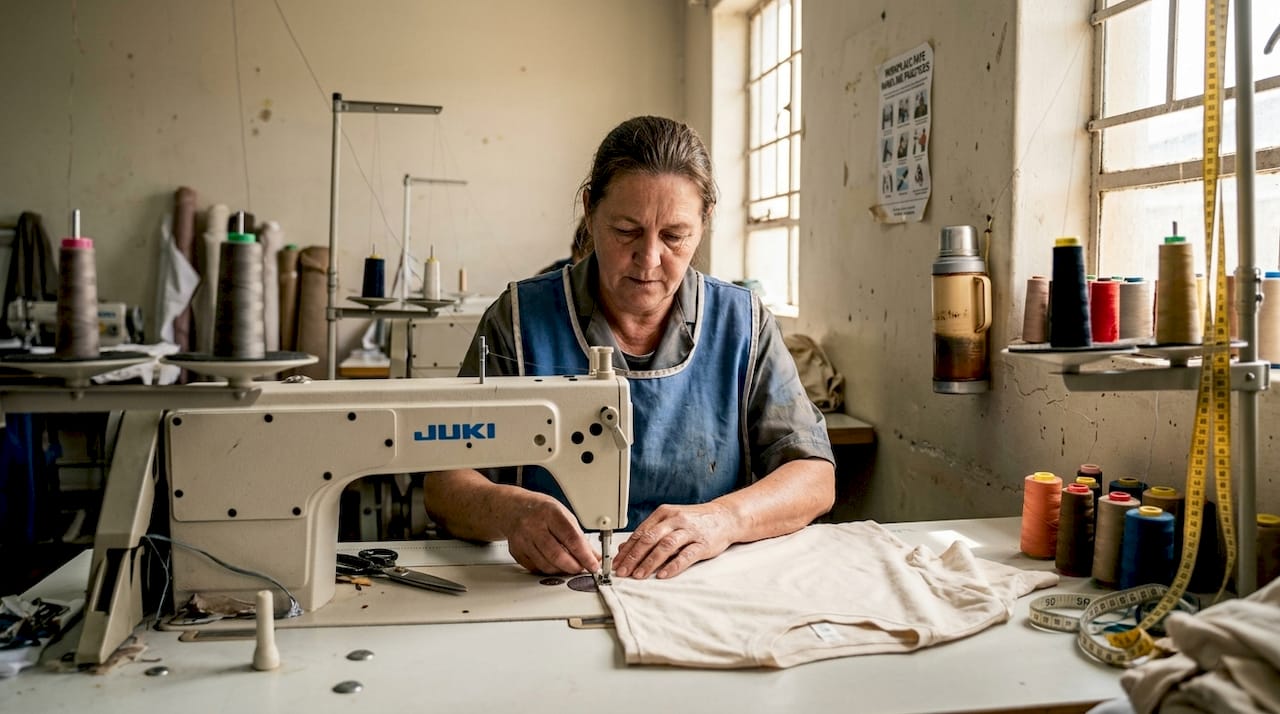
The garment workforce consists predominantly of young women in developing nations who lack legal protections or union representation. These workers earn less than living wages, with fewer than 2% receiving adequate compensation to support families. Poverty wages trap entire communities in cycles of deprivation while brands profit from their labor.
Structural safety failures highlight the deadly consequences of cost-cutting. The 2013 Rana Plaza collapse in Bangladesh killed 1,134 garment workers and injured thousands more when factory owners ignored visible building cracks to meet production deadlines. This tragedy exposed how fast fashion prioritizes speed and profit over human life, yet similar risks persist across the industry today.
“Fast fashion’s supply chains deliberately obscure accountability. Brands subcontract to factories that subcontract again, creating layers of deniability when labor violations surface. Workers pay the price for this opacity with their health, safety, and dignity.”
Primary social concerns in fast fashion production:
- Child labor in cotton fields and garment factories, robbing children of education and childhood
- Forced labor and debt bondage trapping vulnerable populations in exploitative conditions
- Unsafe factory environments with inadequate fire exits, structural integrity, and ventilation
- Poverty wages insufficient to meet basic needs for food, shelter, and healthcare
- Excessive mandatory overtime without fair compensation or rest periods
- Gender-based discrimination and harassment targeting female workers
- Suppression of worker organizing and union activities through intimidation
Chemical exposure represents another hidden danger. Workers handle toxic dyes, solvents, and finishing agents without adequate protective equipment, leading to respiratory diseases, skin conditions, and long-term health complications. Sandblasting denim causes silicosis, a fatal lung disease affecting thousands of workers.
Pro Tip: Supporting brands with transparent ethical practices and third-party certifications like Fair Trade or SA8000 helps improve labor conditions by creating market incentives for responsible production.
Supply chain transparency remains minimal across fast fashion. Most brands cannot identify where their garments originate beyond first-tier suppliers, making accountability impossible. This opacity enables continued exploitation while allowing companies to claim ignorance when abuses emerge.
How fast fashion traps consumers in overconsumption and debt
Fast fashion’s affordability creates an illusion of value that masks substantial financial and emotional costs. Those $15 jeans seem like smart purchases until they fall apart after five washes, requiring replacement. This cycle of buying, discarding, and rebuying actually costs more over time than investing in quality pieces that last years.
Young shoppers face particular vulnerability to fast fashion’s debt traps. 44% of Gen Z use buy now pay later services for clothing purchases, with 71% carrying multiple BNPL loans simultaneously. These interest-free installment plans feel painless initially but accumulate quickly, creating payment obligations that strain budgets and damage credit scores when missed.
The psychology behind fast fashion purchasing mirrors addiction patterns. Constant new arrivals trigger dopamine responses, creating habitual shopping behaviors disconnected from actual clothing needs. Social media amplifies this effect through outfit repetition anxiety and trend-chasing pressure, convincing consumers they need constant wardrobe updates to maintain relevance.
“Fast fashion deliberately engineers dissatisfaction. By releasing new collections weekly and marketing them as limited-time opportunities, brands create artificial urgency that overrides rational decision-making. Shoppers buy impulsively to avoid missing out, then feel regret when items arrive and fail to match expectations.”
How fast fashion impacts your financial health:
- Low upfront costs disguise poor quality, leading to frequent replacements that exceed the price of durable alternatives
- Impulse purchases driven by artificial scarcity and social pressure accumulate into significant monthly spending
- BNPL services fragment total costs across multiple payments, obscuring actual expenditure until debt becomes unmanageable
- Short garment lifespans mean constant shopping to maintain a functional wardrobe
- Trend-chasing creates a perpetual cycle where last season’s purchases feel obsolete, driving continued consumption
Garment lifespan directly affects value. Fast fashion items average 7-10 wears before showing significant deterioration, while quality basics can last 50-100+ wears with proper care. This difference means a $50 organic cotton hoodie worn 80 times costs $0.63 per wear, while a $20 fast fashion hoodie worn 8 times costs $2.50 per wear.
The environmental costs of this overconsumption extend beyond production. Transportation of unworn or barely worn clothing to donation centers, thrift stores, or landfills adds carbon emissions. Most donated fast fashion lacks sufficient quality for resale, ending up incinerated or exported to developing nations where it overwhelms local textile markets and waste systems.
Closet clutter creates additional hidden costs. Excess clothing requires storage space, organization time, and mental energy deciding what to wear from overwhelming options. Minimalist wardrobes of versatile, quality pieces simplify daily routines while reducing decision fatigue.
Navigating the paradox: shifting to sustainable minimalist streetwear essentials
Gen Z and Millennials demonstrate high sustainability awareness, yet their fashion purchasing often contradicts stated values. This attitude-behavior gap emerges from multiple factors: sustainable options appear expensive upfront, greenwashing confuses genuine eco-friendly choices, and social pressure to maintain trendy appearances conflicts with minimalist principles.
Breaking this paradox requires reframing fashion as investment rather than disposable entertainment. Quality basics cost more initially but deliver superior value through longevity, versatility, and reduced replacement frequency. A capsule wardrobe of 30-40 well-chosen pieces creates more outfit combinations than a closet stuffed with 200 trend-driven items that never quite work together.
| Aspect | Fast Fashion | Sustainable Minimalist Streetwear |
|---|---|---|
| Purchase frequency | Weekly or monthly | Seasonal or less |
| Cost per item | $10-30 | $40-120 |
| Wear count | 5-10 times | 50-100+ times |
| Cost per wear | $2-5 | $0.50-1.50 |
| Material quality | Synthetic blends, thin fabrics | Organic cotton, durable construction |
| Environmental impact | High emissions, waste, pollution | Lower emissions, minimal waste |
| Labor practices | Often exploitative | Transparent, ethical |
| Style longevity | 1-2 seasons | Years |
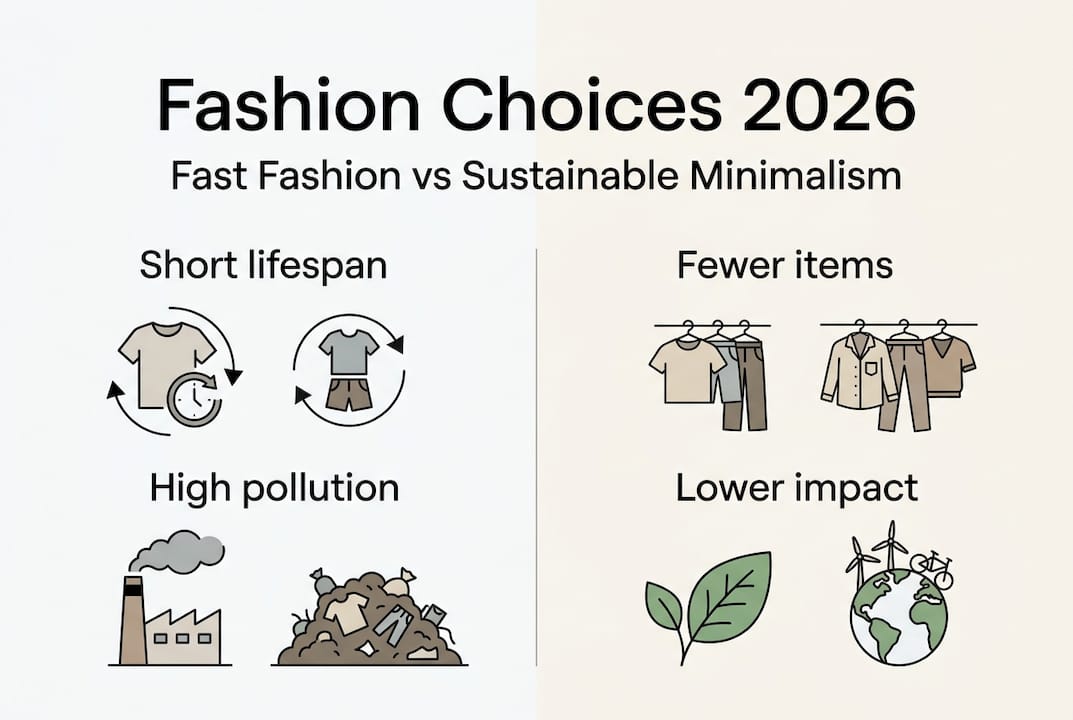
Thrifting, upcycling, and minimalism align naturally with sustainable streetwear essentials. Secondhand shopping offers quality pieces at accessible prices while extending garment lifespans and reducing demand for new production. Vintage and thrifted items often feature superior construction compared to contemporary fast fashion.
However, secondhand markets carry their own complexities. Resale platforms can enable rebound effects where easy reselling justifies increased purchasing, ultimately expanding rather than reducing consumption. The convenience of selling unwanted items creates a false sense of sustainability while maintaining overconsumption patterns.
Actionable steps toward a sustainable wardrobe:
- Audit your current closet to identify gaps versus redundancies before buying anything new
- Invest in versatile basics like quality t-shirts, hoodies, and jeans that work across multiple outfits
- Research brands with transparent supply chains and verified sustainability certifications
- Learn basic garment care and repair skills to extend clothing lifespans significantly
- Embrace outfit repetition by building a cohesive color palette and style that reflects your authentic preferences
- Shop secondhand first for trend pieces or items you’re unsure about long-term
- Calculate cost per wear before purchasing to evaluate true value
- Unfollow fast fashion brands and influencers who promote constant consumption
Pro Tip: Avoid moral licensing by setting hard limits on new purchases even when buying secondhand. The goal is reducing total consumption, not just shifting where you shop.
Minimalist streetwear emphasizes timeless silhouettes and neutral color palettes that transcend seasonal trends. Classic crew neck tees, well-fitted hoodies, straight-leg jeans, and simple sneakers create a foundation that works for years. Adding personality through accessories or occasional statement pieces keeps style interesting without requiring constant wardrobe turnover.
Material knowledge empowers better choices. Organic cotton, recycled polyester, and Tencel offer different sustainability profiles suited to various needs. Understanding fabric properties helps you select pieces that align with your priorities whether that’s minimizing water use, avoiding microplastics, or supporting regenerative agriculture.
Systemic change requires policy intervention alongside individual action. Fast fashion taxes and production caps could curb overproduction by making disposable clothing less profitable. Extended producer responsibility laws would force brands to manage end-of-life garment disposal, internalizing environmental costs currently borne by communities and ecosystems.
Discover sustainable fashion essentials with MEXESS
Transitioning to sustainable minimalist streetwear becomes simpler when you have trusted resources. MEXESS specializes in premium organic cotton essentials designed for contemporary urban lifestyles, offering the quality and versatility needed to build a lasting wardrobe. Each piece emphasizes clean silhouettes, timeless style, and durable construction that withstands years of regular wear.

Our collections focus on everyday staples like t-shirts, hoodies, sweatshirts, and polo shirts crafted from sustainably sourced materials. By prioritizing transparent production practices and minimal environmental impact, we help you align your wardrobe with your values without sacrificing style or comfort. Free shipping, 30-day returns, and detailed product information make discovering your perfect sustainable basics straightforward and risk-free.
Explore our 2026 sustainable fashion checklist for additional guidance on building an eco-conscious wardrobe that works for your lifestyle, budget, and personal style.
Frequently asked questions about avoiding fast fashion
What makes fast fashion environmentally harmful?
Fast fashion generates massive pollution through energy-intensive manufacturing, toxic chemical use in dyeing, and transportation emissions across global supply chains. The industry produces 92 million tons of textile waste yearly, with most garments designed to deteriorate quickly and end up in landfills where synthetics take centuries to decompose.
How does fast fashion affect workers globally?
Garment workers, predominantly young women in developing countries, face poverty wages with less than 2% earning living wages. They endure unsafe factory conditions, exposure to toxic chemicals without protection, forced overtime, and suppression of organizing rights while brands profit from compressed labor costs.
How can I start building a minimalist sustainable wardrobe?
Begin by auditing your current closet to identify what you actually wear versus what collects dust. Invest in 30-40 versatile, quality basics in a cohesive color palette that mix and match easily. Prioritize organic cotton, recycled materials, and transparent brands while learning basic repair skills to extend garment lifespans significantly.
Is buying secondhand always better for the environment?
Secondhand shopping extends garment lifespans and reduces new production demand, offering clear environmental benefits. However, easy reselling through platforms can create rebound effects where convenient disposal justifies increased purchasing, ultimately expanding total consumption rather than reducing it.
What role do policy changes play in reducing fast fashion’s impact?
Individual action alone cannot solve systemic overproduction. Policy interventions like fast fashion taxes, production caps, and extended producer responsibility laws are necessary to internalize environmental costs, curb excessive manufacturing, and hold brands accountable for garment end-of-life disposal.
How do I calculate if a clothing item offers good value?
Divide the purchase price by your realistic estimate of how many times you’ll wear it. A $60 hoodie worn 80 times costs $0.75 per wear, offering better value than a $20 hoodie worn 10 times at $2 per wear. Quality pieces with higher upfront costs typically deliver lower per-wear costs through longevity.
Leave a comment