

TL;DR:
- Understanding fabric composition and quality helps make sustainable, durable wardrobe choices.
- Material impact varies; natural fibers like organic cotton have tradeoffs, and longevity reduces environmental footprint.
- Building a wardrobe with high-quality, loved pieces encourages sustainable habits beyond marketing labels.
Most people check the price tag before they check the fabric tag. That habit quietly shapes everything: how a piece fits after ten washes, how it feels against your skin on a long city day, and how much environmental damage it leaves behind. The gap between caring about sustainability and actually buying it is one of the defining tensions of modern fashion culture. Understanding what your clothes are made of is one of the most practical tools you have to close that gap, build a wardrobe that lasts, and express your personal style with real intention.
Key Takeaways
| Point | Details |
|---|---|
| Material matters | The textiles in your clothes profoundly affect comfort, durability, and environmental footprint. |
| Cotton is preferred | Most Gen Z and Millennials pick cotton for both authenticity and eco-alignment in streetwear. |
| Know your blends | Fabric blends strike a balance between comfort and long-term wear, key for urban style. |
| Sustainability is nuanced | No material is perfect—consider both the fiber and how you care for your clothes. |
| Small choices add up | Choosing conscious fabrics and wearing them often is the most sustainable move. |
The hidden impact of clothing materials
Fiber type is the single biggest variable in a garment’s environmental story. Cotton, polyester, linen, and blended fabrics each carry different footprints, and the differences are not small. Conventional cotton is water-intensive. Polyester is petroleum-based and sheds microplastics. Even materials marketed as eco-friendly carry tradeoffs that are easy to miss when you’re browsing a product page.
The water impact of textiles is one of the most cited concerns in sustainable fashion research, and for good reason. Dyeing, finishing, and washing synthetic blends releases chemicals and microfibers into waterways at scale. Natural fibers avoid some of those issues but introduce others, particularly around land use and agricultural inputs.
Here’s a simplified comparison of common streetwear fabrics:
| Fabric | Key strength | Key concern | Wash durability |
|---|---|---|---|
| Organic cotton | Soft, breathable, biodegradable | Higher land and water use | ~100 washes |
| Recycled polyester | Reduces virgin plastic | Energy-intensive recycling | 500+ washes |
| Cotton-polyester blend | Balanced comfort and durability | Mixed recyclability | 200+ washes |
| Hemp | Low input crop, strong fiber | Limited mainstream availability | 150+ washes |
| Conventional cotton | Widely available, affordable | Heavy pesticide and water use | ~100 washes |
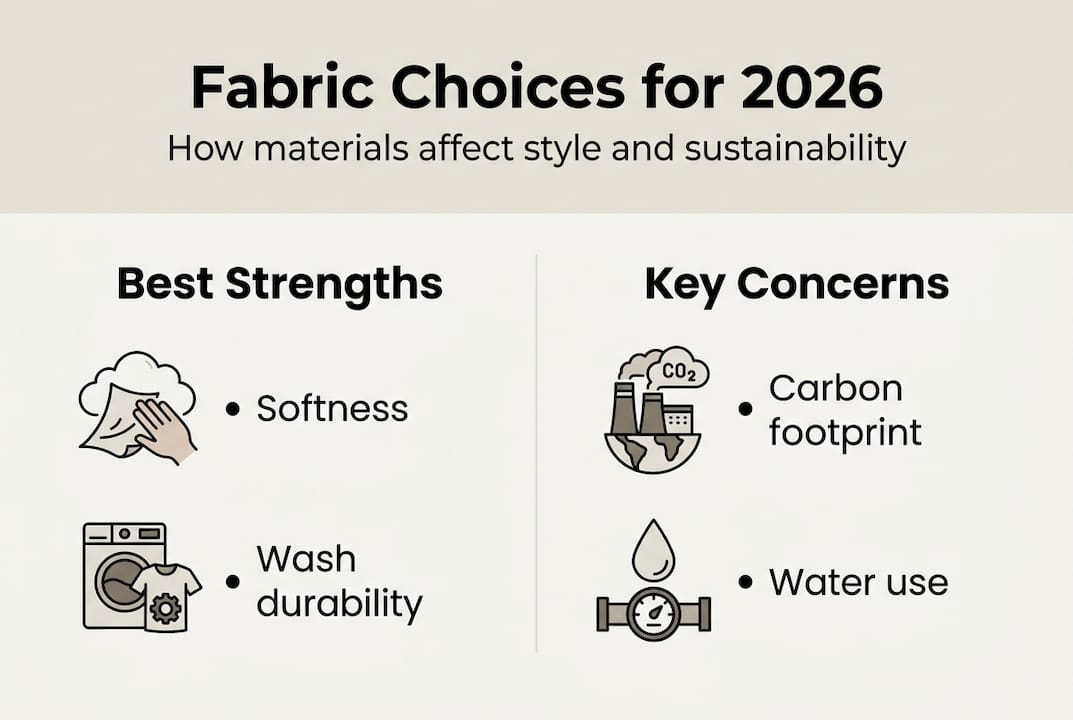
What surprises many shoppers: organic cotton trousers can actually carry a higher carbon footprint than polyester-cotton blends, largely because raw material production dominates the impact calculation. “Eco” is not a simple label.
Despite this complexity, Gen Z and Millennials prioritize sustainable clothing materials for environmental alignment, emotional comfort, and quality. The preference for natural fibers is not just about carbon math. It is about identity, values, and how wearing a garment actually feels. Exploring the full range of types of sustainable fabrics helps you make smarter choices beyond the marketing.
Comfort, durability, and authenticity: Material quality decoded
Once you know the ecological differences, let’s break down how materials shape the everyday experience of wearing your clothes. Quality is not just a price point. It is a physical property you can evaluate before you buy.
High-quality fabrics share a few consistent markers. Look for an even weave with no loose threads or puckering. Hold the fabric up to light: a tight, uniform structure signals better construction. Pull it gently and release it. Good stretch recovery means the fabric returns to its original shape without sagging. Weight matters too. A heavier fabric often (not always) signals denser fiber construction and longer wear.
Here are the key physical clues to fabric quality:
- Weave consistency: Even, tight weave with no visible gaps or distortions
- Stretch recovery: Fabric bounces back after being pulled
- Weight and drape: Heavier fabrics tend to hold shape; good drape indicates quality fiber
- Pilling resistance: Rub the fabric between your fingers. Low-quality blends pill quickly
- Seam alignment: Patterns and textures should match at seams in well-made garments
High-quality fabrics show even weave, good stretch recovery, and appropriate weight. Cotton withstands around 100 washes before showing significant wear, while high-quality synthetics can exceed 500. That durability gap matters for both your budget and your environmental footprint.
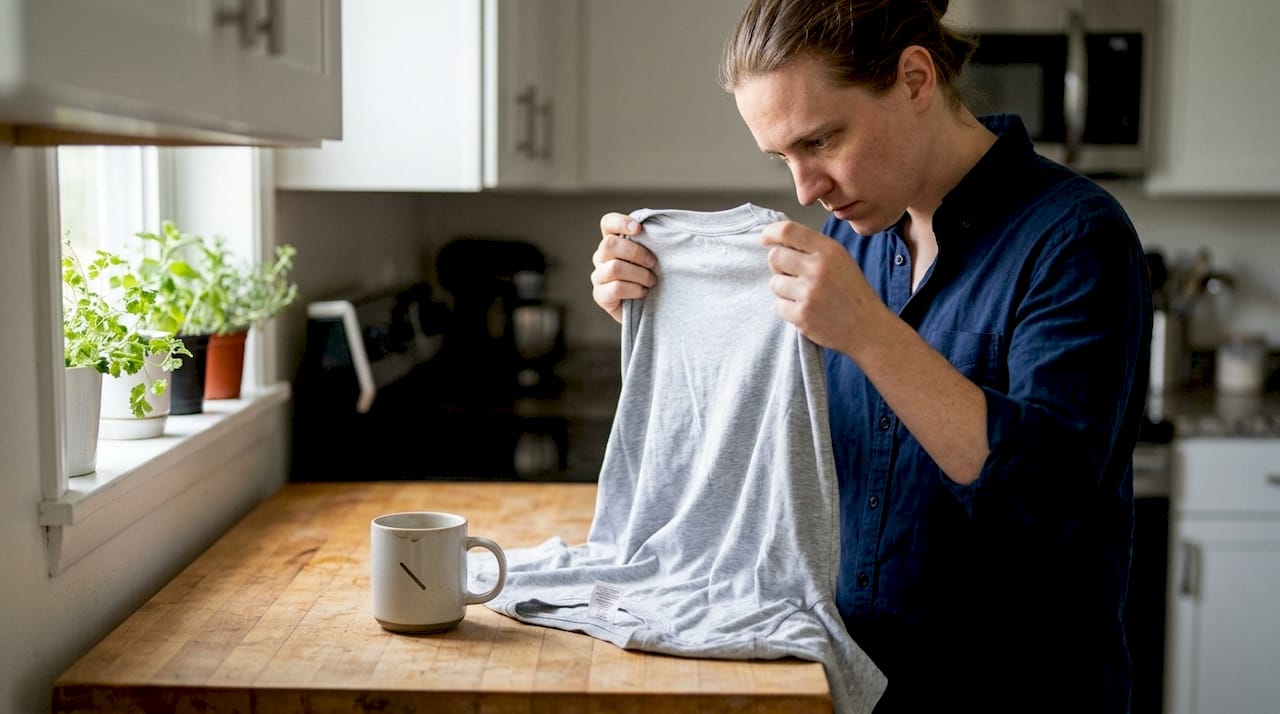
In streetwear specifically, authenticity is tied directly to material. A boxy tee in stiff, thin cotton reads cheap. The same silhouette in a heavyweight organic cotton reads premium. 66% of Gen Z prefer cotton for softness, comfort, and quality, while blends offer durability that extends garment life. The material choice signals something about the brand’s values and, by extension, yours.
Pro Tip: When shopping online, check the fabric weight listed in grams per square meter (GSM). For T-shirts, 180 GSM or above signals a quality, structured feel. Below 140 GSM and you’re likely looking at something that won’t hold its shape past a season.
For eco-conscious streetwear tips that connect material quality to real styling decisions, the overlap between comfort and sustainability is bigger than most people expect.
Sustainability and the style paradox: Why we buy what we buy
Material quality is a big deal for how clothing feels and lasts. So why do so many of us still buy fast fashion, even when we care about sustainability? The answer is more human than it is logical.
“70% of Gen Z report concern about environmental issues in fashion, yet 67% have made purchases from Shein.” This is the attitude-behavior gap in sustainable fashion, and it is not a sign of hypocrisy. It is a sign of real financial and emotional pressure.
The fast fashion cycle is engineered to win. Low prices, constant newness, and social media-driven trend cycles create urgency that overrides longer-term thinking. When a trend piece costs $12, the cognitive math is hard to argue with in the moment.
Here is a clear framework for understanding why the gap exists and how to start closing it:
- Recognize the trigger. Impulse buys are usually driven by trend visibility, not genuine need. Pause before checkout.
- Audit what you already own. Most people wear 20% of their wardrobe 80% of the time. Knowing your actual style reduces novelty-driven purchases.
- Reframe cost per wear. A $90 organic cotton hoodie worn 200 times costs $0.45 per wear. A $20 fast fashion piece worn 10 times costs $2 per wear.
- Start with one category. You don’t have to overhaul everything. Commit to quality basics first: tees, hoodies, and everyday essentials.
- Use material knowledge as a filter. When you know what to look for in a fabric tag, you naturally slow down the buying process.
For deeper streetwear sustainability tips that fit an urban lifestyle, the goal is not perfection. It is progress with intention.
How to choose materials for your style and conscience
Understanding the behavioral paradox, let’s make it actionable. Here’s how you can confidently choose clothes aligned with your values.
Start with the fabric tag. It is the most underused tool in fashion. Look for the fiber content percentage, country of manufacture, and care instructions. High cotton content with a low-impact dye process is a strong baseline. Sustainable materials like recycled and organic cotton reduce environmental impacts in blends, though manufacturing location and energy sources also shape the total footprint.
Here’s a quick reference for matching fabric to style context:
| Style context | Recommended fabric | Why it works |
|---|---|---|
| Streetwear basics | Heavyweight organic cotton | Structure, feel, and longevity |
| Loungewear | Cotton-modal blend | Softness and drape |
| Business casual | Cotton-linen blend | Breathability and polish |
| Active urban wear | Recycled polyester blend | Stretch and durability |
| Layering pieces | Organic cotton fleece | Warmth without bulk |
Cotton withstands about 100 washes, while high-quality synthetics exceed 500. For everyday streetwear pieces, a cotton-forward blend often hits the best balance between feel, durability, and environmental profile.
Key things to check before you buy:
- Fiber content: Look for 100% natural or certified organic when possible
- Certification labels: GOTS (Global Organic Textile Standard) and OEKO-TEX signal verified standards
- Weight: Higher GSM for structured pieces, lower for layering
- Blend ratios: A 70/30 cotton-polyester blend often outperforms 100% polyester for comfort
- Care instructions: Machine washable at low temperatures signals better long-term sustainability
Pro Tip: When evaluating blends, the fiber listed first makes up the majority of the fabric. A “cotton-polyester” label means more cotton than polyester. That order matters for both feel and environmental impact.
For a broader look at sustainable fabric options that work across different urban style contexts, the variety available in 2026 is genuinely impressive.
Why most advice on clothing materials misses the real point
Here’s the contrarian take: obsessing over which specific fiber is the most sustainable can actually distract you from the choices that matter most. The fashion industry loves a new material story. Bamboo, Tencel, and recycled ocean plastic all had their moment as the “answer.” But no single fiber solves the problem if the underlying consumption pattern stays the same.
The most sustainable garment is the one you already own and keep wearing. Longevity beats material purity almost every time. A conventional cotton hoodie worn 300 times has a lower per-wear footprint than an organic cotton version worn 30 times and discarded.
What actually moves the needle is building a wardrobe around pieces you genuinely love, understanding how to care for them properly, and resisting the pull of novelty for its own sake. Checking eco streetwear insights is useful, but the real shift is attitudinal. Quality over quantity is not just a slogan. It is the most practical sustainability framework available to any individual shopper.
Find your next favorite material with Mexess
Now that you know how and why to care about clothing materials, the next step is finding pieces that actually deliver on both style and substance.
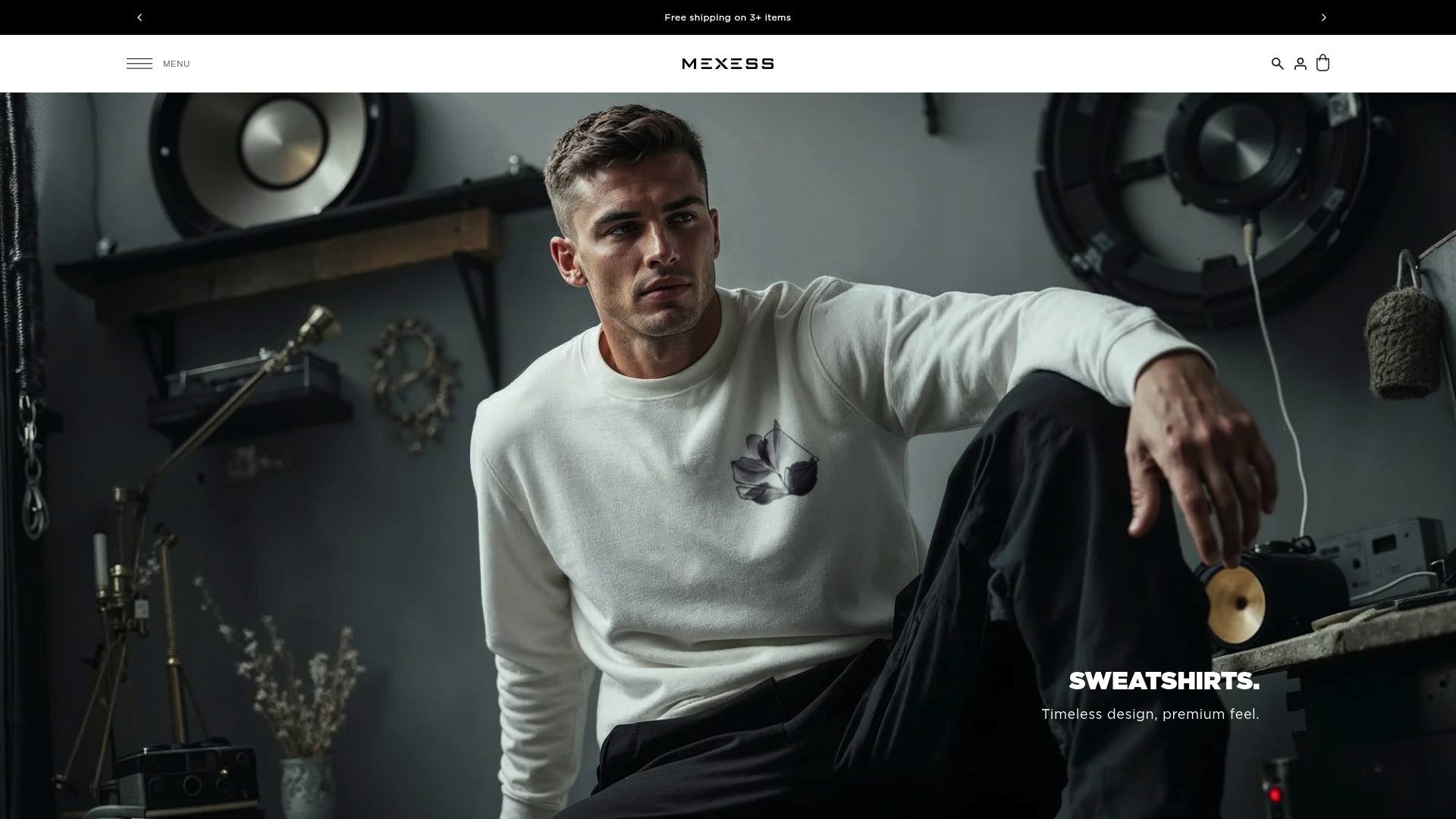
At Mexess, every piece is built around premium organic cotton and thoughtful construction, designed for the way you actually live in the city. From heavyweight tees to structured hoodies, the focus is on garments that feel good, hold their shape, and align with a more conscious approach to getting dressed. If you want sustainable fabric inspiration that connects directly to real wardrobe choices, that’s exactly what the Mexess collection is built around. Your next favorite piece is already there.
Frequently asked questions
What material is best for sustainable streetwear?
Natural fibers like organic cotton, hemp, and blends with recycled materials offer the best mix of sustainability, comfort, and urban style. Gen Z and Millennials pick cotton for comfort and environmental reasons above other fibers.
How can I tell if clothing material is high quality?
Check for even weave, good stretch recovery, and substantial weight, then read the fabric tag for fiber content. High-quality fabrics show consistent weave structure and return to shape after stretching.
Does recycled polyester really lower environmental impact?
It reduces the need for virgin petroleum-based materials, but recycling processes are energy-intensive and benefits vary by region. Recycled polyester lowers material impacts while recycling energy offsets some of those gains.
Why do so many people say they want sustainable clothes but buy fast fashion?
Price, convenience, and social media-driven trend cycles create real pressure that overrides sustainability intentions in the moment. Gen Z values sustainability but still buys fast fashion frequently due to this attitude-behavior gap.
Leave a comment