

Finding organic cotton streetwear that truly aligns with your values can feel complicated when brands throw around so many green tags. For urban professionals committed to a minimalist, sustainable lifestyle, labels like GOTS, OEKO-TEX, and Fairtrade offer crucial insight into a garment’s impact, but the specifics matter far more than just a name drop. This guide equips you to spot real certifications, verify fiber sourcing, and distinguish between genuine sustainability and greenwashing—so your wardrobe stays both premium and truly eco-conscious.
Table of Contents
- Step 1: Research Key Certifications And Materials
- Step 2: Identify Reputable Eco-Labels On Clothing Tags
- Step 3: Examine Fiber Sources And Production Details
- Step 4: Test Fabric Quality And Durability
- Step 5: Verify Brand Transparency And Sustainability Claims
Quick Summary
| Key Point | Explanation |
|---|---|
| 1. Prioritize Key Certifications | Look for certifications like GOTS and Fairtrade to ensure sustainability in fabrics and labor practices. |
| 2. Verify Eco-Labels Carefully | Distinguish legitimate eco-labels from misleading claims by checking for specific certifications and verification details. |
| 3. Understand Fiber Sources | Assess the origin and production methods of materials to gauge environmental impact and sustainability accurately. |
| 4. Evaluate Fabric Quality | Check the weight, texture, and construction of fabrics to ensure durability and long-lasting wear. |
| 5. Seek Brand Transparency | Research brands for clear sustainability practices and third-party verification to validate their environmental claims. |
Step 1: Research key certifications and materials
Now that you understand what sustainable fabrics are, it’s time to learn how to identify them. Certifications are your roadmap to spotting genuinely sustainable pieces versus greenwashing marketing. They tell you exactly what standards a brand met and which aspects of sustainability matter most.
Start by familiarizing yourself with the major certifications that appear on quality streetwear and everyday essentials.
GOTS (Global Organic Textile Standard) is the gold standard you’ll want to prioritize. This certification covers the entire supply chain, from growing organic cotton through manufacturing and finishing. Brands displaying GOTS certification have met strict environmental and social criteria, meaning fewer chemicals in production, better worker conditions, and cleaner water usage throughout.
BCI (Better Cotton Initiative) takes a different approach, focusing on scalability rather than full organic certification. If a brand uses BCI cotton, it means they’re sourcing from farmers using responsible practices at scale. This matters for accessibility—not every production can source 100% organic, but BCI proves a commitment to improvement.
OCS (Organic Content Standard) verifies the actual percentage of organic fiber in a finished product. When you see this label, you know exactly how much organic material is in your hoodie or T-shirt, not just a vague claim.
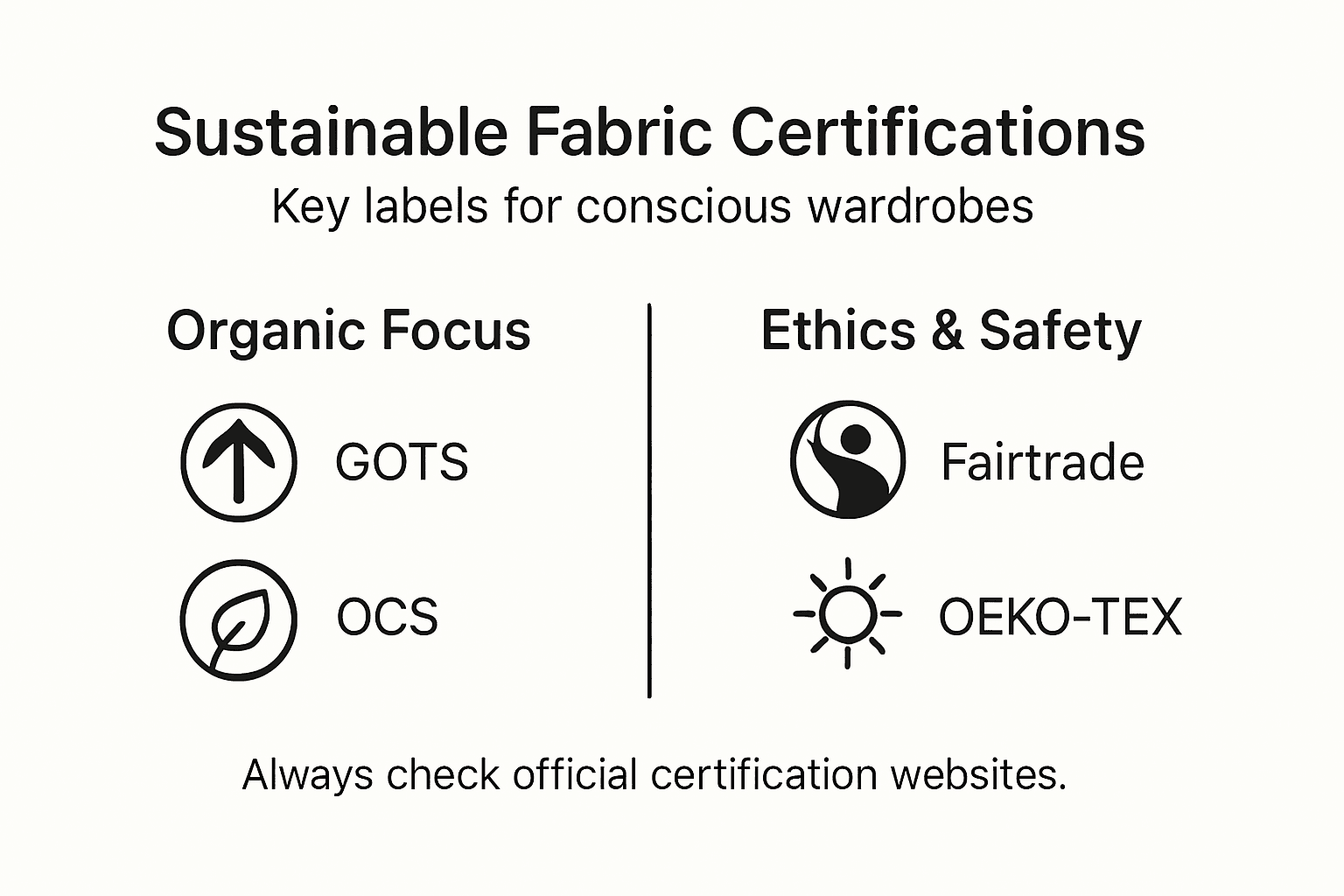
Fairtrade Cotton prioritizes fair wages and direct farmer support. This certification tells you workers and cotton growers were paid fairly, which resonates strongly if labor practices matter to you.
Other certifications worth knowing include OEKO-TEX Standard 100 (focused on chemical safety in finished products) and the broader materials sourcing framework by Textile Exchange, which tracks sustainability across entire supply chains.
Each certification targets different aspects. Some emphasize environmental impact, others social responsibility, others transparency. As you shop, look for brands that display multiple certifications—this signals a layered commitment to sustainability.
Here’s how leading sustainable fashion certifications differ:
| Certification Name | Main Focus | Verification Level |
|---|---|---|
| GOTS | Full organic supply chain & social standards | Rigorous, third-party |
| BCI | Scalable, responsible cotton farming | Moderate, monitored |
| OCS | Organic content by percentage | Third-party verified |
| Fairtrade Cotton | Fair wages & direct farmer support | Strict, externally audited |
| OEKO-TEX | Chemical safety in finished products | Independent laboratory |
| bluesign | Chemical and resource efficiency in production | Comprehensive, third-party |
Create a simple checklist of certifications that matter to you personally. Do you prioritize organic sourcing? Fair labor? Chemical safety? Use this to filter your research when evaluating brands and materials.
The best sustainable piece is one where the certification matches your values, not just any label on the tag.
Next, you’ll want to understand how these certified materials actually feel and perform in everyday wear. Quality isn’t just about certification—it’s about how the fabric holds up, feels against your skin, and fits your lifestyle.
Pro tip: Check brand websites or product pages directly for certification badges and documentation. Most premium organic streetwear brands display these prominently and often link to third-party verification—this transparency is a strong signal of credibility.
Step 2: Identify reputable eco-labels on clothing tags
You’ve researched certifications, now it’s time to spot them in the real world. When you flip over a streetwear piece or check a product page, you’ll encounter various logos and labels claiming sustainability. Learning to distinguish legitimate eco-labels from vague marketing claims is critical for making informed purchases.
Start by examining the tag or product description carefully. Reputable eco-labels display specific certification names and often include verification details. Look for logos that are crisp, professional, and accompanied by explanatory text—not just a generic green leaf or nature-inspired design.
The most trustworthy labels you’ll encounter include the following:
- GOTS displays the organic standard symbol and certifies the entire supply chain
- OEKO-TEX Standard 100 shows a clear certification mark and chemical safety verification
- Fairtrade presents its distinctive label with fair wages and farmer support details
- bluesign marks products with strict chemical regulations throughout manufacturing
- FSC certified materials indicate responsible forest or plant-based fiber sourcing
Here’s the critical part: over 400 sustainability certifications exist globally, which means not every label carries equal weight. Some certifications are rigorous and third-party verified, while others reflect minimal standards or industry self-policing.
Check whether the label includes a certification number or reference code. Legitimate certifications allow you to verify the claim by searching the issuing organization’s registry. If a tag claims sustainability but provides no way to verify it, that’s a red flag.
Look beyond the front label. Responsible brands often include supply chain transparency on their website, showing where materials came from and how they were produced. This goes beyond the label itself and demonstrates genuine commitment rather than greenwashing.
Pay attention to specificity in the language. Does the label claim “eco-friendly” (vague) or “certified organic cotton by GOTS” (specific)? Vague terms without certification backing are marketing noise. Specific certifications with verifiable standards are what you want.
A legitimate eco-label tells a clear story about what was verified, by whom, and why—not just that something is “sustainable.”
When building your eco-conscious streetwear wardrobe, cross-reference the certifications you see with those you researched. Does the brand display multiple labels addressing different aspects of sustainability? This signals thorough vetting across environmental impact, chemical safety, and labor practices.
Pro tip: Screenshot or bookmark the official certification websites so you can quickly verify label authenticity while shopping. Most legitimate certifications have searchable databases where you can confirm whether a brand actually holds that certification.
Step 3: Examine fiber sources and production details
Now that you can identify legitimate eco-labels, dig deeper into where materials actually come from and how they’re made. The fiber source and production method determine whether a piece truly aligns with your values or simply looks sustainable on the surface.
Start by understanding the major fiber categories you’ll encounter in quality streetwear. Natural fibers like organic cotton, hemp, and flax come from renewable plant sources and biodegrade naturally. Synthetic fibers like polyester derive from fossil fuels and persist in landfills for decades. Between them sit semi-synthetic options like viscose, which uses plant cellulose but requires chemical processing.
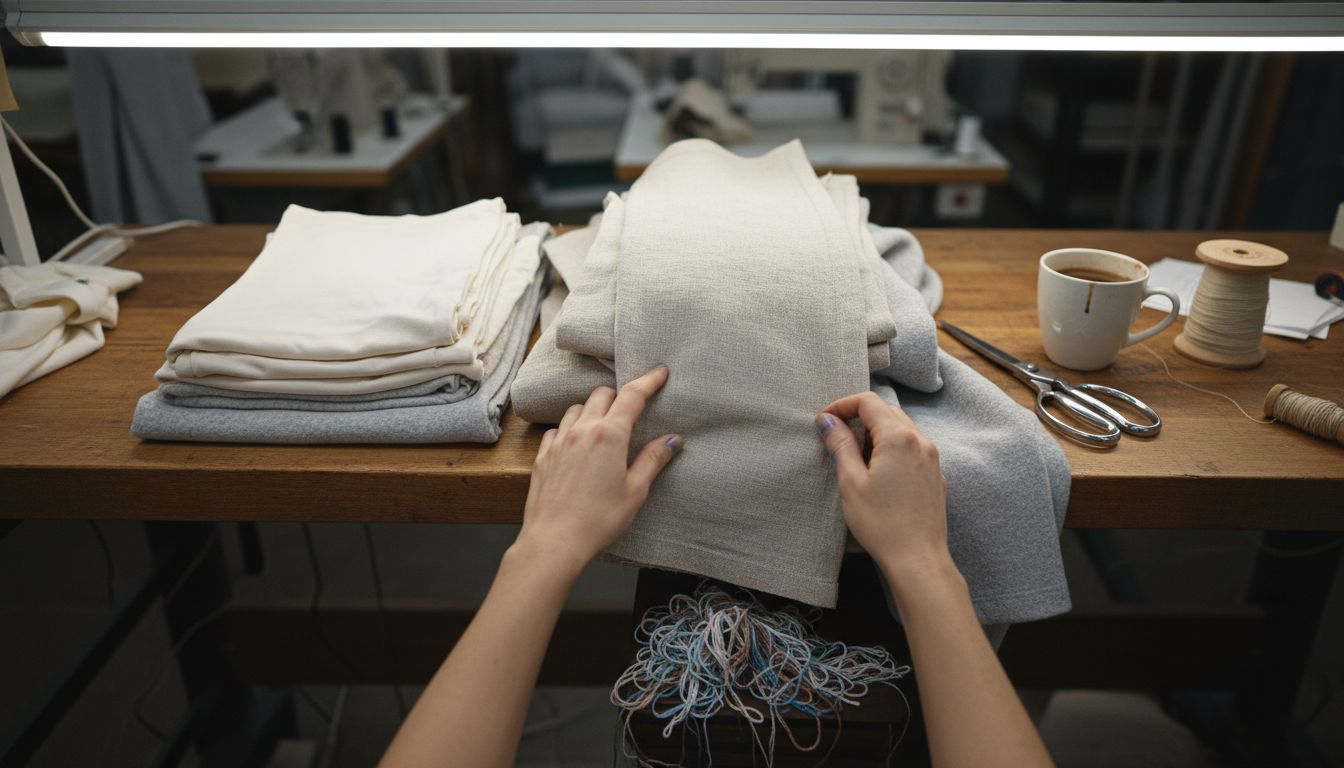
Natural fibers such as cotton and hemp offer biodegradability and lower environmental impact, though their sustainability depends heavily on how they’re grown and processed. This is where production details matter enormously.
When examining a product, look for these production specifics:
- Origin of the raw material (which country or region grew it)
- Growing practices (pesticide use, water consumption, soil health)
- Processing methods (water usage, chemical treatments, energy sources)
- Manufacturing location and worker conditions
- Transportation distance to your location
Ask yourself what you can actually verify. Does the brand disclose where cotton was grown? Can you trace it to specific farms or at least specific regions? Vague claims about “sustainably sourced” mean nothing without geographic specificity.
Compare organic cotton versus conventional cotton production in your research. Organic eliminates synthetic pesticides and fertilizers, reducing water pollution and soil degradation. Conventional cotton uses intensive chemicals that harm ecosystems and farm workers. This difference shows up in certifications like GOTS, which verify the entire farming and manufacturing chain.
Production details also reveal chemical safety. Even if cotton is organic, harsh chemicals during dyeing and finishing can contaminate the final product. This is where OEKO-TEX Standard 100 certification becomes valuable, as it tests the finished garment for harmful substances.
The most sustainable fiber means nothing if it’s processed with toxic chemicals or shipped halfway around the world unnecessarily.
Read product descriptions carefully for production transparency. Premium streetwear brands often highlight their supply chain choices because they’re proud of them. If the brand avoids discussing where and how pieces are made, that’s telling.
Pro tip: Contact brands directly with specific questions about fiber sourcing and production methods. Transparent companies respond quickly and provide detailed answers. If a brand ignores your questions or gives vague responses, that’s a red flag about their actual commitment to sustainability.
Step 4: Test fabric quality and durability
Sustainability isn’t just about where fabric comes from—it’s about how long your piece actually lasts. A cheap synthetic shirt you wear three times before discarding is far less sustainable than a quality organic cotton hoodie you wear for years. This step teaches you to evaluate whether a garment will hold up to real life.
Start by examining the fabric itself before you buy. Run your hand across it and notice the weight and texture. Heavier fabrics generally last longer than thin, flimsy ones. A substantial organic cotton T-shirt feels noticeably different from a cheap alternative—there’s density and resilience in the material.
Check the yarn construction next. Look closely at seams and the fabric weave. Tightly woven fabrics resist tearing and pilling better than loose, open weaves. Premium streetwear brands invest in superior yarn quality, which you can feel immediately. Dense, well-constructed fabric moves differently and feels more substantial in your hands.
Testing fabric durability involves measuring resistance to abrasion, pilling, tearing, and colorfastness. Brands that share durability test results demonstrate confidence in their garments. When researching pieces, look for mentions of these tests or certifications that verify durability standards.
Evaluate specific durability markers:
- Seam strength (tight, even stitching with no loose threads)
- Fabric weight (measured in grams per square meter, heavier typically lasts longer)
- Pilling resistance (lower pilling means longer lifespan and better appearance)
- Color fastness (fabric maintains color after washing, indicating quality dyes)
- Finishing quality (hems and cuffs sewn cleanly without fraying)
Examine the seams closely. Premium construction shows consistent, tight stitching with secure knots. Loose, uneven stitching indicates the garment will fall apart after a few washes. This is especially visible at stress points like armholes and cuff connections.
Color intensity matters too. Vibrant, even coloring suggests quality dyes and proper finishing. Dull or patchy coloring often indicates shortcuts in production. Quality dyes also hold up better through multiple washes, preserving the piece’s appearance longer.
A garment that lasts five years is five times more sustainable than one that lasts one year, regardless of its materials.
Read customer reviews before purchasing. Real users reveal how pieces hold up after months of wear. Look for comments about fabric softness after washing, whether colors fade, and whether seams stay intact. Patterns in reviews tell you far more than marketing claims.
Compare fabric quality across brands in your price range. MEXESS sweatshirts demonstrate quality construction that balances sustainability with durability, helping you understand what to look for in premium organic pieces.
Pro tip: Buy one quality piece from a new brand before committing to a full wardrobe. Wash and wear it multiple times to test how the fabric actually performs. If seams hold, colors remain vibrant, and the piece feels better after washing, you’ve found a trustworthy sustainable brand.
Step 5: Verify brand transparency and sustainability claims
You’ve learned what to look for in sustainable fabrics, but the final test is evaluating whether a brand actually walks the talk. Anyone can claim to be sustainable. What separates genuine commitment from marketing hype is transparency, verification, and accountability.
Start by checking what information the brand voluntarily shares. Visit their website and look for a dedicated sustainability page or impact report. Brands serious about sustainability provide detailed breakdowns of their practices, not vague platitudes. They explain where materials come from, how garments are made, and what certifications they hold.
Look for specific numbers and data. A brand claiming to reduce emissions should show you by how much and over what timeframe. Vague statements like “we’re committed to sustainability” mean nothing without measurable proof. Real transparency includes percentages of organic materials used, water savings, carbon footprints, or worker wage improvements.
Brand transparency is validated through programs like Textile Exchange’s Materials Benchmark, where companies disclose fiber sourcing and sustainability efforts in detail. Brands participating in these accountability frameworks have submitted to third-party review and public reporting. This matters because it means their claims are verified, not just self-declared.
Evaluate these transparency markers:
- Third-party certifications and audit results displayed publicly
- Supplier and manufacturing location information disclosed
- Sustainability metrics and progress toward specific goals
- Third-party verification or certification documentation
- Clear explanation of material sourcing practices
- Worker wages and labor condition standards outlined
Check for independent verification. Does the brand display certifications from recognized organizations, or are claims entirely self-reported? Third-party audits and certifications carry far more weight because an external party verified them. Be skeptical of brands that only reference internal sustainability initiatives with no external verification.
Research the brand’s history and track record. New claims should be backed by demonstrated action. If a brand recently pivoted to sustainability marketing but previously ignored environmental practices, their credibility is questionable. Consistent effort over years shows genuine commitment.
Visit the brand’s corporate social responsibility page and look for annual sustainability reports. Premium brands often publish transparent documentation of their impact, challenges, and future plans. This openness demonstrates confidence in their work and accountability to consumers.
Authentic sustainability isn’t flashy marketing—it’s detailed, verifiable data showing real progress toward measurable goals.
Compare claims across multiple sources. Don’t rely solely on the brand’s own website. Check independent review sites, certifications bodies, and customer feedback about whether the brand actually delivers on promises. Learning the organic apparel buying process helps you understand how to evaluate brand credibility throughout your purchase journey.
Refer to this quick guide when evaluating a brand’s transparency:
| Transparency Marker | What to Look For | Why It Matters |
|---|---|---|
| Public sustainability data | Detailed reports with statistics | Shows measurable progress |
| Certification display | Official badges and codes provided | Signals verified claims |
| Supplier disclosures | Factory and location details shared | Enables supply chain tracing |
| Response to inquiries | Detailed, timely answers to questions | Demonstrates openness |
| External audits | Participation in recognized benchmarks | Confirms impartial oversight |
Pro tip: Email brands directly with specific questions about their sustainability claims and ask for proof like certification documents or impact reports. Transparent companies respond quickly and thoroughly. If a brand ignores your questions or becomes defensive, that’s a clear signal their sustainability claims aren’t as solid as they appear.
Build Your Conscious Wardrobe with Premium Certified Fabrics from MEXESS
Understanding how to spot sustainable fabrics means being able to demand more from your clothing. If you value certifications like GOTS and OEKO-TEX, transparent sourcing, and durable fabric quality, you deserve streetwear that delivers on those promises without compromise. Many shoppers wrestle with vague sustainability claims and greenwashed labels, but MEXESS takes the complexity out by offering curated collections crafted from premium organic cotton and rigorously verified materials. Our minimalist urban essentials are designed for comfort, longevity, and genuine eco-consciousness.

Explore our range of hoodies, sweatshirts, and T-shirts that embody real transparency and sustainability at MEXESS. Discover detailed product stories that highlight certifications and sourcing right on the product pages so you can shop with confidence. Ready to replace hesitation with clarity? Visit MEXESS now and start building a wardrobe where quality, style, and sustainability meet effortlessly.
Frequently Asked Questions
What key certifications should I look for to identify sustainable fabrics?
To identify sustainable fabrics, prioritize certifications like GOTS (Global Organic Textile Standard) and OCS (Organic Content Standard). These certifications ensure environmentally friendly practices and social responsibility throughout the supply chain. Research these certifications to determine which align with your values and can help guide your choices.
How can I recognize reputable eco-labels on clothing tags?
Examine clothing tags for specific certifications that indicate genuine sustainability, such as GOTS, Fairtrade, and OEKO-TEX. Look for crisp logos accompanied by explanatory text, as vague symbols or design elements often lack credibility. Familiarize yourself with the most common eco-labels to better spot them during your shopping.
What details should I examine about fiber sources and production methods?
Look for information on the origin of the fibers, the growing practices used, and the manufacturing processes involved in creating the garment. Check for details like the use of pesticides, water consumption, and labor conditions. This helps you assess whether the piece aligns with your sustainability values and is produced responsibly.
How do I test fabric quality and durability before purchasing?
Evaluate the fabric by feeling its weight and texture; heavier fabrics tend to last longer. Inspect seams for tight, even stitching and check for tight weaves, as these factors often signal quality construction. Perform this examination before buying to ensure you’re selecting a durable piece that will withstand wear over time.
How important is brand transparency in sustainability claims?
Brand transparency is crucial for validating sustainability claims; check if a brand provides detailed information on its practices and certifications. Look for data-backed achievements rather than vague statements. This ensures you are choosing brands committed to real sustainable practices rather than relying on marketing hype.
How can I verify a brand’s sustainability claims?
To verify a brand’s sustainability claims, check their website for an impact report or sustainability page that includes specific metrics and progress updates. Inquire about third-party certifications and look for supplier and manufacturing location information. Proactively ask brands questions to gauge their transparency and commitment to authentic sustainability.
Αφήστε ένα σχόλιο