
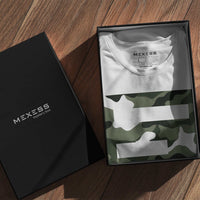

Streetwear looks easy until you start buying it. One hoodie is boxy in the right way. Another just looks oversized. One tee holds its shape after months of wear. Another twists at the seams after two washes. That is why men’s streetwear brands are worth comparing beyond logos, drops, and social buzz.
The best brands do more than follow trend cycles. They build a point of view through fit, fabric, construction, and consistency. Some lean graphic-heavy and collectible. Some focus on clean essentials. Some sit at the luxury end, while others offer premium quality without pushing into markup-driven pricing. If you want a sharper wardrobe, it helps to know what separates one lane from another.
What sets the best men’s streetwear brands apart
Streetwear is no longer a niche. It is part of the everyday wardrobe - on campus, in studios, at airports, and across city routines. That wider reach has made the category more crowded, which means the real difference is usually in execution.
Fit is the first filter. Strong streetwear silhouettes tend to look intentional, not accidental. That might mean a heavyweight hoodie with a structured drape, a T-shirt with a slightly dropped shoulder, or outerwear that layers cleanly without bulk. Good fit creates shape. Bad fit just creates extra fabric.
Fabric matters just as much. Premium streetwear has a certain weight and surface to it. Organic cotton jersey feels smoother and more substantial than thin basics made to hit a low price. Brushed fleece can add comfort, but density and recovery are what keep a sweatshirt looking refined after repeated wear. When a brand gets fabric integrity right, the piece feels better on day one and still works months later.
Then there is branding. Some of the strongest men’s streetwear brands are loud by design. Big graphics, recognizable logos, limited drops. Others take the opposite route and build identity through restraint. Minimal branding, neutral palettes, iconic silhouettes. Neither approach is automatically better. It depends on how you want your wardrobe to function.
The main types of men’s streetwear brands
Not every streetwear brand is trying to do the same job. Understanding the category helps you buy with more clarity.
Hype-driven labels
These brands run on scarcity, collaborations, and cultural relevance. The appeal is obvious. You are not just buying a garment. You are buying timing, visibility, and community recognition. The trade-off is that hype can inflate pricing and make styling less flexible. Pieces with strong graphics or trend-specific references may not age as well as cleaner staples.
Luxury streetwear labels
This lane blends streetwear codes with premium branding, designer influence, and elevated pricing. You may get strong fabric, sharper finishing, and more fashion-led cuts. You may also pay heavily for name value. If you care about exclusivity and runway influence, luxury streetwear can make sense. If your goal is daily wear and long-term versatility, price-to-wear starts to matter more.
Premium essentials brands
This is where a lot of modern shoppers are landing. The focus is less on hype and more on wardrobe function. Think heavyweight hoodies, structured sweatshirts, clean tees, polished polos, and outerwear that works across seasons. The best brands in this space offer timeless urban design, premium feel, and easy styling without overloading every piece with branding.
Sustainable streetwear brands
This category is growing for good reason. More shoppers want organic cotton, responsible sourcing, and long-lasting construction instead of disposable trend turnover. But sustainability claims deserve a closer look. Some brands lead with eco language while still producing low-quality product. The stronger brands connect conscious materials with durability, because a garment that lasts is better for both your wardrobe and overall consumption.
How to evaluate men’s streetwear brands before you buy
A strong brand image can pull you in fast. The smarter move is to check the product details that actually shape wear.
Start with fabric composition
If a T-shirt or hoodie is central to your wardrobe, look at the cotton quality first. Organic cotton is a strong sign when it is paired with substantial fabric weight and thoughtful finishing. Lightweight fabric is not always bad, especially for summer, but in streetwear basics, more structure usually gives you a cleaner silhouette.
Look at the cut, not just the size chart
Oversized is not a universal standard. One brand’s relaxed fit can feel cropped and boxy. Another can feel long and loose. Product photos help, but so do garment measurements, shoulder lines, and hem shape. The best streetwear fits feel balanced. Roomy enough to look current, clean enough to stay versatile.
Check construction details
Rib quality, collar shape, seam finishing, and fabric recovery are easy to overlook online. They also separate throwaway basics from elevated essentials. A strong collar holds its form. Cuffs should not stretch out too fast. Fleece should stay dense rather than flattening after a few washes. These details affect how premium a piece feels over time.
Pay attention to styling range
Some brands make standout pieces. Others make wardrobes. There is value in both, but if you want more wear from fewer items, versatility matters. A clean hoodie in a solid neutral can work with denim, cargos, tailored pants, or shorts. A graphic-heavy piece may still be worth it, but it usually plays a narrower role.
Why minimalist streetwear is getting stronger
Streetwear used to be judged heavily by visibility. Louder graphic language, bigger logos, harder-to-get pieces. That is still part of the culture, but many shoppers are shifting toward a quieter version of the same attitude.
Minimalist streetwear works because it leaves room for repetition. You can wear the same heavyweight sweatshirt three times in a week and style it differently each time. You can travel with fewer pieces. You can build outfits faster. For people moving away from fast fashion, that flexibility matters.
It also tends to age better. Trend-led prints can feel tied to one moment. Clean essentials stay relevant because the silhouette carries the style. A structured hoodie, a premium tee, and a modern jacket do not need much decoration when the fit and fabric already look considered.
That is where brands with a premium essentials approach stand out. They give you streetwear energy without making every outfit depend on a logo. MEXESS fits this lane well, especially for shoppers who want organic fabrics, elevated basics, and city-ready silhouettes that feel easy rather than overworked.
Price, value, and the real cost of streetwear
Streetwear pricing can be misleading. A cheaper hoodie is not always better value if it loses shape fast, fades unevenly, or feels rough after a few washes. At the same time, a high price does not guarantee quality. Sometimes you are paying for reputation more than product.
A better question is simple: how often will you wear it, and how well will it hold up? If a premium sweatshirt becomes part of your weekly rotation for two years, it may outperform cheaper alternatives by a wide margin. The same logic applies to tees, outerwear, and sweatpants.
This is where long-lasting construction matters. Better cotton, more stable stitching, and refined finishing usually cost more upfront. But they also reduce replacement cycles. For shoppers trying to build a cleaner wardrobe with fewer regrets, that trade-off often makes sense.
Building your shortlist of men’s streetwear brands
The right shortlist depends on what you actually want from your wardrobe. If you collect rare pieces and follow every drop, you will probably prioritize cultural relevance and exclusivity. If you want everyday performance, clean styling, and stronger cost per wear, premium essentials brands should move higher on your list.
Start with your core categories. Most men do not need ten experimental jackets. They need a few reliable pieces that carry most outfits - a heavyweight hoodie, a structured sweatshirt, premium T-shirts, versatile outerwear, and pants that work with sneakers and boots alike. Once those foundations are covered, statement pieces make more sense.
It also helps to think seasonally. The best streetwear wardrobes are layered, not random. In colder months, weight and texture do more work. In warmer months, fit, fabric breathability, and color become more important. A strong brand should be able to support both without losing its identity.
The smartest buy is usually the one you can wear with almost everything you already own. That may sound less exciting than chasing the next drop, but it is how good wardrobes get built. Focus on brands that respect silhouette, material quality, and repeat wear. The style will follow naturally.
The best men’s streetwear brands are not just selling image. They are shaping how a piece feels, fits, and lasts in real life. If you shop with that standard, your wardrobe gets cleaner, stronger, and easier to wear every day.
Leave a comment