

Finding the right size for sustainable streetwear can feel tricky when every brand’s sizing is unique. Accurate body measurements are the first step toward hassle-free shopping that matches your values and urban lifestyle. This guide helps you use body measurements and size charts to get a comfortable fit and boost your confidence in premium pieces designed for minimalistic, eco-friendly looks.
Table of Contents
- Step 1: Measure Your Body for Accurate Sizing
- Step 2: Compare Measurements with Size Charts
- Step 3: Evaluate Fit Preferences for Urban Style
- Step 4: Check Fabric Stretch and Material Details
- Step 5: Verify Fit with Reviews and Return Policies
Quick Summary
| Key Point | Explanation |
|---|---|
| 1. Accurate measurements are crucial | Measure your body carefully to avoid sizing errors when ordering streetwear. Proper fitting garments enhance your style. |
| 2. Always compare measurements with size charts | Match your personal body measurements to brand-specific size charts to select the right size and minimize return issues. |
| 3. Consider fabric stretch and type | Different fabrics behave differently. Factor in the material’s stretch and weight when determining your size for optimal fit. |
| 4. Read customer reviews for fit insights | Look for reviews from similar body types to gauge how the garment fits, helping you make confident purchasing decisions. |
| 5. Understand the return policy before buying | Check the return policy details to ensure you’re protected if the fit is not as expected, allowing flexibility in your sizing choice. |
Step 1: Measure Your Body for Accurate Sizing
Accurate measurements are the foundation of nailing your streetwear fit. When you measure properly, you eliminate the guesswork that leads to ordering a size that doesn’t work with your body.
Start by putting on fitted clothing or minimal layers—nothing baggy or oversized. You want to measure your actual body, not extra fabric. Stand naturally in front of a mirror with your arms relaxed at your sides.
Here’s what you need:
- A flexible tape measure (the kind used for sewing, not a metal ruler)
- A notebook or phone to record measurements
- A friend or partner to help (optional but useful for hard-to-reach spots)
- A mirror to ensure proper positioning
Taking precise measurements takes five minutes and prevents months of styling frustration with poorly fitting pieces.
When you take body measurements versus garment measurements, you’re measuring directly against your skin. Keep the tape snug but not tight—it should sit comfortably without compressing your skin or leaving marks.
Measure these key areas for streetwear:
- Chest or bust: Wrap the tape around the fullest part of your chest, keeping it parallel to the floor.
- Waist: Measure at your natural waist, where your torso naturally bends when you lean slightly to the side.
- Hips: Measure around the fullest part of your hips and thighs.
- Shoulder width: Measure from shoulder point to shoulder point across your back (have a friend help here).
- Sleeve length: Measure from the center back neck down to your wrist with your arm slightly bent.
- Inseam: Measure from your inner thigh to your ankle (relevant if you’re buying streetwear pants or joggers).
Write down every measurement immediately. Don’t rely on memory—small errors compound when you’re comparing against brand sizing charts.
Here’s a quick reference comparing body measurements and garment measurements for streetwear sizing:
| Aspect | Body Measurement | Garment Measurement | Why It Matters |
|---|---|---|---|
| Taken from | Directly on skin | On clothing item | Ensures accurate size |
| Tape positioning | Snug but comfortable | Stretched flat on garment | Avoids guesswork |
| Includes ease? | No | Yes | Accounts for fit preference |
| Used for | Finding personal size | Choosing matching garment | Prevents sizing errors |
Pro tip: Measure yourself twice on the same day to catch mistakes, then average the two readings for maximum accuracy when comparing against size guides.
Step 2: Compare Measurements with Size Charts
Now that you have your measurements, it’s time to match them against brand size charts. This is where the real precision happens because garment sizes aren’t one-size-fits-all.
Every brand builds in ease (extra room for comfort and movement) differently. A size medium from one streetwear brand might fit completely different than a size medium from another. That’s why comparing your body measurements to the actual garment measurements listed on size charts prevents costly returns and disappointing fits.
Here’s your process:
- Find the brand’s size chart on the product page or their sizing guide section.
- Locate your key measurements in the chart (chest, waist, hips, sleeve length).
- Match your body measurements to the garment measurements, not just the size labels.
- Note which size range fits best across multiple measurements (you want consistency).
- Account for fit preference (do you like relaxed fits or more tailored cuts?).
When you understand how garment measurements differ from body measurements, you’re comparing apples to apples. Your 38-inch chest measurement should match against the actual chest width of the garment, not just pick a size label.
Size charts are your secret weapon—they eliminate guessing and guarantee you order pieces that actually work for your body.
Pay attention to these details:
- Chest ease: Most streetwear brands add 2-4 inches of ease for a relaxed fit.
- Sleeve length: Urban styles often run longer for layering and attitude.
- Torso length: Oversized fits intentionally sit lower; check if that matches your preference.
- Shoulder width: This measurement rarely has much ease, so it should closely match your shoulder measurement.
If two sizes feel close, choose based on your personal style. Prefer relaxed, oversized streetwear? Go slightly larger. Want a more fitted silhouette? Stick closer to your exact measurements.
Pro tip: Create a personal size reference sheet for each brand you buy from, noting which size consistently fits you best—this saves time on future purchases and eliminates second-guessing.
Step 3: Evaluate Fit Preferences for Urban Style
Your personal fit preference is the final piece of the sizing puzzle. Even with perfect measurements, choosing the wrong silhouette kills your urban aesthetic before you even leave home.
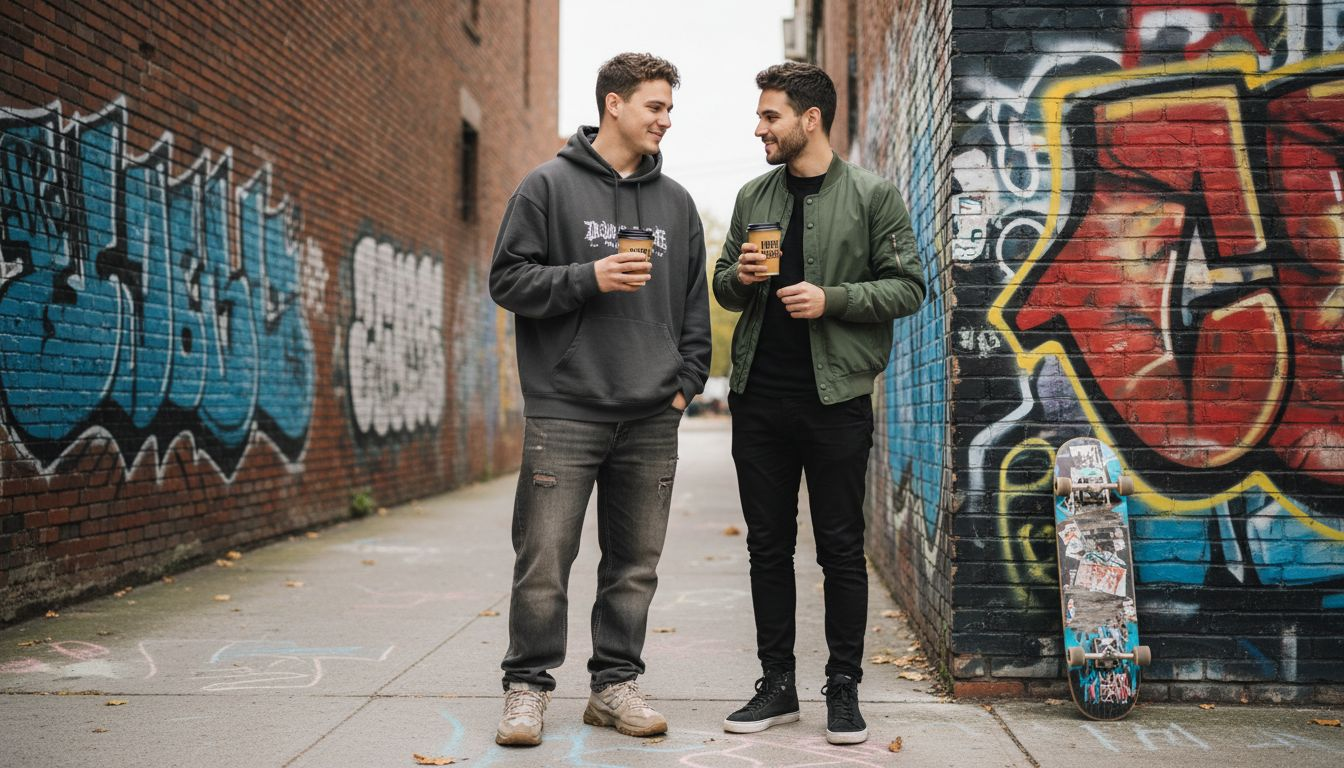
Streetware is about expressing your identity through how clothes sit on your body. Some pieces work oversized and relaxed, while others demand a more structured fit. Your preference shapes which size you ultimately choose.
Consider these fit styles:
- Oversized and relaxed: Extra room through chest, shoulders, and sleeves for that effortless streetwear attitude.
- Slightly roomy: Comfortable fit with intentional ease but not exaggerated volume.
- Fitted: Closer to your body without compression, emphasizing your silhouette.
- Cropped or tailored: Shorter lengths or shaped cuts for modern, refined urban looks.
Your perfect size isn’t about the number on the tag—it’s about how the piece makes you feel when you wear it.
Ask yourself these questions to nail your preference:
- Do you layer frequently? Oversized cuts work better for stacking pieces.
- What’s your everyday activity level? More movement means you want comfortable ease.
- How do you want to feel in your clothes? Confident, relaxed, bold, or understated?
- What’s your body type and proportions? Certain fits naturally complement your frame.
When you understand that streetwear serves as a platform for self-expression and cultural identity, you realize your fit choice communicates something about who you are. Urban style isn’t one-size-fits-all because urban culture celebrates individuality.
Test your preference logic:
If you typically size up for comfort, check whether you’re actually looking for oversized fit or just uncomfortable in your current size. Oversized streetwear is intentional design, not poor fit. If you usually size down to feel more defined, consider whether fitted pieces genuinely match your lifestyle or if you’re forcing a silhouette that doesn’t work.
Pro tip: Order two sizes if the brand allows returns, wear them around your home for an hour, then decide which feels authentically you—sometimes fit preferences shift once you experience how pieces actually wear throughout your day.
Step 4: Check Fabric Stretch and Material Details
Fabric composition directly impacts how a garment fits and moves on your body. A size medium in rigid cotton sits completely different than a size medium in a stretchy blend.
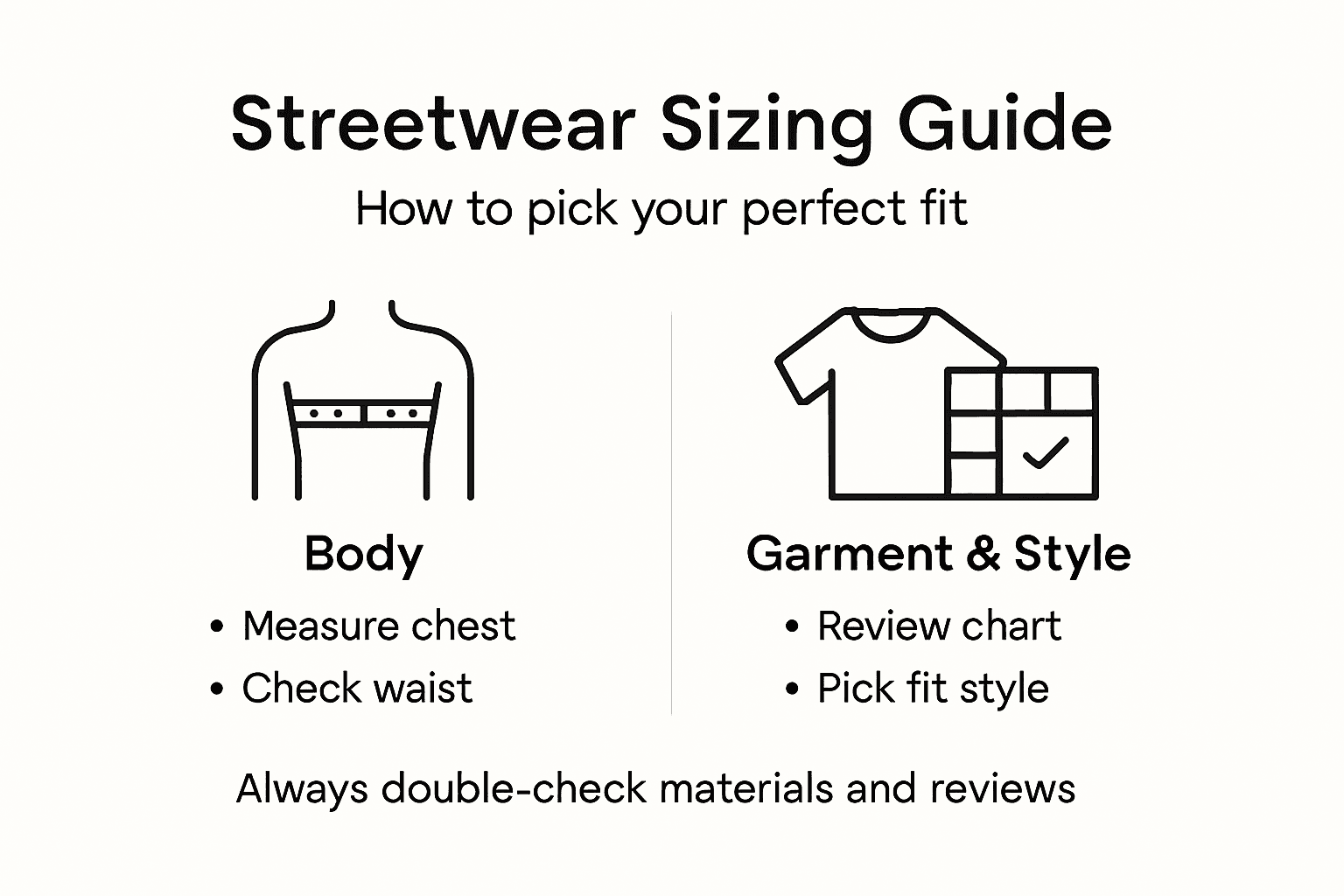
Before finalizing your size choice, examine the fabric blend listed on the product page. This single detail changes everything about fit expectations and long-term durability.
Look for these key fabric components:
- Cotton percentage: Higher cotton means breathability but less stretch. Pure organic cotton typically has minimal give.
- Elastane or spandex: Even 2-5% elastane adds significant stretch and recovery. This fabric bounces back after wear.
- Polyester blends: Synthetic fibers add durability, moisture-wicking, and shape retention for urban lifestyle demands.
- Weight: Heavier fabrics (14-18 oz) hold their shape better in oversized fits. Lighter fabrics drape differently.
A fabric blend with elastane moves with you all day, while pure cotton requires more precise sizing to avoid feeling restrictive.
Understand how stretch fabrics enable comfort and flexibility in urban apparel. Two-way stretch (horizontal and vertical movement) is standard in modern streetwear. Four-way stretch offers maximum mobility but costs more.
Ask these questions about the fabric:
- Does the blend include elastane? If yes, expect the piece to fit slightly snugger than the measurements suggest.
- Is it 100% cotton or a blend? Pure cotton doesn’t stretch; blends do.
- What’s the fabric weight? Heavier weights hold oversized shapes better.
- Does the brand mention pre-shrinkage? Some natural fibers shrink after washing.
Practical application: If a size feels borderline based on measurements, but the fabric is 95% cotton with zero stretch, size up slightly. The rigidity of pure cotton requires more room. If the same measurements appear in a fabric with 5% elastane, your original size works better.
Check product reviews for real-world stretch feedback. Customers often mention whether pieces feel tighter or looser than expected, giving you insider intel on how the fabric actually performs.
Pro tip: Check the garment care label for washing instructions—fabrics with higher cotton content may shrink significantly, so account for this when choosing your final size, especially if you prefer warm water washing.
This summary compares how different streetwear fabric types influence fit and comfort:
| Fabric Type | Stretch Potential | Fit Influence | Durability Impact |
|---|---|---|---|
| 100% Cotton | Minimal | Needs precise sizing | May shrink over time |
| Elastane Blend | Moderate to high | Allows closer fit | Retains shape after wear |
| Polyester Blend | Limited to moderate | Adds comfort and movement | Excellent for layering |
| Heavyweight (14-18 oz) | Usually less | Better for oversized looks | Withstands urban wear |
Step 5: Verify Fit with Reviews and Return Policies
Customer reviews are your crystal ball for sizing accuracy. Real people wearing the same piece give you honest feedback that no size chart can provide.
Before you commit to a purchase, spend five minutes reading what actual buyers say about fit. Look for reviewers who share your body type or style preferences.
Focus on these review elements:
- Fit comments: Does the piece run small, true to size, or large? How much room is there?
- Body type mentions: “I’m 5’10” and 170 lbs" gives you a reference point.
- Fabric feedback: Does it shrink? Does elastane provide noticeable stretch? How does it feel after washing?
- Comparison language: “Oversized compared to brand X” tells you relative sizing.
- Photos from reviewers: Visual evidence shows actual fit on real bodies.
One detailed review from someone with your body type is worth more than any size chart.
Understand your brand’s return policy terms and conditions for defective items and timing stipulations. Most streetwear brands offer 30-day returns, but some restrict custom or personalized pieces from being returned.
Check these return policy details:
- Return window: How many days do you have to initiate a return?
- Condition requirements: Must items be unworn? Can you try them on?
- Shipping costs: Who pays for return shipping?
- Refund timeline: When do you get your money back?
- Non-returnable items: Are sale items or custom orders excluded?
A generous return policy gives you safety net to order sizes you’re uncertain about. If a brand allows 30-day returns with free return shipping, you can test fit more confidently. If returns cost money or have strict timelines, be extra careful with your size selection.
Combine review insights with return policy knowledge. Order with confidence when you have both favorable reviews and flexible return terms. If reviews are mixed and returns are restrictive, take time to measure extra carefully before ordering.
Pro tip: Filter reviews by “Verified Purchase” to ensure reviewers actually bought the piece, then sort by most recent to catch any sizing changes the brand may have made in recent production runs.
Find Your Perfect Streetwear Fit with MEXESS
Choosing the perfect streetwear size can feel overwhelming when you consider all the measurements and fit preferences discussed in the article. Whether you struggle with inconsistent sizing across brands or fear ordering the wrong fit due to fabric stretch and style differences, MEXESS offers a clear solution. Our premium streetwear collections focus on organic cotton fabrics designed for both comfort and style with transparent sizing details to help you confidently select the right size without second guessing.
Shop the latest minimalist urban essentials at MEXESS where you can explore detailed product information including fabric composition and size guides tailored for the modern city lifestyle. Enjoy customer-friendly perks like 30-day returns and free shipping thresholds that give you the freedom to try your perfect fit risk free. Take control of your streetwear sizing journey now and discover pieces that align with your urban style and comfort preferences at MEXESS online store.
Frequently Asked Questions
How do I accurately measure my body for the right streetwear size?
To measure your body for the perfect streetwear fit, use a flexible tape measure and record key measurements like chest, waist, hips, shoulder width, sleeve length, and inseam. Wear fitted clothing and have a friend help with difficult spots to ensure precision.
What should I do after taking my body measurements?
After measuring, compare your measurements to the size charts provided by the brand. Ensure you match your body measurements to the garment measurements, focusing on consistency across multiple areas like chest and waist to select the appropriate size.
How do fabric types influence streetwear sizing?
Fabric type significantly affects sizing because materials like cotton and elastane impact how a garment fits and stretches. Check the fabric blend on the product page and adjust your size choice accordingly; for example, choose a larger size for 100% cotton if you prefer comfort.
Why is it important to read customer reviews before buying streetwear?
Reading customer reviews provides insight into how a piece fits in real-world conditions, helping you gauge if it runs small, true to size, or large. Focus on reviews from individuals with similar body types to better understand how the clothing might fit you.
What can I do if a size feels borderline based on my measurements?
If you’re uncertain about size after measuring, consider ordering two sizes if the return policy allows. Wear both sizes for an hour at home to see which feels most comfortable and matches your style preference without any pressure to keep the first choice.
How does fit preference affect my streetwear sizing decision?
Fit preference plays a crucial role in choosing your streetwear size, as styles range from oversized and relaxed to fitted and tailored. Identify your desired look—whether you want comfort or a structured silhouette, then select sizes that align with that preference.
Leave a comment