

Choosing what to wear in a modern European city often means weighing quality, comfort, and responsibility. For eco-conscious men who care about their impact, the debate between organic and conventional cotton goes beyond style—it shapes your daily wardrobe and the planet’s future. By exploring the real differences in growing methods, environmental effects, and fabric feel, you gain practical insights to help build a minimalist streetwear collection with real values.
Table of Contents
- Organic Cotton Versus Conventional Cotton Basics
- Certification Standards Matter
- Cultivation, Inputs, and Production Differences
- Environmental Impact and Health Implications
- Fiber Quality, Durability, and Comfort
- Certification Standards and Consumer Trust
Key Takeaways
| Point | Details |
|---|---|
| Organic Cotton | Grown without synthetic pesticides or GMO seeds, promoting soil health and biodiversity. |
| Environmental Impact | Organic farming minimizes chemical runoff and supports cleaner water systems compared to conventional methods. |
| Fiber Quality | Organic cotton typically offers longer, stronger fibers resulting in more durable and comfortable garments. |
| Certification Importance | Look for reputable certifications like GOTS or USDA Organic to ensure genuine organic practices and product integrity. |
Organic cotton versus conventional cotton basics
Organic and conventional cotton both serve modern wardrobes well, but they’re grown under fundamentally different systems. Understanding these differences helps you make informed choices about what you wear and why it matters to your lifestyle and values.
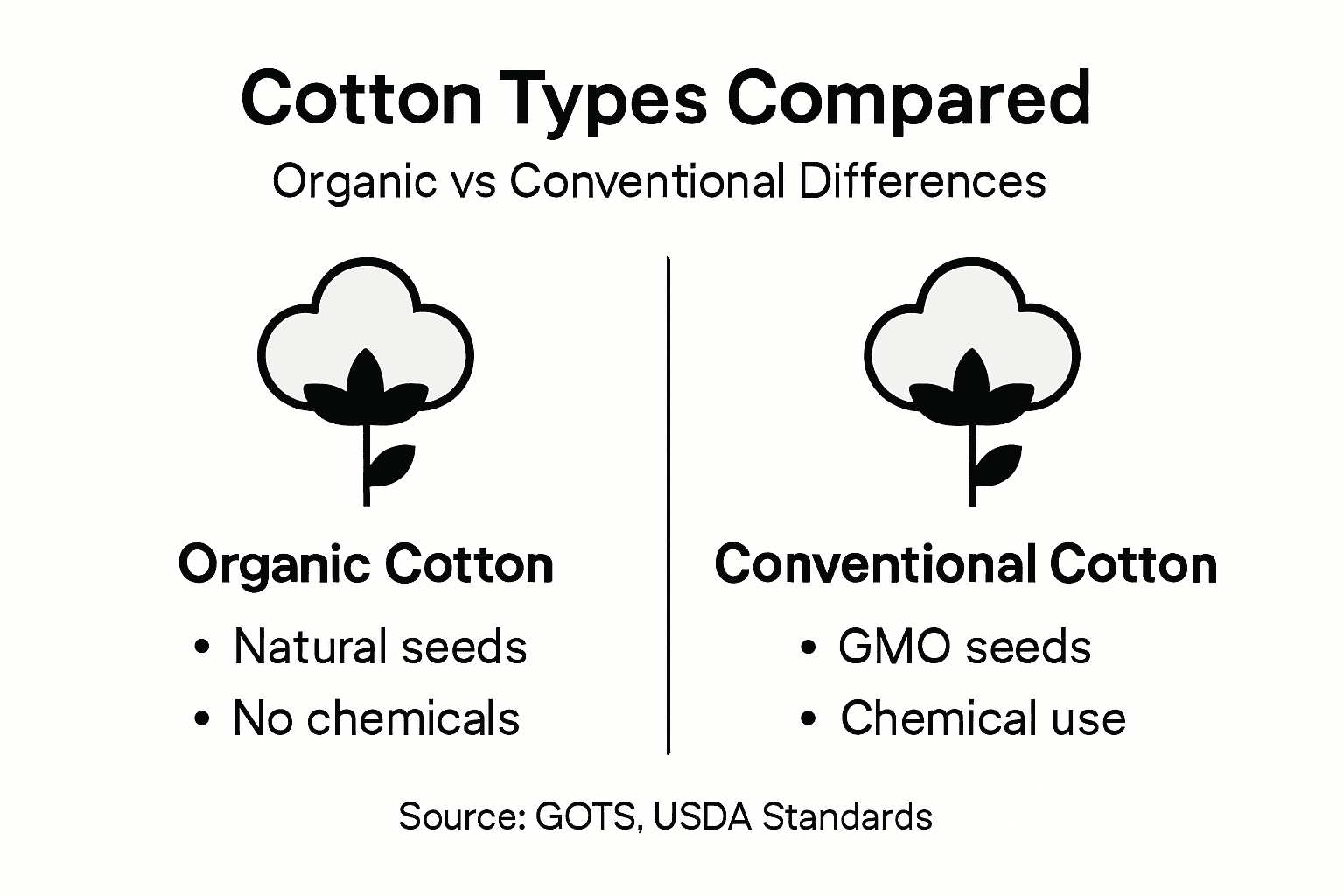
The core distinction lies in how each system manages pests, seeds, and chemical inputs. Conventional cotton relies on synthetic pesticides and often uses genetically modified (GMO) seeds, whereas organic cotton production avoids synthetic pesticides and GMO seeds entirely. Both systems use soil health practices and crop rotation, but the approach to farming inputs differs significantly.
Growing Methods: The Real Differences
Conventional cotton farming uses chemical pesticides to control insects and disease. This approach allows for higher yields and faster production cycles, which traditionally drives down costs. However, this chemical-intensive method impacts biodiversity and soil quality over time.
Organic cotton farmers rely on natural pest management strategies instead. They use natural compost for nutrients, implement diverse crop rotations, and encourage beneficial insects to maintain ecosystem balance. This method builds healthier soil with better long-term fertility.
Water usage varies by region and variety, not production type. Both systems require similar amounts of water depending on local climate and cotton variety chosen.
Environmental & Soil Impact
Here’s where the differences become noticeable for your purchases:
- Soil health: Organic farming builds soil biology and structure; conventional can degrade soil quality over years
- Chemical residue: Organic cotton carries no synthetic pesticide residues; conventional may retain trace chemicals
- Biodiversity: Organic farms support diverse ecosystems; conventional monoculture reduces wildlife habitat
- Ecosystem impact: Organic avoids runoff pollution; conventional farming chemicals may contaminate waterways
These environmental differences influence the fabric you receive. Organic cotton grown in healthier soil often has superior fiber quality and durability, which matters when investing in premium streetwear basics designed to last.
Here is a side-by-side comparison highlighting how organic and conventional cotton differ across key farming and product aspects:
| Aspect | Organic Cotton | Conventional Cotton |
|---|---|---|
| Seed Source | Non-GMO, untreated seeds | Often GMO, treated seeds |
| Pest Management | Biological controls, beneficial insects | Synthetic pesticides, chemical sprays |
| Fertilization | Compost, manure, bio-fertilizers | Synthetic chemical fertilizers |
| Soil Impact | Builds soil structure, biodiversity | Soil degradation over time |
| Water Contamination | Minimal due to organic practices | High due to chemical runoff |
| Worker Health | Low exposure to chemicals | High risk of pesticide exposure |
| Fiber Quality | Longer, softer, more resilient fibers | Shorter, chemicals may weaken fibers |
| Typical Price | Higher due to labor and yield | Lower from greater efficiency |
Certification Standards Matter
Not all organic cotton claims are equal. USDA Organic and Global Organic Textile Standard (GOTS) certifications verify that cotton meets specific production standards. When you buy certified organic, you’re purchasing verified quality backed by third-party inspection.
Conventional cotton has no universal certification standard, though producers may follow regional agricultural guidelines. The lack of standardization makes comparisons harder when evaluating conventional options.
Choosing certified organic cotton means you’re buying textile integrity verified through independent standards, not marketing claims alone.
Pro tip: When shopping for minimalist essentials like heavyweight t-shirts or hoodies, check product tags for GOTS or USDA Organic certification—it’s your assurance that the cotton met rigorous sustainability and quality standards from farm to finished garment.
Cultivation, inputs, and production differences
How cotton is grown directly impacts the fabric quality and durability of your everyday pieces. The inputs farmers choose—what they spray on fields, what they feed the soil, and how they manage pests—shape the final product you wear.
Organic and conventional cotton farmers face similar challenges: controlling weeds, preventing disease, and maintaining soil fertility. Their solutions, however, diverge significantly. Conventional growers use synthetic pesticides and fertilizers designed for speed and volume, while organic producers rely on natural alternatives that work slower but build soil health long-term.
Input Systems: Chemicals vs. Natural Methods
Conventional cotton farming depends on synthetic inputs. Farmers apply chemical pesticides to control insects and chemical fertilizers to boost yields. This approach maximizes short-term productivity, which historically meant lower prices at retail.
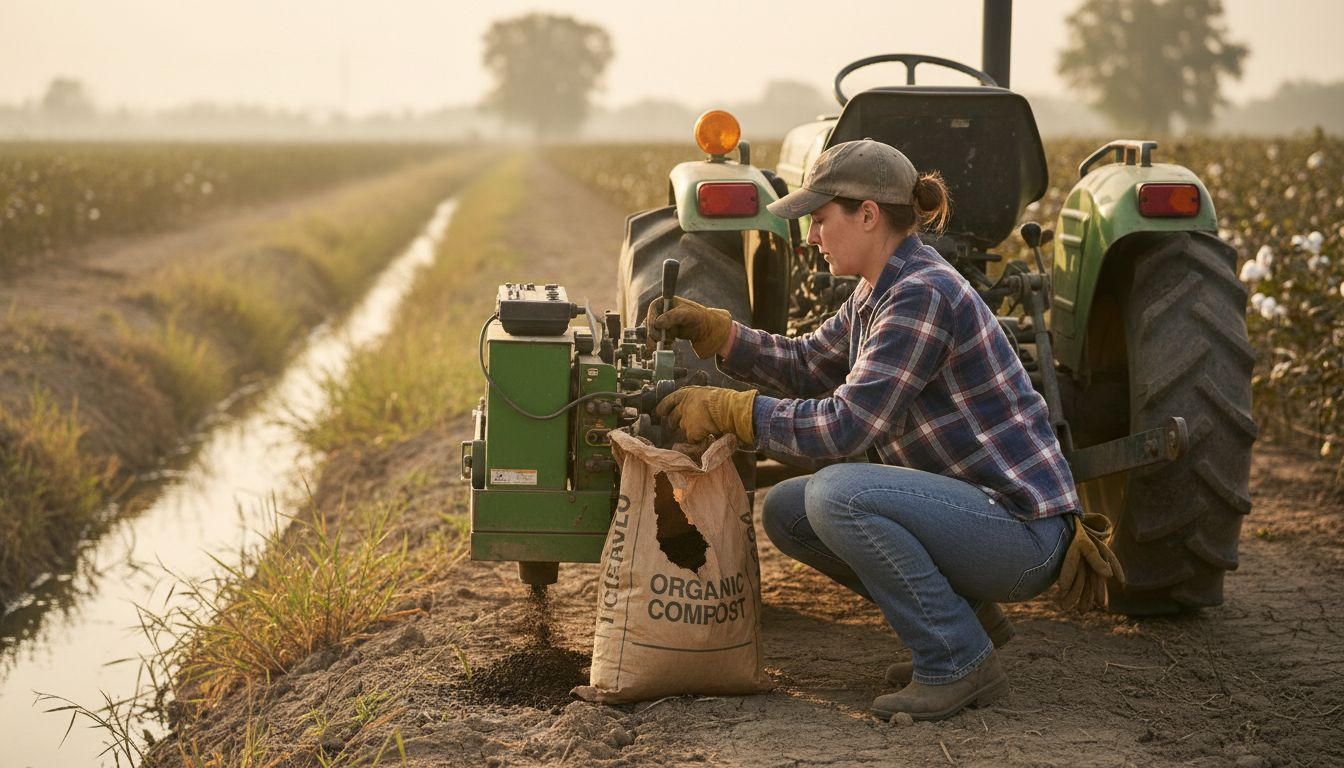
Organic cotton farmers use organic and bio-fertilizers instead of synthetic compounds. They implement natural compost, manure, and biological pest control strategies. These methods take longer to show results but create stronger, more resilient soil ecosystems.
Weed management differs dramatically. Conventional farmers use herbicides for precise, quick control. Organic farmers rely on crop rotation, manual removal, and mulching—more labor-intensive but chemical-free.
Energy Efficiency and Environmental Load
One striking difference: organic cotton production uses significantly less energy overall. Synthetic fertilizers and pesticides require substantial energy to manufacture and transport, adding hidden environmental costs to conventional production.
Organic systems reduce energy-intensive inputs from the start. This efficiency benefit matters when you consider the complete lifecycle of your wardrobe purchases—from field to warehouse to your closet.
Key production differences include:
- Fertilization: Synthetic chemicals vs. natural compost and bio-fertilizers
- Pest control: Chemical sprays vs. biological methods and beneficial insects
- Irrigation: Both use similar water amounts; management practices vary
- Labor intensity: Organic requires more hands-on management; conventional relies on chemical efficiency
Real-World Challenges for Organic Producers
Organic cotton farming isn’t perfect. Farmers face genuine obstacles that conventional methods avoid. Disease and weed management remain complex without synthetic options.
Organic seed availability is limited compared to conventional seed markets. Contamination from nearby GMO crops presents ongoing risks. Yields typically run lower than conventional methods, which historically made organic cotton more expensive.
Despite these challenges, organic cotton quality remains strong when properly cultivated. Premium streetwear brands invest in organic because the fiber durability and feel justify the production complexity.
Organic production demands more expertise and care, which means organic cotton reaches your closet as a result of intentional farming decisions, not just cost optimization.
Pro tip: Look for brands investing in higher-yield organic varieties and transparent farming practices—this signals they’re committed to both sustainability and quality, which typically translates to pieces that wear better and last longer.
Environmental impact and health implications
The difference between organic and conventional cotton extends far beyond the finished garment. It shapes ecosystems, affects water systems, and influences the health of farming communities across the globe.
Conventional cotton production carries significant environmental costs. The synthetic pesticides and fertilizers used in conventional farming contaminate soil and water supplies. These chemicals persist in ecosystems long after application, damaging biodiversity and creating health risks for farmers and nearby communities.
Organic cotton eliminates these chemical inputs entirely. Without synthetic pesticides and fertilizers, organic farming drastically reduces environmental harm through less soil contamination, cleaner water, and stronger biodiversity.
Water Consumption and Contamination
Water usage tells a striking story. Conventional cotton requires intensive irrigation combined with heavy chemical applications, creating a double burden on water systems. The chemicals used in conventional farming seep into groundwater and nearby rivers, contaminating drinking water sources.
Organic cotton farms use up to 91% less water in some regions due to healthier soil that retains moisture better. The soil acts as a natural filter, preventing contamination of water supplies.
This matters directly to your purchasing decisions. Water scarcity affects cotton-growing regions globally, and choosing organic means supporting farming practices that preserve water resources for future generations.
Biodiversity and Ecosystem Health
Conventional cotton monocultures eliminate habitat for insects, birds, and soil organisms. Synthetic pesticides kill beneficial insects alongside pests, disrupting entire food webs. Over time, soil ecosystems collapse, requiring ever-increasing chemical inputs to maintain productivity.
Organic farms support diverse plant and animal life. Beneficial insects control pests naturally. Microorganisms in healthier soil process nutrients more efficiently. These ecosystems are more resilient and sustainable long-term.
Health Effects for Farming Communities
Farmers working with conventional cotton face real health risks. Synthetic pesticide exposure causes respiratory issues, skin problems, and neurological damage. Agricultural workers in conventional cotton regions experience higher rates of illness and injury.
Organic farming eliminates direct pesticide exposure for workers. Cleaner water supplies protect entire communities from chemical contamination. These health improvements extend beyond individual farmers to their families and local populations.
Key environmental differences include:
- Soil quality: Organic builds living soil; conventional degrades it over time
- Water purity: Organic protects groundwater; conventional causes contamination
- Biodiversity: Organic supports diverse ecosystems; conventional reduces wildlife
- Chemical residue: Organic eliminates synthetic inputs; conventional relies on them
- Air quality: Organic avoids pesticide spray; conventional releases airborne chemicals
Your choice between organic and conventional cotton directly impacts farming communities, water systems, and ecosystems where the cotton grows.
Pro tip: When evaluating streetwear brands, prioritize those using certified organic cotton from transparent supply chains—this ensures your investment supports farming practices that protect both workers and environments where your clothes originate.
Fiber quality, durability, and comfort
The fabric touching your skin tells the real story of organic versus conventional cotton. Quality, durability, and how clothing feels directly connect to how the cotton was grown and processed.
Organic cotton fibers tend to be longer and more intact than conventional cotton fibers. This happens because organic farming avoids harsh chemical treatments that damage fiber structure. Longer fibers create stronger yarn, which produces more durable fabric that resists pilling and maintains its shape through repeated washing.
Conventional cotton often contains residual chemical treatments from farming and manufacturing. These chemicals can irritate sensitive skin and reduce fabric softness over time. Organic cotton products tend to be softer and stronger because they skip unnecessary chemical processing.
Softness and Skin Comfort
Raw organic cotton feels noticeably softer against your skin from day one. The fibers haven’t been stripped by harsh chemicals, preserving their natural texture. This matters if you have sensitive skin or simply prefer garments that feel premium.
Conventional cotton requires more processing to achieve comparable softness. Chemical residues can trigger irritation, especially on sensitive areas. Over time, repeated washing doesn’t improve conventional cotton’s feel the way it does organic.
Thermal Properties and Moisture Management
Organic cotton delivers enhanced thermal comfort and moisture absorption compared to conventional options. The fabric breathes better, wicking sweat away from your body efficiently. This makes organic cotton ideal for year-round wear in urban environments.
Fabric construction affects thermal performance significantly. Heavyweight organic cotton hoodies provide excellent insulation while remaining breathable. Lighter organic t-shirts work as second layers because they regulate temperature naturally.
Key durability factors include:
- Fiber length: Longer fibers create stronger fabric
- Chemical residue: Organic avoids harsh treatments; conventional retains chemicals
- Pilling resistance: Stronger fibers resist pilling and fuzzing
- Color retention: Organic dyes hold better in quality fabrics
- Shape stability: Superior fiber strength maintains garment structure through washing
Long-Term Value and Wardrobe Investment
Organic cotton pieces outlast conventional alternatives when properly cared for. Stronger fibers mean fewer washing-related issues. A premium organic t-shirt or hoodie maintains its fit, color, and texture for years longer than conventional equivalents.
This directly impacts your streetwear wardrobe strategy. Investing in quality organic basics means fewer replacements, less frequent shopping, and ultimately lower cost-per-wear over time.
Organic cotton’s superior fiber quality translates to garments that feel better initially and remain comfortable through countless wears.
Pro tip: When evaluating streetwear basics, check fabric weight and fiber length specifications—organic pieces with longer staple fibers and proper weight construction will significantly outlast cheaper conventional alternatives in your rotation.
Certification standards and consumer trust
Not all “organic” claims are created equal. Without reliable certification standards, marketing language becomes meaningless. Understanding which certifications actually matter protects your investment in quality organic cotton pieces.
Third-party certification systems verify that cotton genuinely meets organic standards from farm through finished product. Independent auditors inspect farming practices, supply chain documentation, and manufacturing processes. This transparency builds real trust—you’re not relying on brand promises alone.
Conventional cotton has no universal organic certification because it isn’t organic. However, conventional cotton may carry sustainability certifications focused on water use or chemical reduction, which differ fundamentally from organic verification.
Major Certification Systems
GOTS (Global Organic Textile Standard) is the most rigorous certification available. GOTS defines stringent criteria for organic textiles covering environmental and social responsibility throughout production. GOTS certification requires third-party audits at every production stage, from farming through manufacturing to finished garments.
USDA Organic certification focuses on farming practices. The USDA verifies that cotton meets government-controlled organic standards without synthetic pesticides or GMO seeds. This certification covers the farm itself but not manufacturing processes.
OCS (Organic Content Standard) tracks organic fiber through supply chains into finished products. It ensures the organic cotton in your garment actually came from certified organic sources, not blended with conventional cotton.
Certification requirements include:
Below is a summary of recognized cotton certification labels and their focus areas:
| Certification | Coverage Focus | Primary Benefit |
|---|---|---|
| GOTS | Farming + Manufacturing | End-to-end environmental & social standards |
| USDA Organic | Farming Only | Guarantees no GMOs or synthetic pesticides |
| OCS | Supply Chain Traceability | Verifies organic fiber presence in product |
- Farm audits: Third-party verification of organic farming practices
- Supply chain tracking: Documentation from harvest through manufacturing
- Manufacturing standards: GOTS verifies chemical restrictions in fabric processing
- Social responsibility: GOTS includes worker safety and fair labor standards
- Regular inspection: Annual audits maintain certification validity
What These Standards Mean for Your Purchase
Organic cotton certification requires verification through supply chains to finished products, ensuring traceability and authenticity. When you see a GOTS label, you’re buying verified quality backed by independent inspection.
Brands claiming organic cotton without certification labels deserve skepticism. Legitimate brands display certification prominently because third-party verification is expensive—it proves their commitment to genuine organic practices.
Look for specific labels on product tags or packaging. GOTS, USDA Organic, or OCS logos indicate genuine certification. Generic “eco-friendly” or “natural” claims without third-party backing carry no real meaning.
Certification labels represent independent verification of practices—they’re your assurance that organic claims match reality.
Pro tip: When shopping for organic cotton streetwear, prioritize GOTS certification over single certifications like USDA Organic alone—GOTS covers the complete production journey, ensuring your entire garment meets rigorous environmental and social standards.
Discover the Real Impact of Your Streetwear Choices
Choosing between organic and conventional cotton is more than a style decision. It is about supporting sustainable farming, protecting ecosystems, and investing in premium fabric quality that lasts. If you value healthier soil, cleaner water, and garments that feel softer and stronger, then it is time to make conscious wardrobe choices that align with these goals.
At MEXESS, we specialize in premium organic cotton streetwear crafted for modern city life. Our collections offer minimalist design paired with sustainability-driven materials, ensuring your everyday essentials deliver effortless comfort and durability without compromise. You can explore our thoughtfully curated T-shirts, hoodies, and casual wear that respect both the environment and your desire for quality.

Take the next step toward embracing sustainable fashion with confidence. Visit MEXESS now and experience the difference genuine organic cotton brings to your streetwear. Learn more about why choosing certified organic fabrics matters and see for yourself how mindful cultivation translates to timeless style and lasting comfort. Your wardrobe can support better farming and urban fashion at the same time.
Explore our range at MEXESS and join a movement where style meets conscious consumption. Make your next upgrade count today.
Frequently Asked Questions
What is the main difference between organic cotton and conventional cotton?
Organic cotton is grown without synthetic pesticides and genetically modified seeds, while conventional cotton relies on chemical pesticides and often uses GMO seeds. This fundamental difference affects farming methods, environmental impact, and product quality.
How does organic cotton benefit the environment compared to conventional cotton?
Organic cotton farming promotes healthier soil, enhances biodiversity, and avoids chemical runoff that can contaminate water supplies. These practices lead to a more sustainable ecosystem and minimize long-term environmental harm compared to conventional methods.
What certifications should I look for when purchasing organic cotton?
Look for certifications like USDA Organic and Global Organic Textile Standard (GOTS). These certifications ensure that the cotton meets rigorous organic farming and production standards, providing assurance of its quality and sustainability throughout the supply chain.
Is organic cotton worth the higher price compared to conventional cotton?
Yes, organic cotton often has better fiber quality, durability, and comfort. It may initially cost more due to the labor-intensive farming methods, but its longevity and environmental benefits make it a worthwhile investment in the long run.
Leave a comment