

Choosing truly sustainable organic streetwear feels overwhelming when every brand claims to be eco-friendly. You deserve transparency, not greenwashing. This guide breaks down clear selection criteria, compares premium organic brands, and helps you confidently invest in minimalist streetwear that aligns with your values. You’ll learn to identify authentic certifications, evaluate fabric quality, and match brands to your style and budget. Let’s turn confusion into clarity.
Table of Contents
- Selection Criteria: How To Choose Premium Organic Streetwear In 2026
- Brand Profiles: MEXESS – Premium European Organic Streetwear
- Brand Profiles: Leading Alternatives – Pact, Kotn, Colorful Standard
- Customer Experience And Purchase Confidence In Organic Streetwear
- Comparative Brand Analysis Table And Summary
- Situational Picks: Best Organic Streetwear Brand For Your Style And Needs
- Discover Your Perfect Organic Streetwear With MEXESS
- Frequently Asked Questions About Organic Streetwear
Key takeaways
| Point | Details |
|---|---|
| Selection criteria | Evaluate sustainability certifications, fabric quality, pricing, and customer policies to avoid greenwashing. |
| MEXESS positioning | Premium European organic streetwear with minimalist design, 100% organic cotton, and customer-friendly policies. |
| Affordable alternatives | Pact, Kotn, and Colorful Standard offer ethical organic basics at varied price points with distinct certifications. |
| Purchase confidence | Free shipping thresholds and 30-day returns reduce friction and build trust in online organic fashion purchases. |
| Situational picks | Match brands to priorities like budget, ethical certifications, minimalist style, or convenience. |
Selection criteria: how to choose premium organic streetwear in 2026
Navigating the organic streetwear market demands sharp evaluation skills. Understanding what separates premium sustainable clothing from marketing hype protects your wallet and values. Start by examining environmental impact, certifications, and material quality.
Organic cotton production uses up to 91% less water than conventional methods, dramatically reducing environmental strain. This massive difference matters when you multiply it across your entire wardrobe. Choosing what is organic cotton clothing directly supports water conservation and healthier farming ecosystems.
Authentic sustainability requires third-party verification. Look for these certifications when evaluating brands:
- Global Organic Textile Standard (GOTS) guarantees organic fiber content and ethical production
- Oeko-Tex certification ensures textiles are free from harmful substances, protecting your skin and the environment
- Fairtrade labels confirm workers receive fair wages and safe conditions
- B Corporation status proves comprehensive social and environmental accountability
Fabric quality determines whether your investment lasts years or months. Examine organic cotton purity percentages, with 100% being ideal for maximum breathability and comfort. Weave weight matters too. Midweight fabrics around 180-220 GSM balance durability with year-round wearability. Premium organic cotton feels noticeably softer than conventional alternatives, with a natural drape that improves with washing.
Price ranges reflect production ethics and material quality. Budget organic basics start around $25-$40 per piece, mid-tier brands run $40-$70, and premium minimalist streetwear reaches $70-$120. Higher prices often correlate with better certifications, superior fabrics, and fair labor practices. However, expensive doesn’t always mean ethical, so verify certifications independently.
Customer policies reveal brand confidence and commitment. Free shipping thresholds, typically starting at $50-$75, encourage smarter purchasing while reducing packaging waste. Easy 30-day return windows remove purchase anxiety, especially critical for online clothing orders. Transparent size guides and detailed product descriptions further reduce returns and increase satisfaction.
Pro Tip: Screenshot certification logos from brand websites and verify them directly on the certification body’s official database. Fake badges are surprisingly common in sustainable fashion.
Brand profiles: MEXESS – premium European organic streetwear
MEXESS built its reputation on uncompromising material quality and minimalist urban design. Every piece starts with 100% premium organic cotton sourced from verified European suppliers. This regional focus reduces transportation emissions while supporting local farming communities committed to regenerative agriculture.

The design philosophy centers on versatile simplicity. Clean silhouettes, neutral color palettes, and timeless cuts create pieces that work across multiple contexts. You can wear the same organic hoodie to campus, creative workspace, or weekend meetups without feeling over or underdressed. This versatility maximizes cost-per-wear value, making premium pricing more justifiable.
MEXESS targets urban Millennials and Gen Z aged 18-35 who reject fast fashion’s disposability. These shoppers prioritize quality over quantity and view clothing as long-term investments reflecting personal values. The brand speaks directly to this audience through educational content, transparent supply chain information, and authentic storytelling that avoids greenwashing clichés.
Customer experience receives equal attention to product quality:
- Free shipping above set order thresholds reduces per-item costs for thoughtful purchases
- 30-day easy return policy removes risk from online ordering
- First-order incentives welcome new customers while encouraging larger initial baskets
- Detailed product pages include fabric specifications, care instructions, and fit guidance
- Responsive customer service handles inquiries quickly across multiple channels
MEXESS organic streetwear demonstrates that sustainability and style coexist without compromise. The brand proves premium organic materials can deliver the comfort, durability, and aesthetic appeal style-conscious Europeans demand. This positions MEXESS as a benchmark against which to evaluate alternatives.
Brand profiles: leading alternatives – pact, kotn, colorful standard
Three brands offer compelling alternatives to MEXESS, each with distinct ethical credentials and style approaches. Understanding their differences helps you find the best match for your priorities.
Pact emphasizes accessibility without sacrificing ethics. Their Fairtrade-certified organic cotton basics start at budget-friendly price points, typically $25-$45 per item. This makes organic clothing attainable for cost-conscious shoppers who still want verified sustainability. Pact’s styling leans casual and relaxed rather than streetwear-focused, with simple tees, underwear, and loungewear dominating their catalog. Their broad size range and frequent promotions further improve accessibility.
Kotn takes transparency to another level with B Corporation certification and radical supply chain openness. They source directly from Egyptian and Portuguese cotton farmers, sharing detailed farm and factory information publicly. This farm-to-closet approach appeals to shoppers who want to trace exactly where their clothes originate. Kotn’s aesthetic splits the difference between basics and elevated essentials, with slightly more refined cuts than Pact but less urban edge than MEXESS. Pricing sits mid-range at $40-$80 per piece.
Colorful Standard combines Scandinavian minimalism with comprehensive ethical certifications. PETA approval confirms vegan production, while Oeko-Tex certification guarantees chemical safety. Their color palette extends beyond neutrals into rich, nature-inspired tones that add personality without sacrificing versatility. Manufacturing happens entirely in Portugal under verified fair labor conditions. Prices range $50-$90, positioning them between Kotn and MEXESS.
Key differentiators across alternatives:
- Pact prioritizes affordability and Fairtrade labor standards
- Kotn emphasizes B Corp status and supply chain transparency
- Colorful Standard focuses on expanded color options and Scandinavian design
- All three maintain strong organic certifications comparable to premium brands
- Style varies from basic (Pact) to refined minimal (Colorful Standard)
These alternatives prove organic streetwear exists across price points and style preferences. Your choice depends on which values and aesthetic resonate most strongly with your personal priorities.
Customer experience and purchase confidence in organic streetwear
Purchase policies directly impact your willingness to buy sustainable clothing online. Smart brands recognize that removing friction increases conversions and builds long-term loyalty. Several factors consistently influence buyer confidence across organic streetwear brands.
Free shipping thresholds typically start around $50-$75 for European shoppers. This encourages bundling multiple items while offsetting brand shipping costs. Higher thresholds sometimes reach $100-$150 but often include expedited delivery or international coverage. Strategic shoppers plan purchases to meet thresholds, reducing per-item costs and packaging waste simultaneously. Some brands offer membership programs with lower thresholds or free standard shipping year-round.
Return windows standard at 30 days across reputable organic brands. This timeframe allows adequate testing at home while preventing excessive inventory aging. Generous policies often extend to 60 or 90 days, signaling extraordinary brand confidence. Return shipping costs vary. Premium brands increasingly offer free returns within their primary markets, absorbing costs to eliminate purchase hesitation. Budget brands may require customers to cover return shipping unless items arrive defective.
Payment flexibility matters more than many shoppers realize. European customers expect multiple options beyond basic credit cards:
- Major credit and debit cards (Visa, Mastercard, American Express)
- PayPal for buyer protection and streamlined checkout
- Digital wallets like Apple Pay and Google Pay for mobile convenience
- Buy now, pay later services (Klarna, Afterpay) for larger purchases
- Bank transfers for shoppers preferring direct payment methods
Transparent size guidance reduces return rates significantly. Detailed measurement charts, fit descriptions (slim, regular, relaxed), and model sizing information help you order correctly first time. Video content showing garments on diverse body types provides even more clarity. Brands investing in comprehensive size resources demonstrate customer-centric thinking that extends beyond marketing claims.
Pro Tip: Always read return policy fine print before ordering. Some brands exclude sale items, require original packaging, or charge restocking fees that significantly impact the true cost of trying pieces at home.
Comparative brand analysis table and summary
Comparing organic streetwear brands side by side clarifies which option best serves your needs. This table synthesizes key attributes across MEXESS and leading alternatives.
| Brand | Price Tier | Certifications | Material | Shipping Policy | Return Policy |
|---|---|---|---|---|---|
| MEXESS | $$$ | Oeko-Tex, GOTS | 100% organic cotton | Free above threshold | 30 days, easy |
| Pact | $$ | Fairtrade, GOTS | Organic cotton blends | Free above $50 | 60 days |
| Kotn | $$-$$$ | B Corp, GOTS | 100% Egyptian organic cotton | Free above $75 | 30 days |
| Colorful Standard | $$ | PETA, Oeko-Tex, GOTS | 100% organic cotton | Varies by region | 30 days |
MEXESS stands out for premium positioning and minimalist urban design tailored specifically to European streetwear preferences. The combination of 100% organic cotton, Oeko-Tex safety certification, and customer-friendly policies justifies higher pricing for shoppers prioritizing quality and versatility. Organic cotton clothing details explain why material purity matters for durability and comfort.
Pact wins on accessibility, bringing Fairtrade-certified organics to budget-conscious shoppers without compromising basic ethical standards. Their extended 60-day return window adds purchase confidence despite lower price points. However, styling skews more basic than streetwear-focused.
Kotn appeals to transparency advocates with B Corporation certification and radical supply chain openness. Their direct relationships with Egyptian cotton farmers create compelling origin stories that resonate with ethically-minded buyers. Pricing sits comfortably mid-range.
Colorful Standard differentiates through expanded color palettes and Scandinavian design sensibility. PETA approval attracts vegan shoppers, while Oeko-Tex certification matches premium brands’ safety standards. Their Portugal-based manufacturing supports European production.
Your ideal brand depends on balancing price, certifications, style preferences, and purchase policies. This table provides the framework for informed comparison.
Situational picks: best organic streetwear brand for your style and needs
Matching brands to specific priorities simplifies decision-making. These situational recommendations help you identify your best fit quickly.
-
Best for budget-conscious shoppers: Pact delivers Fairtrade organic basics at accessible prices starting around $25-$40. Their frequent promotions and extended return window reduce financial risk. Choose Pact when ethical sourcing matters but premium pricing exceeds your budget.
-
Best for ethical certification focus: Kotn’s B Corporation status and transparent supply chain documentation appeal to shoppers who want maximum accountability. Their farm-to-closet model provides unmatched traceability. Select Kotn when knowing exactly where and how your clothes were made takes priority.
-
Best for minimalist streetwear style: MEXESS organic streetwear feels premium through carefully considered cuts, neutral palettes, and versatile silhouettes. The European design perspective creates pieces that work across urban contexts from campus to creative workspace. Choose MEXESS when style and versatility equal sustainability in importance.
-
Best for customer service and convenience: MEXESS leads with free shipping above reasonable thresholds, straightforward 30-day returns, and responsive support. Customer-centric policies remove friction from online organic fashion purchases. Select MEXESS when seamless shopping experience matters alongside product quality.
-
Best for color variety: Colorful Standard expands beyond neutral basics with rich, nature-inspired hues that add personality while maintaining minimalist design principles. Their PETA certification appeals to vegan shoppers. Choose Colorful Standard when you want sustainable clothing with more expressive color options.
-
Best for transparency seekers: Kotn publishes detailed information about every farm and factory in their supply chain, inviting customers to trace their purchase origins. This radical openness builds trust through verification rather than marketing claims. Choose Kotn when supply chain transparency tops your priority list.
These recommendations assume you’ve already committed to organic materials and ethical production. Within that framework, your secondary priorities determine the best brand match. Most shoppers benefit from exploring multiple brands across different product categories, mixing budget basics with premium statement pieces.
Discover your perfect organic streetwear with MEXESS
You’ve learned to identify authentic sustainable streetwear and compare leading organic brands. Now it’s time to experience the difference premium materials and thoughtful design create in your everyday wardrobe.
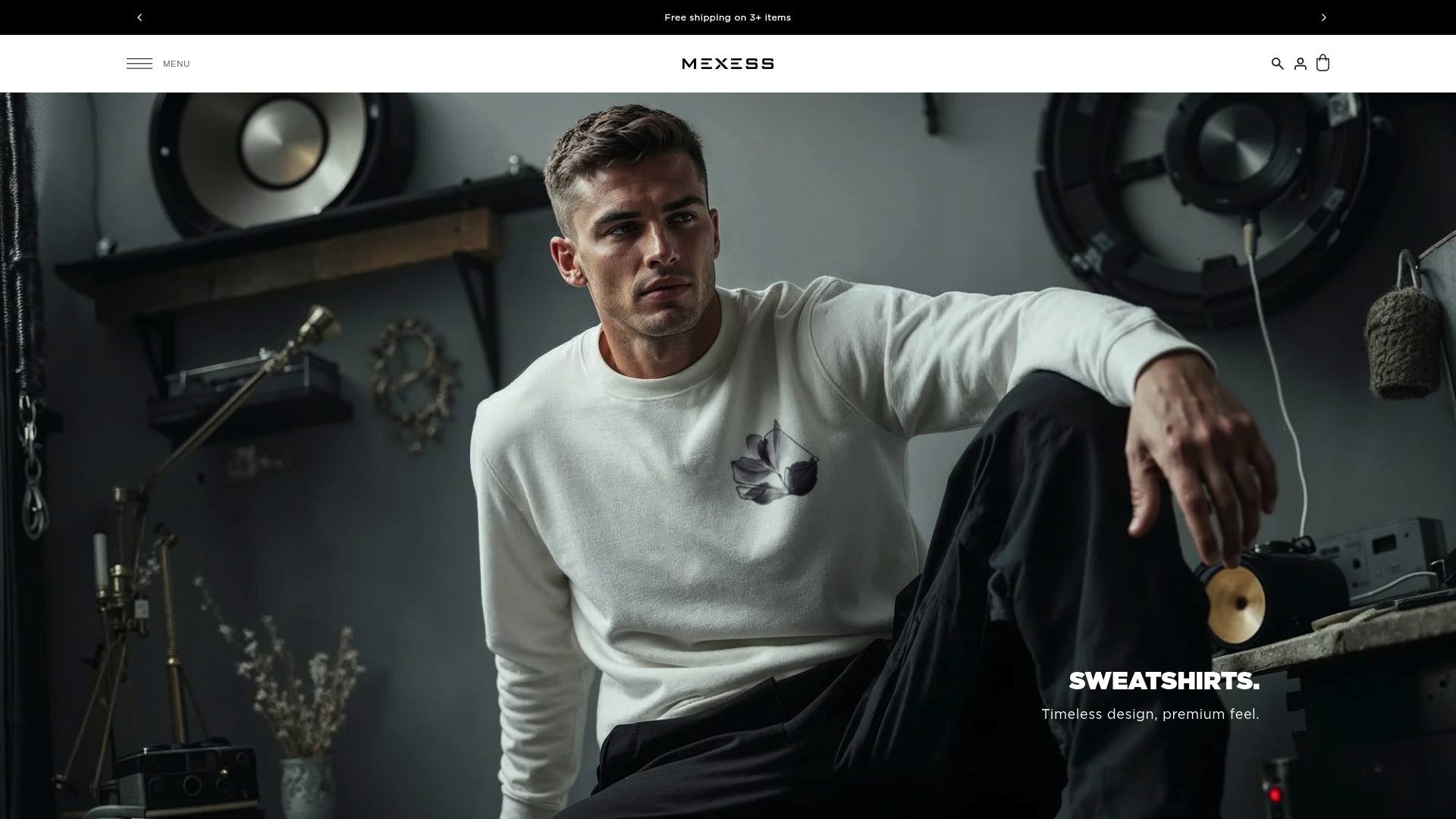
MEXESS organic streetwear combines everything you’ve been searching for: 100% organic cotton purity, minimalist urban styling, and customer-friendly policies that remove purchase anxiety. Every piece works across multiple contexts, maximizing versatility while reducing wardrobe clutter. Free shipping above set thresholds and hassle-free 30-day returns let you shop confidently, knowing your investment is protected.
Explore collections designed specifically for European Millennials and Gen Z who refuse to compromise between style and sustainability. From essential tees to versatile hoodies, MEXESS delivers the premium organic streetwear your values and aesthetic demand. Upgrade your wardrobe with pieces built to last seasons, not weeks.
Frequently asked questions about organic streetwear
What does ‘100% organic cotton’ really mean in streetwear?
100% organic cotton means every fiber comes from cotton grown without synthetic pesticides, fertilizers, or genetically modified seeds. Certified organic farming relies on natural pest control, crop rotation, and composting to maintain soil health. This purity matters because conventional cotton agriculture uses approximately 16% of global pesticides despite occupying only 2.5% of farmland. True organic certification requires third-party verification through bodies like GOTS, ensuring claims match reality from farm to finished garment.
How do I verify that a brand’s organic claim is authentic?
Visit the certification body’s official website and search their database using the brand name or certificate number displayed on product pages. GOTS maintains a public database at global-standard.org, while Oeko-Tex offers verification at oeko-tex.com. Legitimate brands provide certificate numbers and encourage verification. Be skeptical of vague sustainability claims without specific certifications, which often signal greenwashing rather than genuine organic production.
Are minimalist organic streetwear pieces suitable for multiple urban looks?
Absolutely. Minimalist design philosophy prioritizes versatile silhouettes and neutral colors that work across contexts. A quality organic hoodie transitions seamlessly from campus to coffee shop to casual workplace. Clean lines without excessive branding or trend-specific details extend wearability across seasons and style evolution. This versatility actually makes premium organic streetwear more economical than fast fashion, as pieces remain relevant longer and pair easily with existing wardrobe items.
What shipping and return policies should I expect from reputable organic brands?
Reputable organic brands typically offer free shipping above $50-$75 order thresholds and 30-day return windows minimum. Premium brands often extend returns to 60-90 days or cover return shipping costs within primary markets. Transparent size guides, detailed product descriptions, and responsive customer service further reduce return necessity. Be cautious of brands with restrictive policies, short return windows under 14 days, or vague shipping information, which may indicate operational issues or low product confidence.
Can sustainable streetwear be affordable without compromising ethics?
Yes, with strategic shopping. Budget-friendly brands like Pact prove Fairtrade organic basics can start around $25-$40 per piece. Focus on versatile essentials rather than trend pieces to maximize cost per wear. Watch for seasonal sales from mid-tier and premium brands, where you can access higher-quality organics at reduced prices. Consider cost per wear rather than upfront price. A $70 organic hoodie worn 200 times over three years costs $0.35 per wear, while a $20 fast fashion alternative lasting six months and 30 wears costs $0.67 per wear. Quality organic streetwear often delivers better long-term value despite higher initial investment.
Αφήστε ένα σχόλιο