


Choosing the perfect streetwear can sometimes feel like searching for authenticity in a world of mass-produced trends. For young adults who value both eco-friendly practices and clean, comfortable design, streetwear is more than an outfit—it’s a way to express identity and values. With its roots in U.S. urban communities and a global influence that now redefines style, this guide will help you appreciate the cultural meaning behind sustainable streetwear while discovering pieces that fit your ethical and minimalist lifestyle.
Table of Contents
- Streetwear Style Defined And Common Misconceptions
- Major Streetwear Trends And Influences
- Key Elements In Modern Streetwear Fashion
- Sustainable Streetwear: Materials And Ethics
- Choosing And Caring For Streetwear Apparel
Key Takeaways
| Point | Details |
|---|---|
| Cultural Significance | Streetwear transcends casual clothing, serving as a powerful medium for individual expression and storytelling rooted in urban identity. |
| Rebellious Roots | Emerging from marginalized communities, streetwear emphasizes authenticity and comfort over traditional fashion hierarchies. |
| Sustainability Focus | Modern streetwear emphasizes eco-friendly materials and ethical production, reflecting a growing consumer demand for responsible fashion choices. |
| Versatility and Care | Quality and personal style are crucial in choosing streetwear, along with proper care techniques to maintain garment longevity. |
Streetwear Style Defined and Common Misconceptions
Streetwear represents far more than just casual clothing - it’s a dynamic cultural expression rooted in urban identity and personal storytelling. Emerging from U.S. urban communities with strong connections to hip-hop and skate subcultures, streetwear has transformed from a niche aesthetic into a $185 billion global phenomenon that transcends traditional fashion boundaries.
Contrary to popular misconception, streetwear isn’t simply about wearing comfortable, baggy clothes. Cultural identity through fashion runs much deeper. It’s a powerful form of self-expression where clothing becomes a canvas for communicating personal narratives, social affiliations, and individual style philosophies. Young participants often engage with streetwear trends without fully understanding their rich historical and cultural significance, which risks diluting the authentic roots of this vibrant fashion movement.
The core of streetwear lies in its rebellious spirit and connection to marginalized communities. Originating in African American and Latino urban neighborhoods, streetwear emerged as a response to mainstream fashion’s exclusivity. Brands born from skateboarding, hip-hop, and street culture challenged traditional fashion hierarchies by prioritizing authenticity over haute couture conventions. This meant valuing comfort, functionality, and personal storytelling over rigid design rules.
Key characteristics that define authentic streetwear include limited edition releases, collaborations with artists and musicians, graphic-driven designs, and a strong emphasis on individual interpretation. The style is not about following trends, but creating them - transforming clothing into a statement of cultural resistance and personal empowerment.
Pro tip: When exploring streetwear, focus on understanding its cultural context rather than simply collecting branded items - true style comes from appreciating the story behind the clothing.
Major Streetwear Trends and Influences
StreetweaR has dramatically evolved from its underground roots, transforming into a global fashion phenomenon that continuously reshapes contemporary style. Urban youth fashion dynamics reveal a complex landscape where comfort, individuality, and cultural expression intersect.

Key trends driving streetwear’s contemporary evolution include oversized silhouettes, minimalist design, and strategic brand collaborations that blur traditional fashion boundaries. Influential subcultures like skateboarding, hip-hop, and surf cultures continue to inject raw authenticity into mainstream fashion, challenging conventional design paradigms. These movements have transformed streetwear from niche aesthetic to global cultural language, where clothing represents more than mere fabric - it communicates personal narrative and social identity.
Technology and social media have further accelerated streetwear’s global reach, enabling instantaneous trend transmission and democratizing fashion creation. Digital platforms allow emerging designers and underground artists to showcase innovative styles, breaking down traditional gatekeeping mechanisms in the fashion industry. Luxury brands have responded by integrating streetwear elements, creating hybrid styles that challenge previous hierarchical distinctions between high fashion and street culture.
The most significant contemporary streetwear trends emphasize sustainability, technological integration, and cross-cultural collaboration. Brands now prioritize eco-friendly materials, functional design, and inclusive representations that reflect diverse global youth experiences. This evolution demonstrates streetwear’s remarkable ability to continuously reinvent itself while maintaining its core ethos of individual expression and cultural resistance.
Here’s a comparison of streetwear’s major influences and how each shaped its development:
| Influence | Impact on Streetwear | Key Style Contribution |
|---|---|---|
| Hip-Hop Culture | Encouraged bold self-expression | Graphic tees, logo-heavy items |
| Skateboarding | Prioritized comfort and utility | Loose fits, durable fabrics |
| Surf Culture | Promoted laid-back attitude | Casual designs, vibrant colors |
| Tech & Social Media | Globalized and democratized trends | Rapid innovation, youth engagement |
Pro tip: Invest in versatile pieces that reflect your personal story and can be styled multiple ways, rather than chasing fleeting trends.
Key Elements in Modern Streetwear Fashion
Modern streetwear transcends traditional fashion boundaries, representing a dynamic cultural expression that goes far beyond mere clothing. Brand symbolism in fashion reveals a complex ecosystem where apparel becomes a powerful medium for personal storytelling and social identity communication.
The fundamental elements of contemporary streetwear include distinctive design principles that prioritize individual authenticity. Key characteristics encompass oversized silhouettes, layered textures, functional minimalism, and bold graphic representations. Streetwear designers strategically blend comfort with aesthetic innovation, creating pieces that serve as personal statements rather than simple garments. Unconventional color palettes, asymmetrical cuts, and unexpected material combinations challenge traditional fashion norms and provide wearers with unique methods of self-expression.
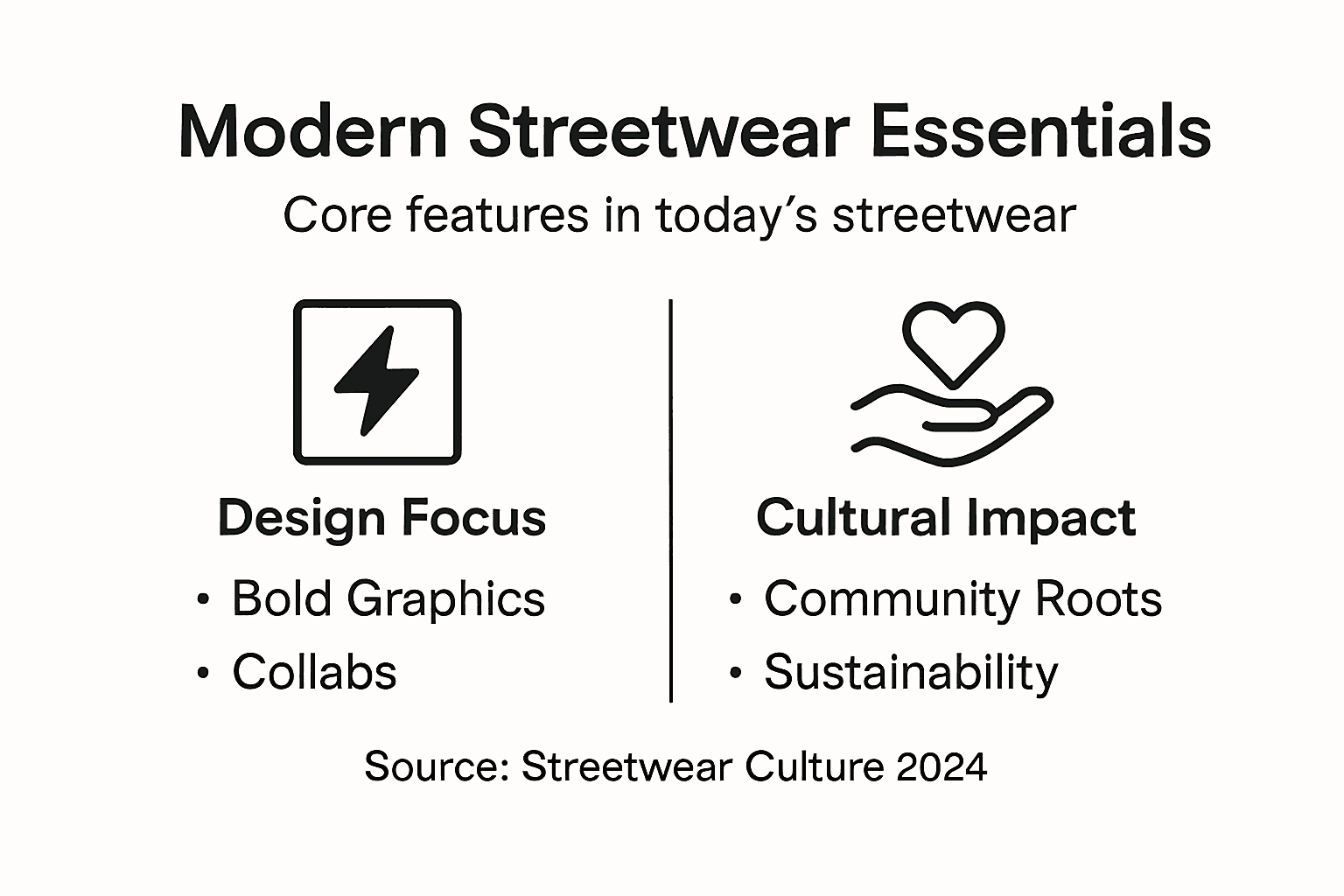
Cultural authenticity remains paramount in streetwear’s design philosophy. Brands now focus on creating narratives that resonate with diverse global youth experiences, moving beyond superficial aesthetic trends. This approach involves incorporating sustainable materials, representing multicultural perspectives, and developing clothing that speaks to social consciousness. The most successful streetwear designs emerge from genuine connections with urban subcultures, music scenes, and contemporary artistic movements.
Technological integration has also transformed streetwear’s landscape, with digital platforms enabling unprecedented creative collaboration and instant global trend transmission. Smart fabrics, adaptable design elements, and cross-cultural aesthetic influences are redefining what streetwear can represent in the 21st century. These innovations demonstrate streetwear’s remarkable ability to continuously reinvent itself while maintaining its core ethos of individual expression and cultural dialogue.
Pro tip: Invest in versatile streetwear pieces that reflect your personal narrative and can be styled across multiple contexts, prioritizing quality and individual meaning over fleeting trends.
Sustainable Streetwear: Materials and Ethics
Sustainability has become the cornerstone of modern streetwear, transforming the fashion landscape from disposable trends to conscious consumption. Sustainable fashion innovations reveal a critical shift towards environmental responsibility and ethical production practices that challenge traditional manufacturing paradigms.
The materials revolution in streetwear centers on innovative, eco-friendly fabrics that dramatically reduce environmental impact. Organic cotton, recycled polyester, and breakthrough bio-based textiles are replacing conventional materials, offering streetwear enthusiasts clothing that performs exceptionally while minimizing ecological footprints. These sustainable materials not only reduce waste and carbon emissions but also provide superior comfort and durability, proving that ethical fashion can be both stylish and functional.
Ethical production has emerged as a fundamental requirement, not an optional luxury. Brands are now expected to demonstrate transparent supply chains, fair labor practices, and genuine commitment to social responsibility. This means verifying worker conditions, ensuring living wages, and creating production systems that respect human rights and environmental sustainability. The most progressive streetwear brands are integrating these principles at every stage of design and manufacturing, transforming ethical considerations from marketing strategies to core business values.
Consumer consciousness continues to drive this sustainable transformation, with younger generations demanding accountability and authenticity from fashion brands. Technology plays a crucial role, enabling detailed tracking of material origins, production processes, and environmental impact. Streetwear is no longer just about aesthetic expression but has become a powerful platform for communicating social and environmental values, where each garment tells a story of responsible creation.
Here’s a summary of modern sustainable streetwear materials and their ethical benefits:
| Material Type | Sustainability Benefit | Common Use in Apparel |
|---|---|---|
| Organic Cotton | Low pesticide, biodegradable | T-shirts, hoodies, sweatpants |
| Recycled Polyester | Reduces landfill waste | Jackets, bags, hats |
| Bio-based Textiles | Renewable, eco-friendly | Sneakers, outerwear, accessories |
Pro tip: Research brands’ sustainability certifications and production practices before purchasing, prioritizing those with transparent environmental and social commitments.
Choosing and Caring for Streetwear Apparel
Selecting exceptional streetwear requires more than just aesthetic appreciation - it demands a nuanced understanding of quality, authenticity, and personal style. Streetwear apparel preservation involves strategic choices that extend far beyond initial purchase, encompassing fabric selection, fit, and long-term maintenance.
When choosing streetwear, prioritize versatility and personal expression. Look for pieces with unique design elements that reflect individual personality while maintaining functional performance. Key selection criteria include fabric weight, material composition, cut complexity, and graphic design integrity. High-quality streetwear should feel comfortable, move with your body, and communicate a distinct aesthetic narrative. Pay attention to subtle details like stitching precision, fabric texture, and how different pieces can be layered or mixed to create multiple looks.
Proper care is essential to maintaining streetwear’s distinctive character and longevity. This means understanding specific fabric requirements and implementing careful washing techniques. Always turn garments inside out before washing to preserve graphic prints and minimize color fading. Use cold water and mild detergents specifically designed for delicate fabrics. Air drying is preferable to machine drying, as high heat can compromise fabric integrity and cause unwanted shrinkage or texture changes. For special edition or limited release pieces, consider professional cleaning or specialized preservation methods.
Technology and material innovation continue to transform streetwear maintenance. Advanced fabric technologies now offer stain-resistant, moisture-wicking, and temperature-regulating properties that extend garment life and performance. Smart consumers invest in pieces that combine cutting-edge material science with authentic design philosophy, creating a wardrobe that is both functional and personally meaningful.
Pro tip: Invest in a specialized fabric care kit designed for streetwear, including gentle detergents and mesh washing bags to protect delicate graphics and maintain garment quality.
Discover Authentic and Sustainable Streetwear at MEXESS
Understanding streetwear means embracing its deep cultural roots, individuality, and sustainability. If you want to wear pieces that speak your story while respecting ethical values and environmental impact, choosing the right apparel is essential. The article highlights common challenges like distinguishing authentic streetwear from fast trends and finding high-quality clothing made from eco-friendly materials that honor the style’s rebellious spirit.
At MEXESS we specialize in organic and sustainable streetwear designed for fashion-forward consumers who value comfort, cultural authenticity, and ethical production. Our curated selection of sweatshirts, hoodies, and T-shirts feature carefully chosen fabrics that align with the movement’s dedication to sustainability and personal storytelling. Experience the perfect blend of style and conscience with every piece.

Elevate your wardrobe with streetwear that truly matters. Visit MEXESS now to explore new arrivals crafted for versatile styling and lasting quality. Don’t miss out on our discounts for first-time buyers and enjoy free shipping on multiple items. Start expressing your authentic streetwear identity today by shopping at MEXESS.
Frequently Asked Questions
What is streetwear style?
Streetwear style is a cultural expression that goes beyond casual clothing, rooted in urban identity, personal storytelling, and influences from hip-hop and skate subcultures. It emphasizes individuality and comfort while often serving as a medium for communicating personal narratives.
How has streetwear evolved over the years?
Streetwear has transformed from a niche aesthetic into a global fashion phenomenon, incorporating elements of sustainability, technological integration, and cross-cultural collaboration. It’s no longer just about clothing but represents a powerful form of self-expression and social identity.
What are some key characteristics of authentic streetwear?
Authentic streetwear includes elements such as oversized silhouettes, graphic-driven designs, limited edition releases, and collaborations with artists and musicians. It prioritizes comfort, functionality, and individual interpretation, challenging traditional fashion norms.
Why is sustainability important in streetwear?
Sustainability is crucial in streetwear as it shifts the focus from disposable trends to ethical production practices. The use of eco-friendly materials and transparent supply chains helps reduce the environmental impact and promotes social responsibility within the fashion industry.
Leave a comment