

Minimalistic fashion is often misunderstood as simply wearing neutral colors or basic pieces, but it’s far more than that. It’s a thoughtful design philosophy centered on quality, sustainability, and timeless style that challenges fast fashion culture. This guide breaks down what minimalistic fashion design truly means, exploring its core principles, how it differs from common misconceptions, and practical ways to build a sustainable minimalist wardrobe that reflects your values and personal style in 2026.
Table of Contents
- The Core Principles Of Minimalistic Fashion Design
- Minimalism Versus Fast Fashion And Common Misconceptions
- Building And Styling A Minimalist Wardrobe For Sustainable Streetwear
- Explore Sustainable Minimalist Fashion Collections At Mexess
- Frequently Asked Questions
Key takeaways
| Point | Details |
|---|---|
| Quality focus | Minimalist fashion prioritizes quality over quantity with timeless, durable pieces that last for years. |
| Design elements | Neutral colors, clean lines, and precise fit define the minimalist aesthetic and create versatile foundations. |
| Capsule approach | Capsule wardrobes of 30 pieces maximize versatility while reducing waste and decision fatigue. |
| Sustainability alignment | Minimalism naturally supports sustainable consumption by encouraging mindful purchases and rejecting disposable trends. |
| Silhouette importance | Fit and tailoring transform basic garments into impactful pieces through careful attention to proportion. |
The core principles of minimalistic fashion design
Minimalist fashion prioritizes quality over quantity, advocating for investment in pieces that withstand both physical wear and changing trends. This approach fundamentally rejects the disposable mentality that dominates contemporary fashion culture. Instead of accumulating dozens of items that fall apart after a few washes, minimalist design emphasizes durability through superior construction and timeless silhouettes.
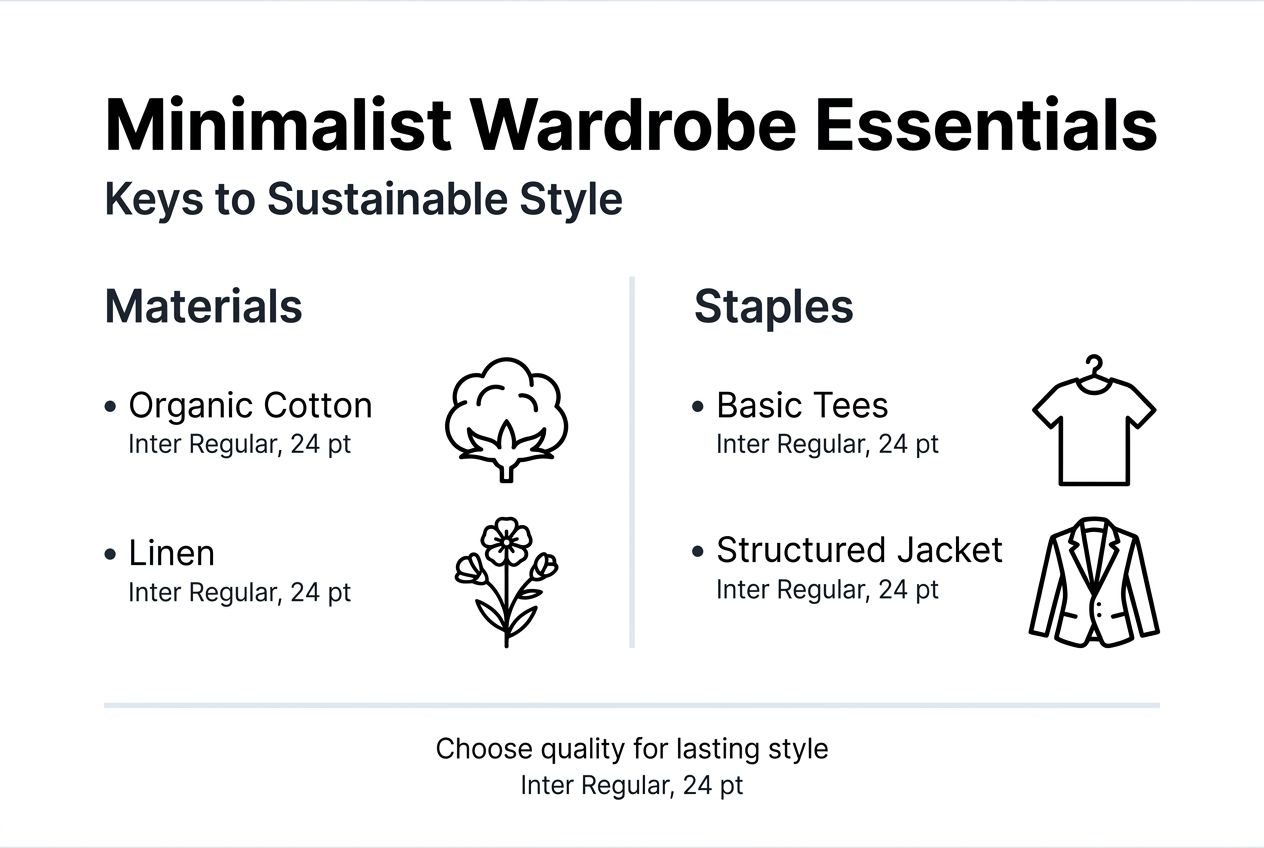
Natural fibers form the foundation of minimalist wardrobes. Cotton, wool, silk, and linen offer breathability, longevity, and biodegradability that synthetic materials cannot match. These fabrics age gracefully, developing character rather than deteriorating into unwearable condition. When you choose natural materials, you’re investing in pieces that maintain their structure and appearance season after season.
Neutral colors create the versatility that makes minimalist fashion so practical. Beige, ivory, black, gray, and camel serve as the backbone of countless outfit combinations. These shades work effortlessly together, allowing you to create cohesive looks without overthinking coordination. The beauty lies in how these colors let texture, fabric quality, and silhouette take center stage.
Fit and silhouette transform simple pieces into elegant statements through precise tailoring. A perfectly fitted white tee commands more visual impact than an ill-fitting designer piece. Minimalist design pays meticulous attention to how garments interact with body proportions. Exploring minimalist streetwear outfits reveals how clean lines and thoughtful cuts elevate basic pieces.
Core minimalist principles include:
- Investing in fewer, higher quality pieces that serve multiple styling purposes
- Choosing timeless designs over fleeting trends to extend garment lifespan
- Prioritizing natural, sustainable fabrics that feel good and last longer
- Focusing on perfect fit and tailoring for maximum visual impact
- Building a cohesive color palette that simplifies outfit creation
Pro Tip: Invest in three high quality basic tees in different necklines rather than ten cheap ones. You’ll get more versatility, better appearance, and longer wear from pieces that maintain their shape and color through countless washes.
Minimalism versus fast fashion and common misconceptions
Minimalist fashion emphasizes simplicity and timelessness, directly contrasting fast fashion’s trend driven approach. Fast fashion operates on rapid production cycles, pushing inexpensive garments designed to last one season before disposal. This model creates enormous waste, exploits labor, and encourages overconsumption. Minimalist philosophy rejects this entirely, valuing ethical production, fair wages, and garments meant to last years.
Fast fashion tempts consumers with low prices and constant newness, but the true cost extends far beyond the price tag. These garments often fall apart quickly, fade after washing, or become unwearable as trends shift. The environmental impact includes massive textile waste, water pollution from dyes, and carbon emissions from global shipping. Minimalist fashion addresses these issues by encouraging intentional purchases of quality items.
Minimalist fashion gets misinterpreted as neutral basics when trends like quiet luxury reduce the concept to simple aesthetics. This oversimplification misses the point entirely. Minimalism isn’t about eliminating personality or creativity from your wardrobe. It’s about making intentional choices that reflect your values while creating a coherent personal style. You can absolutely express individuality within minimalist principles through fabric choices, silhouette preferences, and thoughtful styling.
The philosophy encourages owning fewer but more meaningful pieces that serve clear purposes in your wardrobe. Each item should earn its place through versatility, quality, or genuine joy. This mindful approach naturally supports sustainability by reducing impulse purchases and extending garment lifecycles. When you understand minimalist streetwear outfits, you see how restriction breeds creativity rather than limiting it.
Minimalist fashion is not about deprivation or boring uniformity. It’s a deliberate choice to focus on quality, intentionality, and personal expression through carefully curated pieces that align with your lifestyle and values.
Key distinctions between minimalism and fast fashion:
- Minimalism values longevity while fast fashion prioritizes disposability and rapid turnover
- Minimalist pieces cost more upfront but offer better cost per wear over time
- Fast fashion chases trends while minimalism embraces timeless design principles
- Minimalist production emphasizes ethical labor and sustainable materials
- Minimalism reduces decision fatigue through curated wardrobes, not endless options
Building and styling a minimalist wardrobe for sustainable streetwear
A capsule wardrobe of 30 pieces provides endless outfit combinations through strategic selection. This approach transforms how you interact with your closet, eliminating the paradox of having nothing to wear despite overflowing racks. The key lies in choosing versatile pieces that work together seamlessly, creating a cohesive system rather than random individual items.
Strong minimalist wardrobes include structured jackets, sweaters, tees, straight pants, and adaptable footwear as foundational elements. These categories cover all styling scenarios from casual weekends to professional settings. A well cut blazer elevates simple tee and jeans combinations instantly. Quality sweaters provide texture and warmth while maintaining clean lines. Straight leg pants offer timeless silhouettes that work for years.
Layering and silhouette balance define modern minimalist styling techniques. Mixing proportions creates visual interest without adding busy patterns or excessive accessories. Pair oversized sweaters with fitted pants, or structured jackets with relaxed tees. This interplay of volumes keeps outfits dynamic while maintaining the clean aesthetic minimalism demands. Understanding these relationships helps you maximize each piece’s potential.
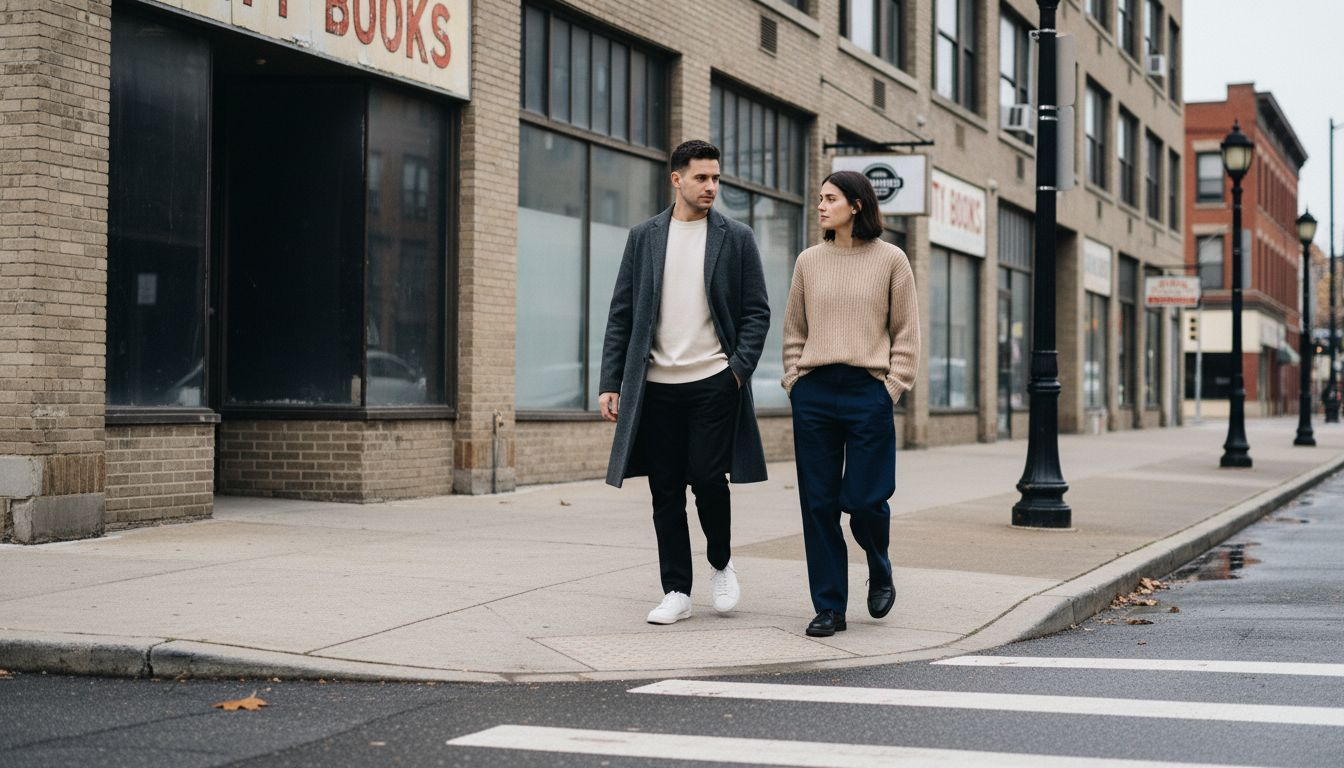
Fabric quality determines how garments age, focusing on materials that hold shape and feel good. Premium organic cotton maintains softness through countless washes. Quality wool resists pilling and retains structure. These materials justify higher initial costs through extended lifespans and sustained appearance. Cheap fabrics lose shape, fade quickly, and ultimately cost more through frequent replacement.
| Garment Type | Recommended Fabric | Styling Purpose |
|---|---|---|
| Basic Tees | Organic Cotton | Foundation pieces for layering and solo wear |
| Hoodies | Brushed Fleece | Textured comfort with clean silhouettes |
| Straight Pants | Cotton Twill | Versatile bottoms for multiple occasions |
| Structured Jackets | Wool Blend | Instant polish for any outfit combination |
| Sweaters | Merino Wool | Warmth and texture without bulk |
Building your minimalist wardrobe strategically:
- Start with neutral basics in perfect fits before adding accent pieces
- Invest in quality footwear that works across casual and dressier contexts
- Choose one or two signature silhouettes that flatter your body type
- Focus on natural fabrics that improve with age rather than deteriorate
- Build slowly, ensuring each addition fills a genuine gap in your wardrobe
The minimalist fashion guide for eco streetwear demonstrates how sustainable materials integrate seamlessly into modern urban style. Organic cotton tees, recycled fabric hoodies, and responsibly sourced denim prove that environmental consciousness and great style aren’t mutually exclusive. These pieces form the backbone of wardrobes that look current while supporting ethical production.
Pro Tip: Use texture contrasts like brushed fleece paired with crisp cotton to make minimalist outfits feel richer and more dimensional without adding extra pieces or busy patterns. The interplay of different fabric finishes creates subtle visual interest that elevates simple combinations.
Explore sustainable minimalist fashion collections at MEXESS
Ready to put these minimalist principles into practice with quality pieces that last? MEXESS offers curated sustainable minimalist fashion collections perfect for building a conscious wardrobe in 2026. The brand specializes in premium organic cotton streetwear and modern urban essentials designed with the timeless silhouettes and quality construction this guide emphasizes.

Each piece in the MEXESS collection aligns with the versatility, quality, and sustainability principles discussed throughout this article. From perfectly fitted basic tees to structured hoodies with clean lines, these garments serve as foundational elements for minimalist wardrobes. The focus on natural materials ensures your pieces age gracefully while supporting environmental responsibility.
Explore the collections to discover how sustainable fashion and contemporary streetwear intersect beautifully. Whether you’re building your first capsule wardrobe or refining an existing minimalist approach, MEXESS provides the quality essentials you need. The transparent production details and commitment to ethical manufacturing make every purchase align with conscious consumption values. Check out minimalist streetwear outfits for styling inspiration that brings these pieces to life.
Frequently asked questions
What defines minimalistic fashion design?
Minimalistic fashion design emphasizes quality over quantity, timeless silhouettes, neutral color palettes, and sustainable materials. It focuses on creating versatile pieces through precise tailoring and clean lines rather than trendy embellishments. The philosophy values intentional consumption and garments designed to last years rather than seasons.
How can I build a sustainable minimalist wardrobe?
Start with a capsule of approximately 30 versatile pieces in neutral colors that work together seamlessly. Prioritize natural fabrics like organic cotton, wool, and linen from ethical brands. Focus on perfect fit and classic silhouettes that transcend trends. Add pieces slowly, ensuring each fills a genuine need and complements existing items.
Is minimalistic fashion only neutral colors?
No, though neutrals form the foundation due to their versatility. Minimalist fashion is about intentional choices and cohesive aesthetics rather than strict color restrictions. You can incorporate accent colors strategically while maintaining the clean, uncluttered approach. The key is thoughtful selection rather than color elimination.
What fabrics are best for minimalist clothing?
Natural fibers like organic cotton, merino wool, silk, and linen work best for minimalist wardrobes. These materials age gracefully, maintain structure through repeated wear, and offer superior comfort compared to synthetics. They also align with sustainability values through biodegradability and lower environmental impact during production.
How does minimalism benefit sustainability?
Minimalism reduces overconsumption by encouraging fewer, higher quality purchases that last longer. This decreases textile waste, carbon emissions from production and shipping, and exploitative labor practices. The focus on timeless pieces rather than fast fashion trends means garments stay in rotation for years, dramatically reducing environmental impact per item.


0 comments