

Most advice about streetfashion ignores just how much american culture has fueled a global style revolution. With streetwear now accounting for over 10 percent of the global apparel market, young people everywhere are using fashion to challenge norms and champion sustainability. This article uncovers streetwear’s American roots, its rebellious key concepts, and why eco-conscious style matters more than ever for those who want to express individuality without costing the planet.
Table of Contents
- Streetwear Defined: Origins And Key Concepts
- Major Subcultures And Style Variations
- Streetwear’s Influence On Personal Identity
- How Streetwear Drives Global Fashion
- Sustainable Practices And Eco-Conscious Impact
Key Takeaways
| Point | Details |
|---|---|
| Cultural Roots of Streetwear | Streetwear originated from marginalized youth cultures, focusing on self-expression through fashion, defined by a DIY aesthetic. |
| Impact on Identity | Clothing choices in streetwear serve as a canvas for individual identity, expressing cultural affiliations and personal narratives. |
| Global Influence | Streetwear has shifted from a local movement to a global phenomenon, leveraging digital platforms to redefine fashion dynamics. |
| Sustainability Focus | Current trends in streetwear emphasize sustainable practices, demanding transparency and eco-consciousness from brands. |
Streetwear Defined: Origins and Key Concepts
Streetwear is a dynamic fashion movement that emerged from the underground cultures of skateboarding, hip-hop, and urban art scenes in the late 20th century. Tracing its cultural roots reveals a powerful narrative of self-expression and rebellion against traditional fashion norms. Originating in the 1970s California surf and skate communities, streetwear quickly became more than just clothing - it transformed into a platform for personal identity and social communication.
At its core, streetwear represents a DIY aesthetic that prioritizes comfort, individuality, and cultural authenticity. Unlike traditional fashion, which often dictates trends from the top down, streetwear evolved through grassroots movements where young people used clothing as a form of personal storytelling. Academic research on streetwear origins demonstrates how these clothing choices became powerful tools for expressing social identity, challenging mainstream fashion narratives, and creating community connections.
Key characteristics that define streetwear include:
- Emphasis on limited edition and exclusive designs
- Comfortable, functional clothing styles
- Strong connections to urban subcultures like skateboarding and hip-hop
- Graphics and prints that communicate cultural messages
- Blending of high-end and casual fashion elements
Pro tip: When exploring streetwear, focus on understanding the cultural context behind designs rather than just following trends - authenticity matters more than simply wearing what’s popular.
Major Subcultures and Style Variations
Streetfashion’s rich landscape is a vibrant tapestry woven from diverse subcultures, each contributing unique aesthetic expressions and philosophical underpinnings. Streetwear’s evolutionary journey reveals a complex ecosystem where urban subcultures like skateboarding, hip-hop, surfing, and graffiti art have fundamentally shaped clothing design and cultural identity. These movements transformed fashion from a top-down industry into a dynamic, bottom-up conversation about personal expression and social belonging.
Each subculture brought distinctive stylistic elements that became foundational to streetwear’s global appeal. Skate culture introduced baggy pants, graphic tees, and durability-focused design. Hip-hop communities contributed oversized silhouettes, bold graphics, and an unapologetic approach to personal styling. Surfing brought relaxed, comfortable aesthetics with technical fabrics, while graffiti art injected vibrant color palettes and rebellious graphic design principles. Underground fashion movements demonstrate how these seemingly disparate styles converged into a powerful global fashion language.
Key style variations emerging from these subcultures include:
- Skater Style: Loose-fitting pants, graphic hoodies, skate shoes
- Hip-Hop Aesthetic: Oversized jerseys, gold chains, snapback caps
- Surf-Inspired Looks: Relaxed shorts, technical windbreakers, beach-ready layers
- Graffiti Art Influence: Bold color blocking, statement prints, unconventional layering
- Punk Rock Elements: Leather jackets, distressed denim, band merchandise
Pro tip: Experiment with mixing elements from different subculture styles to create a unique personal fashion statement that reflects your individual identity.
Here’s how major streetwear subcultures influence style innovation:
| Subculture | Core Influence | Impact on Mainstream Fashion |
|---|---|---|
| Skateboarding | Prioritizes function and durability | Inspired relaxed fits and graphic tees |
| Hip-Hop | Focus on bold self-expression | Popularized oversized silhouettes |
| Surf | Emphasizes comfort and technical fabrics | Led to breathable, casual street styles |
| Graffiti Art | Pushes creative, rebellious visuals | Elevated statement prints and color blocking |
| Punk Rock | Brings in anti-establishment elements | Mainstreamed distressed and DIY looks |
Streetwear’s Influence on Personal Identity
Streetfashion transcends mere clothing, emerging as a powerful vehicle for self-expression and personal narrative construction. Identity formation through fashion reveals how young individuals strategically use clothing choices to communicate complex personal stories, cultural affiliations, and individual values. Each outfit becomes a carefully curated statement that speaks volumes about one’s inner world, social connections, and personal philosophy.
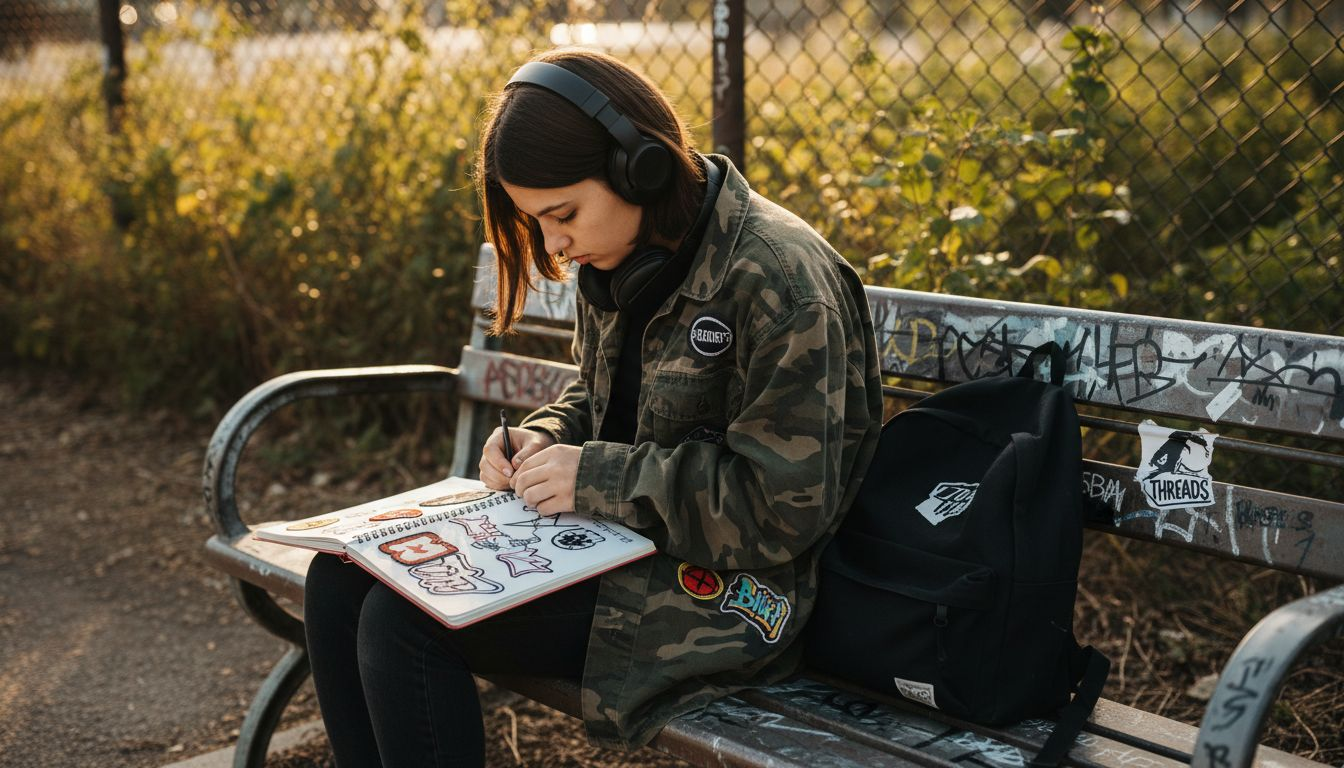
Gen Z and millennial generations have particularly embraced streetwear as a nuanced language of self-definition. Contemporary fashion research demonstrates that these generations view clothing not just as aesthetic choices, but as dynamic platforms for challenging social norms, expressing creativity, and building community connections. By selecting specific brands, styles, and combinations, individuals craft visual representations of their multifaceted identities, navigating social landscapes through conscious sartorial decisions.
Key dimensions of identity expressed through streetwear include:
- Cultural Heritage: Representing ethnic backgrounds and community roots
- Political Stance: Communicating social beliefs and activism
- Subcultural Alignment: Signaling belonging to specific creative communities
- Personal Aesthetic: Showcasing individual artistic sensibilities
- Emotional State: Reflecting current psychological and emotional experiences
Pro tip: Treat your streetwear choices as a personal canvas, selecting pieces that genuinely resonate with your authentic self rather than blindly following trends.
How Streetwear Drives Global Fashion
Streetfashion has evolved from a localized urban phenomenon into a transformative global cultural movement that fundamentally reshapes how we understand fashion, identity, and creative expression. Streetwear’s worldwide transformation reveals a remarkable journey of cultural exchange, where what began in niche urban communities now influences international design philosophies, consumer behaviors, and creative industries across continents.
The global impact of streetwear extends far beyond clothing, representing a powerful mechanism of cultural dialogue and democratization of fashion. Traditional luxury fashion houses, once gatekeepers of style, now actively incorporate streetwear aesthetics, signaling a profound shift in how design innovation emerges. Social media and digital platforms have accelerated this phenomenon, enabling instantaneous cross-cultural pollination where style trends can emerge from Tokyo, be remixed in New York, and reinterpreted in London within hours, creating a dynamic, interconnected global fashion ecosystem.
Key mechanisms driving streetwear’s global influence include:
- Digital Connectivity: Instant global trend sharing through social platforms
- Cultural Hybridization: Blending design elements from multiple global subcultures
- Accessibility: Breaking traditional fashion hierarchy barriers
- Youth-Driven Innovation: Prioritizing creativity over established design rules
- Authentic Brand Storytelling: Emphasizing personal narratives and cultural context
Pro tip: Follow international streetwear creators from diverse global communities to understand how fashion transcends geographical boundaries and creates unique cross-cultural conversations.
The table below contrasts streetwear’s role in shaping global fashion versus traditional luxury fashion:
| Aspect | Streetwear Approach | Luxury Fashion Approach |
|---|---|---|
| Trend Creation | Driven by youth, social media | Set by designers, seasonal shows |
| Accessibility | Broad, driven by collaboration | Exclusive, limited access |
| Design Innovation | Mix of influences, fast adaptation | Slow evolution, established rules |
| Community Engagement | Organic, interactive platforms | Top-down marketing, limited feedback |
Sustainable Practices and Eco-Conscious Impact
Streetfashion is undergoing a profound transformation, with sustainability emerging as a critical cornerstone of contemporary design and consumer expectations. Systematic sustainability principles reveal a comprehensive shift towards circular economy models, where environmental consciousness becomes intrinsically linked with fashion production and consumption. This evolution represents more than a trend - it’s a fundamental reimagining of how clothing is conceived, produced, and appreciated.
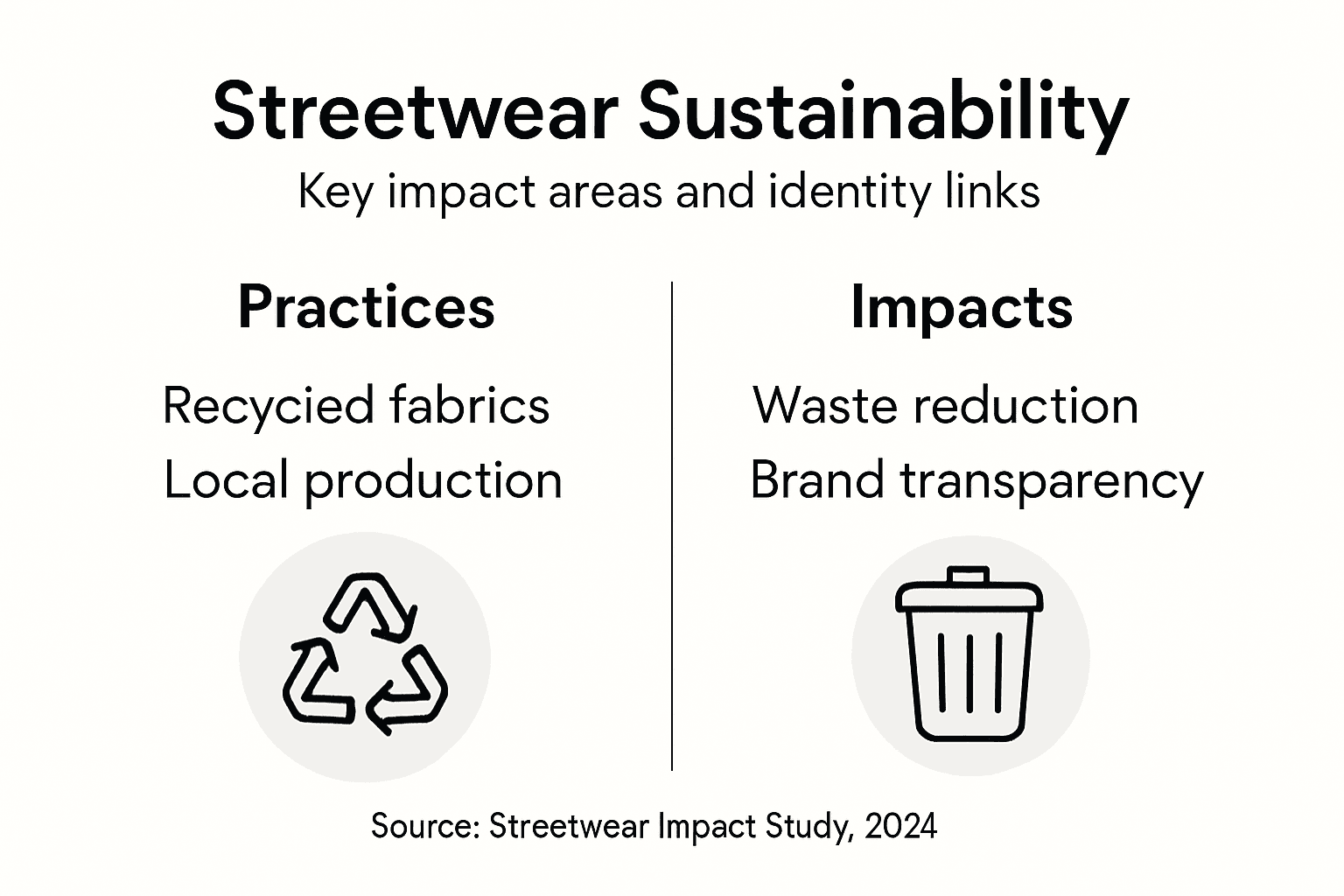
Urban fashion’s ethical transformation demonstrates how younger generations are driving significant changes in manufacturing practices. Gen Z and millennial consumers are demanding transparency, ethical sourcing, and environmental accountability from fashion brands. This consumer-driven movement is compelling streetwear designers to innovate, integrating sustainable materials, reducing waste, and creating clothing that minimizes ecological impact while maintaining style and functionality.
Key sustainable practices in streetwear include:
- Recycled Material Usage: Converting plastic waste into high-quality fabrics
- Organic Fabric Selection: Prioritizing cotton and textiles grown without harmful chemicals
- Localized Production: Reducing carbon footprint through regional manufacturing
- Circular Design: Creating garments designed for eventual recycling
- Transparent Supply Chains: Providing complete visibility into production processes
Pro tip: Research brands that provide detailed sustainability reports and prioritize those demonstrating genuine commitment to environmental stewardship rather than superficial marketing claims.
Embrace Your Identity with Sustainable Streetwear Today
Streetwear is more than a style. It is a powerful way to express your personal identity and support sustainability in fashion. The challenge many face is finding apparel that reflects their values and culture while being eco-conscious. At MEXESS.com, you can solve this by exploring our curated collection of organic and sustainable streetwear. Each piece connects you to the cultural roots of streetfashion and supports a greener planet.

Discover sweatshirts, T-shirts, hoodies, and casual wear that deliver both comfort and authentic self-expression. Act now to join a community that values transparency, ethical sourcing, and style that makes a statement. Visit MEXESS.com to see our new arrivals and enjoy benefits like free shipping on multiple items and a 30-day return policy. Redefine your wardrobe with sustainable choices that truly resonate with who you are.
Frequently Asked Questions
What defines streetwear and its cultural significance?
Streetwear is a fashion movement that originated from skateboarding, hip-hop, and urban art, emphasizing self-expression, individuality, and rebellion against traditional fashion norms. It serves as a platform for personal identity and social communication.
How does streetwear influence personal identity?
Streetwear allows individuals to communicate their cultural heritage, political beliefs, and personal aesthetics through their clothing choices. For many, it serves as a canvas for self-expression, reflecting their values and social affiliations.
What sustainable practices are being adopted in streetwear?
Streetwear brands are increasingly using recycled materials, opting for organic fabrics, and focusing on localized production to reduce their ecological impact. Many are also adopting circular designs that facilitate recycling and promote transparency in their supply chains.
How has streetwear impacted global fashion?
Streetwear has revolutionized fashion by challenging traditional structures, promoting accessibility, and encouraging cultural hybridization. Its influence is evident in how luxury brands incorporate streetwear aesthetics, blurring the lines between high-end and casual fashion.
0 comments