


Over 26 million tons of textile waste end up in American landfills each year, raising big questions about fashion’s environmental cost. For young adults who care about style and sustainability, choosing eco-friendly streetwear has become more than a trend, it’s a statement. Whether you’re searching for the latest look or aiming to lessen your impact, this guide breaks down the real benefits of organic clothing and clears up common myths holding back a greener closet.
Table of Contents
- Defining Organic Clothing And Common Myths
- Popular Organic Fabrics In Streetwear
- Environmental Benefits Of Organic Clothing
- Health And Skin Advantages Of Organic Fashion
- Comparing Organic And Conventional Clothing
- Cost, Accessibility, And Buying Considerations
Key Takeaways
| Point | Details |
|---|---|
| Organic Clothing Defined | Organic clothing prioritizes ecological balance by using sustainable materials and practices that avoid harmful chemicals and GMOs. |
| Health and Environmental Impact | Organic fabrics reduce skin irritations and promote better overall health while significantly lowering environmental impacts compared to conventional clothing. |
| Market Trends | The demand for organic clothing is growing, with consumers increasingly valuing sustainability, even though upfront costs may be higher. |
| Buying Considerations | When purchasing organic clothing, consider certifications, durability, and long-term value rather than just the initial price. |
Defining Organic Clothing and Common Myths
Organic clothing represents a revolutionary approach to sustainable fashion that goes far beyond simply choosing a different fabric type. At its core, organic clothing means textiles produced using environmentally responsible methods that prioritize ecological balance and human health. Global Organic Textile Standard certification ensures these garments meet rigorous environmental and social criteria throughout their production process.
When we talk about organic clothing, we’re specifically referring to textiles grown without synthetic pesticides, genetically modified organisms (GMOs), or harmful chemical treatments. Organic cotton production primarily occurs in subtropical regions like India, Turkey, China, and parts of the United States, where farmers follow strict agricultural practices that promote biodiversity and soil health. These practices stand in stark contrast to conventional textile manufacturing, which often relies on environmentally destructive techniques.
Common myths about organic clothing frequently misrepresent its true value. Many people believe organic clothing is just a trendy marketing term or that it doesn’t significantly differ from regular clothing. However, the reality is nuanced: organic textiles reduce environmental impact, support healthier agricultural practices, and often provide superior quality. These garments undergo meticulous production processes that minimize ecological damage while ensuring worker safety and sustainable agricultural methods.
Pro tip: When shopping for organic clothing, always look for recognized certification labels like GOTS to ensure you’re purchasing genuinely sustainable and ethically produced textiles.
Popular Organic Fabrics in Streetwear
The world of streetwear is experiencing a sustainable revolution, with cutting-edge organic fabrics transforming how fashion enthusiasts approach style and environmental consciousness. Organic textile standards are expanding beyond traditional materials, offering streetwear designers and consumers innovative options that prioritize both ecological responsibility and fashion-forward design.
Among the most popular organic fabrics in contemporary streetwear, organic cotton remains the undisputed champion. Its soft texture, breathability, and minimal environmental impact make it a go-to choice for conscientious brands. Alongside cotton, hemp has emerged as a powerhouse fabric - incredibly durable, naturally antimicrobial, and requiring significantly less water to cultivate compared to conventional textile crops. Organic linen provides another excellent alternative, offering exceptional cooling properties and a unique texture that adds sophistication to streetwear designs.
Beyond plant-based options, organic streetwear is also exploring animal-friendly materials like organic wool and responsibly sourced silk. These fabrics undergo strict certification processes to ensure they meet rigorous environmental and ethical standards. The result is a diverse range of textiles that not only look and feel incredible but also represent a commitment to sustainable fashion practices. Organic fabrics in streetwear are no longer a niche market - they’re becoming a mainstream movement that resonates with environmentally conscious young consumers.
The following table summarizes popular organic fabrics in streetwear and their unique benefits:
| Fabric | Major Benefit | Common Streetwear Use |
|---|---|---|
| Organic Cotton | Breathable and soft | T-shirts, hoodies, sweats |
| Hemp | Durable, antimicrobial | Jackets, pants, hats |
| Organic Linen | Excellent cooling, unique texture | Shirts, shorts, summer wear |
| Organic Wool | Hypoallergenic, regulates heat | Beanies, sweaters, outerwear |
| Responsible Silk | Smooth, low-impact processing | Scarves, accents, linings |
Pro tip: When shopping for organic streetwear, check fabric composition labels and look for Global Organic Textile Standard (GOTS) certification to ensure genuine sustainability.
Environmental Benefits of Organic Clothing
Organic cotton production represents a transformative approach to sustainable fashion, offering profound environmental advantages that extend far beyond traditional textile manufacturing. By eliminating synthetic pesticides and embracing regenerative agricultural practices, organic clothing significantly reduces the ecological footprint of the fashion industry. This approach prioritizes environmental health through conscious production methods that protect ecosystems and promote long-term sustainability.
The environmental benefits of organic clothing are multifaceted and deeply impactful. Soil health emerges as a critical advantage, with organic farming techniques promoting biodiversity and preventing chemical degradation of agricultural lands. Crop rotation and natural fertilization methods help restore soil nutrients, creating a regenerative cycle that contrasts sharply with conventional cotton production. Additionally, sustainable fashion practices dramatically reduce water pollution, conserve biodiversity, and lower greenhouse gas emissions compared to traditional textile manufacturing.
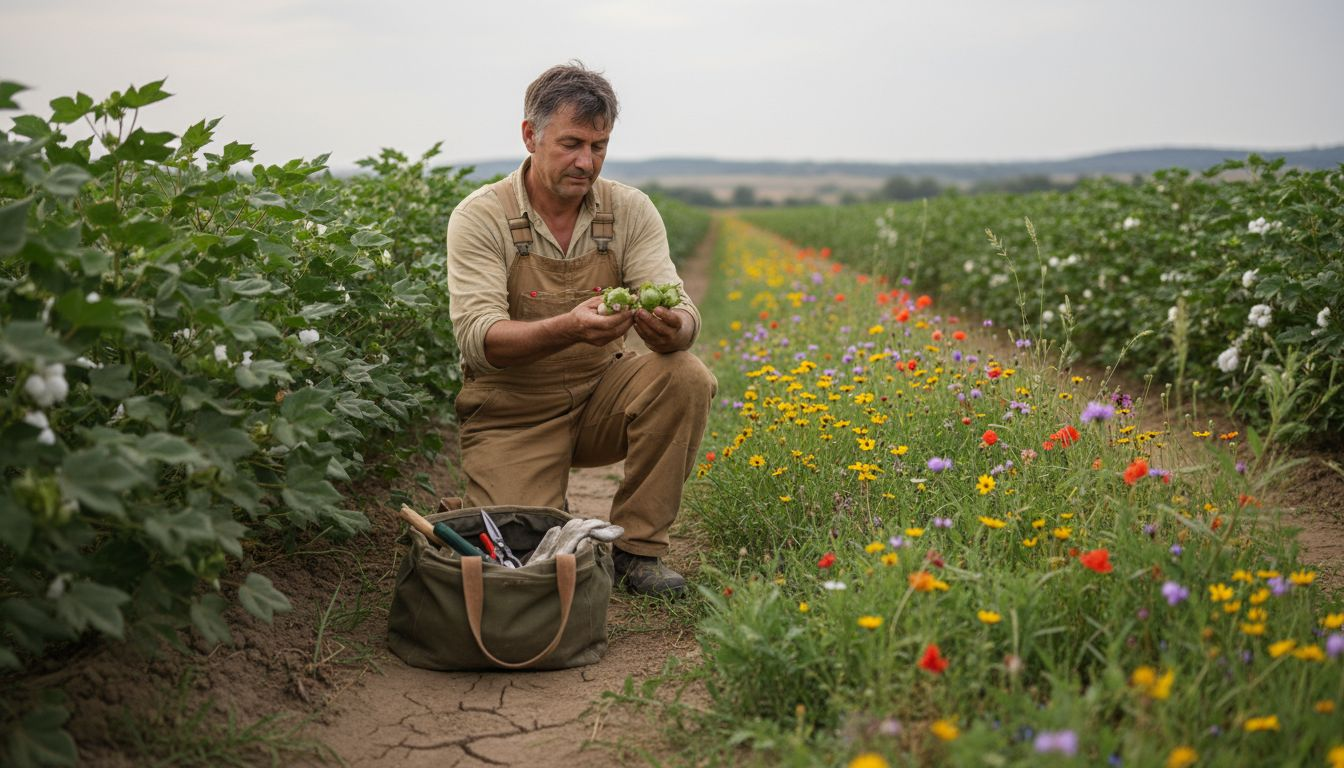
Beyond agricultural impacts, organic clothing production addresses broader environmental challenges in the fashion industry. By avoiding hazardous chemicals and reducing energy consumption, these garments represent a holistic approach to sustainable fashion. The manufacturing process prioritizes water conservation, reduces carbon emissions, and creates a more environmentally responsible supply chain. Young consumers are increasingly recognizing that their clothing choices can be powerful tools for environmental advocacy, transforming sustainable fashion from a niche market to a global movement.
Pro tip: Research the environmental certifications of your favorite clothing brands and prioritize those with transparent, verifiable sustainability practices.
Health and Skin Advantages of Organic Fashion
Organic fashion represents a groundbreaking approach to personal wellness, offering significant health benefits that extend far beyond conventional clothing choices. Organic fibres provide crucial health protection by eliminating harmful synthetic chemicals that can cause skin irritations, allergies, and potential long-term health risks. Unlike traditional textiles processed with toxic substances, organic clothing creates a protective barrier that supports skin health and overall human well-being.
The remarkable skin advantages of organic fabrics are particularly evident in materials like Merino wool. Wool’s skin benefits are extraordinary, offering unique properties that regulate body temperature, manage moisture, and provide exceptional comfort. For individuals with sensitive skin conditions such as eczema or dermatitis, organic wool can be a game-changing solution. Its hypoallergenic nature reduces the likelihood of allergic reactions, while maintaining a stable microclimate that supports skin healing and protection.
Beyond immediate skin benefits, organic fashion represents a holistic approach to personal health. By eliminating exposure to potentially harmful synthetic chemicals used in conventional textile production, these garments reduce the risk of skin irritations, respiratory problems, and long-term health complications. Young consumers are increasingly recognizing that clothing is not just about style, but about creating a healthier personal ecosystem. The choice of organic fashion becomes a proactive health strategy, protecting both individual wellness and environmental sustainability.
Pro tip: For those with sensitive skin, always perform a patch test with new organic fabrics and look for certifications that guarantee chemical-free processing.
Comparing Organic and Conventional Clothing
Organic cotton production represents a fundamental shift in textile manufacturing, challenging the traditional approaches of conventional clothing production. The key differences extend far beyond simple fabric composition, encompassing environmental impact, health considerations, and agricultural practices. While conventional clothing relies on synthetic chemicals and genetically modified processes, organic clothing prioritizes sustainable methods that protect both human and ecological health.
The environmental and economic trade-offs between organic and conventional clothing are complex and nuanced. Comparative analysis reveals that organic cotton uses substantially less water, emits fewer greenhouse gases, and avoids synthetic chemical treatments. Conventional cotton typically offers lower production costs and higher yields, but at a significant environmental expense. The true cost of clothing becomes evident when considering long-term ecological implications: organic methods improve soil health, promote biodiversity, and reduce chemical pollution, creating a more sustainable textile ecosystem.
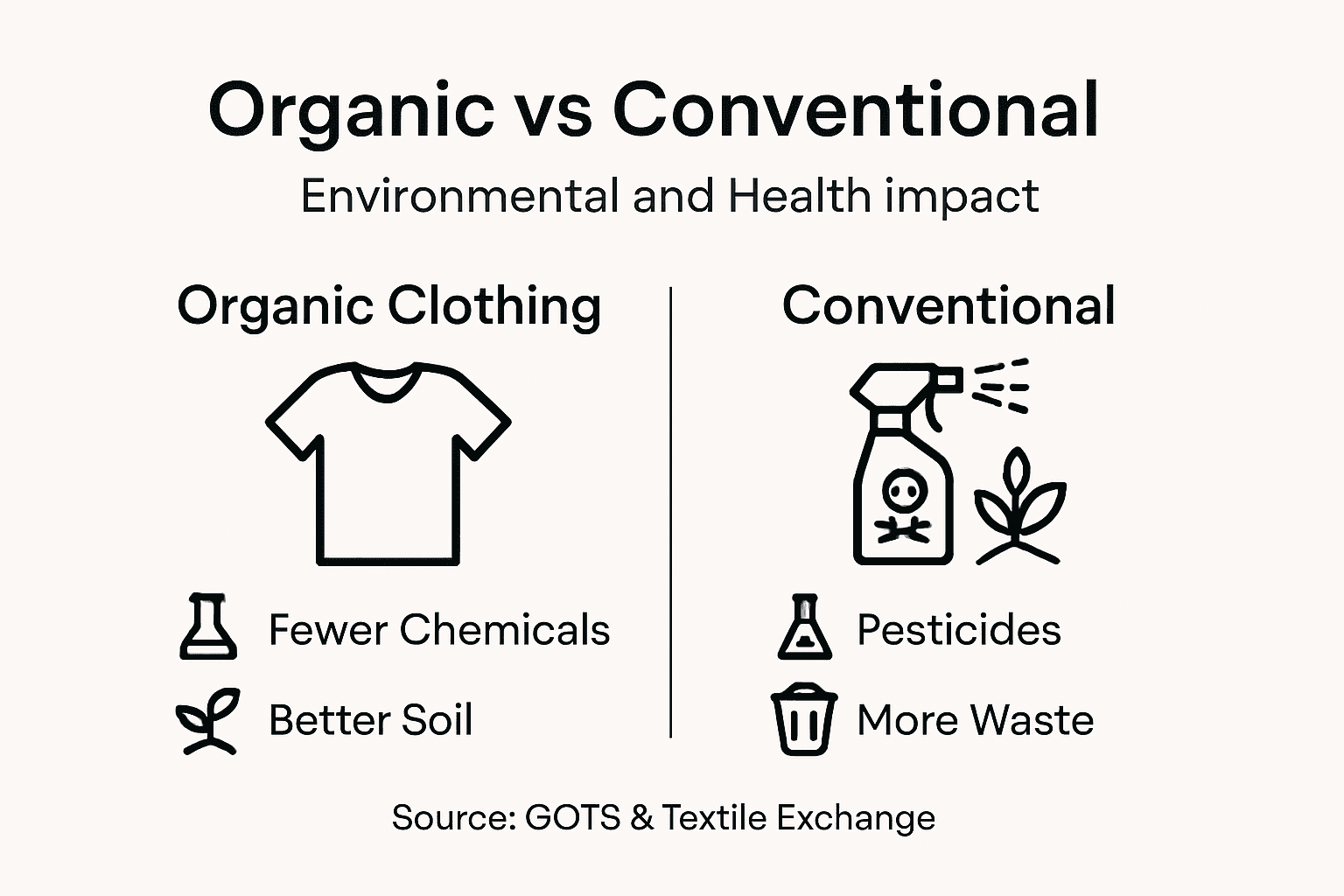
From a consumer perspective, the choice between organic and conventional clothing goes beyond simple price comparisons. Organic fabrics often provide superior softness, durability, and potential health benefits, particularly for individuals with sensitive skin or environmental concerns. The slightly higher price point reflects comprehensive sustainability efforts, including fair labor practices, reduced chemical exposure, and enhanced ecological preservation. Young, conscious consumers are increasingly recognizing that their clothing choices represent more than fashion - they are a statement of personal values and environmental commitment.
Here’s a comparison of key differences between organic and conventional clothing:
| Aspect | Organic Clothing | Conventional Clothing |
|---|---|---|
| Chemical Use | Uses natural fertilizers, avoids synthetics | Relies on synthetic pesticides and chemicals |
| Environmental Impact | Promotes biodiversity, improves soil | Often leads to soil degradation and pollution |
| Water Consumption | Lower, due to regenerative practices | Higher, often causes water scarcity |
| Health Benefits | Reduces skin irritation risk | Higher chance of skin reactions |
| Price Point | Slightly higher, reflects ethical production | Typically lower, prioritizes mass output |
| Durability | Generally more durable, higher quality | Varies, may sacrifice longevity for cost |
Pro tip: When comparing clothing options, look beyond price and consider the total environmental and health impact of your textile choices.
Cost, Accessibility, and Buying Considerations
Organic cotton market dynamics reveal a complex landscape of pricing, availability, and consumer considerations. While organic clothing represents a more sustainable fashion choice, the economic realities can be challenging for budget-conscious consumers. The higher upfront costs are attributed to more labor-intensive production methods, rigorous certification processes, and sustainable agricultural practices that prioritize environmental health over mass production efficiency.
Accessibility remains a critical factor in organic clothing adoption. Organic production costs are significantly influenced by certification expenses and the intricate processes required to maintain organic standards. Young consumers are increasingly willing to invest in higher-priced items that align with their environmental values, understanding that the true cost of clothing extends beyond the price tag. The market is gradually expanding, with more brands offering organic options across different price points, making sustainable fashion more accessible than ever before.
When considering organic clothing purchases, consumers should look beyond immediate price comparisons and evaluate long-term value. Factors like durability, reduced environmental impact, and potential health benefits can offset the initial higher investment. Strategic buying involves researching brands with transparent supply chains, understanding certification labels, and prioritizing quality over quantity. The emerging market for organic streetwear is creating more opportunities for budget-friendly sustainable fashion, allowing environmentally conscious consumers to make impactful choices without compromising style or financial practicality.
Pro tip: Compare the total lifecycle cost of clothing, not just the price tag, by considering durability, environmental impact, and potential health benefits.
Embrace Sustainable Streetwear That Cares for You and the Planet
Understanding the real impact of organic clothing reveals important challenges like reducing chemical exposure and supporting environmental health. If you want to avoid synthetic pesticides and choose fabrics that benefit your skin and the Earth, making informed choices about your wardrobe is the first step. At MEXESS, you will find a curated selection of streetwear crafted from organic and sustainable fabrics including soft organic cotton and durable hemp that align perfectly with the eco-conscious values discussed in the article.

Take control of your fashion footprint today by exploring the latest collection at MEXESS.com. Discover sweatshirts, hoodies, and tees designed not only for style but to protect your health and the planet. With customer reviews, easy returns, and free shipping on multiple items, there is no better time to switch to truly sustainable streetwear that feels as good as it looks. Start your journey to better clothing choices by visiting MEXESS.com now and join a growing movement of young consumers making a positive impact.
Frequently Asked Questions
What is organic clothing?
Organic clothing refers to textiles produced using environmentally responsible methods that prioritize ecological balance and human health, involving fabrics grown without synthetic pesticides or harmful chemical treatments.
What are the health benefits of wearing organic clothing?
Organic clothing eliminates harmful synthetic chemicals, potentially reducing the risk of skin irritations, allergies, and long-term health complications, promoting overall wellness.
How does organic clothing impact the environment?
Organic clothing production significantly reduces ecological footprints by promoting soil health, decreasing water pollution, conserving biodiversity, and lowering greenhouse gas emissions compared to conventional textile manufacturing.
Is organic clothing worth the higher price?
While organic clothing often has a higher upfront cost due to sustainable farming and production practices, it offers long-term benefits such as durability, reduced environmental impact, and enhanced health advantages, making it a worthwhile investment.
Leave a comment