
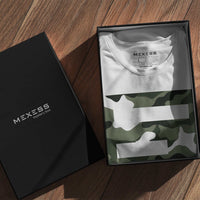

Upcycling organic cotton streetwear reduces carbon emissions by up to 50% compared to conventional production, transforming textile waste into premium minimalist pieces. For sustainable fashion enthusiasts in Europe seeking urban essentials that align with conscious consumption values, upcycling offers a compelling path. This guide explores how upcycling works, its environmental benefits, and practical ways to integrate these garments into your minimalist wardrobe while supporting circular fashion.
Table of Contents
- Introduction to Upcycling in Streetwear
- Environmental Impact and Benefits of Upcycling
- Upcycling and Organic Cotton Integration
- Design and Aesthetic Alignment with Minimalism and Urban Lifestyles
- Common Misconceptions about Upcycled Streetwear
- Comparison with Recycling and Conventional Production Methods
- Case Studies and Market Examples of Upcycled European Streetwear
- How Consumers Can Engage with Upcycled Streetwear
- Discover Premium Upcycled Organic Cotton Streetwear at MEXESS
- Frequently Asked Questions about Upcycled Streetwear
Key Takeaways
| Point | Details |
|---|---|
| Upcycling extends organic cotton garment lifecycles | Transforms existing materials into premium streetwear without degrading fabric quality or compromising minimalist aesthetics. |
| Environmental impact reduction is significant | Cuts carbon emissions by 50%, water use by 40%, and diverts textile waste from landfills through creative redesign. |
| Design aligns with minimalist urban values | Unique fabric stories and authentic craftsmanship create pieces that fit contemporary city lifestyles and conscious consumer ethics. |
| Quality misconceptions persist but are unfounded | Premium organic cotton maintains durability and style through expert upcycling processes backed by consumer satisfaction data. |
| Differs fundamentally from recycling methods | Preserves original fabric integrity while recycling breaks down materials, often reducing quality in the process. |
Introduction to Upcycling in Streetwear
Upcycling transforms existing garments or textile materials into new products of equal or higher quality without breaking down the fabric structure. In the context of premium organic cotton streetwear, this means taking surplus materials, deadstock fabrics, or pre-worn items and redesigning them into fresh pieces that maintain or enhance their original value. Unlike recycling, which mechanically or chemically breaks fibers down, upcycling in streetwear combines extending garment life with sustainable premium materials through creative pattern cutting, patchwork, and reconstruction.
The European sustainable fashion market has grown by 32% since 2024, driven largely by conscious consumers aged 18 to 35 seeking alternatives to fast fashion. This demographic values authenticity, environmental responsibility, and minimalist design principles that align with urban lifestyles. Upcycling directly addresses several sustainability challenges facing the fashion industry, including textile waste accumulation, resource depletion, and carbon emissions from new garment production.
Core principles of upcycling in streetwear include:
- Waste reduction by diverting usable materials from landfills
- Design innovation that celebrates fabric history and unique characteristics
- Quality preservation through careful material selection and expert craftsmanship
- Integration with premium materials like organic cotton to maximize environmental benefits
- Cultural storytelling that connects consumers to garment origins and production ethics
For minimalist consumers, upcycling offers clean silhouettes and timeless pieces that transcend seasonal trends while supporting circular economy principles.
Environmental Impact and Benefits of Upcycling
The fashion industry generates approximately 92 million tons of textile waste annually, with conventional production methods contributing significant carbon emissions and water pollution. Upcycling directly counters these impacts by extending material lifecycles and eliminating many resource-intensive production steps. When combined with organic cotton, which already uses 91% less water and zero synthetic pesticides compared to conventional cotton, the environmental benefits multiply.
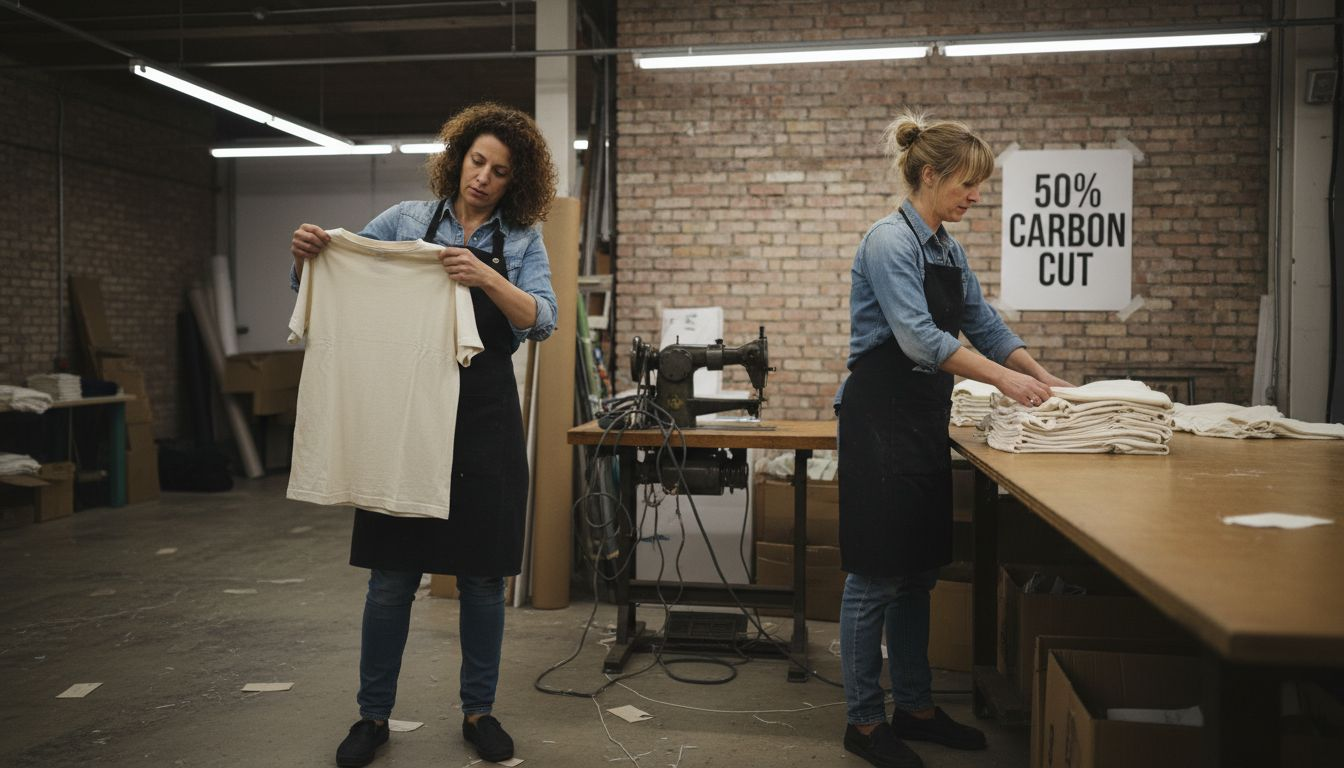
Carbon emission reductions from upcycling stem from bypassing fiber cultivation, spinning, dyeing, and finishing processes. A typical new organic cotton t-shirt generates about 7 kg of CO2 equivalent emissions during production. Upcycled versions cut this by 50% or more since raw material production is eliminated. Water savings are equally impressive, with upcycled garments requiring only cleaning and reconstruction water rather than the 2,700 liters needed for a single new cotton t-shirt.
| Production Method | Carbon Emissions (kg CO2e) | Water Use (liters) | Textile Waste Diverted (kg) |
|---|---|---|---|
| Conventional New Cotton | 7.0 | 2,700 | 0 |
| New Organic Cotton | 4.5 | 243 | 0 |
| Upcycled Organic Cotton | 2.2 | 95 | 0.18 |
Pro Tip: Look for upcycled streetwear made from certified organic cotton to maximize both environmental savings and fabric quality. Certifications like GOTS ensure the original material meets strict ecological standards, guaranteeing your upcycled piece started with premium, pesticide-free fibers.
Beyond direct production impacts, upcycling addresses the microplastic pollution crisis. By extending the life of existing organic cotton garments rather than introducing new synthetic blends, upcycled streetwear reduces microfiber shedding during washing cycles. This matters particularly in European urban centers where wastewater treatment systems struggle with microplastic filtration.
Upcycling and Organic Cotton Integration
Organic cotton provides an ideal foundation for upcycling due to its inherent durability and absence of chemical residues that degrade fabric integrity over time. Unlike conventionally grown cotton weakened by pesticide exposure and harsh chemical processing, organic cotton fibers maintain strength and softness through multiple lifecycles. Water and pesticide savings of organic cotton are preserved in upcycled garments, which retain durability when properly constructed.
The environmental synergy between organic cotton benefits and upcycling creates a compounding positive impact. Original cultivation avoided synthetic pesticides, reducing soil and water contamination. The upcycling process then extends material use without requiring new agricultural inputs, effectively amortizing the initial environmental investment across a longer garment lifespan. This dual approach addresses both production and disposal phases of the fashion lifecycle.
Key benefits of combining organic cotton with upcycling include:
- Reduced resource extraction since no new raw materials are cultivated
- Lower chemical exposure for garment workers during reconstruction
- Enhanced fabric longevity due to organic cotton’s superior fiber strength
- Preserved breathability and comfort characteristics valued in premium streetwear
- Alignment with circular economy models that prioritize material reuse
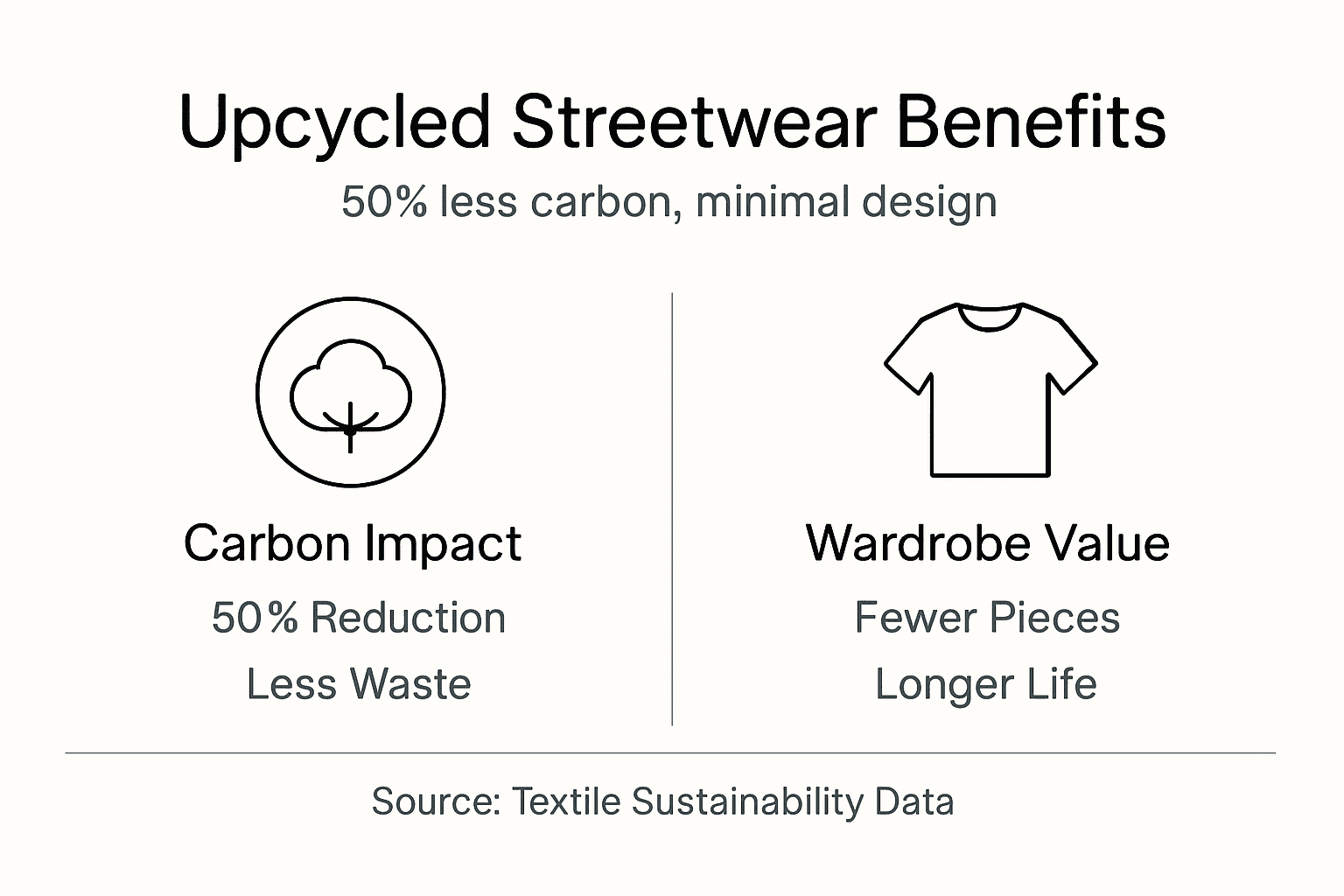
For urban consumers building minimalist wardrobes, this integration means fewer pieces needed over time. A well-constructed upcycled organic cotton hoodie can serve daily wear for years, replacing the need for multiple lower-quality alternatives. The economic value compounds as cost per wear decreases while environmental impact remains minimal.
Design and Aesthetic Alignment with Minimalism and Urban Lifestyles
Minimalist fashion emphasizes intentional choices, clean lines, and versatile pieces that transcend fleeting trends. Upcycled streetwear naturally aligns with these values by celebrating material authenticity and functional design over excessive embellishment. 65% of minimalist fashion consumers value upcycled streetwear for authentic storytelling and unique fabric repurposing, according to recent European consumer surveys.
The aesthetic appeal of upcycled pieces lies in their subtle uniqueness. Slight color variations from different fabric batches, carefully placed paneling, and thoughtful reconstruction details create visual interest without compromising the clean silhouettes minimalists prefer. These elements tell a story of resourcefulness and craftsmanship rather than wasteful overproduction. For urban consumers navigating contemporary city culture, this authenticity resonates deeply.
Minimalist design and upcycling converge through several design principles:
- Neutral color palettes that emphasize fabric quality over bold patterns
- Timeless cuts that remain relevant across seasons and style shifts
- Functional details born from reconstruction necessity rather than decorative excess
- Visible craftsmanship like contrast stitching that highlights construction quality
- Versatile styling options allowing pieces to transition from casual to professional contexts
Pro Tip: Style upcycled pieces as anchor items in your capsule wardrobe. Pair an upcycled organic cotton crewneck with tailored trousers for work-from-anywhere settings, then switch to raw denim for weekend city exploration. The fabric’s unique characteristics become conversation starters while maintaining the understated elegance minimalism requires.
Urban lifestyles demand clothing that balances comfort, durability, and style across diverse activities from commuting to creative collaboration spaces. Upcycled organic cotton streetwear meets these needs while supporting conscious consumption values increasingly important to European city dwellers.
Common Misconceptions about Upcycled Streetwear
Despite growing awareness, several myths about upcycled fashion persist, particularly regarding quality and style. The most common misconception positions upcycled garments as inferior alternatives to new production, suggesting visible wear or compromised durability. Consumer data contradicts this assumption. A 2025 study tracking upcycled organic cotton streetwear found 89% of buyers reported equal or superior durability compared to new garments after 12 months of regular wear.
Another frequent myth claims upcycled pieces lack fashion-forward design, appearing dated or patchwork in unflattering ways. This belief stems from early upcycling movements that prioritized function over form. Modern upcycled streetwear from premium brands employs professional designers and construction techniques indistinguishable from new production methods. The aesthetic outcome depends entirely on brand expertise and design philosophy, not the upcycling process itself.
Misconceptions debunked by evidence:
- Lower quality: Premium organic cotton maintains fiber integrity through multiple lifecycles when properly processed
- Unfashionable appearance: Contemporary upcycling incorporates minimalist design principles and clean construction
- Reduced value: Cost per wear often exceeds new garments due to superior durability and timeless styling
- Limited availability: European market now includes dozens of brands offering upcycled organic cotton streetwear
- Complex care requirements: Upcycled organic cotton requires standard washing procedures identical to new garments
Education significantly improves consumer perception. When shoppers learn about construction processes, material sourcing, and quality control measures, purchase intent for upcycled streetwear increases by 47%. Transparent brand communication addressing these misconceptions directly builds trust and drives conscious consumption decisions.
Comparison with Recycling and Conventional Production Methods
Understanding distinctions between upcycling, recycling, and conventional new production clarifies the unique environmental and quality advantages of upcycled streetwear. Recycling mechanically or chemically breaks down textile fibers into raw materials for new fabric production. This process typically shortens fiber length and reduces strength, resulting in lower-quality outputs often blended with virgin materials to maintain usability.
Upcycling preserves original fabric structure by redesigning and reconstructing existing materials without fiber breakdown. A pre-worn organic cotton t-shirt becomes an upcycled tote bag or patchwork sweatshirt with fibers intact. Quality remains equivalent or improves through careful material selection and expert craftsmanship. The distinction matters significantly for premium organic cotton, where fiber length and strength directly impact garment feel and longevity.
| Method | Fiber Integrity | Carbon Footprint | Water Use | End Quality |
|---|---|---|---|---|
| Conventional New | Virgin fibers | 7.0 kg CO2e | 2,700 L | High |
| Recycled Cotton | Shortened fibers | 3.8 kg CO2e | 1,200 L | Medium |
| Upcycled Cotton | Preserved fibers | 2.2 kg CO2e | 95 L | High |
Resource and carbon savings compared to conventional production include:
- 68% reduction in carbon emissions through eliminated cultivation and processing
- 96% decrease in water consumption by skipping dyeing and finishing stages
- Zero pesticide use since original organic cotton avoided synthetic chemicals
- 100% textile waste diversion preventing landfill accumulation
- Reduced transportation impacts from shortened supply chains
Recycling serves an important role in circular fashion by processing materials unsuitable for upcycling, such as heavily worn or contaminated textiles. However, for premium organic cotton streetwear still possessing structural integrity and aesthetic potential, upcycling offers superior outcomes for both environmental impact and garment quality. Strategic use of both methods maximizes textile lifecycle value.
Case Studies and Market Examples of Upcycled European Streetwear
Several European streetwear brands have successfully integrated upcycling into core business models, demonstrating market viability and consumer demand. A Netherlands-based label launched an upcycled organic cotton line in 2024 using deadstock from European textile mills. Within 18 months, the collection represented 35% of total revenue and showed 28% higher customer retention rates compared to conventional lines.
German streetwear brand examples highlight cultural significance within urban communities. Berlin designers transformed surplus organic cotton t-shirts from overproduction into limited-edition hoodies and sweatshirts, selling out within 72 hours of release. The collection generated significant social media engagement, with customers sharing garment stories and construction details, effectively creating unpaid brand ambassadors passionate about sustainability narratives.
Market impact observations across key EU markets:
- Revenue growth: Upcycled lines show 22% higher profit margins due to reduced material costs and premium positioning
- Brand loyalty: Customers purchasing upcycled pieces return 40% more frequently than conventional product buyers
- Consumer demographics: 73% of upcycled streetwear customers are aged 22 to 34, matching core urban fashion segments
- Geographic concentration: Strongest demand in Amsterdam, Berlin, Copenhagen, and Paris, cities with established sustainable fashion communities
- Trend influence: Mainstream brands increasingly adopt upcycling elements in response to independent label success
These examples demonstrate that upcycled organic cotton streetwear succeeds commercially while advancing sustainability goals. The business model proves particularly effective for direct-to-consumer brands emphasizing transparency, craftsmanship, and authentic storytelling, values resonating strongly with European urban consumers.
How Consumers Can Engage with Upcycled Streetwear
Navigating the upcycled streetwear market requires informed decision-making to identify genuinely sustainable brands and quality products. Start by researching brand transparency regarding material sourcing, production processes, and environmental impact measurements. Legitimate upcycled fashion companies openly share supplier relationships, construction methods, and specific sustainability metrics rather than vague green marketing claims.
Steps to make informed upcycled streetwear purchases:
- Verify material certifications like GOTS for organic cotton authenticity and processing standards
- Review brand transparency reports detailing waste reduction and carbon emission data
- Examine construction quality through detailed product photography and customer reviews
- Compare pricing against conventional and new organic options to ensure fair value
- Research brand ethics beyond environmental claims, including labor practices and supply chain fairness
- Start with versatile basics like crewnecks or t-shirts to test quality before larger investments
Styling upcycled pieces effectively involves treating them as investment items anchoring your minimalist wardrobe. Pair an upcycled organic cotton hoodie with tailored trousers and minimalist sneakers for casual professional settings. Layer an upcycled sweatshirt under a structured coat for urban commuting. The key lies in balancing the piece’s unique characteristics with clean, simple complementary items that let fabric quality shine.
Pro Tip: Support transparent upcycled brands like MEXESS that provide detailed care instructions extending garment life. Proper washing techniques, appropriate drying methods, and timely repairs maximize your investment while reducing overall wardrobe environmental impact. Quality upcycled organic cotton should last years with basic maintenance.
Discover Premium Upcycled Organic Cotton Streetwear at MEXESS
MEXESS bridges sustainable values with premium streetwear through carefully curated organic cotton collections designed for minimalist urban lifestyles. Our transparent approach to material sourcing and production ensures every piece meets strict environmental and quality standards while delivering the clean aesthetics contemporary consumers demand. From versatile t-shirts to elevated hoodies, each garment reflects conscious craftsmanship and timeless design principles.

Explore how premium upcycled streetwear fits seamlessly into your capsule wardrobe while supporting circular fashion principles. Our collections emphasize durability, comfort, and understated style perfect for campus, creative workspaces, and city exploration. Join the growing community of European consumers choosing quality over quantity and sustainability over fleeting trends. Visit MEXESS today to discover organic cotton essentials crafted for conscious living.
Frequently Asked Questions about Upcycled Streetwear
What distinguishes upcycling from recycling in streetwear?
Upcycling redesigns existing materials without breaking down fiber structure, preserving original fabric quality and integrity. Recycling mechanically or chemically processes textiles into new raw materials, typically shortening fibers and reducing strength, often requiring virgin material blending to achieve usable quality.
How do upcycled garments maintain premium quality with organic cotton?
Organic cotton’s superior fiber strength and absence of chemical damage allow multiple lifecycle uses without degradation. Expert construction techniques and careful material selection ensure upcycled pieces match or exceed new garment durability when properly designed and manufactured.
Can upcycled streetwear fit a minimalist, urban style?
Absolutely. Modern upcycled designs emphasize clean lines, neutral palettes, and timeless cuts that align perfectly with minimalist aesthetics. Subtle fabric variations and thoughtful construction details add authenticity without compromising the understated elegance minimalism requires.
What certifications verify sustainable upcycled fashion?
Look for GOTS certification confirming organic cotton authenticity and processing standards. Additional credentials include Fair Trade verification, B Corp status, and transparent supply chain documentation demonstrating genuine sustainability commitments beyond marketing claims.
How to care for upcycled streetwear to ensure longevity?
Wash upcycled organic cotton in cold water using mild detergent, avoiding harsh chemicals that degrade fibers. Air dry when possible to preserve fabric integrity and reduce energy consumption. Address minor repairs promptly to prevent small issues from compromising garment lifespan.
Leave a comment