

Streetwear fuels creative energy for young adults everywhere, but nearly 60 percent of American shoppers say they are confused by what truly makes streetwear authentic. As eco-conscious fans hunt for fashion that speaks to individuality while respecting the planet, misconceptions and hype blur the lines between meaningful style and fleeting trends. This article uncovers the deeper cultural roots of streetwear, reveals the impact of pop culture, and highlights the rise of sustainable choices shaping the global fashion scene.
Table of Contents
- Streetwear Defined And Common Misconceptions
- Major Styles And Emerging Variations
- Influence Of Pop Culture And Social Media
- Sustainable Materials And Ethical Production
- Why Young Adults Gravitate Toward Streetwear
- Risks, Costs, And Fast Fashion Alternatives
Key Takeaways
| Point | Details |
|---|---|
| Streetwear as Cultural Expression | Streetwear transcends fashion, serving as a medium for self-expression and social commentary that reflects individual and group identity. |
| Emerging Styles and Innovation | The streetwear landscape features diverse styles including urban minimalist, oversized silhouettes, and sustainable designs, encouraging personal expression over mere trend-following. |
| Impact of Social Media | Platforms like Instagram and TikTok have reshaped how streetwear is defined, allowing for rapid trend dissemination and elevating diverse creators and cultural narratives. |
| Sustainability and Ethics | Young consumers prioritize sustainable and ethically produced streetwear, challenging brands to adopt transparent practices and environmentally friendly materials. |
Streetwear Defined And Common Misconceptions
Streetwear is far more than just clothing - it’s a cultural movement deeply rooted in urban communities and self-expression. Origins in hip-hop culture reveal streetwear as a powerful form of social communication, transcending traditional fashion boundaries.
Contrary to popular belief, streetwear isn’t simply about wearing expensive brand logos or following fleeting trends. It represents a complex cultural language where clothing serves as an authentic medium for personal narrative and group identity. Young adults today are transforming streetwear from a fashion statement into a nuanced form of social communication, reflecting individual experiences and collective values.
Misconceptions about streetwear often emerge from a superficial understanding of its depth. Many assume it’s just about graphic tees and sneakers, but streetwear functions as a sophisticated cultural performance that communicates far more than aesthetic preferences. It’s a dynamic platform where personal style intersects with social commentary, challenging traditional fashion hierarchies.
Pro Tip: To truly understand streetwear, look beyond the surface and explore the rich cultural narratives embedded in each design and aesthetic choice.
Major Styles And Emerging Variations
Streetweар has dramatically transformed from its underground roots, evolving into a multifaceted fashion ecosystem with diverse stylistic expressions. Streetwear’s cultural journey reflects a complex narrative of self-identity, social connection, and creative innovation.
The contemporary streetwear landscape encompasses several distinctive styles that challenge traditional fashion boundaries. These variations include urban minimalist designs, oversized silhouettes, tech-integrated apparel, and gender-fluid collections that blur conventional fashion categories. Skate and surf influences remain prominent, with graphic-heavy aesthetics and functional design elements continuing to shape modern interpretations.
Fashion trends now blend street, luxury, and casual aesthetics into seamless, adaptable collections. Emerging variations emphasize sustainability, technological integration, and personalized storytelling. Young designers are pushing boundaries by incorporating innovative materials, experimenting with modular clothing concepts, and creating pieces that serve multiple functional and aesthetic purposes.
Here’s a summary of key streetwear styles and their defining traits:
| Style Variation | Distinguishing Features | Cultural Influence |
|---|---|---|
| Urban Minimalist | Clean lines, muted palettes | Modern city lifestyle |
| Oversized Silhouettes | Loose fit, exaggerated shapes | Hip-hop, skateboarding |
| Tech-Integrated | Functional fabrics, smart design | Innovation, tech culture |
| Gender-Fluid | Unisex fits, inclusive shapes | Gender diversity advocacy |
| Graphic-Heavy | Bold prints, statement logos | Skate and street art |
Pro Tip: Explore streetwear styles by mixing unexpected elements and prioritizing personal expression over strict trend adherence.
Influence Of Pop Culture And Social Media
Social media has revolutionized streetwear, transforming how young adults discover, engage with, and define fashion trends. Generation Z’s digital influence has fundamentally reshaped the streetwear landscape, creating unprecedented channels for creative expression and brand interaction.
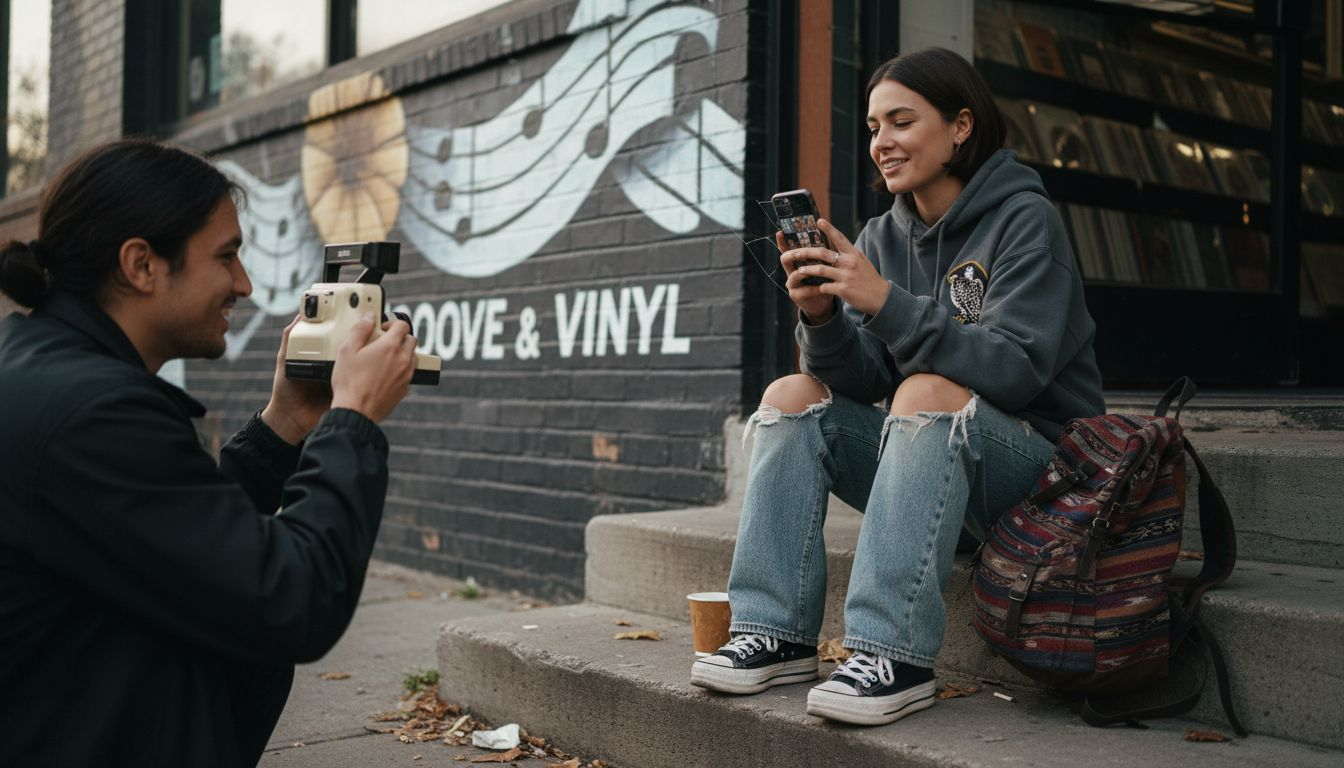
Instagram, TikTok, and other visual platforms have become critical battlegrounds for streetwear identity, where influencers, musicians, and artists collaborate to generate viral fashion moments. These digital ecosystems amplify niche styles, democratize trend-setting, and provide instantaneous global visibility for emerging designers and underground fashion movements. Social media platforms drive streetwear’s cultural narrative, enabling rapid trend transmission and creating complex networks of cultural exchange.
The symbiosis between pop culture and streetwear continues to evolve, with hip-hop, urban art, and activist movements serving as powerful catalysts for design innovation. Musicians, athletes, and cultural icons now function as living canvases, transforming streetwear from clothing into a dynamic form of social communication. Their ability to blend personal storytelling with fashion creates powerful narratives that resonate far beyond aesthetic preferences.
Pro Tip: Follow diverse streetwear creators across multiple platforms to understand the nuanced cultural conversations driving fashion innovation.
Sustainable Materials And Ethical Production
Sustainability has become a critical driving force in contemporary streetwear, transforming how young consumers view fashion production and environmental responsibility. Gen Z’s ethical consumption priorities are reshaping the industry, demanding transparency, eco-conscious materials, and responsible manufacturing practices.
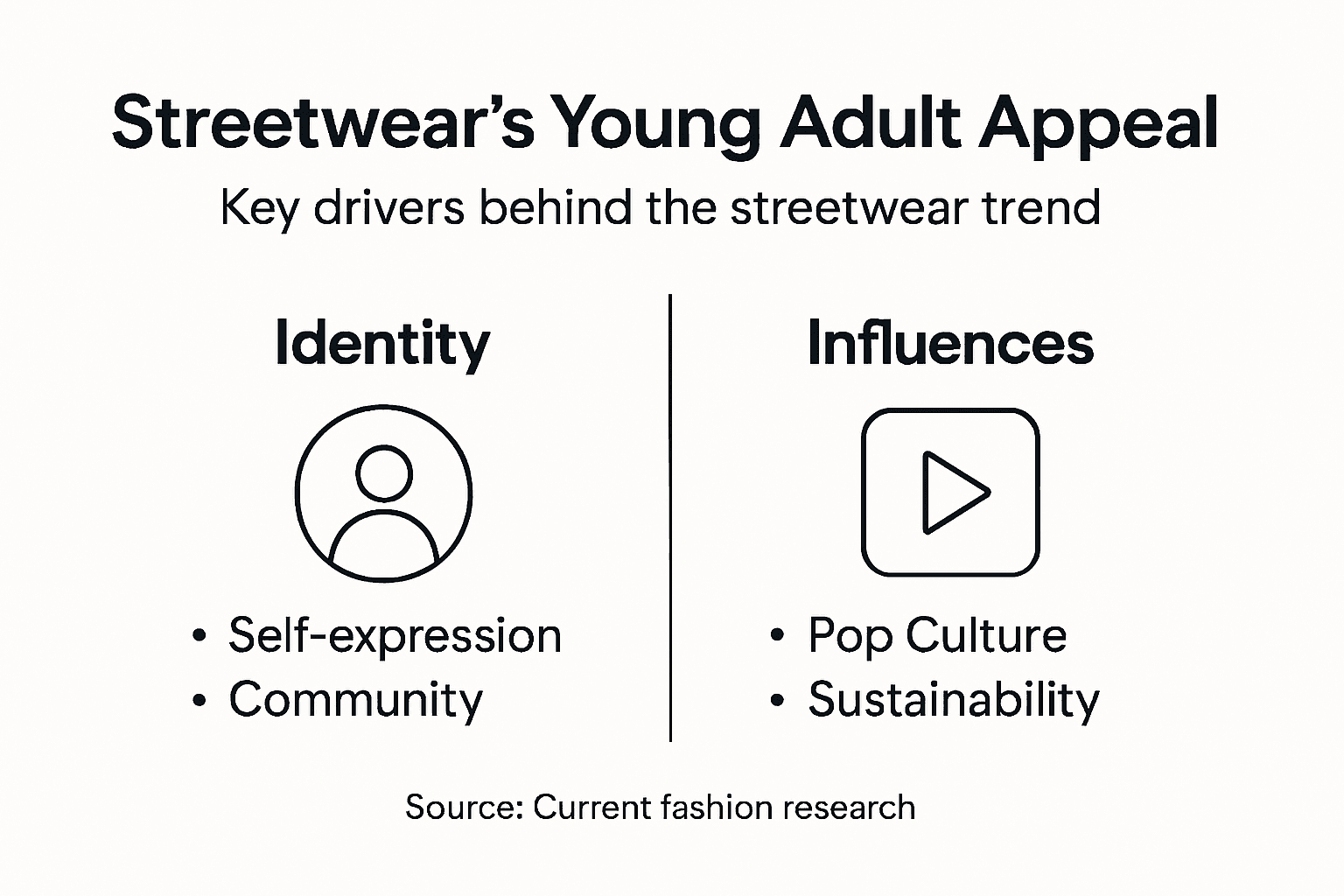
The streetwear landscape now increasingly emphasizes recycled fabrics, organic materials, and production techniques that minimize environmental impact. Brands are responding by integrating innovative sustainable technologies, such as water-conserving dyeing processes, organic cotton sourcing, and transparent supply chain practices. This shift represents more than a trend - it’s a fundamental reimagining of fashion’s relationship with environmental stewardship.
Ethical production has moved from a niche consideration to a core expectation among young streetwear enthusiasts. Consumers now actively investigate brand practices, seeking companies that demonstrate genuine commitment to social responsibility, fair labor conditions, and ecological sustainability. This heightened awareness has created a powerful market incentive for brands to implement meaningful changes in their production methodologies, transforming sustainability from a marketing strategy to a fundamental operational principle.
Pro Tip: Research brands’ sustainability certifications and supply chain transparency before making purchasing decisions to support genuinely ethical streetwear.
Why Young Adults Gravitate Toward Streetwear
Streetweаr represents far more than a fashion choice - it’s a powerful medium of self-expression and cultural connection for young adults. Personal identity through clothing has become a critical mechanism for individuals to communicate their values, experiences, and social affiliations.
The appeal of streetwear extends beyond aesthetic preferences, diving deep into psychological and social dynamics. Youth seek authenticity and cultural rebellion through their clothing choices, using streetwear as a nuanced language of personal narrative. Music, digital communities, and activist movements intersect within streetwear, creating a multidimensional platform that resonates with young adults’ desire for meaningful self-representation.
Streetweаr’s intrinsic flexibility allows young adults to curate complex identities that transcend traditional fashion boundaries. By mixing comfort, artistic expression, and social commentary, streetwear enables individuals to challenge existing norms, signal group membership, and communicate sophisticated personal stories without uttering a single word. The clothing becomes a canvas, transforming individual style into a dynamic form of social communication.
Pro Tip: Approach streetwear as a form of personal storytelling, selecting pieces that genuinely reflect your unique experiences and values.
Risks, Costs, And Fast Fashion Alternatives
Streetweаr’s growing popularity brings complex challenges around accessibility, affordability, and ethical consumption. Streetwear’s economic complexities reveal significant risks for consumers navigating an increasingly competitive market, where hype and exclusivity often drive pricing strategies.
The financial barriers to authentic streetwear can be substantial, with limited edition pieces sometimes costing hundreds or thousands of dollars. Market competition drives fast fashion alternatives that attempt to mimic streetwear aesthetics at lower price points. However, these alternatives frequently compromise quality, cultural authenticity, and ethical production standards, presenting consumers with a challenging ethical dilemma.
The following table outlines the benefits and tradeoffs between authentic and fast fashion streetwear options:
| Factor | Authentic Streetwear | Fast Fashion Alternatives |
|---|---|---|
| Price | Higher, often premium | Lower, budget-focused |
| Quality | Durable materials, lasting wear | Lower quality, short lifespan |
| Cultural Authenticity | Rooted in urban narratives | Often imitation, less meaningful |
| Environmental Impact | More sustainable, ethical focus | Typically less eco-friendly |
Navigating streetwear’s economic landscape requires careful consideration of value, sustainability, and cultural respect. Consumers must balance their desire for trendy clothing with understanding the deeper implications of their purchasing choices, including environmental impact, labor practices, and the potential dilution of streetwear’s rich cultural heritage. Emerging brands are increasingly offering more accessible, ethically produced alternatives that maintain the spirit of streetwear without astronomical pricing.
Pro Tip: Research brands that offer ethical, affordable streetwear alternatives and prioritize quality over quantity in your wardrobe.
Embrace Authentic Streetwear With Sustainable Style
Young adults today face real challenges finding streetwear that truly reflects their identity while honoring their values around sustainability and ethical production. The emotional pull of streetwear as a powerful form of self-expression meets the need for eco-conscious choices. If you want streetwear that aligns with your personal story and social responsibility, it is essential to choose apparel designed with organic fabrics and transparent manufacturing.
Discover how MEXESS.com answers this demand by curating a collection of sweatshirts, hoodies, and T-shirts made from sustainable materials that do not compromise style or comfort. Explore our new arrivals and experience streetwear that speaks to your individuality while supporting a greener future.

Take the step to elevate your wardrobe with authentic, eco-friendly streetwear that matches your lifestyle. Visit MEXESS.com today and enjoy free shipping on multiple items plus easy 30-day returns. Your next statement piece awaits and it is waiting for you now.
Frequently Asked Questions
Why is streetwear appealing to young adults?
Streetwear appeals to young adults as it serves as a powerful medium of self-expression and cultural connection, allowing individuals to communicate their values and experiences through their clothing choices.
What are the key styles within streetwear?
Key styles within streetwear include urban minimalist designs, oversized silhouettes, tech-integrated apparel, gender-fluid collections, and graphic-heavy aesthetics, each reflecting different cultural influences and personal expressions.
How has social media influenced streetwear trends?
Social media has revolutionized streetwear by amplifying niche styles, enabling rapid trend transmission, and facilitating collaborations between influencers, musicians, and artists, thus creating a vibrant cultural narrative.
What role does sustainability play in modern streetwear?
Sustainability plays a crucial role in modern streetwear as young consumers prioritize ethical consumption, demanding transparency, eco-friendly materials, and responsible manufacturing practices from brands.
0 comments