

Selecting sustainable streetwear for your capsule wardrobe means navigating complex environmental claims and ethical promises. With organic cotton reducing pesticide use by 91% compared to conventional alternatives, your fashion choices carry measurable impact. This checklist empowers you to evaluate materials, certifications, production ethics, and design durability so every purchase aligns with your values while building a minimalist wardrobe that lasts.
Table of Contents
- How To Choose Sustainable Streetwear: Key Criteria
- Material Sustainability: Organic Cotton, Recycled Fibers, And Certifications
- Ethical Production: Fair Wages And Worker Wellbeing
- Design And Durability: Building A minimalist Capsule Wardrobe
- Consumer Considerations: Price, Transparency, And Care
- Comparative Summary: Sustainable Fashion Options For Streetwear
- Situational Recommendations: Choosing Sustainable Streetwear For Your Capsule Wardrobe
- Explore Sustainable Streetwear Collections At MEXESS
- Frequently Asked Questions About Sustainable Fashion Checklist
Key takeaways
| Point | Details |
|---|---|
| Material certifications matter | GOTS certification and OEKO-TEX verify sustainable materials and safe manufacturing processes. |
| Ethical production builds trust | Fair wage policies and transparent supply chains ensure worker wellbeing and increase consumer confidence. |
| Minimalist design reduces consumption | Versatile, durable pieces cut garment purchases by up to 40% while extending wardrobe lifespan. |
| Care extends garment life | Cold washing and air drying can increase clothing longevity by 50%, maximizing your investment. |
| Price premiums reflect quality | Certified organic streetwear costs 15-25% more but delivers superior durability and verified environmental benefits. |
How to choose sustainable streetwear: key criteria
Building a sustainable capsule wardrobe requires evaluating streetwear across four critical dimensions. Material choices and certifications provide traceability and environmental guarantees, ensuring your garments meet verified organic or recycled standards. Ethical production standards address fair wages, safe working conditions, and supply chain transparency, confirming your purchases support worker wellbeing.
Design principles focusing on minimalism, versatility, and durability reduce how often you need to replace pieces. Timeless silhouettes and neutral palettes enable endless outfit combinations, supporting urban lifestyles without excess consumption. Finally, practical considerations around price, brand transparency, and garment care determine long-term value and sustainability impact.
When evaluating sustainable streetwear, prioritize these criteria:
- Material sustainability through certified organic cotton or recycled fibers
- Ethical manufacturing with fair wages and safe conditions
- Minimalist design that supports versatile capsule wardrobes
- Transparent pricing and supply chain information
- Care instructions that extend garment lifespan
These factors work together to create genuinely sustainable fashion choices. A GOTS certified organic tee represents not just reduced pesticide use, but also ethical labor practices and chemical-free processing that protects workers and ecosystems throughout production.
Material sustainability: organic cotton, recycled fibers, and certifications
Fabric choice drives your garment’s environmental footprint more than any other factor. Organic cotton eliminates synthetic pesticides and fertilizers, reducing pesticide use by 91% and water use by 35% compared to conventional cotton cultivation. This dramatic reduction protects soil health, waterways, and farmworker safety while producing softer, more breathable streetwear.
Recycled polyester offers different sustainability benefits by diverting plastic waste from landfills and oceans. Production of recycled polyester blends cuts CO2 emissions by 30-50% during manufacturing compared to virgin polyester. While not biodegradable, recycled synthetics provide durability and performance for activewear-inspired streetwear pieces.
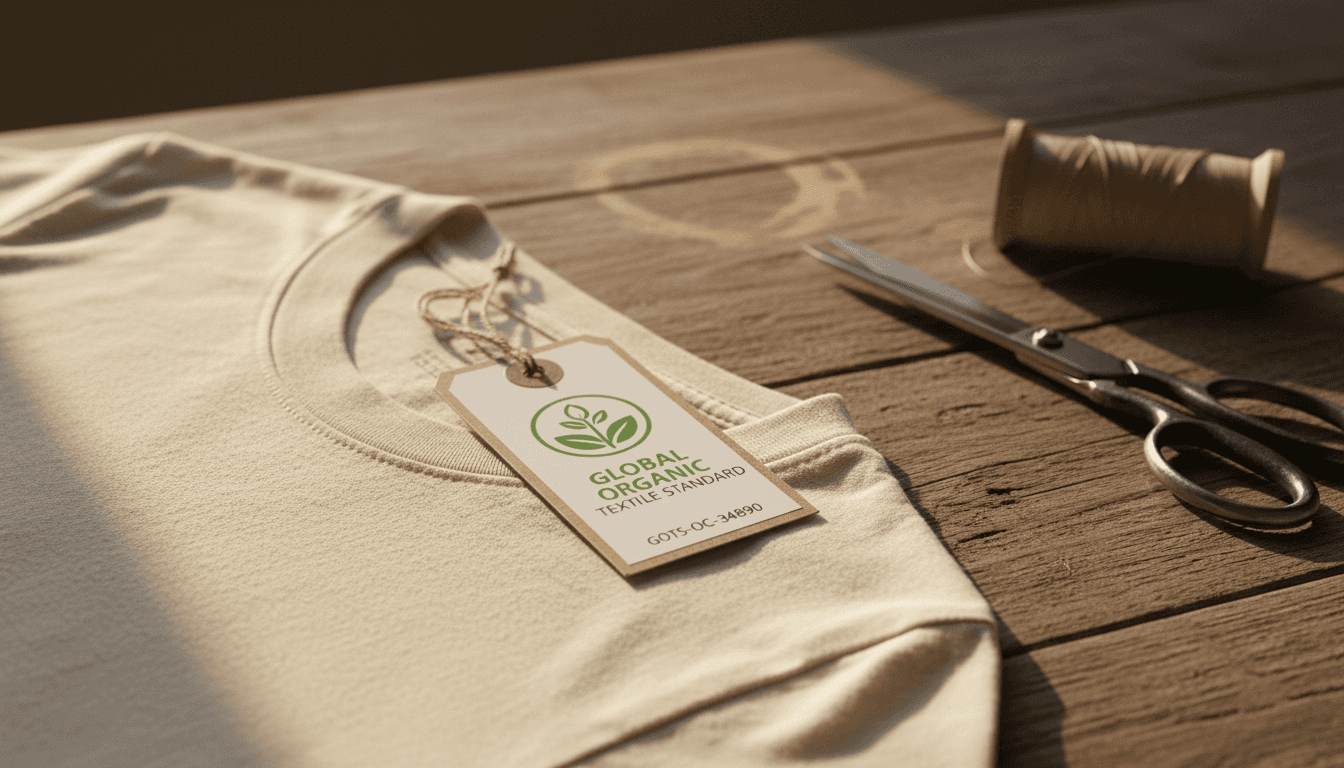
Certifications remove guesswork from material evaluation. GOTS certification verifies organic fiber content, prohibits harmful chemicals, and mandates ethical labor standards throughout processing. OEKO-TEX Standard 100 certifies textiles are free from harmful substances, testing for over 300 toxic chemicals that can irritate skin or harm health.
Key certifications to look for:
- GOTS for comprehensive organic standards covering fiber, processing, and labor
- OEKO-TEX for chemical safety and skin-friendly textiles
- Recycled Claim Standard (RCS) for verified recycled content
- Bluesign for responsible chemical management in textile production
| Material Type | Environmental Benefit | Certification |
|---|---|---|
| Organic Cotton | 91% less pesticide, 35% less water | GOTS |
| Recycled Polyester | 30-50% lower CO2 emissions | OEKO-TEX, RCS |
| Hemp Blend | Minimal water, no pesticides | GOTS |
| Tencel/Lyocell | Closed-loop processing, biodegradable | OEKO-TEX |
Pro Tip: Check garment labels for certification logos and serial numbers. Authentic GOTS and OEKO-TEX certifications include traceable codes you can verify on official websites, confirming your streetwear meets published standards rather than relying on vague marketing claims.
Ethical production: fair wages and worker wellbeing
Sustainable fashion extends beyond materials to encompass the people who make your clothes. Fair wages ensure garment workers earn enough to meet basic needs and support families, while safe working conditions protect physical and mental health. Brands committed to ethical production invest in worker training, reasonable hours, and grievance mechanisms that empower employees.
Transparent supply chains build consumer confidence by revealing where and how garments are made. When brands publish factory lists and audit results, you can verify ethical claims rather than trusting marketing alone. This transparency reduces purchase anxiety and returns, as shoppers feel confident their values align with brand practices.
Fair wage policies increase worker retention rates by 20-30%, reducing turnover costs and improving garment quality through experienced craftsmanship. Stable employment also strengthens local economies in manufacturing regions, creating positive ripple effects beyond individual factories.
Ethical production indicators to evaluate:
- Published living wage commitments for all supply chain workers
- Third-party audits from Fair Trade, SA8000, or WRAP certifications
- Factory location disclosure and worker testimonials
- Investment in worker education and advancement programs
- Clear policies on forced labor, child labor, and discrimination
Pro Tip: Research brands on Good On You or Fashion Revolution’s transparency index before purchasing. These platforms aggregate ethical production data, certifications, and brand policies, offering quick comparisons that reveal which companies genuinely prioritize worker wellbeing versus those making superficial claims.
Design and durability: building a minimalist capsule wardrobe
Thoughtful design multiplies sustainability impact by reducing how many garments you need to own. Minimalist design reduces garment consumption by up to 40% by emphasizing versatile basics that work across multiple outfits and occasions. Neutral colors, clean silhouettes, and timeless cuts ensure pieces remain stylish beyond fleeting trends.
Durability determines how long garments stay in active rotation before wearing out. Quality organic cotton withstands about 30% more wash cycles than fast fashion equivalents, maintaining shape and softness through years of regular use. Reinforced stitching, durable buttons, and quality zippers prevent premature failures that send otherwise functional clothes to landfills.
Capsule wardrobes built around 30-40 sustainable pieces can cut your fashion carbon footprint by approximately 60% compared to conventional wardrobes. This reduction comes from fewer total purchases, longer garment lifespans, and strategic selection of items that layer and combine effectively for urban lifestyles.
Design features that support sustainability:
- Classic cuts that transcend seasonal trends
- Neutral palettes (black, white, gray, navy, olive) for maximum mixing
- Medium-weight fabrics suitable for year-round or transitional wear
- Minimal branding that maintains versatility
- Adjustable elements like drawstrings or cuffs for fit flexibility
Pro Tip: Before buying, visualize three different outfits using the piece with items you already own. If you can’t immediately see multiple styling options, the garment may not offer enough versatility for a sustainable capsule wardrobe, regardless of its eco-credentials.
Consumer considerations: price, transparency, and care
Sustainable streetwear typically carries a 15-25% price premium over conventional alternatives. This increase reflects certified organic cotton costs, ethical labor wages, and third-party audits that verify environmental and social claims. While higher upfront costs may seem prohibitive, durability and longevity often deliver better value per wear over garment lifespans.
Transparency has become a decisive purchase factor, with 68% of European consumers preferring brands that openly share supply chain information. Detailed product pages disclosing fabric sources, manufacturing locations, and certification details build trust that justifies premium pricing. Brands hiding this information raise red flags about authenticity of sustainability claims.
Garment care directly impacts environmental footprint and lifespan. Cold washing and air drying can extend clothing life by up to 50% by reducing fiber breakdown, color fading, and shrinkage. These simple practices also cut energy consumption from hot water heating and mechanical drying, compounding sustainability benefits.
Practical strategies to maximize sustainable fashion value:
- Calculate cost per wear by dividing price by expected number of uses
- Prioritize versatile pieces that work for work, weekend, and social occasions
- Learn basic repairs like button reattachment and small seam fixes
- Store garments properly to prevent unnecessary damage
- Sell or donate pieces you no longer wear to extend their useful life
When price premiums feel steep, remember that two $80 organic cotton tees worn 100 times each deliver better value and lower environmental impact than five $25 conventional tees worn 30 times before disposal. Quality and versatility trump quantity in sustainable wardrobes.
Comparative summary: sustainable fashion options for streetwear
Different sustainable materials offer distinct advantages depending on your priorities. Organic cotton excels in biodegradability, breathability, and pesticide reduction, making it ideal for everyday basics like tees, hoodies, and sweatshirts. GOTS certification ensures 100% traceability and compliance across fiber sourcing and processing stages.
Recycled polyester shines in durability and moisture management for performance-oriented streetwear. While not biodegradable, it diverts plastic waste and significantly reduces production emissions. OEKO-TEX Standard 100 certifies textiles free from harmful substances, ensuring chemical safety regardless of fiber origin.
| Material | Environmental Impact | Certification | Price Premium | Durability | Best For |
|---|---|---|---|---|---|
| GOTS Organic Cotton | 91% less pesticide, 35% less water | GOTS | 20-25% | High | Basics, sensitive skin |
| Recycled Polyester | 30-50% lower CO2 | OEKO-TEX | 15-20% | Very High | Active pieces |
| Hemp Blend | Minimal water/pesticides | GOTS | 25-30% | Very High | Structured items |
| Conventional Cotton | High pesticide/water use | None | Baseline | Medium | Budget options |
Certification differences matter when evaluating claims:
- GOTS covers organic fiber standards, chemical processing, and ethical labor
- OEKO-TEX focuses exclusively on textile safety and harmful substance testing
- Fair Trade adds social premiums supporting worker communities
- Bluesign emphasizes responsible chemical management throughout supply chains
Price premiums reflect certification costs, organic farming practices, and fair wage commitments. GOTS certified garments cost more due to comprehensive standards covering multiple sustainability dimensions, while OEKO-TEX certification addresses narrower chemical safety criteria at lower incremental cost.
Durability comparisons reveal organic cotton and hemp excel in longevity with proper care, while recycled polyester offers superior resilience against wear and pilling. Your lifestyle needs should guide material selection, balancing environmental priorities with practical performance requirements.
Situational recommendations: choosing sustainable streetwear for your capsule wardrobe
Your ideal sustainable streetwear depends on individual circumstances and priorities. For sensitive skin or chemical concerns, GOTS certified organic cotton provides maximum safety with complete traceability from farm to finished garment. The comprehensive standards eliminate pesticide residues and processing chemicals that can trigger irritation or allergic reactions.
Budget-conscious shoppers benefit from OEKO-TEX certified recycled polyester blends that deliver sustainability improvements at lower price premiums than organic cotton. These options work especially well for activewear-inspired streetwear pieces where durability and performance matter more than breathability.
Minimalist capsule wardrobes thrive on versatile organic cotton basics in neutral colors. A foundation of certified tees, hoodies, and sweatshirts supports endless outfit combinations for urban lifestyles while maintaining ethical production standards. The durability of quality organic cotton justifies higher upfront costs through years of regular wear.
Match sustainable streetwear to your needs:
- Sensitive skin: Prioritize GOTS organic cotton for chemical-free comfort
- Active lifestyles: Choose recycled polyester for moisture management and resilience
- Minimalist wardrobes: Invest in versatile organic basics in timeless silhouettes
- Transparency seekers: Select brands publishing detailed supply chain information
- Budget limits: Start with OEKO-TEX certified pieces and gradually upgrade
Brands demonstrating genuine commitment share detailed sustainability reports, publish factory information, and invest in continuous improvement rather than resting on single certifications. Look for companies treating sustainability as ongoing practice rather than marketing buzzword.
Explore sustainable streetwear collections at MEXESS
Ready to build your sustainable capsule wardrobe with pieces meeting these criteria? MEXESS curates premium organic cotton streetwear designed for minimalist urban lifestyles, emphasizing timeless silhouettes and versatile styling. Every collection balances contemporary aesthetics with sustainability principles outlined throughout this checklist.

Discover tees, hoodies, and essentials crafted from certified materials and produced under ethical standards. Whether you’re adapting streetwear for professional settings or following our minimalist fashion guide, you’ll find pieces supporting conscious consumption without compromising style. Explore collections that prove sustainable fashion can meet both environmental values and modern aesthetic expectations.
Frequently asked questions about sustainable fashion checklist
How do I verify sustainability certifications on garment labels?
Authentic certifications include traceable codes or serial numbers printed on hang tags or sewn into garments. Visit official websites like global-standard.org for GOTS or oeko-tex.com to verify codes using online databases. Legitimate certifications provide transparency, while vague terms like “eco-friendly” without supporting documentation indicate greenwashing.
What are the main environmental advantages of recycled polyester?
Recycled polyester diverts plastic bottles and textile waste from landfills while cutting production emissions by 30-50% compared to virgin polyester. It requires less energy and water during manufacturing. However, it still sheds microplastics during washing, so pair with filtration bags to capture fibers before they reach waterways.
How do care routines affect garment sustainability?
Cold washing reduces energy consumption by up to 90% compared to hot water cycles while protecting fabric integrity. Air drying eliminates dryer energy use and prevents heat damage that shortens garment life. These practices can extend clothing lifespan by 50%, maximizing the value of your sustainable investment and reducing replacement frequency.
Are price premiums for sustainable streetwear worth the quality difference?
Certified sustainable garments typically last 30-50% longer than fast fashion equivalents due to superior materials and construction. Calculate cost per wear by dividing price by expected uses. A $75 organic tee worn 150 times costs $0.50 per wear versus a $20 conventional tee worn 40 times at $0.50 per wear, delivering equal value with far lower environmental impact.
How can I identify truly ethical brands beyond marketing claims?
Research brands on third-party platforms like Good On You, Fashion Revolution’s transparency index, or Ethical Consumer. Look for published sustainability reports, factory location lists, and specific wage commitments rather than vague promises. Genuine ethical brands welcome scrutiny and continuously improve rather than hiding behind minimal certifications or marketing buzzwords.
Does organic cotton really make a difference for the environment?
Organic cotton eliminates synthetic pesticides that contaminate soil and water while reducing water consumption by 35%. The 91% pesticide reduction protects farmworker health and surrounding ecosystems. While requiring more land than conventional cotton, organic practices build soil health over time, supporting long-term agricultural sustainability that industrial farming depletes.
Αφήστε ένα σχόλιο