
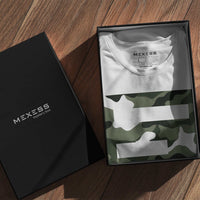

Sorting through endless racks for the perfect streetwear piece can feel like choosing between style and your values. For young, urban guys who care about fashion and the planet, the search for something better is personal. Eco fabrics like organic cotton, hemp, linen, Tencel, and recycled polyester are changing the game by making it possible to look good without harmful impact, giving you the option to rock streetwear that matches both your style and your standards.
Table of Contents
- What Are Eco Fabrics in Fashion?
- Types of Eco Fabrics Used in Clothing
- How Eco Fabrics Shape Modern Streetwear
- Environmental and Ethical Benefits Explained
- Challenges and Misconceptions About Eco Fabrics
Key Takeaways
| Point | Details |
|---|---|
| Sustainable Materials Matter | Eco fabrics like organic cotton and recycled polyester significantly reduce environmental impact compared to conventional textiles. |
| Innovation in Design | Modern streetwear brands are integrating eco fabrics creatively, proving that sustainability and style can coexist. |
| Consumer Choices Drive Change | Your purchasing decisions can influence brands to adopt sustainable practices and transparency in their supply chains. |
| Be Aware of Misconceptions | Not all natural fabrics are sustainable; understanding the full lifecycle of materials is essential to make informed choices. |
What Are Eco Fabrics in Fashion?
Eco fabrics are sustainable materials designed to replace conventional textiles while cutting down on environmental damage. Think of them as the thoughtful alternative to standard fabric production. At their core, eco fabrics include organic cotton, hemp, linen, Tencel, recycled polyester, and bio-based fibers that reduce water usage, chemical pollution, and carbon emissions compared to traditional textiles. These materials form the backbone of what’s known as circular fashion, a movement pushing the industry toward minimizing waste and maximizing resource efficiency.
What makes these fabrics different from what you’ll find in most fast-fashion stores? The production process matters enormously. Sustainable textiles emphasize natural, biodegradable or recycled materials while supporting biodiversity and ethical production standards. When you wear a shirt made from organic cotton instead of conventional cotton, you’re avoiding approximately 16,000 liters of water wasted in traditional production. Recycled polyester takes discarded plastic bottles out of landfills and transforms them into wearable material. Tencel comes from sustainably managed forests and breaks down naturally in the environment. These aren’t compromises on quality either, they’re legitimate upgrades that feel better against your skin and last longer.
Why should you care? Because eco fabrics in fashion are developed to reduce environmental harm from traditional textile manufacturing while providing cost-effective choices for consumers. The streetwear scene has taken notice. Brands are realizing that young guys actually want clothes that don’t destroy the planet, especially when the quality and style match or exceed what traditional brands offer. You get pieces that look clean, feel comfortable, and don’t carry the guilt of environmental destruction attached to them. This shift isn’t about sacrifice; it’s about getting better clothes that align with your values.
Pro tip: Check the fabric tag when shopping for eco streetwear; labels like “organic,” “GOTS-certified,” or “recycled” signal genuine sustainable materials, while vague terms like “eco-friendly” often mean nothing without third-party verification.
Types of Eco Fabrics Used in Clothing
Eco fabrics break down into three main categories, each with distinct environmental benefits and performance characteristics. Understanding what you’re actually buying makes a real difference when shopping for sustainable streetwear. The categories are natural sustainable fabrics, semi-synthetic materials, and recycled synthetics. Each serves a different purpose in your wardrobe, and knowing their strengths helps you make smarter purchases that last longer and perform better.
Natural sustainable fabrics include organic cotton, linen, and hemp. Organic cotton grows without synthetic pesticides or fertilizers, cutting chemical pollution by roughly 98 percent compared to conventional cotton farming. Linen comes from flax plants and requires minimal water and pesticides. Hemp is arguably the toughest of the bunch, naturally resistant to pests and decay, making garments that actually get better with wear. These materials feel soft on your skin and breathe well, which is why they dominate quality streetwear basics. Semi-synthetic fabrics like rayon, lyocell, and modal come from plant cellulose but undergo chemical processing. Lyocell, often sold under the brand name Tencel, uses a closed-loop production system that recycles 99 percent of its solvents. Modal is similar but slightly less resource-intensive. Recycled synthetics including recycled polyester and nylon alternatives transform discarded materials into new textiles without requiring fresh crude oil extraction.
Here’s where it gets practical for your actual wardrobe. You’ll find organic cotton in t-shirts, hoodies, and joggers because it’s versatile and durable. Linen works best for summer pieces because it’s breathable and gets softer after multiple washes. Hemp shows up in jackets and heavier pieces since it’s incredibly strong. Lyocell and modal work well in fitted garments like long-sleeves and dresses because they drape smoothly. Recycled polyester appears in outerwear, bags, and accessories where durability and water-resistance matter most. When sustainable fabrics are sourced and manufactured with sustainability in mind, from raw material to final product, you get clothing that performs, looks clean, and doesn’t destroy ecosystems in the production process.

Here’s a comparison of popular eco fabrics and their unique advantages:
| Fabric Type | Main Strength | Best Use in Streetwear |
|---|---|---|
| Organic Cotton | Soft, chemical-free | T-shirts, hoodies, joggers |
| Linen | Highly breathable, light | Summer shirts, relaxed pants |
| Hemp | Extremely durable, natural | Jackets, heavyweight pieces |
| Recycled Polyester | Water-resistant, sturdy | Outerwear, bags, accessories |
| Lyocell/Tencel | Smooth, sustainable process | Fitted tops, dresses, linings |
Pro tip: Mix fabric types in your rotation; combine organic cotton basics with recycled polyester outerwear and hemp jackets to maximize durability while keeping your environmental footprint low across different seasonal needs.
How Eco Fabrics Shape Modern Streetwear
Eco fabrics are fundamentally changing what streetwear looks like and how it functions. The shift goes beyond marketing hype; it’s a genuine revolution in how brands approach design and production. When you grab a hoodie made from organic cotton or a jacket with recycled polyester lining, you’re holding a piece of clothing that reflects years of innovation in sustainable materials science. Natural fiber-based sustainable materials are gaining traction in streetwear because they offer biodegradability, affordability, and measurable environmental benefits. This combination makes eco fabrics economically viable for brands while actually delivering on the sustainability promise. The aesthetic hasn’t suffered either. Modern streetwear brands are proving that sustainable pieces can look just as sharp as anything from conventional fashion houses.
The visual and functional changes are impossible to ignore. Brands are experimenting with hybrid fabrics that blend natural and synthetic fibers to maximize performance while keeping environmental impact low. A shirt might combine organic cotton with recycled polyester for durability and stretch. A jacket could feature hemp exterior with lyocell lining for breathability and structure. These material combinations create pieces that perform in real urban environments, not just look good in photos. Modern streetwear embraces eco fabrics as part of a sustainability revolution, blending style with environmental consciousness in ways that feel authentic rather than performative. You see it in oversized fits cut from certified organic cotton, in track pants using recycled plastic bottles, in beanies and accessories featuring innovative bio-based materials.
What’s particularly interesting is how sustainable fabrics influence the entire production process from sourcing through manufacturing to distribution. Brands adopting eco materials often rethink their entire supply chain, resulting in lower carbon emissions, reduced water waste, and fairer labor practices. This systemic approach creates better products that last longer and maintain their structure through repeated washing and wearing. Consumer demand for sustainable streetwear is rising globally, pushing even mainstream brands to adapt. You’re not making a sacrifice by choosing eco friendly pieces anymore; you’re actually getting higher quality clothing that aligns with your values. The streetwear aesthetic itself is evolving to celebrate sustainable materials through visible design choices like raw seams, natural dye variations, and transparent fabric content labeling.
Pro tip: Look for brands that specify fiber content percentages and certifications like GOTS, Fair Trade, or Cradle to Cradle; these details signal genuine sustainability commitment rather than surface-level eco-branding.
Environmental and Ethical Benefits Explained
Choosing eco fabrics isn’t just about feeling good about your purchase. The environmental impact is measurable and significant. When you wear organic cotton instead of conventional cotton, you avoid contributing to roughly 16 percent of global pesticide use despite cotton representing only 2.5 percent of cultivated land. Eco fabrics reduce environmental impact by lowering water and energy consumption, decreasing greenhouse gas emissions, and minimizing toxic chemical use compared to conventional textiles. A single cotton shirt requires approximately 2,700 liters of water to produce conventionally. Organic cotton cuts that figure dramatically. Recycled polyester removes plastic waste from landfills and oceans, transforming discarded bottles into wearable material without requiring new petroleum extraction. Hemp requires virtually no pesticides, thrives in poor soil conditions, and actually regenerates the land it grows on. These aren’t minor differences. They’re transformations that compound across millions of garments.
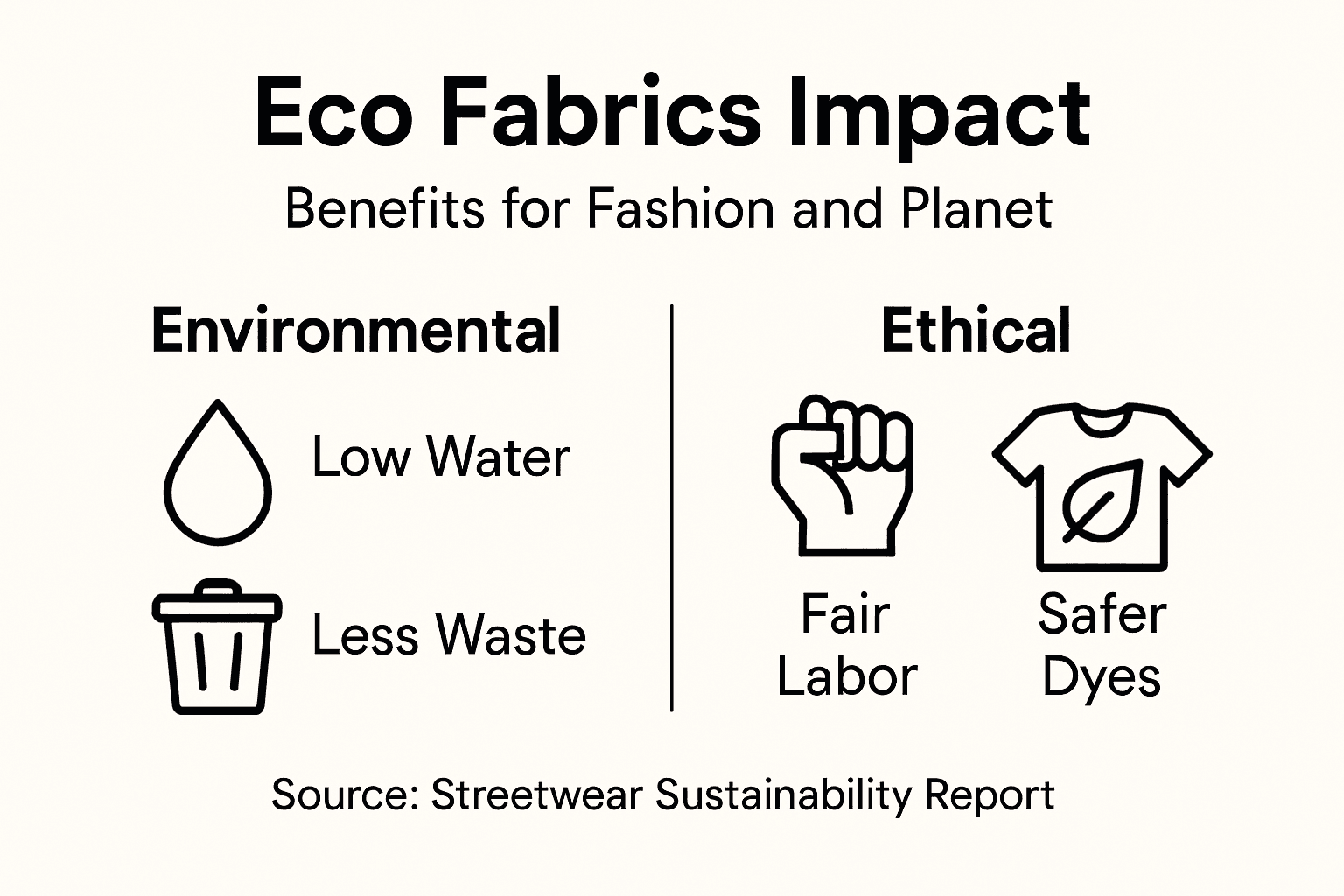
The ethical side matters just as much as the environmental metrics. Eco-friendly fabrics support ethical production through transparent and fair manufacturing processes that emphasize social responsibility globally. Conventional textile production often relies on workers in low-wage countries facing unsafe conditions and exploitation. Sustainable fabric producers typically enforce strict labor standards, provide fair wages, and maintain safe working environments. Organic farming methods protect farmer health by eliminating exposure to toxic pesticides that cause long-term health problems. Fair trade certifications ensure that money actually reaches farmers and workers rather than disappearing into corporate margins. When brands commit to eco fabrics, they usually commit to the entire supply chain, from field to factory to your closet.
The biodiversity impact rounds out the picture. Monoculture cotton farming destroys ecosystems and depletes soil. Organic and alternative crops like hemp actively restore soil health and support diverse wildlife. Synthetic fabrics from petrochemicals fuel climate change and leave permanent microfiber pollution in oceans. Biodegradable and recyclable eco fabrics break down naturally or get repurposed into new products rather than clogging landfills for centuries. When you buy one sustainable hoodie, you’re casting a vote for an entire system that respects workers, protects environments, and actually considers the true cost of clothing. The streetwear community is leading this shift because young consumers like you understand that style and ethics aren’t opposing forces.
This table summarizes the key environmental and ethical benefits of choosing eco fabrics:
| Benefit Category | Positive Impact | Example Eco Fabric |
|---|---|---|
| Water Conservation | Drastically reduced consumption | Organic cotton |
| Waste Reduction | Diverts plastics from landfills | Recycled polyester |
| Soil Regeneration | Improves soil quality, supports crops | Hemp, organic cotton |
| Worker Wellbeing | Safer conditions, fair wages | GOTS/Fair Trade certified |
| Lower Emissions | Reduces carbon footprint by design | All eco fabrics |
Pro tip: Check product tags for certifications like GOTS (Global Organic Textile Standard), Fair Trade, or B Corp; these independent verifications confirm that environmental and ethical claims are backed by actual oversight rather than marketing language alone.
Challenges and Misconceptions About Eco Fabrics
The eco fabric movement faces real obstacles that go beyond marketing. Production costs remain significantly higher than conventional textiles, which translates to higher prices for consumers. Scaling up sustainable production requires massive infrastructure investment that most brands struggle to justify. Technical performance limitations create genuine problems. Some eco fabrics don’t hold dyes as well as synthetics, resulting in color fading after a few washes. Durability varies across sustainable materials. Lyocell performs excellently, but some blended fabrics prove fragile compared to conventional alternatives. Recycling infrastructure for blended fabrics remains underdeveloped in most countries. A hoodie combining organic cotton with recycled polyester can’t be easily separated and recycled at end-of-life, often ending up in landfills anyway. Challenges for eco fabrics include scalability issues, high production costs, and technical performance limitations that hinder broader adoption across the fashion industry. These aren’t excuses, they’re real engineering and logistics problems that innovators are actively solving.
Misconceptions run rampant and actually work against the sustainability movement. A massive misconception assumes all natural fibers are automatically sustainable. Cotton grown conventionally is “natural” but depletes soil and uses massive pesticide quantities. Linen requires less intervention but still depends on chemical processing. People misunderstand biodegradability too, assuming that natural fiber automatically breaks down harmlessly. Untreated natural fabrics do biodegrade, but dyes and finishes often create toxic residues. Inconsistent sustainability standards and lack of unified legislation mean that one brand’s “eco-friendly” claim might differ drastically from another’s. The fast fashion industry deliberately exploits this confusion, slapping organic labels on collections while maintaining destructive production practices everywhere else. Greenwashing thrives because consumers lack comprehensive education on lifecycle impacts. A shirt might use organic cotton but get shipped across the world four times before reaching you, negating environmental gains.
Here’s what actually matters. Don’t assume price equals authenticity. Expensive doesn’t always mean sustainable, and affordable eco brands exist. Don’t get fooled by single-attribute marketing. “Made from recycled materials” sounds great until you learn it uses virgin plastic in other components. Understand that perfect sustainability doesn’t exist yet. The best choice today is supporting brands actively improving, not waiting for an impossible ideal. Building awareness around true sustainability requires both consumer education and regulatory frameworks that currently don’t exist globally. The streetwear community has influence here. Your purchasing decisions send signals to brands about what you actually value. Vote with your wallet, demand transparency, and hold companies accountable for their claims.
Pro tip: When shopping, look for third-party certifications and request supply chain transparency rather than trusting marketing claims alone; brands genuinely committed to sustainability openly share where materials come from and how workers are treated.
Discover Sustainable Streetwear That Matches Your Values
The journey toward embracing eco fabrics in fashion highlights real challenges like finding authentic materials, navigating confusing labels, and balancing style with sustainability. If you care about reducing your environmental footprint while enjoying comfortable, durable streetwear made from organic cotton, recycled polyester, and other eco fabrics discussed in this article, then MEXESS.com offers the perfect solution. Our curated collection solves the common pain points of unreliable sourcing and greenwashing by showcasing genuine, certified sustainable apparel designed for young, fashion-forward consumers.

Explore our organic sweatshirts, T-shirts, hoodies, and casual wear crafted with your values in mind. Take advantage of free shipping on multiple items and a 30-day return policy that puts your satisfaction first. Don’t just follow streetwear trends - lead them with pieces that combine style, comfort, and responsibility. Visit MEXESS.com today and redefine your wardrobe with truly eco-conscious fashion. Your next favorite sustainable outfit awaits.
Frequently Asked Questions
What are eco fabrics and how do they differ from conventional textiles?
Eco fabrics are sustainable materials designed to reduce environmental harm caused by traditional textile production. They include organic cotton, hemp, linen, Tencel, recycled polyester, and bio-based fibers, which cut down on water usage, chemical pollution, and carbon emissions compared to conventional textiles.
What are the advantages of using eco fabrics in streetwear?
Eco fabrics provide numerous advantages, including reduced environmental impact, better durability, and enhanced comfort. They often support fair labor practices and contribute to a more sustainable fashion industry, appealing to consumers who value ethical production alongside style.
How do eco fabrics impact the quality and longevity of clothing?
Eco fabrics are designed to last longer and perform better, often using natural or recycled materials that enhance comfort and durability. For example, organic cotton garments can withstand repeated wear without losing their structure, while recycled polyester can add water-resistance to outerwear.
Are eco fabrics more expensive than traditional fabrics?
Yes, eco fabrics generally have higher production costs compared to conventional textiles due to the sustainable practices and materials involved. However, investing in eco-friendly pieces often results in higher quality, longer-lasting clothing, making them a valuable addition to your wardrobe.
Leave a comment