
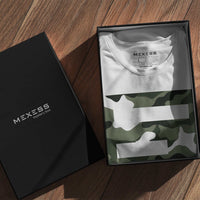

A hoodie can look clean on the rack and still miss the point once you put it on. The fabric decides everything - warmth, weight, softness, structure, and how often you actually reach for it. That is why the question what is brushed fleece fabric matters more than it sounds, especially if you care about premium streetwear basics that need to feel as good as they look.
Brushed fleece fabric is a knit material, usually cotton, polyester, or a blend, that has been mechanically brushed on one side or both sides to raise the surface fibers. That brushing creates a softer, warmer texture with a slightly fuzzy finish. In practical terms, it is the fabric behind many sweatshirts, hoodies, joggers, and off-duty layers that feel broken-in from day one.
What is brushed fleece fabric made to do?
At its core, brushed fleece is about comfort and insulation. The brushing process lifts tiny fibers away from the base fabric, creating small air pockets that help trap heat. That is why brushed fleece often feels warmer than a smoother knit of the same weight.
It is also designed to soften the hand feel. A standard sweatshirt knit can feel sturdy but flat. Once brushed, it becomes more plush and more comfortable against the skin. For everyday essentials, that shift matters. A hoodie is not just supposed to look good in an urban fit. It needs to handle long days, cold commutes, and repeat wear without feeling stiff.
Most brushed fleece fabrics are built from a jersey face on the outside and a softer brushed interior on the inside. That combination gives you a cleaner exterior appearance with a cozy inner surface. Some versions are brushed on both sides for extra softness, though that can change the look and durability depending on the fiber content.
How brushed fleece fabric is made
The base fabric usually starts as a knitted material. After knitting, the fabric goes through brushing machines fitted with fine wire rollers or teasels that gently pull up the fibers. This is what creates the soft nap.
The amount of brushing changes the final result. A light brush gives a smoother, more controlled finish. A heavier brush creates a thicker, fluffier interior and a more obvious fleece feel. Neither is automatically better. It depends on the intended use.
For premium sweatshirts and hoodies, balance is the goal. Too much brushing can feel great at first but may increase pilling or fiber shedding over time, especially in lower-quality blends. Too little brushing can leave the fabric feeling less warm and less elevated. The best brushed fleece keeps comfort high without sacrificing fabric integrity.
What brushed fleece feels like in real wear
If you have ever put on a heavyweight hoodie that feels soft inside but still holds its shape outside, you already know the appeal. Brushed fleece has a warm, slightly cushioned feel. It is not slippery like performance fabric, and it is not crisp like woven cotton. It sits in that sweet spot between structure and comfort.
That makes it a strong choice for everyday streetwear. Hoodies, crewnecks, and relaxed joggers all benefit from that soft interior because these are pieces people live in. For city wear, comfort cannot come at the cost of shape. A brushed fleece garment should still look intentional, not overly lounge-focused.
This is where fabric weight matters. Midweight brushed fleece works well for layering and year-round use. Heavyweight brushed fleece feels more substantial and premium, which is ideal for colder months and cleaner oversized silhouettes. Lightweight brushed fleece can be comfortable, but it may not deliver the same durability or elevated drape.
Brushed fleece vs regular fleece
People often use the word fleece loosely, but not all fleece fabrics are the same.
Regular fleece often refers to synthetic fleece, typically made from polyester. It is common in outerwear, zip-ups, and performance layers. It is warm, lightweight, and effective for insulation, but the hand feel and look are different from sweatshirt fleece.
Brushed fleece, especially in streetwear and casual basics, usually refers to a sweatshirt-style knit with a brushed back. It tends to look more refined, more structured, and easier to style as part of a minimalist wardrobe. You get warmth without the overtly technical look of outdoor fleece.
So if you are choosing between the two, it comes down to use. For hiking, sportswear, or technical layering, synthetic fleece may make more sense. For clean hoodies, sweatshirts, and elevated everyday essentials, brushed fleece is usually the better fit.
Brushed fleece vs French terry
This is the comparison that matters most when shopping for premium sweatshirts.
French terry is a knit fabric with smooth loops on the inside and a flat face on the outside. It is breathable, versatile, and ideal for transitional weather. Brushed fleece starts with a similar knit base but replaces or transforms those interior loops through brushing, creating a softer and warmer inside.
If French terry is the all-season option, brushed fleece is the comfort-first cold-weather option. French terry feels lighter, cooler, and slightly more athletic. Brushed fleece feels warmer, softer, and more insulated.
Neither one is better in every case. If you want a summer-weight layer or something easy for indoor wear, French terry often wins. If you want a hoodie that feels premium in fall and winter, brushed fleece usually delivers more comfort and a richer hand feel.
Is brushed fleece fabric good quality?
Brushed fleece can be excellent quality, but the brushing itself is not proof of quality. The result depends on the fiber, knit density, garment construction, and finishing standards.
A well-made brushed fleece fabric should feel soft without feeling fragile. It should recover well after wear, hold shape at the cuffs and hem, and resist excessive pilling. Higher-quality cotton or organic cotton blends often give a better balance of softness and durability than cheaper synthetic-heavy versions.
Fabric weight also tells you a lot. A denser fleece with long-lasting construction generally feels more premium than a thin fleece that relies only on surface softness. Some garments feel impressive for the first few wears and then lose structure fast. That is usually a sign that the finish was prioritized over the foundation.
For shoppers moving away from fast fashion, this is the real filter. Do not judge brushed fleece only by how soft it feels in hand. Look at weight, recovery, stitching, and whether the silhouette still holds up after repeated wear.
What to look for when buying brushed fleece
Start with fiber content. Organic cotton brushed fleece feels natural, breathable, and comfortable for daily wear. Cotton-poly blends can improve durability and help with shrink resistance, but they vary a lot. A good blend can perform well. A cheap blend can feel less breathable and age faster.
Then check the fabric weight. If you want a premium hoodie with clean drape and real warmth, heavier brushed fleece usually feels more elevated. If you want something easier to layer under outerwear or wear indoors, midweight may be the smarter choice.
Pay attention to the inside and outside surfaces. The interior should feel evenly brushed, not patchy or overly loose. The exterior should still look clean enough for a refined streetwear silhouette. That contrast is what makes brushed fleece work so well in minimalist wardrobes.
Finally, think about use. A relaxed hoodie for winter travel, late nights, and everyday layering has different needs than a lightweight sweatshirt for spring. Fabric choice is always contextual. The best option is the one that fits your wardrobe, not just the product page.
How to care for brushed fleece fabric
Brushed fleece is easy to wear, but it does better with smart care. Wash in cold water, turn garments inside out, and avoid overloading the machine. That helps protect the brushed interior and reduces friction that can lead to pilling.
Lower-heat drying is usually safer than high heat, and air drying can help preserve shape even more. Fabric softener is not always necessary, especially if the fleece is already well-finished. Too much can coat fibers and change the natural hand feel over time.
If your goal is longevity, wash less often when possible. Hoodies and sweatshirts do not need the same wash frequency as tees. Spot cleaning and airing out between wears can keep the fabric looking better for longer.
Why brushed fleece works so well in modern streetwear
Streetwear has moved beyond oversized graphics and hype-driven drops. More people want essentials that can anchor an outfit without trying too hard. Brushed fleece fits that shift because it delivers comfort, structure, and visual simplicity in one fabric.
A clean brushed fleece hoodie works with denim, cargos, tailored wool coats, technical outerwear, or matching sweats. It feels substantial without looking bulky. It reads casual, but not careless. That is a strong combination for everyday city style.
For brands focused on premium basics, brushed fleece also supports a better kind of wardrobe building. Instead of buying louder pieces that fade after a season, you invest in layers that keep showing up in real outfits. That is part of the appeal behind refined essentials at MEXESS and across the broader move toward timeless urban wear.
The best fabric choices do not need a sales pitch. You feel them the moment you put them on, and you notice them months later when the piece is still in rotation.
Ostavite komentar