

Sorting through fast fashion and trying to find truly sustainable streetwear can feel impossible when greenwashing is everywhere. For young trendsetters who care about the planet, building an authentic eco-friendly wardrobe means questioning every step from material sourcing to production and transparency. This guide unpacks sustainable material selection and ethical workflows, giving you the tools to make informed fashion choices that back up your values and support real change.
Table of Contents
- Step 1: Assess Sustainable Materials And Suppliers
- Step 2: Plan Ethical Production Methods
- Step 3: Implement Eco-Friendly Manufacturing Steps
- Step 4: Verify Sustainable Quality And Certifications
- Step 5: Promote Transparent Practices
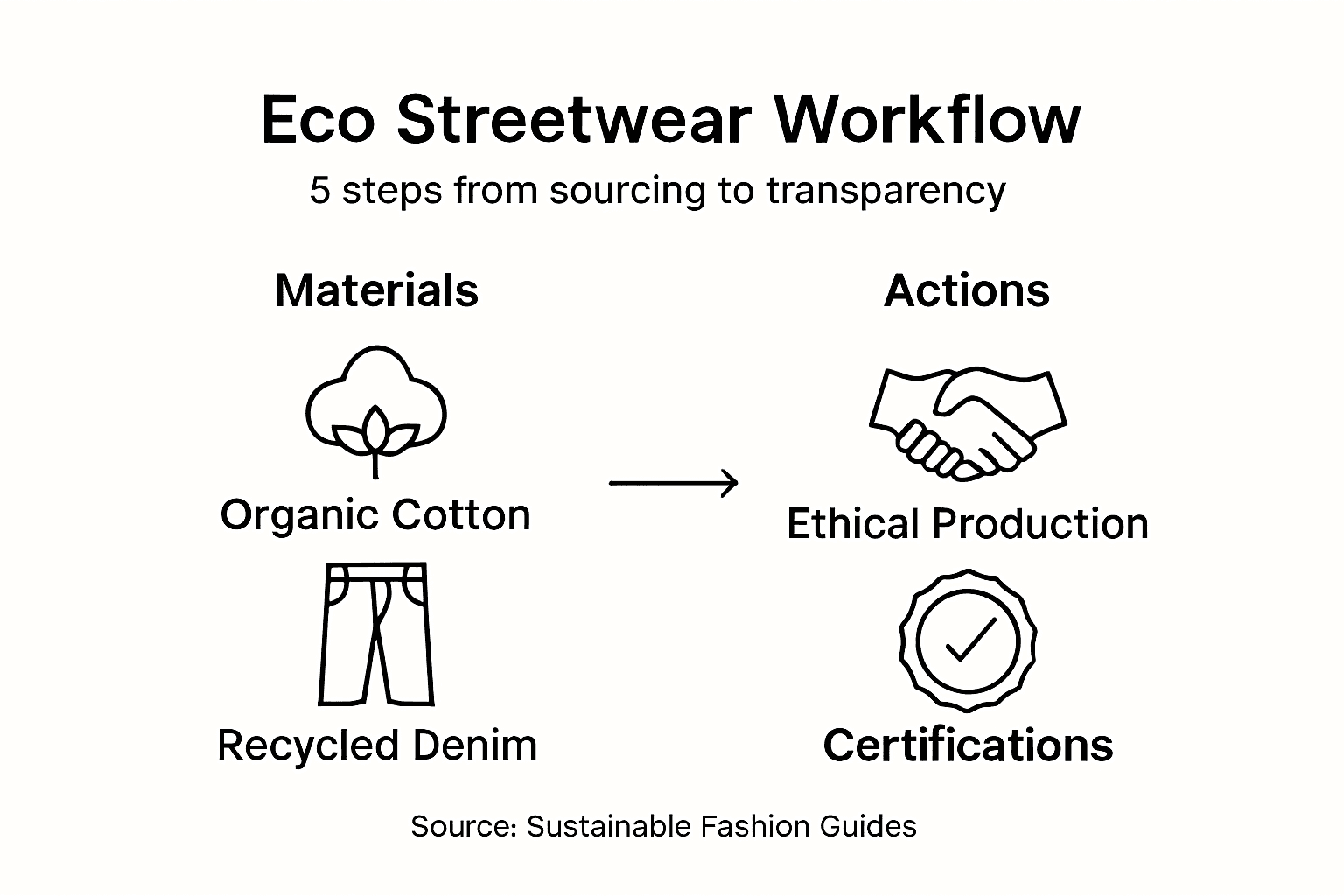
Quick Summary
| Key Insight | Explanation |
|---|---|
| 1. Research Sustainable Materials | Investigate various sustainable fabrics that minimize environmental impact, such as recycled, bio-based, and upcycled materials. |
| 2. Plan Ethical Production | Develop a framework that emphasizes social responsibility and sustainability, ensuring safe conditions and fair wages. |
| 3. Implement Eco-Friendly Manufacturing | Adopt processes like renewable energy use and waste reduction techniques to create a more sustainable manufacturing operation. |
| 4. Verify Certifications and Quality | Establish rigorous verification systems to ensure authenticity in sustainable practices through certifications and audits. |
| 5. Promote Transparency | Create clear communication strategies to build consumer trust and demonstrate ongoing commitment to sustainability improvements. |
Step 1: Assess Sustainable Materials and Suppliers
Building a sustainable fashion workflow starts with understanding and selecting eco-conscious materials that minimize environmental impact. Your goal in this step is to research and evaluate potential sustainable fabric sources that align with circular fashion principles.
Begin by investigating innovative materials that reduce waste and carbon emissions. Sustainable circular fashion research demonstrates several promising approaches for material sourcing:
- Recycled synthetic fabrics like polyester made from plastic bottles
- Bio-based materials derived from natural sources like hemp, bamboo, and organic cotton
- Regenerative agricultural textiles that actively improve soil health
- Upcycled fabric collections created from post-consumer waste
To effectively assess potential suppliers, develop a comprehensive evaluation framework that considers multiple sustainability dimensions. Look beyond marketing claims and dig into specific environmental metrics such as:
Here’s a summary comparing common sustainable material types:
| Material Type | Environmental Benefit | Key Sourcing Challenge |
|---|---|---|
| Recycled synthetics | Reduces plastic waste and emissions | Quality consistency |
| Bio-based (e.g., hemp) | Renewable and biodegradable | Land and water use concerns |
| Regenerative agriculture | Improves soil health and biodiversity | Higher sourcing costs |
| Upcycled textiles | Diverts waste from landfills | Supply chain reliability |
- Water consumption during production
- Carbon emissions generated
- Chemical usage and potential toxicity
- Labor practices and worker conditions
- Transparency in supply chain documentation
Sustainable material selection requires thorough research and a commitment to holistic environmental responsibility.
Connect with sustainable textile networks and industry certifications like Global Organic Textile Standard (GOTS) or Bluesign to validate supplier credentials. Circular fashion innovations emphasize the importance of collaborative approaches between consumers, brands, and manufacturers.
Pro tip: Create a detailed spreadsheet tracking potential suppliers’ sustainability metrics, enabling side-by-side comparisons and informed decision-making.
Step 2: Plan Ethical Production Methods
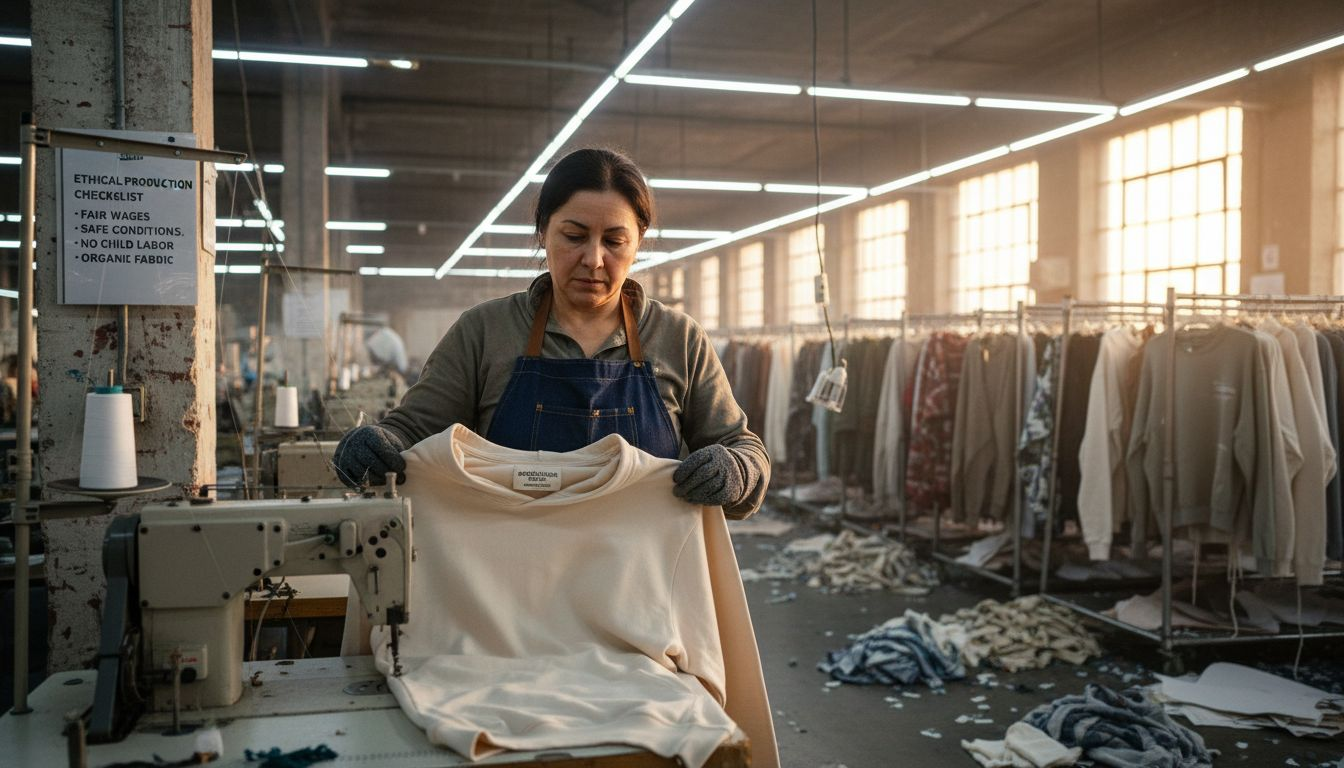
Designing an ethical production strategy requires thoughtful planning and commitment to sustainable practices that go beyond traditional manufacturing approaches. Your goal is to develop a comprehensive framework that prioritizes social responsibility and environmental stewardship throughout your fashion supply chain.
Sustainability-driven supplier strategies reveal critical components for ethical production planning:
- Transparent supplier relationships built on mutual accountability
- Comprehensive social compliance protocols
- Worker welfare and fair compensation standards
- Environmental impact tracking mechanisms
- Technology-enabled supply chain monitoring
To implement an effective ethical production approach, focus on these key strategies:
- Conduct thorough supplier audits
- Establish clear code of conduct expectations
- Implement fair wage structures
- Create safe working environments
- Support community development initiatives
Ethical production transcends compliance – it represents a commitment to human dignity and environmental respect.
Multinational sustainability practices emphasize the importance of integrating ambitious social goals with production strategies. This means looking beyond economic metrics and prioritizing holistic stakeholder engagement.
Pro tip: Develop digital dashboards that track real-time sustainability metrics, enabling immediate visibility and accountability across your production network.
Step 3: Implement Eco-Friendly Manufacturing Steps
Transforming your streetwear production into a sustainable operation requires strategic planning and innovative approaches that minimize environmental impact. Your mission is to develop a comprehensive eco-manufacturing strategy that integrates cutting-edge sustainable technologies and responsible practices.
Sustainable fashion innovation strategies highlight critical implementation techniques:
- Renewable energy adoption in manufacturing facilities
- Water conservation technologies
- Zero-waste pattern cutting techniques
- Closed-loop production systems
- Digital prototyping to reduce material waste
To effectively implement eco-friendly manufacturing, focus on these key strategic steps:
- Map entire production waste streams
- Identify potential resource reduction opportunities
- Implement circular design principles
- Train manufacturing teams on sustainability protocols
- Monitor and continuously improve environmental performance
Eco-friendly manufacturing is not just a technique – it’s a comprehensive reimagining of how fashion production can positively interact with our planet.
Life cycle management approaches demonstrate that systematic waste flow tracking enables significant environmental improvements across manufacturing processes. This means developing holistic strategies that consider every stage of production.
Pro tip: Invest in advanced tracking software that provides real-time environmental impact metrics, enabling immediate adjustments and continuous sustainability optimization.
Step 4: Verify Sustainable Quality and Certifications
Ensuring the authenticity of your sustainable fashion claims requires a rigorous verification process that goes beyond surface-level promises. Your objective is to establish a comprehensive certification and quality verification system that provides transparency and credibility to your eco-conscious streetwear production.
Sustainable sourcing certification barriers reveal critical verification strategies:
- Global sustainability certification standards
- Third-party environmental audits
- Transparent supply chain documentation
- Traceable raw material origin tracking
- Comprehensive social responsibility assessments
To effectively verify sustainable quality, implement these key verification steps:
- Research internationally recognized sustainability certifications
- Conduct comprehensive supplier sustainability assessments
- Request detailed environmental and social compliance documentation
- Perform periodic independent third-party audits
- Maintain transparent reporting mechanisms
Certification is not just a label – it’s a commitment to demonstrable environmental and social responsibility.
Sustainability governance frameworks demonstrate that robust verification processes build consumer trust and industry accountability. This means developing a systematic approach to validation that goes beyond superficial compliance.
Below is a comparison of leading sustainability certifications used in fashion:
| Certification | Focus Area | Verification Type |
|---|---|---|
| GOTS | Organic textiles | Third-party audits |
| Bluesign | Chemical management | Continuous process checks |
| Fair Trade | Labor standards | Social compliance review |
Pro tip: Create a centralized digital repository for all sustainability certifications and audit documents, enabling quick verification and transparent reporting.
Step 5: Promote Transparent Practices
Establishing genuine transparency in your sustainable streetwear brand requires a strategic approach that goes beyond superficial communication. Your mission is to develop comprehensive transparency strategies that build trust with eco-conscious consumers and demonstrate authentic commitment to ethical practices.
ESG transparency frameworks highlight critical transparency mechanisms:
- Public sustainability reporting
- Open supply chain documentation
- Regular stakeholder communication
- Detailed environmental impact disclosures
- Clear ethical sourcing narratives
To effectively promote transparent practices, implement these key strategies:
- Create detailed public sustainability reports
- Develop accessible digital traceability platforms
- Host regular stakeholder engagement sessions
- Publish comprehensive environmental metrics
- Communicate production challenges and improvement efforts
Transparency is not about perfection – it’s about honest, continuous commitment to improvement.
Multinational transparency strategies demonstrate that genuine disclosure builds consumer confidence and drives industry-wide accountability. This means creating communication channels that invite scrutiny and showcase your genuine sustainability journey.
Pro tip: Develop an interactive digital dashboard that provides real-time updates on your sustainability progress, allowing consumers to track your environmental and social impact continuously.
Elevate Your Eco-Conscious Streetwear Journey with MEXESS
Navigating the challenges of sustainable fashion requires access to authentic, organically produced apparel that meets your high standards for environmental responsibility and ethical production. This article highlights key pain points such as selecting genuinely sustainable materials, committing to ethical manufacturing, and promoting transparent practices. At MEXESS, we understand those goals and are dedicated to offering streetwear crafted from organic fabrics that embody circular fashion principles and quality you can trust.
Discover sweatshirts, hoodies, and T-shirts designed to minimize environmental impact without sacrificing style or comfort. Every piece reflects a commitment to sustainable quality and clear transparency. Ready to make impactful choices in your wardrobe today

Explore our curated collections now at MEXESS and join a community of fashion-forward consumers who prioritize sustainability. Choose eco-conscious streetwear that supports ethical production and feel confident with our customer-friendly policies including free shipping, easy returns, and honest product reviews. Start your transformation toward a greener style right here and right now by visiting organic streetwear at MEXESS.
Frequently Asked Questions
What are the key sustainable materials to consider for eco-conscious streetwear?
Selecting sustainable materials like recycled synthetics, bio-based textiles, and upcycled fabrics is essential. Start by researching innovative materials that minimize waste and carbon emissions. Aim to focus on sources that align with circular fashion principles to reduce environmental impact.
How can I evaluate potential suppliers for sustainability?
To evaluate suppliers, create a comprehensive framework that assesses various sustainability metrics such as carbon emissions and labor practices. Collect data and maintain a spreadsheet to track and compare suppliers’ sustainability credentials effectively. This can help identify reliable partners aligned with your eco-conscious goals.
What ethical production methods should I implement for sustainable fashion?
Focus on establishing transparent supplier relationships and implementing social compliance protocols. Begin by conducting thorough audits of suppliers and setting clear expectations for fair compensation and worker welfare to ensure that your production methods are ethical and responsible.
How can I verify the sustainable quality of my materials and practices?
Implement a rigorous verification system that includes third-party audits and recognized sustainability certifications. Research certifications that are applicable to your textiles and materials, and make a habit of maintaining transparent documentation for thorough quality assurance.
What steps can I take to promote transparency in my sustainable fashion brand?
Create regular public sustainability reports and accessible documentation regarding your supply chain. Engage with stakeholders through regular communication and develop a digital platform that allows consumers to track your sustainability progress continuously, making your practices clear and open.
How can I integrate eco-friendly manufacturing steps into my workflow?
Implement eco-friendly practices by adopting technologies such as renewable energy and water conservation techniques. Map out your production waste streams and identify areas for resource reduction, enabling your manufacturing process to have a minimal environmental impact.
Lascia un commento