

Some streetwear brands sell a logo. Others build a uniform people actually live in.
That difference matters more now than it did a few years ago. Streetwear has matured. What started around hype, scarcity, and graphics now sits inside everyday wardrobes - worn to class, to the airport, to the studio, to dinner, and back again. For most people, the real question is no longer which brand is the loudest. It is which one delivers style, comfort, fabric quality, and staying power without feeling dated after one season.
If you are comparing streetwear brands today, look past marketing first. The strongest labels tend to get the basics right: fit, fabric weight, construction, consistency, and a point of view. That can mean oversized hoodies with clean lines, heavyweight tees that hold their shape, or outerwear that works across different settings. The best version of streetwear now feels easy to wear, not difficult to pull off.
What sets the best streetwear brands apart
A good streetwear brand has identity. A great one has discipline.
Plenty of labels can produce a graphic tee or release a limited drop. Fewer know how to create a full wardrobe system. That is often the dividing line between trend-driven brands and brands with long-term value. When silhouettes, colors, and fabrics work together, getting dressed becomes easier. Your hoodie works with your wide-leg cargos, but also with tailored trousers. Your tee looks right under a structured jacket, not just on its own.
This is where minimalist streetwear has gained ground. Clean branding, restrained color palettes, and iconic silhouettes give more styling flexibility than pieces built around one loud print. That does not mean graphics are dead. It means buyers are getting more selective. If a piece cannot be worn often, it has to earn its place.
Fabric is another separator. Premium streetwear should feel premium before you even check the label. Heavyweight cotton, dense fleece, structured ribbing, and smooth finishes create that difference immediately. Organic cotton matters too, but only when it is paired with solid construction. Sustainable materials are a real value add, not a substitute for quality.
How to evaluate streetwear brands before you buy
Most product pages look polished. That does not tell you much. What helps is knowing what to check.
Start with fabric composition and fabric weight if it is listed. A hoodie in a substantial cotton blend or organic cotton fleece will usually feel more stable and durable than a thin, soft-first option that loses shape quickly. For T-shirts, look for cotton that feels dense enough to drape well but not so heavy that it becomes stiff. Streetwear lives or dies on silhouette, and silhouette depends on fabric integrity.
Then look at fit philosophy. Some streetwear brands design around aggressive oversizing. Others focus on relaxed but controlled proportions. Neither is automatically better. It depends on how you want your wardrobe to function. If you want everyday versatility, moderate relaxed fits are often easier to style across seasons and occasions. If you want statement dressing, stronger volume can work better.
Construction is the next filter. Check cuffs, hems, collar structure, stitching density, and whether garments are built to hold up through repeated wear and washing. Long-lasting construction is not a small detail. It is one of the clearest signs that a brand is thinking beyond the drop cycle.
Finally, pay attention to design restraint. The best streetwear brands know when to stop. They do not overload every piece with graphics, patches, slogans, and trend references. Restraint ages better. It also gives you more room to make the outfit your own.
Streetwear brands and the shift away from hype
Hype still works. It just does not work on everyone.
For a long time, streetwear culture rewarded scarcity almost above all else. Limited releases, hard-to-get collaborations, and resale value helped define what felt desirable. That model still has influence, but many shoppers have moved toward a more practical standard. They want pieces they can wear constantly, not archive after two posts.
That shift has changed what people expect from streetwear brands. Instead of asking whether a drop will sell out, more shoppers are asking whether the hoodie will still look good next year. Instead of chasing logos, they are comparing cotton quality, fit consistency, and how easily a sweatshirt fits into a weekly rotation.
This is especially true for buyers building a capsule-style wardrobe. They still want urban credibility, but they also want value per wear. A clean heavyweight tee in the right cut can deliver more real style mileage than a louder piece worn twice. Trend awareness still matters, but trend dependence feels weaker than it did before.
Why minimalist streetwear brands are growing
Minimalist streetwear works because it removes friction.
A clean hoodie in black, washed gray, or off-white goes with almost everything. A structured sweatshirt without oversized branding can be dressed up with wool pants or down with cargos and sneakers. That flexibility is what makes elevated essentials so relevant right now. They keep the energy of streetwear but make it easier to wear in real life.
There is also a confidence to understatement. Brands that rely less on heavy branding have to prove themselves through shape, feel, and finish. When that is done well, the result feels sharper and more premium. You notice the cut of the shoulder, the weight of the fabric, the way a tee falls, the way a hoodie frames the body.
For shoppers moving away from fast fashion, this matters even more. Minimalist pieces tend to survive trend swings better, which makes them a smarter buy. They also pair naturally with conscious consumption. Buying fewer pieces only works when those pieces stay relevant.
The role of sustainability in modern streetwear brands
Sustainability is no longer a side note. But it is also not enough on its own.
Many streetwear brands now use terms like organic, recycled, responsible, and conscious. Those terms can mean something real, or they can function as surface-level positioning. The difference usually comes down to transparency and product quality.
Organic cotton is one of the clearest examples. It is a stronger choice than conventional cotton in many cases, especially for shoppers trying to reduce the environmental cost of their wardrobe. But if the fabric is thin, the stitching is weak, or the fit is inconsistent, the product still fails the test. A sustainable piece has to be wearable, durable, and desirable. Otherwise it will not stay in rotation.
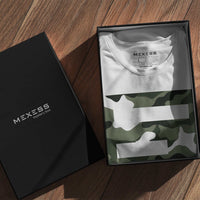
This is where premium essentials brands have room to stand out. If a label combines certified materials, long-lasting construction, and timeless urban design, it gives customers a practical reason to buy better. That model makes more sense than pushing overconsumption through constant novelty. MEXESS sits in that lane - premium feel, minimalist design, and organic cotton essentials built for repeat wear.
How to choose the right streetwear brand for your wardrobe
The right brand depends on how you actually dress, not how you imagine yourself dressing.
If most of your week is built around simple outfits, choose brands with strong essentials. Look for heavyweight tees, clean hoodies, polished sweats, and outerwear that can layer easily. If you already own neutral sneakers, straight-leg denim, cargos, or relaxed trousers, these pieces will slot in fast.
If you lean expressive, you may still want a louder streetwear label in the mix. But even then, it helps to anchor statement pieces with cleaner basics. One graphic jacket or bold knit lands better when the rest of the wardrobe is controlled.
Budget matters too. Premium streetwear is not the same as overpriced streetwear. Some brands charge for exclusivity more than quality. Others invest in better fabrics and construction while keeping design clean enough to extend wear. The smartest buy is usually the piece you reach for every week, not the one that felt exciting for one weekend.
A useful test is simple: can you style a piece at least three ways with what you already own? If not, pause. Streetwear should expand your wardrobe, not complicate it.
What streetwear brands will keep getting right
The next phase of streetwear will likely belong to brands that understand balance.
Not minimalism with no personality. Not hype with no substance. The labels that keep growing will be the ones that combine cultural awareness with product discipline. They will know how to make essentials feel elevated. They will care about fit as much as image. They will treat sustainability as a material decision, not a slogan.
That is good news for anyone building a smarter wardrobe. It means streetwear can still feel current without becoming disposable. It can still reflect identity without depending on noise. And it can still look sharp while being comfortable enough for everyday life.
When you are comparing streetwear brands, trust the pieces that keep proving themselves after the first wear. That is usually where real style starts.
Dodaj komentarz