
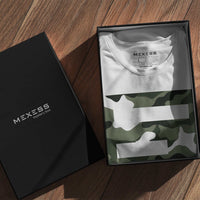

You can spot the difference in one outfit. A clean heavyweight tee, relaxed cargos, and solid sneakers feel sharp without trying. Swap that tee for a loud front print, and the whole look shifts. That is the real conversation behind streetwear basics vs graphic tees - not which one is better in theory, but which one gives you more range, more wear, and more value in daily rotation.
For most wardrobes, basics do more of the heavy lifting. Graphic tees bring personality, nostalgia, and statement energy. Both belong in streetwear. The difference is how often they work, how easily they style, and how well they age with the rest of your closet.
Streetwear basics vs graphic tees: what changes in the outfit
Streetwear basics are the foundation pieces. Think premium blank T-shirts, heavyweight hoodies, structured sweatshirts, clean outerwear, and understated polos. Their job is simple: strong fit, quality fabric, and no visual noise. They make an outfit look intentional through silhouette and texture rather than print.
Graphic tees do something else. They pull focus. The artwork, logo, photo print, or text becomes the center of the look. That can be a strength when you want one piece to carry the outfit. It can also limit what else you wear with it.
This is why the choice is rarely just aesthetic. It affects how you build a wardrobe. Basics create combinations. Graphics create moments.
Why basics usually win on versatility
If your goal is effortless urban style, basics almost always give you more room. A black heavyweight tee can work under an overshirt, with denim, with tailored trousers, under a bomber, or with shorts in summer. It moves across settings without much adjustment. You can wear the same piece to a coffee run, a casual office, a flight, or dinner and still feel put together.
Graphic tees are more specific. A vintage-inspired print might look perfect with faded jeans and sneakers, but less convincing under a refined jacket or next to cleaner pieces. The stronger the design, the narrower the styling lane tends to be.
That does not mean graphic tees are less valuable. It means they are less flexible. If you are building a wardrobe from scratch or trying to buy fewer, better pieces, flexibility matters.
The fit and fabric factor matters more than the print
A lot of people focus on graphics because they are the first thing you notice. In practice, fit and fabric decide whether the tee feels premium or forgettable.
A well-cut basic in dense organic cotton often looks more elevated than a graphic tee with average construction. Weight gives shape. Good cotton holds color better. A stable collar keeps the neckline clean after repeated washing. Those details change how a piece sits on the body and how long it stays in rotation.
With graphic tees, the print can distract from weaker construction at first. Over time, that usually shows. The body twists, the collar stretches, the print cracks, and the piece starts to feel temporary. That is one reason many people eventually shift from buying graphic-heavy wardrobes to investing in fewer essentials with better fabric integrity.
For premium streetwear, the blank is not empty. It is doing the work through silhouette, hand feel, and durability.
When graphic tees make more sense
There are still clear reasons to wear graphics. They carry identity fast. Music references, art direction, skate influence, sports nostalgia, or a logo from a favorite drop can say something that basics never will. Sometimes that is exactly the point.
Graphic tees also work well when the rest of the outfit stays restrained. A faded print tee with straight-leg black pants and simple sneakers can feel balanced and confident. The key is letting one piece lead instead of stacking too many ideas.
They also make sense for people who already have solid essentials. Once your wardrobe has the right basics, adding a few graphic tees can keep outfits from feeling too controlled or too minimal. Used that way, they add contrast instead of chaos.
Streetwear basics vs graphic tees for a capsule wardrobe
If you are building a tighter closet, this is where the answer gets practical. In a capsule wardrobe, basics should take the bigger share.
Start with neutral T-shirts, a heavyweight hoodie, one or two structured sweatshirts, versatile bottoms, and outerwear that works across seasons. These pieces create the core of your everyday fits. Then add a small number of graphic tees that actually match your style instead of impulse-buying every print that catches attention.
A good ratio depends on how you dress, but most people will get more use from four to six solid basics than from four to six graphic tees. Basics repeat better. Graphics are remembered more easily. That matters if you care about cost per wear.
This is especially true if you prefer a minimalist streetwear look. Clean design does not mean boring. It means the shape, fabric, and proportion are doing the talking.
The sustainability angle most shoppers ignore
There is also a sustainability question behind streetwear basics vs graphic tees. It is not just about whether a shirt is organic cotton. It is about whether you will still want to wear it next year.
Basics tend to have a longer style lifespan. A clean, well-made tee in black, white, gray, or muted earth tones usually survives trend shifts better than a loud print tied to a moment, meme, or micro-trend. That makes it easier to buy less and wear more.
Production choices matter too. Heavy printing, synthetic blends, and low-cost construction can reduce longevity. By contrast, premium essentials made from certified organic cotton and built for repeated wear support a more conscious wardrobe. Long-lasting construction is not just a quality claim. It is part of reducing waste.
That does not mean all graphic tees are disposable. Some become long-term favorites. But in general, basics align more naturally with intentional buying.
How to style both without overthinking it
The easiest way to style basics is to focus on shape. Pair an oversized or boxy tee with relaxed cargos, straight denim, or cleaner trousers. Add one structured layer like a zip hoodie, overshirt, or bomber. Keep the palette tight. That is enough.
With graphic tees, simplify the rest. If the shirt has strong color or artwork, let your pants and outerwear stay quieter. Avoid competing prints unless you know exactly why they belong together. Streetwear can handle contrast, but random contrast rarely looks refined.
Footwear helps decide the tone. Basics can move from retro sneakers to leather trainers to boots without much friction. Graphic tees usually look best when the shoes support the same visual language as the shirt.
If your outfit feels busy, the answer is often subtraction. Remove one loud element and let the strongest piece lead.
Which one should you buy next?
If your closet feels scattered, buy basics. If your outfits already work but feel a little too safe, buy one graphic tee with a design you will still want to wear six months from now.
That is the real filter. Not trend hype. Not what looks good for one post. Wearability.
For most people, a premium basic is the smarter next purchase because it solves more problems. It layers better, repeats better, and usually looks more expensive when the fabric and fit are right. That is why elevated essentials sit at the center of modern streetwear. They are not a compromise. They are the frame that makes everything else stronger.
Graphic tees are best treated as accents, not infrastructure. They bring edge, culture, and individuality, but they work hardest when the foundation underneath is already solid.
If you are refining your wardrobe, this is the simplest way to think about it: build with essentials, add graphics with intention. Brands like MEXESS focus on that first part for a reason. Timeless design, premium feel, and conscious materials give you more ways to wear less.
The strongest streetwear closets are not the loudest ones. They are the ones that keep showing up, fit after fit, without needing to shout.
Deixa um comentário