
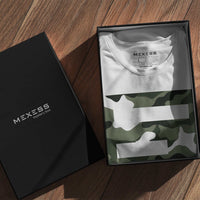

Един суитшърт може да изглежда перфектно на екрана и въпреки това да разочарова в момента, в който го облечете. Обикновено проблемът не е в цвета или кройката. Проблемът е в плата.
Платът определя дали един суитшърт изглежда плътен или немощен, мек или синтетичен, отпуснат или структуриран. Той влияе на това как пада дрехата, колко топло става в нея, колко добре издържа след пране и дали ще Ви се струва, че си заслужава да я носите и след шест месеца. Ако изграждате по-изчистен и осъзнат гардероб, точно този детайл отличава случайната базова дреха от истинския must-have.
Как да изберете плат за суитшърт, без да го усложнявате
Ако се опитвате да разберете как да изберете плат за суитшърт, започнете с три въпроса. Как искате да се усеща? Как искате да стои? И кога реално ще го носите?
Лек суитшърт за носене на слоеве под връхни дрехи има различни изисквания към плата от плътен суитшърт, който искате да носите като основна дреха. Същото важи и за суитшърт за фитнес спрямо премиум ежедневен модел. Няма един-единствен най-добър плат за всяка употреба. Правилният избор зависи от комфорта, структурата, климата и колко важна е за Вас дълготрайността.
Най-разумният подход е да преценявате плата на суитшърта през пет ключови аспекта — състав на влакната, грамаж, вътрешна обработка, издръжливост и устойчивост. Когато ги разберете, описанията на продуктите стават много по-лесни за ориентиране.
Започнете със състава на влакната
Съставът на влакната Ви показва от какво е направен суитшъртът — и това променя почти всичко в усещането при носене.
Памучни суитшърти
Памукът е стандарт с причина. Той е дишащ, мек, удобен за носене и обикновено се усеща по-добре върху кожата от алтернативите с преобладаващи синтетични влакна. Един добър памучен суитшърт има естествено усещане при допир и достатъчна плътност, за да изглежда премиум, без да стои твърд.
За ежедневен streetwear памукът често е най-сигурният избор. Подходящ е за всички сезони, комбинира се отлично както с отпуснати, така и със структурирани силуети и визуално старее по-добре от по-евтините полиестерни смеси. Компромисът е, че не всеки памук е еднакъв. Нискокачественият памук може да образува топчета, да загуби форма или бързо да започне да изглежда тънък.
Суитшърти от органичен памук
Органичният памук предлага същия познат комфорт, но с по-силен профил на устойчивост. За клиентите, които се отдалечават от бързата мода, това има значение. Той намалява излагането на по-интензивни химични методи на земеделие, като същевременно запазва мекото, универсално усещане, което хората търсят в един ежедневен суитшърт.
Това не означава автоматично, че всеки органичен суитшърт е премиум. Изработката остава ключова. Но ако искате по-осъзнат избор на материи, без да правите компромис с практичността, органичният памук е сред най-силните опции в модерния streetwear.
Смеси от памук и полиестер
Смесите са често срещани, защото намаляват цената и могат да подобрят определени функционални качества. Полиестерът може да помогне за устойчивост срещу намачкване, по-бързо съхнене и запазване на формата. Затова много спортни или бюджетни суитшърти го използват.
Компромисът е в усещането. Смес с твърде много полиестер може да се усеща гладка, по-малко дишаща и по-малко плътна. Може и да клони повече към спортно-ежедневния стил, отколкото към изискан streetwear. Ако искате суитшърт с премиум, естествено усещане, смес с висок дял памук обикновено е по-добра от вариант с доминиращ полиестер.
Флийс и функционални материи
Някои суитшърти са създадени на първо място за тренировки, пътуване или функционалност в студено време. При тях може да се използва технически флийс или функционални материи, които приоритизират отвеждането на влагата и лекотата. Те могат да бъдат полезни, но не винаги са най-добрият избор, ако целта Ви е изискан ежедневен суитшърт с чиста структура.
Теглото променя цялостната визия
Един от най-бързите начини да направите добър избор е да проверите теглото на материята. Обикновено се измерва в GSM, или грамове на квадратен метър. Ако марката го посочва, обърнете внимание.
Леки суитшърти
Леките материи често се наслагват по-лесно и са отлични за меко време. Практични са, особено ако искате суитшърт под яке или палто без излишен обем. Но свръхлеките суитшърти могат да изглеждат недостатъчно плътни, особено ако търсите онази премиум streetwear форма.
Ако стилът Ви клони към изчистен и minimalist, по-леката плътност също може да работи, но изисква висока устойчивост на материята. В противен случай суитшъртът може бързо да загуби силуета си.
Суитшърти със средна плътност
Средната плътност е най-универсалният диапазон. Дава Ви достатъчно плътност за ежедневно носене, без да прави суитшърта прекалено топъл на закрито. За много хора това е идеалният баланс.
Добрият суитшърт със средна плътност балансира комфорт и структура. Комбинира се отлично с деним, карго панталони, елегантно връхно облекло и ежедневни маратонки. Ако искате един суитшърт, който да се справя с повечето ситуации, това често е най-доброто място да започнете.
Тежки суитшърти
Платът с по-голяма плътност създава онова солидно, по-изискано усещане, което хората свързват с премиум колекции и по-добри базови модели. Той придава на суитшърта повече форма, повече топлина и по-силно присъствие във визията.
Това е идеално, ако харесвате oversized кройки, по-кутиести силуети или по-структуриран вид. Компромисът е, че по-тежките суитшърти могат да се усещат твърде топли в по-горещ климат или по-малко практични за целодневно носене на закрито. И все пак, когато са направени добре, суитшъртите от тежък памук често се усещат най-премиум.
Вътрешното покритие е по-важно, отколкото хората предполагат
Повечето купувачи се фокусират върху външната част. Вътрешната често решава дали суитшъртът ще стане любим.
Brushed вътрешната страна на полара се усеща мека, топла и уютна още от първото обличане. Тази пухкава текстура е отлична за по-хладните сезони и придава на суитшърта лесно усещане за комфорт. Недостатъкът е, че някои Brushed вътрешности могат да се „топчат“ с времето, особено при по-ниско качество на плата.
Френската хавлия има бримки от вътрешната страна вместо Brushed покритие. Усеща се по-лека, по-изчистена и по-дишаща. Ако искате суитшърт за наслояване, градско носене или преходно време, френската хавлия е много силен избор. Често изглежда и една идея по-остро.
Нито едното не е по-добро във всеки случай. Brushed поларът печели по топлина и мекота. Френската хавлия печели по универсалност и дишаемост.
Структура срещу мекота е реален компромис
Много хора искат един и същ суитшърт да е ултра мек, да държи ясна форма, да устоява на износване и да работи през всички сезони. Обикновено тъканта ви кара да подредите приоритетите си.
По-меката тъкан често пада по-свободно и по-бързо придобива „относен“ комфорт. Това е чудесно, ако искате по-лежерен суитшърт за пътуване, уикенди или целодневно удобство. Но много меките тъкани могат да загубят структура по-рано.
По-структурираният плат дава по-чисти линии и по-силуетна форма. Това работи отлично за модерни streetwear кройки и за по-изпипани casual визии. Компромисът е, че в началото може да се усеща леко по-твърд.
Ако гардеробът ви клони към minimalist и осъзнат избор, структурата обикновено ви дава по-широк стилистичен диапазон. Суитшърт, който запазва формата си, изглежда по-добре с панталони по мярка, изчистени маратонки и наслоено връхно облекло.
Как да разпознаете качеството отвъд етикета на плата
Да знаете как да изберете тъкан за суитшърт означава и да четете отвъд заглавния материал. Етикет „100% памук“ е полезен, но не разказва цялата история.
Търсете признаци за плътност и дълготрайна конструкция. Рипсените маншети и подгъви трябва да са стегнати, не отпуснати. Материята трябва да има достатъчно „тяло“, за да не изглежда безформено на закачалка. Шевовете трябва да стоят равни и чисти. Качулката трябва да е достатъчно стабилна, за да запазва формата си.
Свиването е още един фактор. Естествените влакна могат да се свият, ако не са добре предварително обработени или ако се перат небрежно. Това не означава да избягвате памука. Означава да проверите указанията за поддръжка и да очаквате по-добрите марки да са предвидили реалното носене.
Струва си да следите и за образуване на топченца. Евтините смеси често се „топчат“ по-бързо, особено на места с триене. Премиум суитшъртът трябва да изглежда чист и след многократно носене, а не уморен след няколко пранета.
Съобразете материята с начина, по който действително се обличате
Най-добрата материя за суитшърт е тази, която пасва на живота Ви, а не само на модните тенденции.
Ако търсите суитшърт за всекидневно градско носене, наслояване и изграждане на изчистени визии, средна или висока плътност органичен памук е трудно да бъде надминат. Усеща се премиум, стилизира се лесно и пасва на по-съзнателен гардероб.
Ако искате суитшърт основно за тренировки, придвижване или компактно пътуване, по-лека памучна смес или функционална материя може да е по-разумен избор. Зависи дали за Вас най-важни са комфортът, техническата функция или по-елегантният вид.
Ако живеете в топъл климат, плътният полар може да прекарва повече време в гардероба Ви, отколкото върху Вас. Ако живеете на по-студено, тази допълнителна плътност се превръща в предимство, а не в недостатък.
Точно тук прозрачността на бранда има значение. В MEXESS фокусът е върху премиум органични материи, изчистени силуети и дълготрайни базови модели, защото тези детайли имат значение дълго след първото носене.
Избирайте с мисъл за дълготрайността
Суитшъртът не е просто още един слой. Той е една от най-често носените дрехи в съвременния гардероб. Това означава, че изборът на материя трябва да е нещо повече от първо впечатление.
Правилната материя за суитшърт е приятна още от първия ден, но също така запазва формата си, комфорта си и остава актуална през сезоните. За повечето хора това означава висококачествен памук или органичен памук, достатъчна плътност, за да се усеща стабилно, и изработка, която издържа на ежедневно носене.
Когато един суитшърт е с правилната материя, всичко останало става по-лесно. Стои по-добре. Цялостната визия изглежда по-изпипана. А дрехата заслужава мястото си, без да се старае прекалено.
Остави коментар