

Die Wahl von Streetwear, die gut aussieht und zugleich Gutes bewirkt, ist für umweltbewusste Trendsetter längst keine ferne Vision mehr. Immer mehr Marken setzen auf Transparenz und innovative Materialien, sodass die Grenzen zwischen Komfort, Stil und Verantwortung aus gutem Grund verschwimmen. Mit Ihren Entscheidungen als Konsument beeinflussen Sie aktiv die Entwicklung nachhaltiger Mode und zeigen, dass Ihr nächster Hoodie oder Sneaker tatsächlich Veränderungen in der Branche anstoßen kann. Dieser Leitfaden bringt Licht ins Dunkel der nachhaltigen Mode und räumt mit gängigen Mythen auf – und zeigt, wie Ihr persönlicher Stil weltweit Wirkung entfalten kann, ohne an Authentizität einzubüßen.
Inhaltsverzeichnis
- Grundlagen und Missverständnisse nachhaltiger Mode
- Umweltfreundliche Materialien in der Streetwear
- Ethische Produktion und Markenverantwortung
- Einfluss der Verbraucher auf globale Modetrends
- Wirtschaftliche, soziale und ökologische Auswirkungen
Wesentliche Erkenntnisse
| Punkt | Details |
|---|---|
| Nachhaltige Mode ist facettenreich | Es geht um mehr als organische Materialien; ethische Praktiken, Transparenz und bewusste Kaufentscheidungen sind ebenso entscheidend. |
| Stil und Erschwinglichkeit sind möglich | Zeitgemäße nachhaltige Mode präsentiert stilvolle Designs zu wettbewerbsfähigen Preisen und widerlegt gängige Vorurteile. |
| Der Einfluss der Verbraucher wächst | Jüngere Generationen prägen den Markt, indem sie von Marken ethische und nachhaltige Praktiken einfordern. |
| Fokus auf Kreislaufwirtschaft | Ein ganzheitlicher Ansatz, der Prinzipien der Kreislaufwirtschaft integriert, kann positive Veränderungen und Nachhaltigkeit in der Modebranche vorantreiben. |
Grundlagen und Missverständnisse nachhaltiger Mode
Nachhaltige Mode bildet ein komplexes Ökosystem aus Produktion, Konsum und bewussten Kaufentscheidungen, das weit über einfache umweltfreundliche Kennzeichnungen hinausgeht. Im Kern stellt diese Bewegung traditionelle Praktiken der Modeindustrie infrage, indem sie Umweltverantwortung und ethische Herstellungsprozesse in den Mittelpunkt rückt. Um nachhaltige Mode zu verstehen, gilt es, weitverbreitete Missverständnisse darüber abzubauen, was tatsächlich umweltbewusste Kleidung ausmacht.
Entgegen der landläufigen Meinung geht es bei nachhaltiger Mode nicht nur um den Einsatz organischer Materialien. Das Konsumverhalten beeinflusst nachhaltigen Konsum maßgeblich und zeigt, dass individuelle Entscheidungen einen bedeutenden Wandel in der Branche anstoßen können. Nachhaltige Kleidung berücksichtigt umfassende Aspekte wie faire Arbeitsbedingungen, einen reduzierten CO₂-Fußabdruck, Recyclingfähigkeit und minimale Abfallentstehung über den gesamten Produktlebenszyklus hinweg.
Viele Verbraucher gehen fälschlicherweise davon aus, dass nachhaltige Mode mit Stilkompromissen oder überhöhten Preisen einhergeht. Zeitgemäße nachhaltige Streetwear widerlegt diese Annahme jedoch eindrucksvoll. Innovative Designer schaffen Kollektionen, die ökologische Verantwortung mit urbaner Ästhetik verbinden und zeigen, dass Umweltbewusstsein und modisches Design harmonisch zusammengehen können. Entscheidend ist, Marken zu unterstützen, die sich zu transparenten Produktionsmethoden und innovativen Materialtechnologien bekennen.
Experten-Tipp: Beginnen Sie, eine nachhaltige Garderobe aufzubauen, indem Sie in vielseitige, hochwertige Stücke investieren, die sich mühelos kombinieren lassen. So reduzieren Sie den Gesamtverbrauch und verlängern die Lebensdauer Ihrer Kleidung.
So unterscheiden sich gängige Missverständnisse über nachhaltige Mode von der Realität:
| Fehlvorstellung | Realität | Wesentliche Auswirkung |
|---|---|---|
| Geht nur um organische Materialien | Umfasst Ethik und Transparenz | Treibt umfassende Reformen in der Branche voran |
| Kosten sind immer deutlich höher | Moderne Designs sind wettbewerbsfähig bepreist | Breitere Zugänglichkeit für Verbraucher |
| Stil muss eingeschränkt werden | Modische, nachhaltige Alternativen sind verfügbar | Erhält kreativen Ausdruck |
| Nur Materialien zählen | Umfasst Arbeit, Produktion und Abfall | Betont den gesamten Produktlebenszyklus |
Umweltfreundliche Materialien in der Streetwear
Streetwear erlebt einen grundlegenden Wandel durch die Integration nachhaltiger Materialien, die traditionelle Stoffherstellungsmethoden herausfordern. Nachhaltige Materialien auf Naturfaserbasis revolutionieren die urbane Mode, indem sie umweltbewusste Alternativen bieten, die weder Stil noch Performance beeinträchtigen. Diese innovativen Materialien markieren einen entscheidenden Wandel in der Herangehensweise von Designern an Stoffauswahl und Fertigung.
Zu den wichtigsten nachhaltigen Materialien, die in der Streetwear auf dem Vormarsch sind, zählen Bio-Baumwolle, recyceltes Polyester und pflanzenbasierte Textilien. Urbane Modemarken setzen zunehmend auf umweltfreundliche Stoffe, die die Umweltbelastung deutlich reduzieren und gleichzeitig den ästhetischen Anspruch der Streetwear erfüllen. Recyceltes Polyester, das aus Plastikflaschen gewonnen wird, bietet Langlebigkeit und reduziert Abfall, während Bio-Baumwolle schädliche Pestizide vermeidet und verantwortungsvolle Landwirtschaft unterstützt.
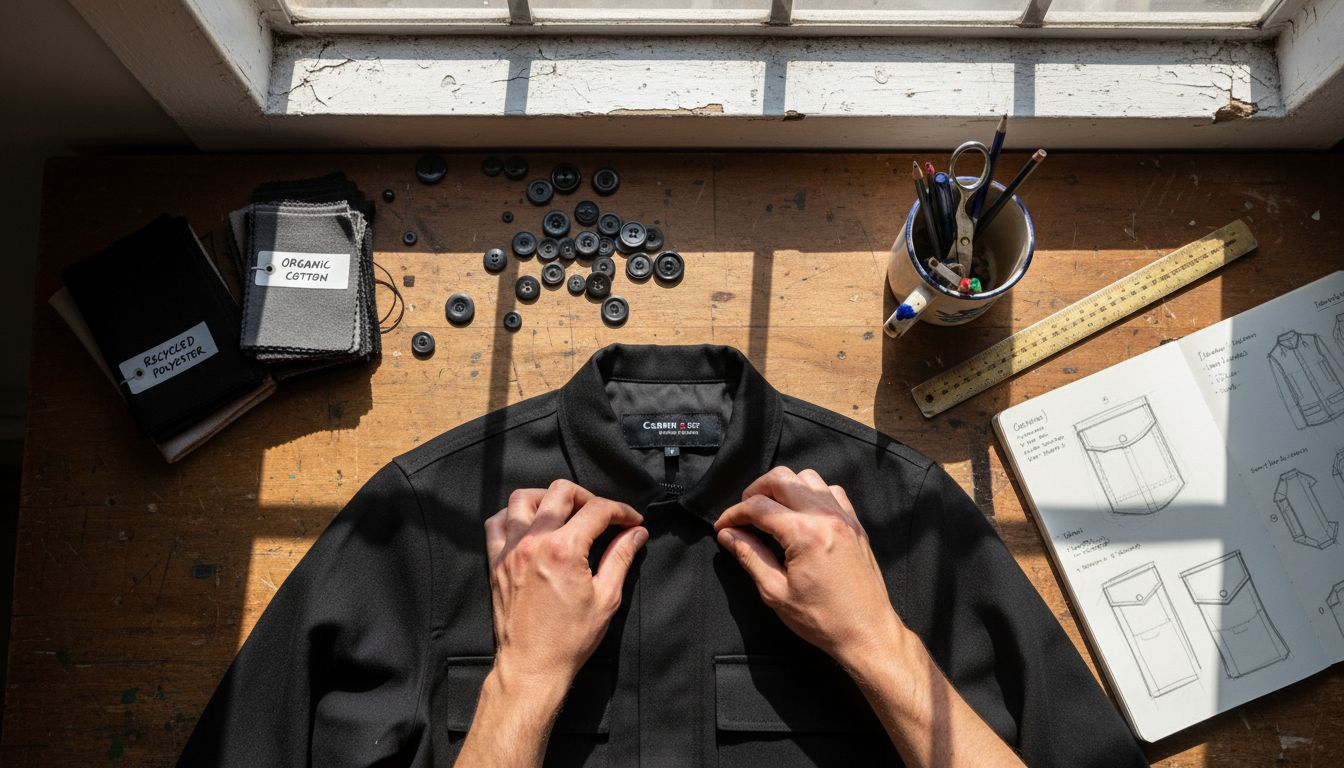
Technologische Innovationen überwinden die bisherigen Grenzen nachhaltiger Materialien. Chemische Behandlungen und Hybridgewebe-Technologien verbessern die Leistungsfähigkeit natürlicher Fasern, indem sie Eigenschaften wie Wasserabweisung, thermische Stabilität und strukturelle Integrität optimieren. So müssen Streetwear-Enthusiasten nicht mehr zwischen Umweltbewusstsein und leistungsstarker Kleidung wählen.
Experten-Tipp: Achten Sie beim Kauf nachhaltiger Streetwear auf transparente Informationen zur Lieferkette und Zertifizierungen wie den Global Organic Textile Standard (GOTS), um sicherzustellen, dass die Materialien tatsächlich ökologischen Standards entsprechen.
Diese Übersicht zeigt führende umweltfreundliche Streetwear-Materialien und ihre einzigartigen Vorteile:
| Material | Umweltvorteil | Besonderes Merkmal |
|---|---|---|
| Bio-Baumwolle | Pestizidfreier Anbau | Weicher, atmungsaktiver Stoff |
| Recyceltes Polyester | Verringert Plastikmüll | Langlebig und vielseitig |
| Pflanzenbasierte Textilien | Reduziert die Abhängigkeit von synthetischen Materialien | Biologisch abbaubare Alternativen |
| Bambusfaser | Schnell nachwachsender Rohstoff | Natürlich antibakteriell |
Ethische Produktion und Markenverantwortung
Das Streetwear-Umfeld entwickelt sich rasant weiter, wobei ethische Produktion zu einem entscheidenden Maßstab für den Markenerfolg wird. Umwelt-, Sozial- und Governance-Praktiken sind heute grundlegend für den Ruf einer Marke und das Vertrauen der Verbraucher. Moderne Streetwear-Kunden sind zunehmend anspruchsvoll und fordern Transparenz sowie Verantwortlichkeit von den Marken, die sie unterstützen.
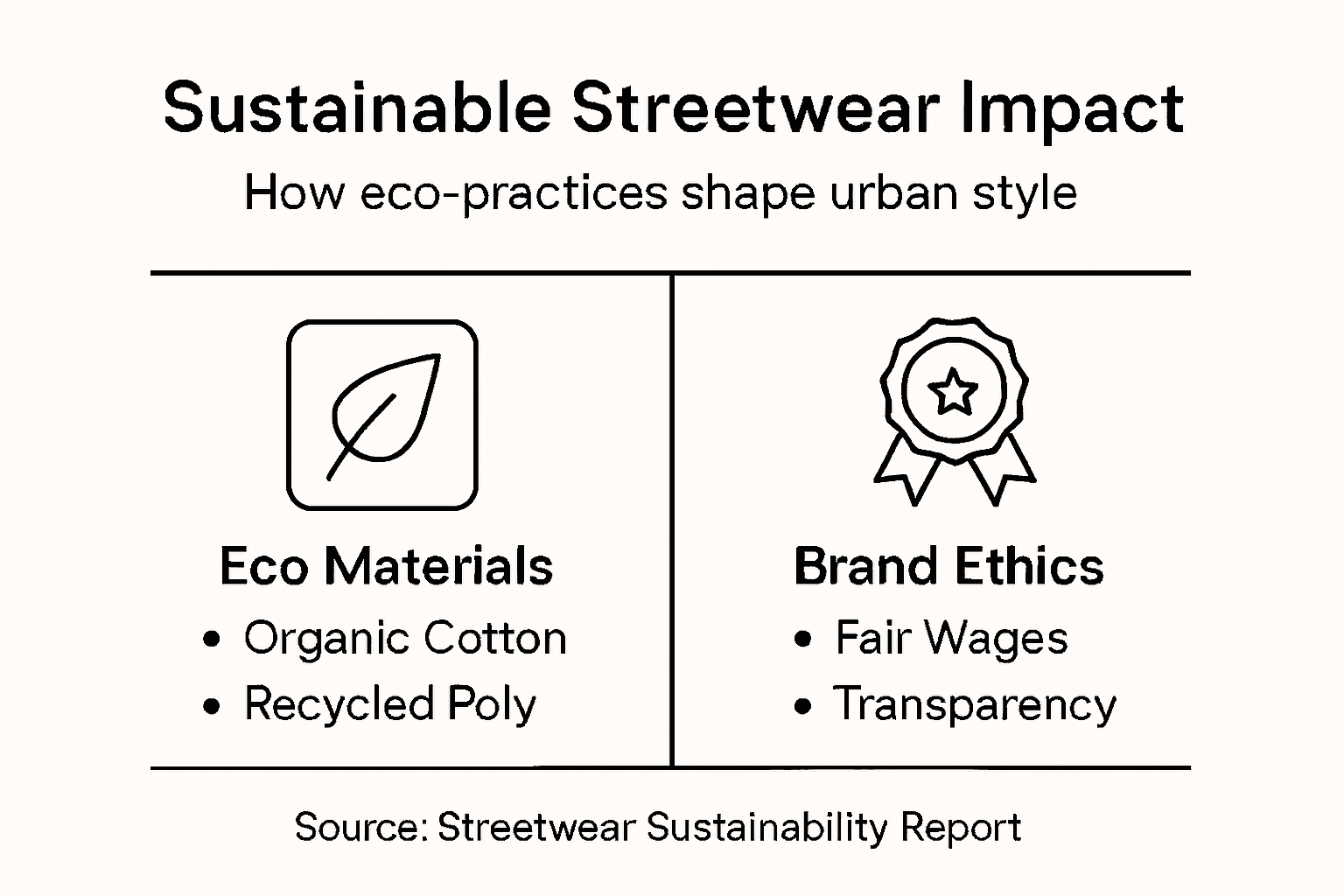
Ausbeutung von Arbeitskräften und Umweltzerstörung haben die Modebranche lange belastet, doch innovative Streetwear-Marken stellen diese traditionellen Modelle infrage. Ethische Produktion umfasst weit mehr als faire Löhne – sie berücksichtigt nachhaltige Herstellungsprozesse, verantwortungsbewussten Ressourceneinsatz und das Engagement für Arbeitssicherheit. Marken, die diese Prinzipien in den Mittelpunkt stellen, schaffen nicht nur Kleidung, sondern treiben einen systemischen Wandel in globalen Modeökosystemen voran.
Die Schnittstelle von sozialer Verantwortung und Modedesign steht für einen bedeutenden Wandel in der Streetwear-Kultur. Durch strenge Überprüfungen der Lieferkette, die Unterstützung lokaler Gemeinschaften und Investitionen in nachhaltige Technologien können Marken einen echten Unterschied bewirken. Dieser Ansatz geht über bloße Marketingrhetorik hinaus und verändert grundlegend, wie Kleidung im globalen Markt gedacht, produziert und konsumiert wird.
Experten-Tipp: Recherchieren Sie die Nachhaltigkeitsberichte von Marken und achten Sie auf unabhängige Zertifizierungen wie Fair Trade oder B Corp, um deren Aussagen zur ethischen Produktion zu überprüfen.
Einfluss der Verbraucher auf globale Modetrends
Das Konsumverhalten gestaltet die globale Modewelt grundlegend neu, wobei jüngere Generationen beispiellose Veränderungen vorantreiben. Nachhaltige Konsummuster sind heute ein starker Motor für branchenweite Veränderungen und fordern Marken dazu auf, ihre Produktionsstrategien und ethischen Verpflichtungen neu zu denken. Soziale Medien und digitale Plattformen haben die Stimmen der Verbraucher verstärkt und sorgen für eine nie dagewesene Transparenz und Verantwortlichkeit im Mode-Marketing.
Verbraucher der Generation Z und der Millennials sind besonders einflussreich und verfügen durch ihre Kaufentscheidungen über erhebliche wirtschaftliche Macht. Sie erwarten mehr als nur stilvolle Kleidung und suchen nach Marken, die ihre Werte in Bezug auf Umweltverantwortung, soziale Gerechtigkeit und authentische Repräsentation teilen. Dieser Wandel hat Modeunternehmen dazu gezwungen, über traditionelle Marketingansätze hinauszugehen und echte Nachhaltigkeit sowie ethische Praktiken fest in ihre Geschäftsmodelle zu integrieren.
Digitale Plattformen haben den Modeeinfluss demokratisiert und ermöglichen es Verbraucher:innen, Marken direkt herauszufordern, Informationen zu teilen und globale Bewegungen rund um nachhaltige Mode zu schaffen. Bewertungsportale, Social-Media-Kampagnen und Online-Communities spielen heute eine entscheidende Rolle für den Ruf und den Markterfolg einer Marke. Dieses von Konsument:innen getriebene Ökosystem hat Mode von einer Top-down-Industrie zu einer kollaborativen, interaktiven Erfahrung gewandelt, die individuelle Stimmen und kollektive Wirkung wertschätzt.
Experten-Tipp: Folgen Sie nachhaltigen Modeaktivist:innen und verantwortungsbewussten Markenaccounts in den sozialen Medien, um über neue Trends informiert zu bleiben und Unternehmen für ihre Umweltverpflichtungen zur Rechenschaft zu ziehen.
Wirtschaftliche, soziale und ökologische Auswirkungen
Die Modebranche bildet ein komplexes Ökosystem mit weitreichenden Folgen, die weit über die reine Bekleidungsproduktion hinausgehen. Globale wirtschaftliche und ökologische Herausforderungen sind eng mit der Textilherstellung verknüpft und verdeutlichen die enge Verbindung zwischen Konsummustern und systemischen Nachhaltigkeitsfragen. Diese Zusammenhänge erfordern ein umfassendes Verständnis dafür, wie individuelle Kaufentscheidungen globale wirtschaftliche und ökologische Systeme beeinflussen.
Die Umweltzerstörung bleibt ein zentrales Thema, da die Textilproduktion maßgeblich zur Ressourcenverknappung, Wasserverschmutzung und zu CO₂-Emissionen beiträgt. Das traditionelle lineare Wirtschaftsmodell des Nehmens-Herstellens-Entsorgens hat einen nicht nachhaltigen Druck auf globale Ökosysteme erzeugt und macht ein grundlegendes Umdenken in der Gestaltung, Produktion und Nutzung von Kleidung erforderlich. Ebenso gravierend sind die sozialen Auswirkungen, da Arbeitspraktiken in globalen Lieferketten häufig wirtschaftliche Ungleichheiten und ausbeuterische Arbeitsbedingungen fortschreiben.
Transformative Lösungen erfordern sektorübergreifende Zusammenarbeit und die Integration von Prinzipien der Kreislaufwirtschaft, die Ressourceneffizienz, Abfallvermeidung und soziale Verantwortung in den Mittelpunkt stellen. Wirtschaftliche Modelle müssen sich weiterentwickeln, um Rentabilität mit ökologischem Verantwortungsbewusstsein in Einklang zu bringen und Wertschöpfungsketten zu schaffen, die positive Impulse setzen statt ausbeuterische Ergebnisse zu erzielen. Dieser ganzheitliche Ansatz verlangt radikale Transparenz, innovative Designstrategien und die Bereitschaft, Mode als Kraft für positiven globalen Wandel neu zu denken.
Experten-Tipp: Recherchieren Sie Marken, die umfassende Nachhaltigkeitsberichte veröffentlichen und ihr Engagement für Prinzipien der Kreislaufwirtschaft durch eine transparente Lieferkette aktiv unter Beweis stellen.
Setzen Sie auf stilvolle Nachhaltigkeit mit MEXESS Streetwear
Der Artikel beleuchtet die Herausforderungen, mit denen die Streetwear-Kultur bei der Umsetzung von nachhaltiger Mode konfrontiert ist, während Stil und ethische Produktionsstandards gewahrt bleiben. Wenn Sie weder bei Ästhetik noch bei Ihren Werten Kompromisse eingehen möchten, ist MEXESS.com Ihre erste Adresse für organische und umweltfreundliche Streetwear, die mit Transparenz und Qualität überzeugt. Unsere sorgfältig kuratierte Kollektion erfüllt die wachsende Nachfrage nach nachhaltigen Stoffen wie Bio-Baumwolle und recycelten Materialien, die Ihren Ansprüchen an soziale Verantwortung und Umweltbewusstsein gerecht werden.

Bereit, Ihre Garderobe zu verändern, ohne auf Stil oder Komfort zu verzichten? Entdecken Sie die neuesten nachhaltigen Streetwear-Kollektionen auf MEXESS.com und erleben Sie Mode mit Verantwortung. Profitieren Sie jetzt von kostenlosem Versand bei mehreren Artikeln und einer kundenfreundlichen 30-Tage-Rückgabegarantie. Starten Sie noch heute Ihre Reise zu bewusstem Konsum, indem Sie bei MEXESS Sustainable Streetwear einkaufen, und werden Sie Teil einer Community, die sich für ethische Entscheidungen und markante Streetwear-Looks begeistert.
Häufig gestellte Fragen
Was zeichnet nachhaltige Mode in der Streetwear-Kultur aus?
Nachhaltige Mode in der Streetwear-Kultur bedeutet, umweltbewusste Praktiken wie den Einsatz ökologischer Materialien, faire Arbeitsbedingungen und die Reduzierung von Abfall entlang des gesamten Produktionsprozesses zu verfolgen. Es geht darum, traditionelle Modenormen in Praktiken zu verwandeln, die Stil und Nachhaltigkeit gleichermaßen in den Mittelpunkt stellen.
Wie beeinflussen umweltfreundliche Materialien die Performance von Streetwear?
Umweltfreundliche Materialien wie Bio-Baumwolle und recyceltes Polyester verbessern die Performance von Streetwear, indem sie Langlebigkeit, Atmungsaktivität und Funktionalität bieten – ohne Kompromisse beim Stil. Fortschritte in der Materialtechnologie haben Eigenschaften wie Wasserabweisung und Temperaturbeständigkeit optimiert, sodass nachhaltige Kleidung leistungsstark ist.
Welche ethischen Aspekte sind bei der nachhaltigen Streetwear-Produktion zu beachten?
Ethische Überlegungen bei der nachhaltigen Streetwear-Produktion umfassen faire Löhne, Arbeitssicherheit und einen verantwortungsvollen Umgang mit Ressourcen. Marken, die diese Aspekte in den Mittelpunkt stellen, setzen sich für die Beseitigung von Ausbeutung und Umweltbelastung ein und leisten so einen Beitrag zu einem grundlegenden Wandel in der Modeindustrie.
Wie kann das Konsumverhalten nachhaltige Praktiken in der Modebranche beeinflussen?
Das Konsumverhalten spielt eine entscheidende Rolle bei der Förderung nachhaltiger Praktiken, indem Marken bevorzugt werden, die echte ökologische und soziale Verantwortung zeigen. Die Nachfrage nach Transparenz und ethischem Handeln motiviert Marken dazu, Nachhaltigkeit in ihre Geschäftsmodelle zu integrieren und so branchenweite Veränderungen anzustoßen.
Empfohlen
- Die Rolle von Streetwear in der Kultur: Identität, Nachhaltigkeit, Wirkung – MEXESS
- Die Rolle von Streetwear in der Kultur: Identität, Nachhaltigkeit, Wirkung – MEXESS
- Die Rolle von Streetwear in der Kultur: Identität, Nachhaltigkeit, Wirkung – MEXESS
- Die Rolle von Streetwear in der Kultur: Identität, Nachhaltigkeit, Wirkung – MEXESS
- Sorella Drops – Arwa Miel
- Material und Nachhaltigkeit – Philotes
Hinterlassen Sie einen Kommentar