
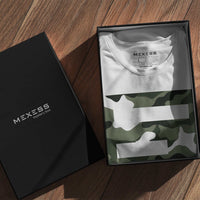

Shopping for sustainable fashion should feel exciting, not confusing. You want streetwear that looks sharp and respects the planet, but every brand claims to be eco-friendly. Labels throw around buzzwords like organic, natural, and green without proof. Misleading certifications and vague marketing make it hard to know which pieces genuinely deliver on sustainability promises. This guide cuts through the noise with practical steps to verify organic claims, understand certifications, and confidently build a premium organic wardrobe that matches your minimalist urban lifestyle.
Table of Contents
- Key takeaways
- Understand essential organic certifications
- Check certifications and brand transparency before buying
- Evaluate fabric composition and environmental impact
- Step-by-step checklist for purchasing premium organic streetwear
- Explore authentic organic streetwear at Mexess
- How to choose organic clothing FAQ
Key Takeaways
| Point | Details |
|---|---|
| GOTS gold standard | GOTS is the most comprehensive organic textile standard, auditing every stage from fiber to finished garment and requiring minimum organic fiber content of 70 percent for blends or 95 percent for items labeled organic. |
| OCS content verification | OCS confirms the presence and amount of organic material but does not regulate processing or social standards, so use it with additional certifications for full assurance. |
| Verify certifications | Inspect the label for certifier name, license number, and organic percentage and cross reference it in the official database or scan QR codes to access digital certificates. |
| Avoid vague eco claims | Reject claims that skip chain of custody or use vague terms like eco friendly without third party certification. |
| Natural fiber blends | Choose natural fiber blends over synthetics to reduce microplastic shedding and improve long term sustainability. |
Understand essential organic certifications
Certifications separate authentic organic clothing from greenwashed marketing. GOTS certification covers environmental, chemical, and social standards end-to-end in textile production, making it the most comprehensive choice for conscious shoppers. This certification requires minimum 70% organic fibers for products labeled organic blend and 95% for items marked organic. GOTS audits every stage from farm to finished garment, ensuring no harmful chemicals enter the process and workers receive fair treatment.
Organic Content Standard (OCS) verifies the presence and amount of organic material in a final product but stops there. It tracks fiber from source to final product without regulating how factories process materials or treat employees. OCS works well for blended fabrics where you want transparency about organic percentages but need to pair it with other certifications for complete assurance. Think of OCS as proof of ingredient authenticity without the recipe quality check.
OEKO-TEX Standard 100 complements organic certifications by testing finished products for over 100 harmful substances. This certification confirms your organic cotton clothing won’t irritate skin or release toxins during wear and washing. Many premium brands combine GOTS with OEKO-TEX to deliver both organic sourcing and chemical safety.
Pro Tip: Reject certifications that skip chain of custody verification. Labels like made with organic cotton or eco-friendly without third-party certification often hide conventional materials or questionable processing methods.
When evaluating certifications, prioritize these features:
- Full supply chain traceability from raw fiber to finished garment
- Independent third-party auditing with annual renewals
- Clear percentage requirements for organic content
- Environmental standards covering water use, chemical inputs, and waste management
- Social compliance including fair wages and safe working conditions
Understanding sustainable certifications helps you spot the difference between legitimate organic products and clever marketing. Brands committed to transparency display multiple certifications and provide detailed information about their supply chain partners.
Check certifications and brand transparency before buying
Verifying organic claims takes 60 seconds and saves you from wasting money on fake eco-products. Start by examining the GOTS label sewn into your garment. Legitimate GOTS tags include the certifier name, license number, and percentage of organic fiber content. You can cross-reference this information in the official GOTS database by searching the license number.
Follow these verification steps before purchasing:
- Locate the certification label inside the garment near care instructions
- Photograph or note the certifier name and license number
- Visit the official certification body website and search their public database
- Scan any QR codes on hang tags to access digital certificates
- Request Transaction Certificates from the brand for batch-specific proof
- Review the brand’s sustainability report for supply chain transparency
Many certified products now include QR codes linking directly to OEKO-TEX certificates or supply chain maps. Scanning these codes reveals factory locations, fiber sources, and audit dates. Brands hiding this information or making verification difficult likely have something to conceal.
Transaction Certificates provide the strongest proof of organic authenticity. These documents track specific fabric batches from certified suppliers through manufacturing to final sale. Trustworthy brands share these certificates readily when customers ask. Hesitation or vague responses signal potential greenwashing.
Pro Tip: Create a quick reference photo album on your phone with screenshots of verified certifications from your favorite brands. This makes repeat purchases faster and helps you spot inconsistencies if labels change.
Watch for these common greenwashing tactics:
| Red Flag | What It Means | Better Alternative |
|---|---|---|
| Natural fibers without certification | Likely conventional cotton marketed deceptively | Demand GOTS or OCS verification |
| Eco-friendly or sustainable alone | Vague claims with no measurable standards | Look for specific certifications |
| Made with organic cotton | Could be 5% organic, 95% conventional | Check exact organic percentage |
| Green imagery without proof | Visual marketing not backed by third-party audit | Verify through certification databases |
Brand transparency extends beyond certifications to include published sustainability reports, factory disclosures, and organic cotton traceability tools. Companies serious about sustainability invest in digital platforms that let you trace your specific garment back to the farm. This level of openness builds trust and proves commitment beyond marketing slogans.
Always verify organic cotton clothing claims through official channels rather than accepting brand statements at face value. The extra minute spent checking certifications protects your wallet and ensures your wardrobe choices actually support sustainable practices.
Evaluate fabric composition and environmental impact
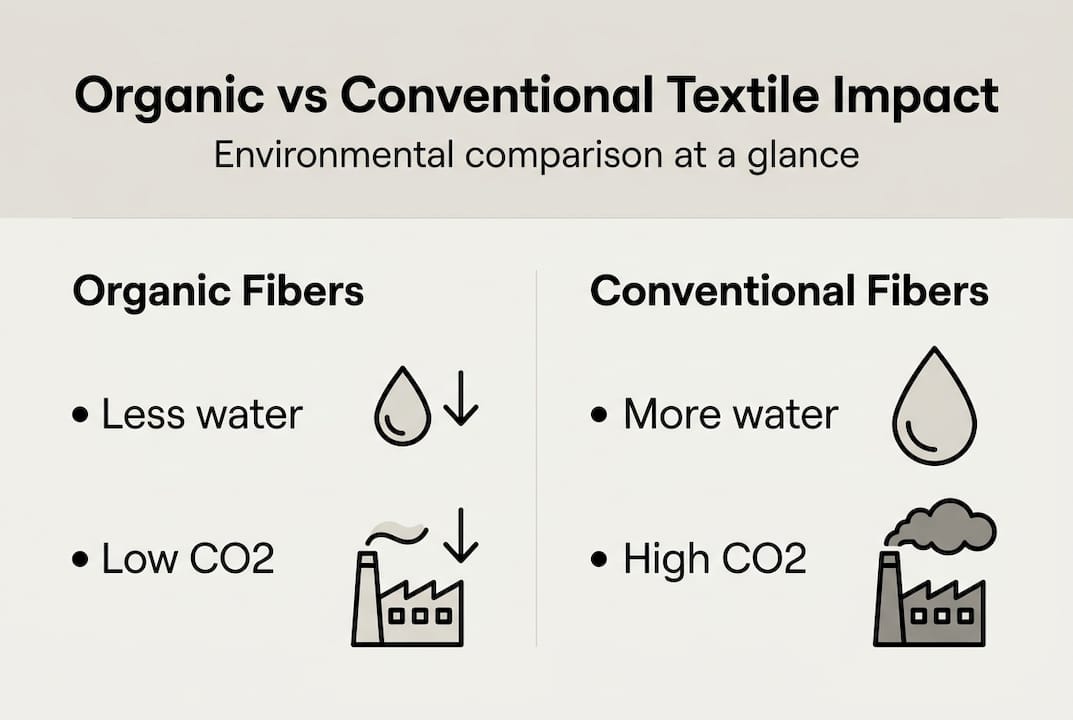
Fabric composition determines both style longevity and planetary impact. Organic cotton reduces water consumption by 91% and carbon emissions by 45-46% compared to conventional cotton. Hemp performs even better on some environmental metrics while delivering exceptional durability for everyday streetwear. These natural fibers break down completely at end of life instead of persisting as microplastic pollution.
Synthetic blends compromise sustainability even in small percentages. Garments containing over 20% polyester, nylon, or elastane shed microplastics with every wash. These particles enter waterways, accumulate in marine life, and eventually return to our food chain. A single polyester hoodie releases up to 700,000 microfibers per wash cycle. Choosing 100% organic cotton or natural fiber blends eliminates this pollution source while maintaining the soft hand feel and breathability essential for comfortable urban wear.
Compare the lifecycle impacts:
| Fiber Type | Water Use | CO2 Emissions | Biodegradability | Microplastic Shedding |
|---|---|---|---|---|
| Organic cotton | 91% less than conventional | 45% lower | Full decomposition in 6 months | None |
| Conventional cotton | High pesticide runoff | Moderate to high | Yes, but chemical residue | None |
| Hemp | Minimal irrigation needed | Very low | Complete in 3-4 months | None |
| Polyester blend | Petroleum-based | High | Never | 700,000+ fibers per wash |
Organic fibers deliver superior garment lifespan when properly cared for. The absence of harsh chemical processing preserves fiber strength, meaning your favorite organic tee maintains shape and softness through years of regular wear. Conventional cotton weakens faster due to pesticide damage and aggressive bleaching processes. This durability advantage makes organic pieces better investments despite higher upfront costs.
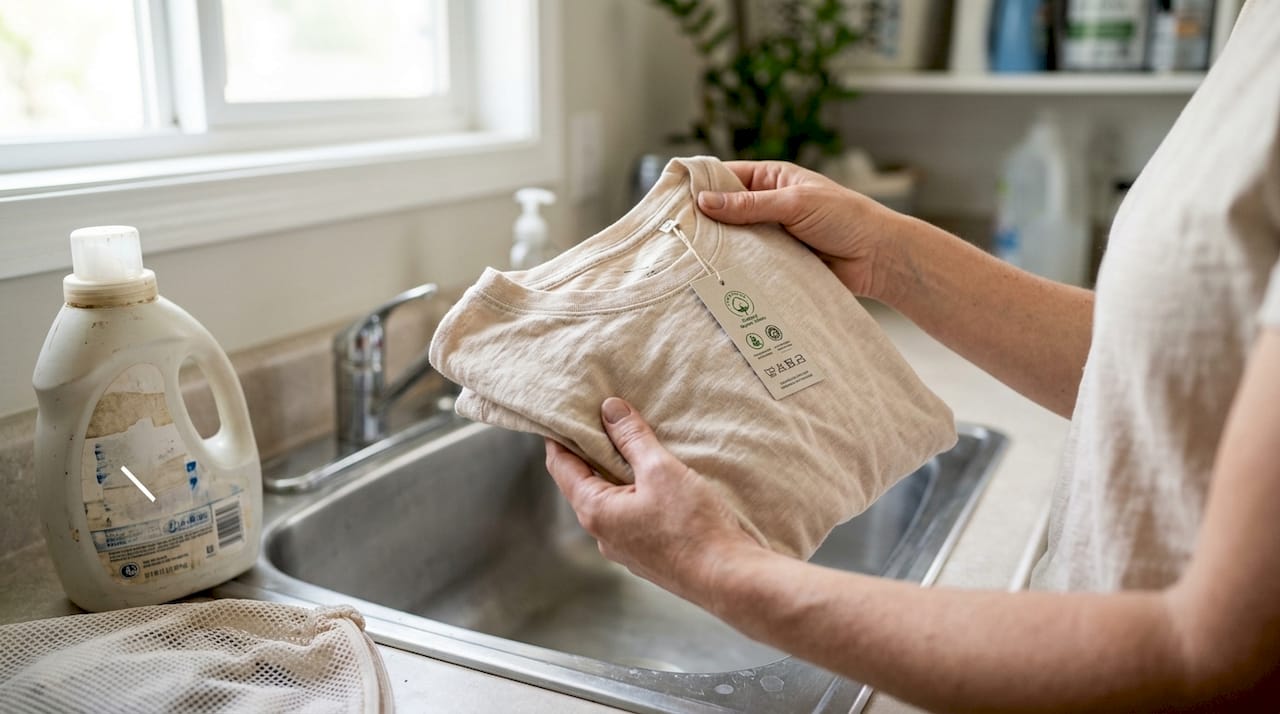
Garment-dyed organic cotton perfectly suits minimalist and streetwear aesthetics. This finishing technique dyes completed garments rather than raw fabric, creating subtle color variations and a lived-in feel straight from the package. The process uses less water and energy while producing the relaxed, premium look favored in contemporary urban fashion. Piece-dyed organic cotton also maintains color integrity better than conventionally dyed alternatives.
Understanding organic clothing environmental benefits helps you make choices aligned with both style and values. Read fiber content labels carefully:
- 100% organic cotton or hemp offers maximum sustainability
- Blends with 5-10% elastane provide stretch while minimizing synthetic content
- Organic cotton/recycled polyester blends reduce virgin plastic use but still shed microfibers
- Avoid products listing organic cotton last in fiber composition, indicating minimal actual content
Brands sometimes market items as organic when only a small percentage qualifies. A shirt labeled organic cotton blend might contain just 30% organic fibers mixed with 70% conventional cotton or synthetics. Always check the exact percentage and prioritize products with 95% or higher organic content for genuine environmental benefits.
The environmental impact comparison between organic and conventional textiles extends beyond production to include soil health, farmer safety, and ecosystem preservation. Organic farming rebuilds soil carbon, supports biodiversity, and eliminates pesticide exposure for agricultural workers. These benefits compound over time as organic practices restore rather than deplete natural resources.
Step-by-step checklist for purchasing premium organic streetwear
Applying a systematic 60-second checklist transforms how you shop for organic clothing. This practical methodology ensures every purchase meets your sustainability and style standards without slowing down your shopping experience.
Follow this sequence when evaluating any organic garment:
- Scan the sewn-in label for GOTS, OCS, or OEKO-TEX certification marks with visible license numbers
- Verify the certifier name and license through official online directories using your phone
- Check fiber composition aiming for 95% or higher organic content with minimal synthetics
- Research brand transparency by visiting their website sustainability page or requesting Transaction Certificates
- Feel the fabric between your fingers assessing softness, weight, and durability appropriate for frequent wear
- Examine stitching quality, seam finishing, and construction details indicating premium manufacturing
- Prefer garment-dyed organic cotton for the relaxed aesthetic and color depth that improves with age
- Compare pricing across certified brands to ensure you’re paying for quality, not markup
- Review return policies and care instructions to protect your investment
- Buy from established brands with verified customer reviews and transparent supply chains
Pro Tip: Take 30 seconds to photograph certification labels and save them in a dedicated phone folder. This creates a personal database of verified brands and makes future purchases instant.
The fabric hand test reveals quality differences invisible in product photos. Organic cotton processed without harsh chemicals feels noticeably softer and more substantial than conventional alternatives. Premium organic streetwear drapes naturally without stiffness, recovers from wrinkles easily, and maintains consistent texture across the entire garment. Thin or scratchy fabric suggests poor quality raw materials or aggressive chemical processing regardless of organic claims.
Garment-dyed organic pieces develop character through wear while maintaining structural integrity. This finishing method creates slight color variations between items that add visual interest to minimalist wardrobes. The relaxed, broken-in aesthetic aligns perfectly with contemporary streetwear while the gentle dyeing process extends garment life.
Trustworthiness indicators extend beyond certifications to include detailed product descriptions, transparent pricing breakdowns, and educational content about organic materials. Brands confident in their sustainability invest in helping customers understand what they’re buying and why it matters. Vague marketing language or resistance to sharing supply chain details signals potential greenwashing.
Apply this organic cotton clothing checklist consistently and you’ll build a wardrobe of pieces that look great, last years, and genuinely support sustainable fashion. The initial time investment in verification becomes automatic with practice, turning conscious shopping into a quick habit rather than a research project.
Explore authentic organic streetwear at Mexess
Now that you know how to identify genuine organic clothing, discover a brand that meets every standard covered in this guide. Mexess curates premium organic streetwear with full GOTS and OEKO-TEX certification transparency. Every piece combines minimalist urban design with verified sustainable materials, giving you the confidence that your wardrobe choices align with your values.

The collection focuses on essential pieces like organic cotton tees, hoodies, and sweatshirts designed for everyday city life. Each product page displays certification details, fiber composition, and supply chain information so you can verify claims instantly. Mexess eliminates the guesswork from sustainable shopping by providing the transparency and quality you deserve. Explore styles that prove organic clothing delivers both environmental responsibility and premium streetwear aesthetics.
How to choose organic clothing FAQ
What does GOTS certification guarantee?
GOTS certification verifies that a garment contains at least 70% organic fibers and meets strict environmental and social standards throughout production. It covers chemical restrictions, water treatment, fair labor practices, and complete supply chain traceability from farm to finished product.
Can organic clothing include synthetic fibers?
Yes, organic clothing can contain up to 30% non-organic fibers including synthetics under GOTS organic blend standards. However, choosing 100% organic natural fibers eliminates microplastic pollution and maximizes environmental benefits. Check exact percentages on labels to understand what you’re actually buying.
How do I avoid greenwashed clothing brands?
Demand third-party certifications like GOTS or OCS with verifiable license numbers you can check in official databases. Request Transaction Certificates for specific batches and research brand transparency through published sustainability reports. Reject vague eco-friendly claims without measurable proof or independent verification.
Is organic clothing more expensive and why?
Organic clothing typically costs 15-30% more due to higher raw material expenses, certification fees, and ethical labor practices. The investment pays off through superior durability, better skin comfort, and genuine environmental impact reduction. Quality organic pieces last significantly longer than fast fashion alternatives, lowering cost per wear.
How should I care for organic fabrics to maintain longevity?
Wash organic cotton in cold water with mild, eco-friendly detergent to preserve fiber strength and color. Air dry when possible to prevent heat damage and shrinkage. Avoid fabric softeners which coat fibers and reduce breathability. Following these practices extends garment life while maintaining the soft, premium feel of organic textiles.
Ostavite komentar