


The fashion industry produces over 92 million tons of textile waste annually, filling landfills and polluting ecosystems at an alarming rate. This staggering figure reveals an urgent need for sustainable alternatives that don’t sacrifice style. Upcycled apparel emerges as a creative solution, transforming discarded textiles into fresh, fashion-forward pieces that resonate with Gen Z and Millennial shoppers seeking minimalist, eco-conscious streetwear. This guide demystifies what upcycled apparel truly means and why it matters for your wardrobe and the planet.
Table of Contents
- What Is Upcycled Apparel And How Does It Work?
- Why Upcycled Apparel Matters To The Environment And Fashion Industry
- How Upcycled Fashion Supports Communities And Craftsmanship
- The State Of Upcycled Apparel In Fashion Today And How You Can Adopt It
- Explore Sustainable And Upcycled Fashion With MEXESS
Key takeaways
| Point | Details |
|---|---|
| Upcycled apparel repurposes textile waste | Existing fabrics and garments are creatively transformed into new clothing pieces. |
| Reduces environmental impact significantly | Conserves water, energy, and slashes carbon emissions by avoiding new fabric production. |
| Involves innovative design techniques | Methods include deconstruction, reconstruction, and creative reuse of materials. |
| Empowers communities through craftsmanship | Programs train artisans from disadvantaged backgrounds while creating sustainable products. |
| Fashion brands increasingly adopt upcycling | From limited collections to dedicated lines, upcycling enters mainstream fashion. |
What is upcycled apparel and how does it work?
Upcycled apparel represents a fundamental shift in how we think about clothing production. Instead of manufacturing garments from virgin materials, designers creatively reuse existing fabrics and garments to make entirely new pieces. This approach rescues textiles destined for landfills and gives them renewed purpose through artistic vision and skilled craftsmanship.
The distinction between upcycling and recycling matters significantly. Recycling breaks down fibers into raw materials, often downgrades material properties, and requires energy-intensive processing. Upcycling preserves or enhances the original quality, maintaining fabric integrity while adding creative value. Think of recycling as melting down a sculpture to make generic blocks, while upcycling transforms that sculpture into a new masterpiece.
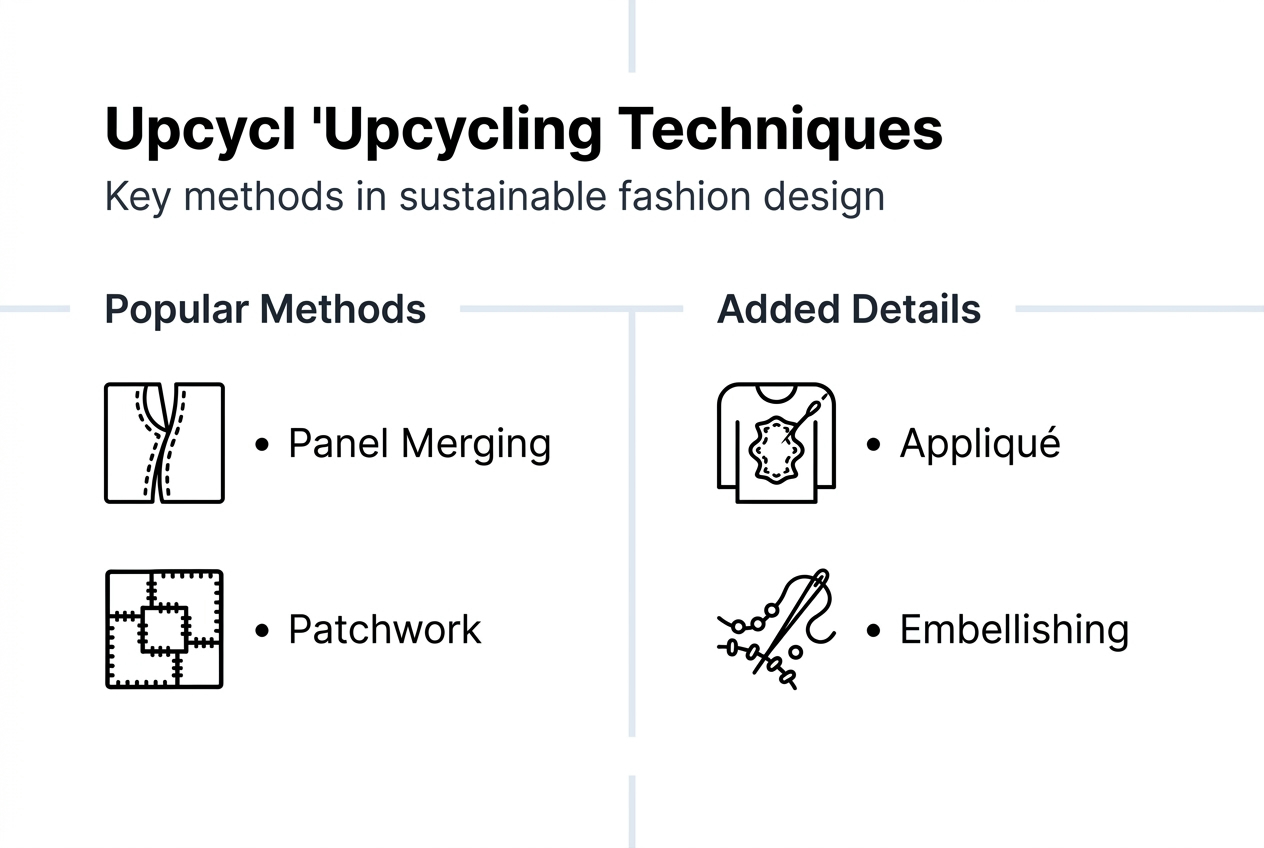
Designers employ several innovative techniques when creating upcycled pieces:
- Deconstruction: Taking apart existing garments to harvest usable fabric sections and components
- Reconstruction: Reassembling salvaged materials into completely new designs and silhouettes
- Creative reuse: Repurposing garments with minimal alteration, such as converting vintage military jackets into contemporary streetwear
- Fabric shredding and reweaving: Breaking down textiles strategically to create new textures and patterns
Upcycling involves various methodologies, including these techniques and more, allowing designers to experiment with unexpected material combinations. The process demands exceptional craftsmanship and design innovation since each piece must work with the available materials’ unique characteristics. No two upcycled garments are identical due to textile waste variability, making each piece genuinely one-of-a-kind.
This variability actually becomes an asset in the world of sustainable streetwear, where individuality and exclusivity drive desirability. Young consumers increasingly value unique pieces that tell a story and reflect personal style rather than mass-produced uniformity.
Why upcycled apparel matters to the environment and fashion industry
Fashion’s environmental footprint extends far beyond overflowing closets. The industry contributes approximately 10% of global carbon emissions, more than international flights and maritime shipping combined. Over 92 million tons of textile waste accumulate annually, with the equivalent of one garbage truck of textiles landfilled or incinerated every second. These statistics paint a sobering picture of an industry in crisis.
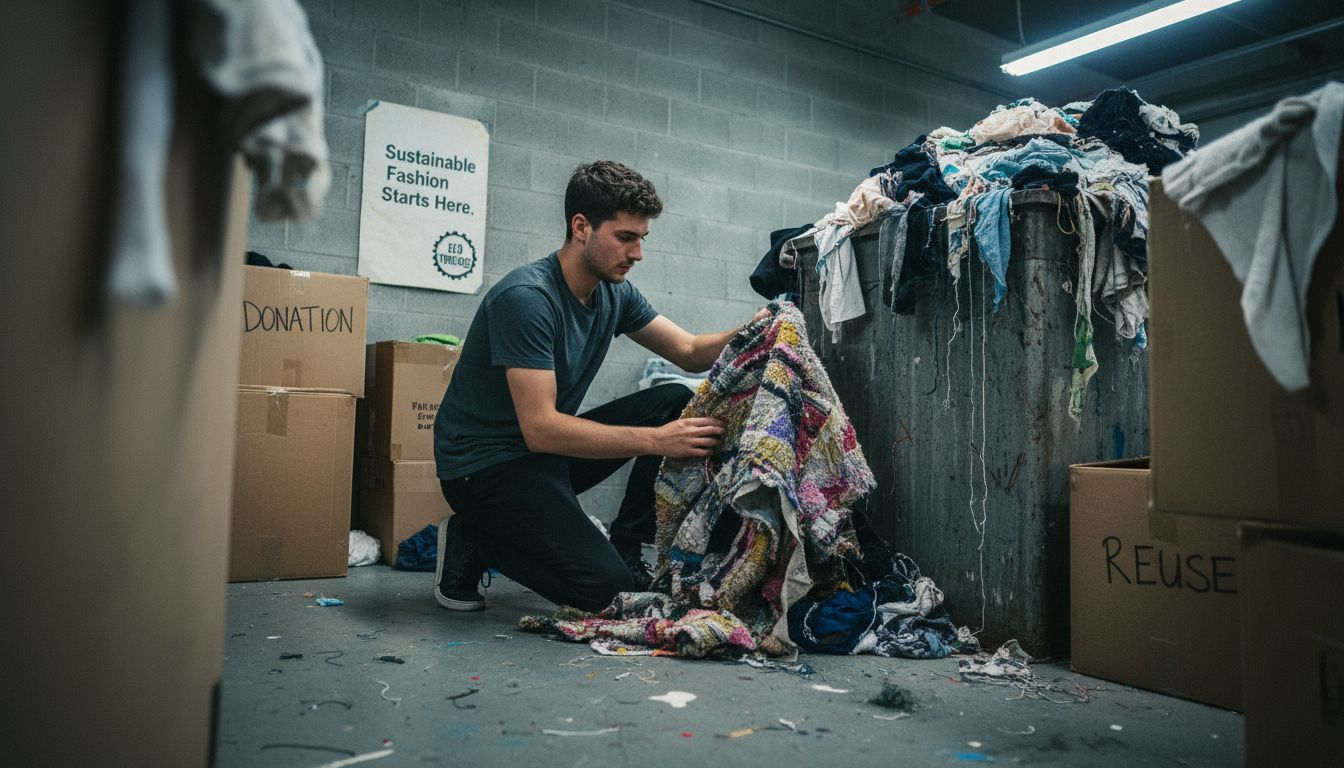
Upcycled apparel directly addresses this crisis by intercepting textile waste before it reaches landfills. Upcycling reduces textile waste and minimizes fashion’s environmental impact by repurposing existing materials rather than demanding new production. This intervention creates a circular flow where materials remain in use longer, dramatically reducing demand for virgin fabric manufacturing.
The resource savings prove substantial. Producing a single cotton shirt requires approximately 2,700 liters of water. That’s enough drinking water for one person for 900 days. Upcycling existing textiles conserves this water, eliminates energy-intensive cultivation and processing, and avoids pesticide and chemical pollution associated with conventional cotton farming.
Consider the stark contrast in resource consumption:
| Resource | Conventional Production | Upcycled Production | Savings |
|---|---|---|---|
| Water usage | 2,700 liters per shirt | Minimal (cleaning only) | 95%+ reduction |
| Energy consumption | High (farming, processing, dyeing) | Low (design, assembly) | 80%+ reduction |
| Chemical inputs | Pesticides, dyes, finishes | None to minimal | 90%+ reduction |
| Carbon emissions | Significant throughout supply chain | Minimal (local processing) | 70%+ reduction |
These comparisons demonstrate why environmental benefits of upcycled apparel extend beyond simple waste reduction. Every upcycled garment represents avoided pollution, conserved resources, and reduced carbon output.
If the fashion industry continues its current trajectory, it could use more than a quarter of the world’s carbon budget by 2050. Upcycling offers a viable pathway to dramatically reduce this impact while maintaining style and quality.
The industry transformation happens through both individual choices and brand commitments. When you choose upcycled pieces, you vote for a fashion system that values longevity, creativity, and environmental stewardship over disposable trends and planned obsolescence.
How upcycled fashion supports communities and craftsmanship
Upcycling’s impact reaches beyond environmental benefits into meaningful social change. Progressive programs combine upskilling initiatives with upcycling practices, creating opportunities for disadvantaged communities while advancing sustainability goals. This dual approach addresses both environmental and social justice simultaneously.
ReFAB Studio transforms designer remnants into bespoke, sustainable lifestyle pieces and home decor while upskilling community artisans, particularly women from disadvantaged backgrounds. Their model demonstrates how fashion can become a vehicle for economic empowerment rather than exploitation. ReFAB Studio delivers Upcycling-Upskilling workshops for tailors from disadvantaged communities, teaching them to create premium, bespoke products from designer fabric remnants.
Programs like these generate multiple benefits:
- Economic empowerment: Participants earn income while learning marketable skills that provide long-term employment opportunities
- Skill development: Traditional craftsmanship techniques merge with contemporary design approaches, preserving cultural heritage while building modern capabilities
- Social equity: Programs often prioritize women, refugees, and marginalized groups who face barriers to conventional employment
- Community building: Collaborative workshops create support networks and shared purpose among participants
- Quality enhancement: Artisan involvement ensures attention to detail and craftsmanship that elevates upcycled pieces beyond mass production standards
The craftsmanship element distinguishes upcycled apparel from typical manufacturing. Each piece requires thoughtful planning, skilled execution, and creative problem-solving since materials vary in condition, texture, and availability. This human touch creates clothing with character and soul, qualities increasingly valued by consumers tired of cookie-cutter fast fashion.
When you support brands embracing these practices, you contribute to sustainable fashion communities that prioritize people and planet alongside profit. This represents fashion’s future: businesses that succeed by doing good rather than extracting value at any cost.
Pro Tip: Look for brands offering transparency about their artisan programs and community partnerships. Genuine commitment shows through detailed information about who makes the clothes, where they work, and how they benefit. Vague sustainability claims without specifics often mask greenwashing.
The state of upcycled apparel in fashion today and how you can adopt it
Fashion brands embrace upcycling through various approaches, each reflecting different levels of commitment and integration. Some brands build their entire identity around upcycled materials, while others experiment through limited collections or special collaborations. Fashion brands are adopting upcycling in various ways, releasing limited collections and dedicated lines like Freitag’s upcycled bags and Stella McCartney’s upcycled apparel.
The current landscape includes:
| Brand Approach | Upcycling Focus | Product Examples | Availability |
|---|---|---|---|
| Fully upcycled brands | 100% upcycled materials | Entire collections made from reclaimed textiles | Online, select boutiques |
| Dedicated upcycled lines | Separate collection within brand | Seasonal capsules using deadstock or vintage pieces | Limited releases |
| Limited editions | Occasional special releases | Collaboration pieces, anniversary collections | Very limited, often sells out |
| Material integration | Blends upcycled with new materials | Garments combining reclaimed and sustainable new fabrics | Regular availability |
Despite growing adoption, upcycling presents challenges due to textile waste variability, making mass production difficult. Inconsistent material supply, varying fabric conditions, and design complexity limit scalability compared to conventional manufacturing. These constraints actually enhance exclusivity and uniqueness, appealing to consumers seeking distinctive pieces.
You can incorporate upcycled apparel into your wardrobe through these practical steps:
-
Research brands committed to upcycling: Explore companies specializing in upcycled streetwear and sustainable fashion. Check their sourcing practices, production transparency, and design philosophy.
-
Start with versatile basics: Choose upcycled t-shirts, hoodies, or jackets that work with your existing wardrobe. Neutral colors and classic silhouettes ensure long-term wearability.
-
Embrace unique variations: Understand that slight differences in color, texture, or detailing make each piece special rather than flawed. This individuality defines upcycled fashion’s appeal.
-
Care for pieces properly: Follow care instructions carefully since upcycled garments may contain varied materials requiring specific treatment. Proper care extends lifespan and maintains quality.
-
Build gradually: Create a curated wardrobe by adding quality upcycled pieces over time rather than replacing everything immediately. Focus on items you’ll wear repeatedly.
Pro Tip: When buying upcycled clothing online, examine product photos closely and read descriptions thoroughly. Reputable brands clearly explain the materials used, any unique characteristics, and sizing guidance. Contact customer service with questions before purchasing to ensure the piece meets your expectations.
The upcycled streetwear trend continues gaining momentum as more consumers recognize that sustainability and style coexist beautifully. Your choices shape fashion’s future, supporting brands innovating toward environmental responsibility while delivering the aesthetic and quality you demand.
Explore sustainable and upcycled fashion with MEXESS
Ready to make your wardrobe more sustainable without sacrificing style? MEXESS leads the movement toward conscious streetwear that blends minimalist design with environmental responsibility. Our collections prioritize organic cotton and sustainable materials, creating versatile pieces that work effortlessly in your everyday urban lifestyle.
Discover how premium organic cotton streetwear combines comfort, durability, and eco-friendly production. Browse our curated collections designed for contemporary city living, from essential tees to statement hoodies that reflect your values. Explore our blog for deeper insights into upcycling streetwear and learn how small choices create significant environmental impact. Join the community of style-conscious individuals choosing quality over quantity and supporting sustainable fashion that empowers communities while protecting the planet.
FAQ
What is the difference between upcycling and recycling in fashion?
Upcycling creatively reuses existing garments and fabrics without breaking down fibers, preserving or enhancing material quality through design innovation. Recycling breaks textiles down into raw fibers, often degrading quality and requiring energy-intensive reprocessing. Upcycling maintains the original fabric’s integrity while adding new value through craftsmanship.
How does upcycled apparel reduce environmental impact?
Upcycled apparel intercepts textile waste before it reaches landfills, eliminating the need for new fabric production. This conserves thousands of liters of water per garment, slashes energy consumption by 80% or more, and avoids chemical pollution from pesticides and dyes. Each upcycled piece represents significant carbon emission reductions compared to conventional manufacturing.
Can upcycled fashion be stylish and unique?
Absolutely. Upcycling involves exceptional design innovation and craftsmanship, creating pieces with distinctive character and aesthetic appeal. Material variability ensures each garment has unique details, colors, or textures that set it apart from mass-produced clothing. This individuality attracts consumers seeking personal style expression rather than generic trends.
How can I find trustworthy upcycled apparel brands?
Look for brands offering detailed transparency about material sourcing, production processes, and artisan involvement. Check for sustainability certifications, read customer reviews carefully, and research brand ethics and community impact. Consider established sustainable streetwear brands like MEXESS that demonstrate long-term commitment to environmental responsibility through consistent practices and educational content.
Ostavite komentar