
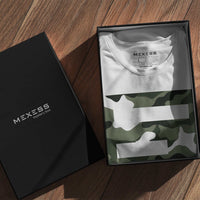

Finding streetwear that effortlessly blends comfort with minimalist style can feel like searching for a needle in a haystack for many European urban professionals. What you wear needs to keep up with your busy lifestyle without compromising your values or confidence. This article clears up myths around streetwear comfort and reveals how physical ease and psychological confidence form the foundation of clothing that fits your aesthetic and supports your sustainable choices.
Table of Contents
- Comfort In Streetwear: Definition And Myths
- Fabric Choices And Organic Cotton Impact
- Functional Design Trends For Urban Life
- Sustainability, Wellness, And Ethical Values
- Common Streetwear Comfort Mistakes To Avoid
Key Takeaways
| Point | Details |
|---|---|
| True Comfort in Streetwear | Comfort includes physical ease and psychological confidence, essential for authentic self-expression through clothing. |
| Myths to Avoid | Oversized fits, prioritizing style over fit, and assuming luxury equals comfort can lead to poor purchasing decisions. |
| Material Matters | Choosing high-quality materials like organic cotton ensures durability and aligns with personal and environmental values. |
| Functional Design | Streetwear should incorporate functional elements like pockets and adaptable fits, enhancing everyday comfort and usability. |
Comfort in Streetwear: Definition and Myths
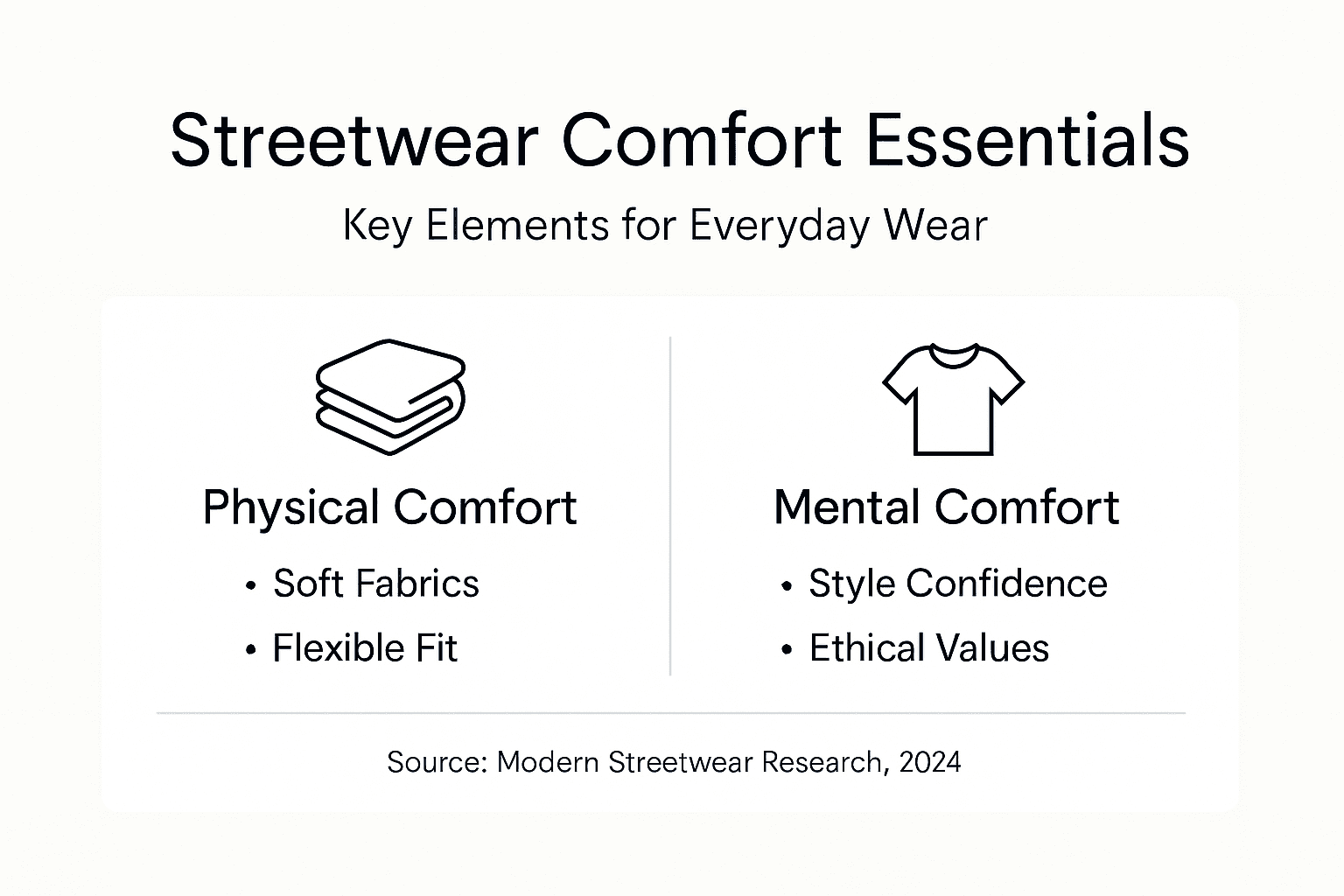
Comfort in modern streetwear goes far beyond just feeling soft against your skin. It’s a blend of physical ease and psychological confidence that allows you to move through your day without thinking about what you’re wearing. This dual nature is what separates authentic streetwear from casual fashion that simply prioritizes relaxation.
The research shows that comfort encompasses both physical wearability and psychological ease, which directly influence how you engage with your clothes and express your identity through them. When a piece fits right and moves with your body, you project genuine confidence rather than trying too hard.
What Comfort Actually Means in Streetwear
True comfort in streetwear breaks down into several distinct elements:
- Fabric hand and breathability – How the material feels against your skin and whether it allows proper airflow
- Fit precision – Pieces that follow your body’s lines without restricting movement or hanging awkwardly
- Weight distribution – Garments that feel substantial without being heavy, providing structure without burden
- Versatility across contexts – Clothes that work whether you’re commuting, working from home, or meeting friends
- Emotional ease – The confidence that comes from wearing pieces that align with your personal aesthetic
Comfort is not about oversizing everything or defaulting to loungewear aesthetics. Instead, it’s about finding that precise point where structure meets freedom.
Common Myths About Streetwear Comfort
Several widespread misconceptions exist about what comfort means in urban fashion, and they often lead buyers to make the wrong choices.
Myth 1: Comfort means maximum looseness
Many assume streetwear comfort requires dropping several sizes up. In reality, oversized pieces can create drag and awkward movement, especially through the shoulders and sleeves. A properly fitted oversized item (which accounts for intentional volume in specific areas) feels worlds better than something randomly too large.
Myth 2: Streetwear is just casual, so comfort doesn’t matter
This misunderstanding stems from viewing streetwear as purely rebellious or anti-fashion. Research on cultural identity through streetwear reveals that comfort directly supports personal expression and community belonging. Discomfort actually undermines the entire purpose of streetwear as identity signaling.
Myth 3: Luxury materials automatically equal comfort
Expensive fabrics feel different, not necessarily better. A well-constructed organic cotton blend can outperform luxury synthetics for actual wearability. What matters is how a material performs – its breathability, recovery, and longevity – not its price point.
Myth 4: Comfort is only physical
Perhaps the biggest misconception. When a piece doesn’t align with your aesthetic values or makes you feel self-conscious, that psychological discomfort sabotages the entire wearing experience. Comfort includes feeling authentically yourself.
Why These Myths Cost You Money
Following these myths typically results in drawers full of unworn pieces. Buying oversized items that don’t flatter your proportions, chasing expensive labels that don’t actually perform better, or compromising your personal style for “comfort” – these decisions waste both money and closet space.
Authentic comfort in streetwear means pieces that feel natural on your body and align with how you want to present yourself to the world.
Pro tip: When trying on streetwear pieces, move around actively. Raise your arms overhead, walk around the space, sit down, and reach across your body. If the garment restricts any of these natural movements, it’s not truly comfortable regardless of how it looks in the mirror.
Fabric Choices and Organic Cotton Impact
The fabric you choose determines how comfortable, durable, and aligned your streetwear pieces feel with your values. Organic cotton stands out because it delivers comfort while addressing the environmental concerns that matter to eco-conscious urban professionals.
When you wear streetwear made from organic cotton, you’re not just choosing a softer material. You’re making a decision that reflects your commitment to sustainable fashion without sacrificing fit, durability, or style.
Why Organic Cotton Outperforms Conventional Cotton
Organic cotton production eliminates synthetic pesticides and artificial fertilizers, creating tangible benefits for both you and the planet.
- Reduced chemical residue – Your skin contacts fewer synthetic compounds, reducing irritation risk
- Better breathability – Organic cotton fibers maintain purer structure, allowing superior airflow
- Enhanced durability – Absence of chemical damage means fibers remain stronger through washing cycles
- Natural color retention – Without harsh dyes and treatments, colors fade more gracefully over time
- Lower environmental toxicity – Research on organic cotton’s reduced ecotoxicity demonstrates significantly lower impact on freshwater and soil systems
These aren’t marketing claims. They’re measurable differences that affect how your pieces perform in real life.
The Comfort Connection: Why Material Matters
Comfort isn’t just about softness during your first wear. It’s about how fabric behaves after 50 washes, whether it maintains its shape, and how it performs throughout a full season.
Organic cotton maintains its comfort profile longer because the base material is stronger. Conventional cotton treated with chemical shortcuts becomes thin and pilled after multiple washes. You’ll notice the difference around month three of regular wear.
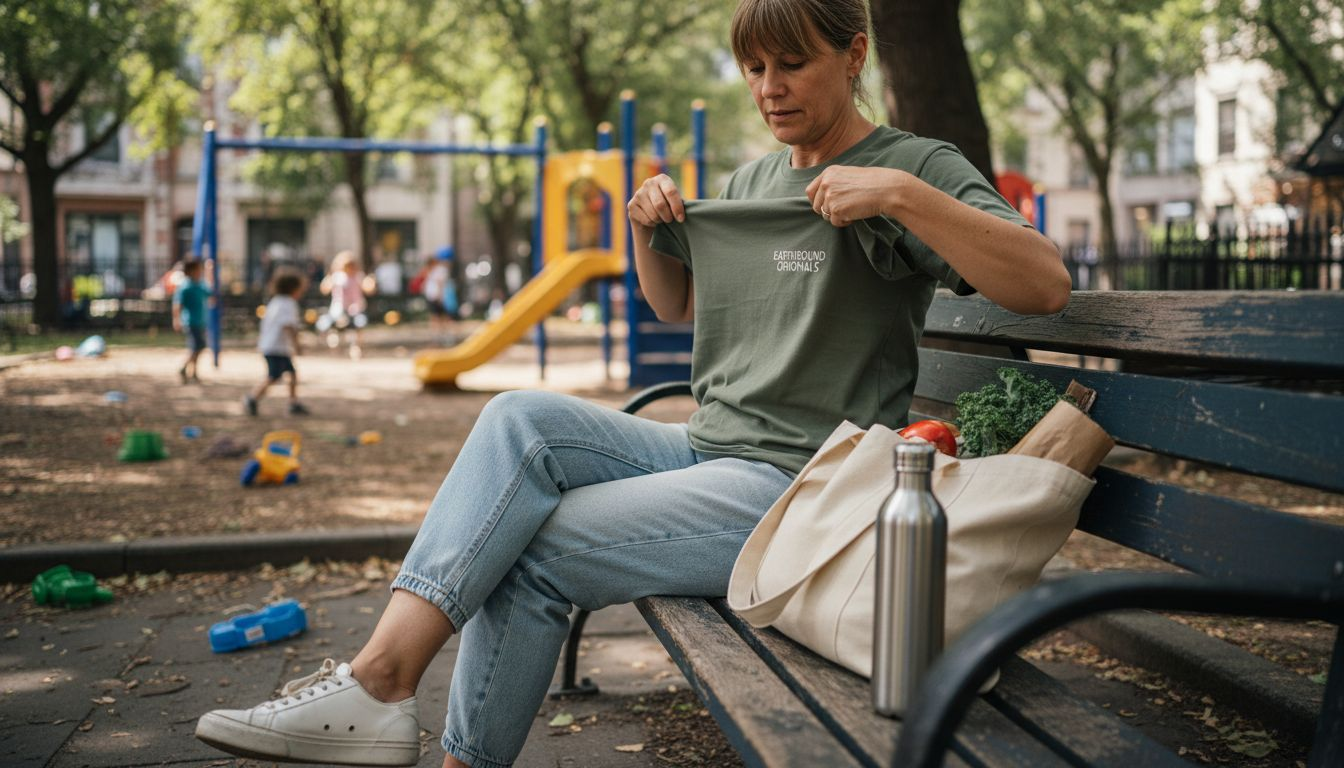
The psychological comfort element matters too. Knowing your streetwear pieces align with your environmental values removes that nagging cognitive dissonance. You can wear them confidently without the guilt.
Synthetic Alternatives: When and Why They Fall Short
Polyester and nylon blends offer certain advantages for technical performance. However, they generate microplastics through washing and ultimately contribute to textile pollution. For everyday streetwear—not performance activewear—the trade-off typically doesn’t favor synthetics.
Life cycle assessment research on fabric environmental impact consistently shows organic cotton produces lower global warming potential and water consumption across its lifecycle.
Here’s a quick comparison of organic cotton and synthetic fabrics for streetwear:
| Factor | Organic Cotton | Synthetic Fabrics |
|---|---|---|
| Skin Sensation | Soft, breathable | Can feel slick or clingy |
| Environmental Impact | Biodegradable, low toxicity | Long-lasting pollution risk |
| Durability After Washing | Retains shape, strong | Prone to pilling/thinning |
| Comfort Over Time | Consistent and reliable | Diminishes with wear cycles |
Choosing organic cotton means your comfort aligns with your values, eliminating the friction between style and conscience.
Building a Capsule with Fabric Intention
Instead of accumulating random pieces, approach fabric selection strategically. Prioritize organic cotton basics that work across multiple outfits—T-shirts, hoodies, and sweatshirts that become the foundation of your capsule wardrobe.
When you invest in higher-quality organic cotton pieces upfront, you reduce the need to constantly replace worn-out synthetic alternatives. The cost per wear becomes lower despite higher initial pricing.
Pro tip: Check care labels before purchasing. High-quality organic cotton pieces often require gentler washing; machine washing in cold water with natural detergent extends lifespan significantly and maintains comfort through dozens more wears.
Functional Design Trends for Urban Life
Modern streetwear has evolved beyond aesthetics alone. Functional design now sits at the center of how urban professionals choose what to wear, combining practicality with style in ways that support fast-paced city living.
You need pieces that work as hard as you do. That means pockets that actually fit your phone, weather-resistant fabrics, and cuts that move with your body instead of restricting it.
Multi-Pocket Garments and Practical Storage
The return of thoughtfully placed pockets represents one of the most tangible functional trends in contemporary streetwear. This isn’t about overstyled cargo aesthetics—it’s about genuine utility integrated into clean, minimalist silhouettes.
High-quality street essentials now feature:
- Zippered chest pockets – Secure storage for transit passes or small valuables without bulk
- Internal phone pockets – Separate compartments that don’t stress seams with device weight
- Reinforced cargo placements – Strategic positioning that balances load without creating imbalance
- Hidden sleeve pockets – Subtle storage solutions that maintain visual lines
- Keychain attachment points – Integrated loops that prevent lost keys without clutter
When you’re moving between meetings, commuting, and social spaces, these features transform how functional your wardrobe actually is.
Weather Resistance and Layering Design
European streetwear increasingly incorporates weather-adaptive materials that handle unpredictable seasonal transitions. This means hoodies with water-resistant outer layers, sweatshirts designed for strategic layering, and breathable fabrics that manage temperature fluctuations.
Layering itself has become a design philosophy rather than just a seasonal necessity. Modern pieces feature functional design integration for urban mobility, allowing you to adjust comfort throughout your day without changing outfits.
Think about it: A hoodie that works over a light t-shirt in autumn and under a jacket in winter gives you more styling versatility and actual comfort across seasons.
Adaptable Fits for Different Contexts
Today’s functional streetwear acknowledges that you move between different environments within hours. You might work from a home office, meet clients at cafes, then meet friends for dinner.
Designers are responding with cuts that transcend single contexts:
- Structured enough for professional settings
- Relaxed enough for leisure without looking deliberately oversized
- Proportioned to work under jackets or as standalone pieces
- Length and sleeve cut optimized for real arm movement
This contrasts sharply with previous streetwear that only worked in specific social settings. Modern functional design means your pieces work across your actual life, not just one imagined scenario.
Functional design isn’t about adding features—it’s about making every element serve a purpose while maintaining the minimalist aesthetic that defines contemporary urban style.
Why This Matters for Comfort
Functionality directly impacts comfort in ways that pure softness cannot. A piece that fits your proportions, contains your essentials securely, and adapts to temperature change removes friction from your entire day.
You spend less mental energy managing your clothing and more presence in your actual life.
Pro tip: When evaluating streetwear pieces, imagine your typical day and test whether the garment actually serves that context. Check pocket depth with your hand, move around to assess fit across shoulder and torso, and layer it with pieces you already own to verify compatibility.
Sustainability, Wellness, and Ethical Values
Comfort in modern streetwear extends beyond physical sensation into psychological well-being. When you wear pieces aligned with your values, you experience genuine comfort—the kind that comes from knowing your choices reflect who you actually are.
This connection between what you wear and how you feel about yourself represents one of the most underestimated aspects of true comfort.
The Wellness Connection: Values and Mental Comfort
Psychological comfort matters as much as physical comfort. When you purchase streetwear from brands that prioritize fair labor and environmental stewardship, you remove the cognitive dissonance that comes from compromising your principles.
This alignment creates real wellness benefits:
- Reduced guilt – No nagging doubt about who made your clothes or at what cost
- Authentic self-expression – Wearing pieces that genuinely match your values strengthens identity
- Community belonging – Aligning with ethical brands connects you to like-minded urban professionals
- Long-term satisfaction – Pieces you feel good about get worn more, providing better value
- Peace of mind – Knowing your money supports fair practices creates genuine peace
This psychological dimension is why sustainable streetwear often feels more comfortable than cheaper alternatives, even with identical fabric hand.
Understanding Ethical Production Standards
Sustainable streetwear involves more than organic materials. True ethical production requires comprehensive sustainability and fair labor standards, ensuring workers receive livable wages and operate in safe conditions.
When brands commit to these standards, you’re not just buying a t-shirt. You’re supporting an entire system that values human dignity alongside environmental health.
Look for brands that transparently disclose:
- Production location – Where your pieces are actually made
- Labor certifications – Third-party verification of fair wages and conditions
- Material sourcing – How fabrics are sourced and processed
- Environmental impact reduction – Concrete goals and progress reporting
- Supply chain transparency – Detailed information about every stage
These details matter because they affect the actual comfort you experience. Knowing your hoodie was made by someone earning fair wages changes how that hoodie feels.
The Wellness-Sustainability Feedback Loop
Choosing ethical streetwear creates a positive cycle. Your conscious purchases support brands investing in better practices. Those brands grow stronger and can invest more in sustainability innovation, creating better products for everyone.
More importantly, your purchasing decisions reinforce your own values. Each time you choose sustainability, you’re choosing alignment with your principles, which strengthens your sense of identity and well-being.
Comfort isn’t separate from ethics—it’s directly connected. True comfort comes from pieces that align your wardrobe with your values.
Building Ethical Awareness Without Overwhelm
Navigating sustainable fashion doesn’t require becoming an expert. Start by supporting brands whose values you understand and trust, then gradually expand your knowledge as you build relationships with them.
You don’t need to be perfect. Choosing ethically produced basics as your foundation is enough to make a meaningful difference in both your well-being and environmental impact.
Pro tip: Before purchasing, spend two minutes reviewing a brand’s transparency page. Look for specific commitments to fair wages, material sourcing, and environmental practices—not vague sustainability language. Brands with nothing to hide share detailed information freely.
Common Streetwear Comfort Mistakes to Avoid
Most comfort problems in streetwear stem from predictable mistakes that are entirely preventable. Understanding these pitfalls helps you make smarter purchasing decisions and build a wardrobe that actually feels good to wear.
These aren’t nuanced issues—they’re clear patterns that repeat across collections and across buyers.
Mistake 1: Choosing Style Over Fit
This is the biggest comfort killer. A piece can look perfect on the hanger and terrible on your body. Many buyers prioritize visual appeal over how a garment actually moves with their proportions.
The fix: Your frame matters more than the design. An oversized hoodie that swallows your shoulders compromises every outfit you build around it. Proper sizing and ergonomic design require understanding how garments interact with different body types, not just creating one-size-fits-most pieces.
Before buying, ask yourself: Does this fit my actual proportions, or am I hoping it will grow on me?
Mistake 2: Ignoring Fabric Quality and Content
Cheap fabric feels cheap and wears cheap. Low-quality cotton pills after 10 washes. Synthetic blends trap moisture. Yet many buyers focus entirely on price without considering what they’re actually purchasing.
Common fabric mistakes include:
- Thin, flimsy cotton – Looks structured initially but collapses after one wash
- Low thread count – Leads to transparency and poor durability
- Wrong fiber blend – Synthetics that don’t breathe mixed with cotton that does
- Poor construction – Heavy fabrics with weak seams that separate under stress
- Inadequate weight – Pieces that feel insubstantial despite proper fit
Investing in quality materials upfront means your pieces maintain comfort through dozens of wears.
Mistake 3: Overcomplicating Your Pieces
More details don’t equal better design. Excessive branding, unnecessary pockets, clashing textures, and overcomplicated cuts actually reduce comfort by adding bulk and restricting movement.
Minimalism works in streetwear because every element serves a purpose. Pieces designed with unnecessary complexity tend to feel uncomfortable and look cluttered on real bodies.
Mistake 4: Neglecting Your Actual Lifestyle
Buying pieces that don’t match how you actually live guarantees they’ll stay unworn. If you work from home, an oversized structured blazer isn’t comfortable streetwear—it’s just decoration.
Comfort requires alignment between design and your daily reality. Consider your typical week: Where do you go? What activities do you do? What movements matter? Your streetwear should support that life, not some imagined aesthetic.
Mistake 5: Skipping the Fabric Test
Don’t buy based on appearance alone. Feel the fabric, assess weight and drape, check seam quality. Cheap pieces often reveal their nature immediately through touch.
Summary of common comfort mistakes and how to avoid them:
| Mistake Type | Typical Outcome | Smart Fix |
|---|---|---|
| Poor Fit | Restricts movement, looks awkward | Test movement before buying |
| Low Fabric Quality | Loses comfort fast, wears poorly | Inspect material and seams |
| Overdesign | Adds bulk, feels cluttered | Choose minimalist pieces |
| Ignoring Real Life | Unworn, wasted closet space | Match lifestyle needs |
| No Fabric Test | Discomfort after first wear | Always feel before purchase |
Comfort mistakes compound over time. One poorly fitting piece wastes money and closet space, but several mistakes create a wardrobe full of unworn clothing.
Building Smarter Moving Forward
Start by identifying which mistakes you’ve made in the past. Did you buy oversized pieces hoping they’d feel right? Did you ignore fabric quality for lower prices? Understanding your patterns prevents repeating them.
Pro tip: Create a “wear frequency” list for your current wardrobe. Identify which pieces you actually reach for and which stay unworn. Study the differences in fit, fabric, and design between the two groups. This analysis reveals your personal comfort requirements better than any style guide.
Discover True Comfort with Premium Organic Cotton Streetwear
The key challenge highlighted in “Why Comfort Is Key in Modern Streetwear” is finding pieces that balance physical ease, psychological confidence, and sustainable values without compromising style. Many streetwear enthusiasts struggle with oversized fits that restrict movement, low-quality fabrics that lose comfort over time, and mismatched designs that do not adapt to real urban life. At MEXESS, we understand these pain points and have designed every garment to meet the highest standards of fit precision, fabric longevity, and functional design.
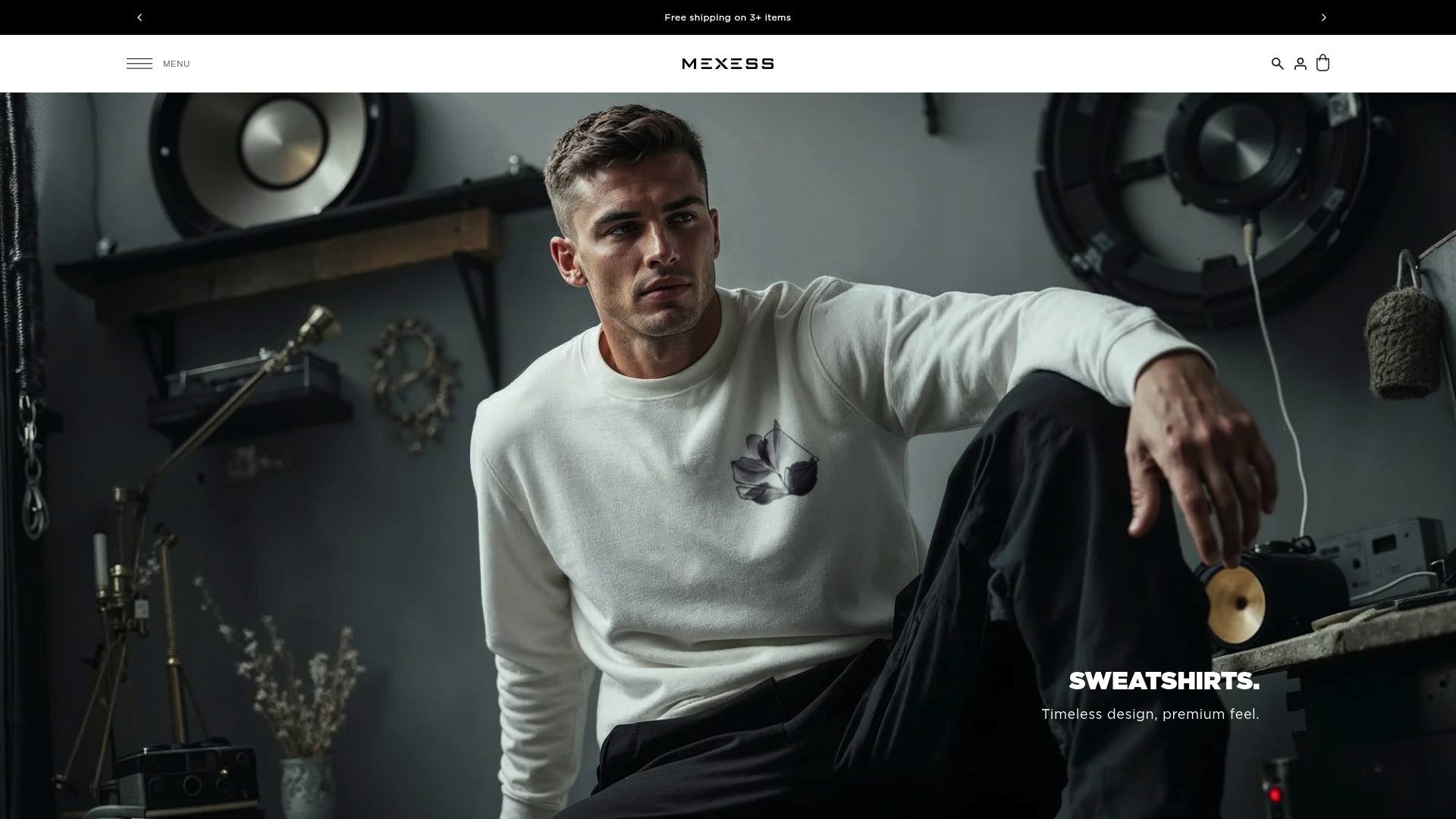
Experience the difference premium organic cotton makes in providing breathable softness and lasting durability while aligning with your ethical values. Explore our carefully curated collection of hoodies, T-shirts, and sweatshirts that embody minimalist urban style and true all-day comfort. Take control of your wardrobe with pieces crafted for your modern city lifestyle. Visit MEXESS today and discover how effortless comfort and sustainability meet in authentic streetwear that works wherever your life takes you.
Ready to elevate your streetwear with organic cotton essentials designed for real comfort and ethical impact? Start your journey now by visiting our official website. Learn more about our premium collections and embrace streetwear that truly fits your life.
Frequently Asked Questions
What makes comfort essential in modern streetwear?
Comfort in modern streetwear blends physical ease and psychological confidence, allowing you to move freely and express your identity without distraction from your clothing.
How does fabric choice impact the comfort of streetwear?
The right fabric, such as organic cotton, affects comfort through breathability, durability, and how it feels against the skin. Softer, high-quality materials contribute to a better wearing experience.
What are common misconceptions about comfort in streetwear?
Common myths include the belief that comfort means oversized fits, luxury materials guarantee comfort, or that comfort is only physical. True comfort encompasses fit, fabric quality, and alignment with personal style and values.
How can I ensure that my streetwear is comfortable?
To assess comfort, focus on the fit, fabric quality, and design features. Move around in the clothing, check for adequate breathability and proper weight distribution, and ensure that it aligns with your lifestyle needs.
Ostavite komentar