
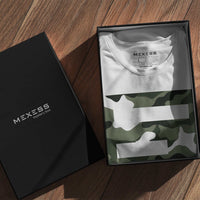

Building a streetwear wardrobe that looks intentional and unique can feel overwhelming when every trend seems to contradict the last. You want outfits that stand out but actually fit your lifestyle, not just copied looks from social media. The real challenge is knowing which streetwear styling rules deliver both comfort and authenticity, without wasting money on throwaway pieces.
This guide will show you how to make smart choices, from picking sustainable basics to mastering layering and defining your style with statement sneakers. You’ll discover actionable steps that help your personal style shine and keep your wardrobe relevant season after season. Get ready to upgrade your streetwear game with clear, practical advice and fresh ideas you can use right away.
Table of Contents
- 1. Pick Comfortable, Sustainable Basics First
- 2. Layer Streetwear Pieces Like a Pro
- 3. Balance Colors and Patterns for Impact
- 4. Choose Sneakers That Define Your Look
- 5. Accessorize Smartly with Minimal Extras
- 6. Mix Casual and Statement Items Wisely
- 7. Stay Fresh with Seasonal Streetwear Trends
Quick Summary
| Key Message | Explanation |
|---|---|
| 1. Invest in Quality Basics | Comfortable, well-fitted basics form the foundation of your wardrobe, ensuring longevity and consistent style across outfits. |
| 2. Master Layering Techniques | Effective layering adds depth and adaptability to your outfits, allowing you to transition seamlessly between different settings. |
| 3. Balance Colors and Patterns | Strategically pairing colors and patterns creates visual interest and enhances your overall aesthetic, making outfits memorable. |
| 4. Choose Sneakers with Intent | Your sneaker choice reflects your style; selecting the right type can anchor your entire outfit and express your identity. |
| 5. Accessorize with Restraint | Limit accessories to one or two statement pieces to maintain focus and prevent visual clutter, ensuring a polished look. |
1. Pick Comfortable, Sustainable Basics First
Your streetwear foundation begins with pieces that feel good and last long. Comfortable, well-fitted basics like relaxed hoodies and heavyweight cotton t-shirts form the backbone of every outfit you’ll create, giving you reliable staples that work across seasons and styles.
Why does this matter? Think of basics as your visual anchor. When you start with quality, neutral-toned pieces, you’re not just buying clothes you already know work with your body. You’re building a platform that lets statement pieces shine without overwhelming your look. A simple oversized hoodie or a clean white tee becomes the canvas where your personal style actually emerges. Without this foundation, your outfits feel scattered and incomplete no matter what accessories you add.
Sustainability plays a major role here too. How sustainable fabrics are made directly impacts the durability and longevity of your wardrobe. When you invest in pieces crafted from quality materials, you’re making fewer purchases over time. This approach aligns perfectly with streetwear culture, which values authenticity and longevity over fast fashion cycles. You’re not chasing trends that vanish in three months. You’re building pieces that age well and remain relevant year after year.
Here’s what this looks like in practice. Start by grabbing two or three neutral colored hoodies in different weights, two pairs of well-fitting jeans or cargo pants, and four to five quality t-shirts in blacks, grays, whites, and maybe one muted tone like olive or navy. These pieces should feel comfortable enough to wear all day without restricting movement. The fit matters tremendously. If something pulls across your shoulders or creates awkward bunching at your waist, it won’t make it into regular rotation no matter how technically sustainable it is.
The durability factor separates real basics from throwaway pieces. Heavyweight cotton holds its shape better than lightweight options. Double-stitched seams won’t split after a dozen washes. These details seem small until you’re throwing out a hoodie after six months because the fabric pilled or the threads gave up. Quality basics from brands focusing on organic and sustainable fabrics typically cost more upfront, but they offset that investment by lasting three to four times longer than cheaper alternatives.
Pro tip: Focus on getting the fit right with your basics first before worrying about color variety, since proper fit affects how all your other pieces work together in outfits.
2. Layer Streetwear Pieces Like a Pro
Layering transforms your wardrobe from flat and one-dimensional into something with real visual depth and personality. When you master layering, you unlock the ability to create multiple distinct outfits from the same core pieces while adapting to any season or weather condition.
The foundation of effective layering relies on a simple three-part structure. Start with a base layer like a fitted t-shirt or long-sleeve tee that hugs your body without being restrictive. On top of that, add a mid-layer such as a hoodie, sweater, or lightweight jacket that has some volume and texture. Finally, finish with an outer layer like a bomber jacket, coach coat, or oversized shirt that frames the entire look. This progression creates visual interest because each layer shows at different points and contributes its own texture and color to the outfit.
Why does this matter beyond just looking cool? Layering gives you practical functionality that moves with your lifestyle. You might leave your apartment needing a heavy coat for the commute, but once you’re indoors or moving around during the day, you can shed that outer layer and feel comfortable in just your mid and base layers. Street culture thrives on this kind of adaptability because streetwear’s role in culture emphasizes personal expression and real-world practicality, not just aesthetics.
Let’s talk about texture and proportion because these decisions separate boring layering from compelling layering. When you combine a slimmer base layer with a bulkier mid-layer and then an oversized outer layer, you create a silhouette that has movement and personality. Try pairing a fitted long-sleeve under an oversized hoodie, then add a structured bomber on top. Notice how the fitted piece prevents the whole outfit from looking like you’re drowning in fabric, while the oversized pieces prevent it from feeling too tight or restrictive. This contrast is what makes layering feel intentional rather than accidental.
Color strategy matters when you’re stacking pieces. You don’t need to match everything perfectly. In fact, a slight contrast often looks more intentional than perfect coordination. A white base layer under a charcoal hoodie under a navy bomber creates depth through subtle tonal variation. You could also go bolder and use one neutral and one accent color as a pop. The key is maintaining harmony so the layers feel like they belong together rather than looking like you grabbed random items from your closet.
Length is another underrated dimension of layering that most people overlook. If your base layer and mid-layer end at the exact same point, they blend together and lose impact. Try wearing a base layer that’s slightly longer than your mid-layer, and make sure your mid-layer extends a few inches below your outer layer. These staggered hemlines create visual separation and make each piece distinct. Asymmetry becomes your friend here, breaking up the monotony of straight lines.
“Layering is important for transitioning between seasons and allows personal expression through creative styling choices.” The flexibility means you’re not buying a completely new wardrobe when temperatures shift. Your spring layering outfit becomes a winter layering outfit with different piece combinations.
Here’s how this works practically. In cooler months, layer your premium hoodies with structured coats. As it warms up, swap the heavy coat for a lightweight overshirt or unbuttoned shirt worn as an outer layer. In summer, your base layer might be sleeveless under a short-sleeve shirt that’s worn open. You’re remixing the same pieces across seasons, which means less shopping and more outfit variety from what you already own.
One more consideration: fit consistency across layers. If your base layer is extremely baggy and your mid-layer is extremely tight, they fight each other and look disjointed. Find a cohesive fit philosophy even if the pieces aren’t from the same brand. Relaxed fits work well together. Fitted pieces work well together. Mixing them strategically works when you’re doing it intentionally, not by accident.
Pro tip: Start by layering with neutral colors in different textures to master the technique, then gradually introduce color variation as you develop confidence in balancing proportions and hemlines.
3. Balance Colors and Patterns for Impact
Color is the first thing people notice about your outfit, often before they even process the individual pieces. Learning to balance colors and patterns strategically transforms a decent outfit into a memorable one that actually stops people in their tracks.
Understanding how colors work together begins with recognizing that every color sends a psychological message. Dark neutrals like black, charcoal, and navy communicate confidence and sophistication. Whites and light grays feel clean and approachable. Bright accent colors like red, orange, or electric blue command attention and inject personality. The key is knowing when to deploy each type. When you pair a bold accent color with neutral bases, that accent becomes a focal point rather than visual chaos. Your eye knows where to look because the outfit has a clear hierarchy.
Color psychology in streetwear shows that monochromatic schemes create unity and elegance while complementary color combinations generate visual tension that feels dynamic and intentional. A monochromatic approach means choosing different shades of the same color family. Imagine charcoal, gray, and black layered together with texture variation. The outfit feels cohesive and sophisticated because everything speaks the same color language. Complementary approaches work when you understand which colors naturally oppose each other on the color wheel. Navy and orange, black and yellow, or burgundy and teal create that natural pop that makes an outfit feel alive.
Here’s where patterns enter the conversation. Patterns are powerful but dangerous if you don’t handle them carefully. One bold pattern per outfit is your general rule. If you wear patterned pants, keep your top neutral. If you wear a patterned hoodie, pair it with solid colored bottoms. Breaking this rule creates visual competition where your eye doesn’t know where to land. That said, you can occasionally combine two patterns if they share a color or aesthetic. A striped shirt under a geometric patterned jacket works when both patterns reference similar tones or scales.
Let’s talk about practical application because theory means nothing without real world execution. Start with your neutrals as your foundation. If you’re wearing black jeans and a white base layer, you’ve created a clean canvas. Now add your mid layer. A solid colored hoodie in gray, navy, or even a muted earth tone works perfectly. Finally, your outer layer becomes your opportunity for impact. This is where a patterned jacket, a textured coat, or a bold colored piece can shine without overwhelming the outfit. You’re building from restrained to impactful, which is far more effective than leading with chaos.
Seasonal shifts matter too. Summer streetwear allows for lighter neutrals and brighter accent colors because the energy of the season supports it. Winter leans into deeper jewel tones and richer earth tones that feel grounded and warm. Spring opens doors to pastels and lighter accent colors. Fall becomes your playground for burgundy, forest green, and burnt orange. You’re not fighting the season when you align your color choices with what naturally feels appropriate.
Accent colors deserve special attention. One accent color per outfit prevents visual overload. If you decide to wear a red hoodie, keep everything else neutral or use that red strategically elsewhere. Maybe red sneakers echo the red hoodie, creating intentional repetition. Or maybe your belt or a single accessory picks up the red theme. This repetition feels purposeful rather than accidental, signaling that you made thoughtful choices.
“Strategic use of accent colors balances bold and neutral pieces for visual interest, making balanced color and pattern combinations key to standing out with impact in urban fashion.” This is where your personal style actually emerges. While everyone can wear black and white, the way you deploy that one electric blue piece or that patterned overshirt tells the world who you are.
The pattern scale also matters more than people realize. If you’re wearing a fine striped shirt, pair it with a smaller scale patterned jacket rather than a large geometric pattern. The scales fight when they’re too different. Small patterns next to small patterns feel intentional. Large patterns next to large patterns feel overwhelming. When you must pair patterns, ensure their visual weight feels balanced.
One practical technique is using color blocking. This means dedicating distinct sections of your outfit to different colors. Your top is one color story, your bottoms are another, and they connect through intentional choice rather than accident. A white top, black pants, and red shoes create three distinct color blocks that feel organized and impactful. This approach feels less chaotic than trying to blend everything together.
Pro tip: Start building your outfit by choosing your one accent color or pattern first, then select neutrals that complement it, ensuring the accent becomes the focal point rather than competing for attention with multiple bold elements.
4. Choose Sneakers That Define Your Look
Your sneakers are not an afterthought. They’re often the first piece people notice and the last thing they remember about your outfit, making them arguably the most important styling decision you make. The right sneakers anchor your entire look and communicate who you are without saying a word.
Sneakers have transformed from purely functional sportswear into powerful cultural symbols that carry real weight in how people perceive your style. Sneakers serve as both cultural symbols and personal statements, conveying identity, affiliation, and the level of thought you put into your appearance. In streetwear culture, your sneaker choice signals authenticity and intentionality. People notice when you’ve selected a shoe that complements your outfit versus when you’ve grabbed whatever was in the closet. That distinction matters more than you might think.
There are three fundamental sneaker categories in streetwear, and understanding each helps you make intentional choices. Clean, minimalist sneakers in white, black, or neutral tones serve as your versatile workhorse. These pair with nearly everything and never feel out of place. They’re your foundation pieces. Then there are statement sneakers with bold colors, interesting textures, or recognizable silhouettes. These demand attention and typically work best when the rest of your outfit stays relatively restrained. Finally, there are specialty sneakers like high-tops, retro designs, or collaborative editions that reference sneaker culture and subculture. These carry weight and meaning within the streetwear community.
Comfort absolutely matters because you’re wearing these shoes for hours at a time. Street culture prioritizes authenticity, and authentic style includes actually being able to move and breathe in your outfit. A beautiful sneaker that causes blisters or makes your feet ache won’t make it into regular rotation. You’ll subconsciously avoid wearing it, which defeats the entire purpose of owning it. Look for sneakers with proper arch support, responsive cushioning, and a fit that doesn’t require a break in period that stretches across weeks.
Silhouette is where your personal style actually emerges. Low-top sneakers feel modern and clean, working well with fitted or tapered bottoms. High-tops add visual weight and work beautifully with looser pants or when you want a more structured look. Mid-tops split the difference and offer versatility. Chunky or platform sneakers feel bold and contemporary, adding attitude to any outfit. Sleek racing style sneakers feel minimal and technical. The silhouette you choose should complement your overall aesthetic. If you dress in oversized, relaxed pieces, a delicate racing sneaker might feel disconnected. If you favor minimal fits, a chunky platform might feel out of proportion.
Color strategy with sneakers follows similar principles to the rest of your outfit. Neutral sneakers vanish into your look and let other pieces shine. They’re incredibly practical. Colored sneakers become a focal point and should be intentional. A red sneaker works when it echoes another red element in your outfit or when your outfit is specifically built around that red. Otherwise, colored sneakers feel random. Patterned or textured sneakers need even more consideration. A printed sneaker can absolutely define your look, but the rest of your outfit needs to support it rather than compete with it.
“The sneaker subculture emphasizes brand allegiance, limited editions, and collaborations, making the choice of sneakers a defining element of a streetwear look that combines aesthetics with cultural significance.” You’re not just choosing shoes. You’re referencing cultural moments and demonstrating knowledge of streetwear history.
Here’s a practical framework for selecting sneakers that work for your specific style. First, identify what role this sneaker will play. Is it your everyday workhorse that needs to pair with everything? Is it a statement piece that defines specific outfits? Is it a cultural reference that matters to you personally? Once you know the role, the selection becomes easier. A workhorse sneaker should be neutral and comfortable above all else. A statement sneaker can take more risks because it’s meant to stand out. A cultural reference sneaker should connect authentically to your interests.
Brand matters less than intention. You could wear a premium brand sneaker that feels disconnected from your style, or you could wear a more accessible brand sneaker that feels absolutely right for your aesthetic. The sneaker community respects authenticity and intentional choice over brand names. What matters is that your sneakers feel true to you and that they complement your overall outfit strategy.
Condition communicates respect for your appearance. Clean sneakers say you care about how you present yourself. Worn or dirty sneakers signal either that you’ve lived in them (which can feel authentic) or that you don’t maintain your appearance (which reads differently). Most of the time, clean is the safer choice. If you intentionally style around worn sneakers for an authentic vintage aesthetic, that’s different from simply neglecting maintenance.
Pro tip: Invest in one pair of neutral, comfortable sneakers in white or black that work with everything, then build your collection by adding one statement sneaker at a time that represents your personal style rather than chasing trends.
5. Accessorize Smartly with Minimal Extras
Accessories are where most people stumble because they think more equals better. The truth is the opposite. Strategic restraint with accessories transforms an outfit from busy and unfocused into polished and intentional. One well-chosen piece communicates far more than five mediocre ones fighting for attention.
The principle behind smart accessorizing is understanding that your clothing is the main event. Accessories play supporting roles. When you load yourself with chains, rings, bracelets, hats, and bags simultaneously, you’re creating visual noise instead of visual interest. Your eye doesn’t know where to look because everything is screaming for attention. Strategic accessorizing means selecting one or two hero pieces and letting everything else fade into the background.
Layering accessories thoughtfully with minimal pieces creates personality without overwhelming your outfit. This approach means choosing between a statement chain or a statement cap or a statement watch, not all three simultaneously. If you’re wearing a bold graphic hoodie, perhaps skip the neck chains and keep your wrist simple with just a watch. If your outfit is minimal and neutral, then a chain or two adds dimension. The equation is straightforward: the bolder your clothing, the simpler your accessories should be. The simpler your clothing, the more room you have for accessory impact.
Let’s talk about specific categories because each plays a different role. A watch serves both function and style. It’s visible, it’s practical, and it adds polish. A watch says you care about details. Quality matters here because people notice watches closely. A chain makes a statement about attitude and confidence. It can be subtle or bold depending on thickness and metal choice. Rings feel personal and intricate. They work best when you choose one or two rather than filling every finger. A cap or beanie adds attitude and changes how an entire outfit reads. When you roll up your sleeves, your wrists become visible, making bracelets suddenly noticeable in ways they weren’t before. Bags serve the dual purpose of function and aesthetics. A small crossbody bag adds utility without bulk. A large backpack becomes a design statement.
Material and metal consistency matter more than you might think. If you’re wearing silver tone metals, keep other metals silver or gold. Mixing warm and cool tones creates visual discord. If you’re drawn to leather accessories, keep that material theme consistent. You’re building a cohesive aesthetic, not randomly grabbing whatever sits nearby.
Here’s the practical application. Start with your outfit and ask yourself what it needs. If you’re wearing an all black outfit with a minimal silhouette, that outfit wants something. Maybe a silver chain adds just enough visual interest. Maybe a well-fitted cap provides the attitude you’re missing. Select that one hero piece first. Now ask yourself if the outfit needs anything else. Usually, it doesn’t. The answer is often no. Walk away when your instinct says the outfit is complete.
If you genuinely need a second accessory, ensure it’s subordinate to your hero piece. If your hero piece is a bold gold chain, your second accessory should be something subtle like a simple ring or a watch. The chain is doing the talking. Everything else whispers in agreement. This hierarchy prevents your accessories from competing with each other.
“Accessories add personality and elevate outfits without overwhelming, emphasizing the art of subtle layering and choosing statement pieces that complement the overall look.” This is the cornerstone of smart accessorizing. You’re enhancing what’s already working, not creating distractions.
Specific styling combinations work particularly well in streetwear. A rolled-up sleeve with a watch and a single bracelet in coordinated metals creates a polished wrist moment. A cap with a single chain references classic streetwear codes without feeling overdone. A minimal black outfit elevated with one quality leather bag signals intention. A graphic tee elevated with just a watch or just a chain adds maturity without clutter.
One mistake young men make is thinking that visible accessories demonstrate wealth or status. Actually, the opposite is true in contemporary streetwear culture. Restraint signals confidence and understanding of aesthetic principles. Someone wearing one meaningful piece looks more intentional than someone wearing five pieces hoping one lands. That distinction matters when you’re trying to develop a personal style.
Accessories also serve a practical function beyond aesthetics. A bag carries your essentials. A watch keeps you on time. A cap protects from sun. When accessories serve functional purposes, that creates natural justification for wearing them. Your accessories aren’t purely decorative. They’re doing something. That authenticity shows and feels more integrated into your overall look.
Pro tip: Choose your hero accessory first based on your outfit’s needs, then pause and honestly assess if anything else is truly necessary before adding a second piece.
6. Mix Casual and Statement Items Wisely
The magic of streetwear styling happens in the tension between quiet basics and bold statement pieces. When you understand how to balance these two forces, you create outfits that feel effortless yet intentional, comfortable yet visually compelling.
Think of your outfit as a conversation between two opposing forces. Casual basics whisper. They’re comfortable, familiar, and undemanding. A plain black hoodie, neutral jeans, and a simple tee are speaking in soft tones. Statement items shout. They demand attention. A oversized printed graphic tee, a vibrant colored jacket, or a unique patterned piece commands the room. The goal isn’t to have both forces screaming equally. That creates chaos. The goal is to have them work together, with one taking the lead and the other supporting.
Why does this balance matter? Because an outfit made entirely of statement pieces feels costumey and exhausting. You look like you’re trying too hard. You’re constantly competing with yourself for visual real estate. Conversely, an outfit made entirely of casual basics feels incomplete and boring. You’re invisible. The sweet spot lives somewhere between these extremes. Balancing casual basics with bold statement pieces creates visual interest while maintaining the authenticity that defines real streetwear.
Let’s establish what counts as casual versus statement. Casual items are your neutral hoodies, plain tees, solid colored pants, and understated layers. These pieces exist to support and frame. Statement items are your graphic tees with bold artwork, your oversized printed pieces, your brightly colored jackets, your textured or patterned outerwear. These pieces exist to be noticed. The distinction matters because it determines where your outfit’s visual weight lives.
Here’s the practical framework. Identify which piece in your outfit is your statement item. This is the piece you want people to notice. Maybe it’s a graphic tee with striking artwork. Maybe it’s an oversized printed hoodie. Maybe it’s a jacket in an unexpected color. Once you’ve identified your hero piece, everything else becomes supporting cast. Your jeans become simple and dark. Your base layer becomes plain. Your accessories become minimal. You’re creating a stage where your statement piece can actually perform.
Now let’s flip the scenario. Maybe your statement piece is a pair of unique patterned pants or cargo pants with interesting details. In that case, your top needs to retreat into the background. A plain tee, a solid hoodie, or a neutral overshirt allows those pants to exist without competition. You’re not wearing a graphic tee and patterned pants together. That’s two statement pieces fighting each other. One wins. The other loses. Neither achieves its full potential.
Color plays into this balance significantly. If your statement piece is bold in color, keep the rest of your outfit neutral so that color becomes the focal point. If your statement piece is bold in pattern or graphic design, keep your color palette simple. You’re not combining bold colors with busy patterns. You’re choosing one dimension of boldness and letting that be your statement.
Fit and silhouette also contribute to whether something reads as casual or statement. An oversized graphic tee feels like a statement piece even if the colors are muted, because the scale and proportion demand attention. A fitted plain tee feels casual and supportive. So when you’re planning your outfit, consider both the visual content of the piece and its structural presence.
Let’s look at real world examples. Example one: black jeans, plain white tee, oversized printed hoodie. The hoodie is your statement. The tee and jeans are so minimal they almost disappear. Example two: cargo pants with multiple pockets and details, plain black tee, neutral colored bomber jacket. The pants are your statement. Everything else is quiet support. Example three: plain black jeans, graphic tee with bold artwork, simple black hoodie worn open. The graphic tee is your statement. The hoodie frames it without competing.
One common mistake is thinking that casual and statement refer to quality or expense. A statement piece can be affordable. A casual piece can be expensive. The distinction is purely about visual presence and the role the piece plays in your outfit’s composition. An affordable graphic tee can be a perfect statement piece. An expensive plain hoodie can be perfect casual support.
“Combining neutral, comfortable staples with eye-catching graphic tees or statement jackets creates visual interest and personal style expression.” This interplay allows you to build a cohesive wardrobe where most pieces are affordable basics, with a few statement pieces that shift everything by being mixed differently.
Rotation matters here too. The same hoodie worn as a statement piece over a plain tee reads completely differently than the same hoodie worn as support under an oversized printed shirt. The context changes its role. This flexibility means your pieces work harder and go further. You’re not locked into buying countless statement pieces. You build a solid foundation of casual basics and strategically deploy them to support different statement items.
Timing and context matter. In professional or formal settings, you might lean heavier on casual basics with perhaps one subtle statement element. In creative spaces or casual social settings, you have more freedom to push statement pieces harder. You’re reading the environment and adjusting your balance accordingly. That’s not compromising your style. That’s using your style intelligently.
Pro tip: Identify one clear statement piece per outfit first, then build everything else from neutral basics that support it rather than compete with it, ensuring visual hierarchy and intentional composition.
7. Stay Fresh with Seasonal Streetwear Trends
Staying current with seasonal trends doesn’t mean chasing every fleeting style that appears online. It means understanding what’s working right now and adapting it intelligently to your personal aesthetic. When you master this skill, you keep your wardrobe feeling relevant without abandoning the core pieces you’ve already invested in.
Why does seasonality matter in streetwear? Fashion evolves because culture evolves. What people respond to in spring differs from what resonates in fall. Seasonal shifts bring natural changes to your lifestyle too. You’re spending different amounts of time outdoors. The temperature demands different fabric weights. Your social calendar changes. Your activities shift. Dressing seasonally isn’t about mindless trend following. It’s about responding intelligently to your environment and the cultural moment you’re living in.
Right now, streetwear emphasizes elevated comfort through relaxed fits and luxe fabrics that feel expensive while remaining functional. This trend emerged because young men want to look intentional without sacrificing the ability to actually move and breathe. A hoodie in premium organic cotton feels different from a standard hoodie. Oversized joggers in soft knit fabric drape beautifully while remaining practical. This shift represents a maturation in how streetwear thinks about quality and sustainability.
Sustainability has moved from niche to mainstream in seasonal streetwear. Recycled materials, ethical manufacturing practices, and transparent supply chains are no longer optional. Brands building real loyalty are the ones committing to environmental responsibility. When you’re selecting pieces seasonally, streetwear’s cultural role increasingly emphasizes sustainability and ethical practices as central values. This matters because your purchases actually reflect your values. The pieces you choose tell people something about what you care about.
Nostalgia is another major seasonal theme right now, with designers pulling heavily from 90s and early 2000s aesthetics. Vintage inspired pieces feel authentic because they reference real cultural moments. A baggy silhouette from the 2000s worn intentionally in 2025 feels different than wearing it by accident. Mixing these vintage references with contemporary pieces creates tension that feels modern. You’re not costume shopping. You’re engaging with cultural history while staying present.
Here’s how to implement these trends practically. Start with elevated comfort by investing in one or two premium hoodies or sweats in neutral tones. Feel the difference quality fabrics make. Next, consider adding one piece that reflects current sustainability values. Maybe it’s a jacket made from recycled materials or a brand known for ethical practices. Finally, incorporate one vintage inspired piece that genuinely appeals to you. Maybe it’s an oversized 90s style shirt worn as an overshirt. Maybe it’s high waisted pants with a contemporary cut but nostalgic silhouette.
Mixing oversized joggers with cropped blazers exemplifies how seasonal trends actually work. The joggers bring comfort and a relaxed vibe. The cropped blazer brings structure and contemporary styling. Together, they reference both comfort culture and elevated fashion. This combination works because it balances opposing forces. You’re not fully committing to either trend. You’re synthesizing them into something that feels personal.
Layering vintage inspired pieces requires thoughtful selection. Vintage doesn’t mean dated. A vintage inspired piece should feel intentional, not like you raided your dad’s closet by accident. The fit matters tremendously. A 90s oversized shirt fits differently than modern oversized pieces. When you wear it, ensure it’s styled with contemporary pieces so the overall impression reads current, not costume.
Bold accessories aligned with seasonal vibes add the final touch. In winter and fall, darker metals and heavier chains feel appropriate. In spring and summer, lighter metals and minimal chains work better. A bold cap or beanie in winter feels natural. A lighter cap or no cap in summer feels appropriate. You’re reading the season and letting that inform your accessory choices.
“These trends highlight the fusion of practicality and style in evolving urban fashion,” which means you’re not sacrificing function for appearance. Your seasonal pieces should work in your real life, not just look good in photos.
Rotation is crucial for staying fresh seasonally. As temperatures shift, heavier fabrics fade into the background and lighter options emerge. Your layering structure changes. Your shoe selection evolves. Your color palette might shift slightly. You’re not buying a completely new wardrobe each season. You’re rotating what you own and adding strategic pieces that fill gaps you notice.
One mistake is buying trendy pieces in every color. When something is trending, choose your colors carefully. Pick colors that work with the neutral foundation you’ve already built. If oversized silhouettes are trending, buy one or two in colors you’ll actually wear. You’re enhancing what exists, not starting from scratch.
Timing matters too. Trends peak at different times. Something might be everywhere in month one of a season and fade by month three. You don’t need to be first. You don’t need to be last. You need to be intentional. If a trend genuinely works for your style and life, adopt it confidently regardless of where you are in the hype cycle. If it doesn’t, skip it without guilt.
Pro tip: Add one new seasonal piece that genuinely excites you rather than chasing multiple trends, then style it with your existing basics to ensure it feels cohesive rather than like a disconnected purchase.
Below is a comprehensive table summarizing the main strategies and tips for elevating your streetwear style as discussed in the article.
| Aspect | Details | Benefits |
|---|---|---|
| Basics | Select comfortable and sustainable foundational items like quality hoodies, t-shirts, and well-fitted jeans for versatility and longevity. | Creates a flexible wardrobe structure while promoting environmental consciousness. |
| Layering Techniques | Build outfits using base, mid, and outer layers, balancing textures, proportions, and colors to create depth and adaptability. | Enhances outfit variety and seasonal practicality without excess shopping. |
| Color and Pattern Balance | Use neutral tones as a base, incorporate one accent color or pattern strategically, and ensure patterns do not visually clash. | Achieves cohesive and visually appealing ensembles. |
| Sneaker Selection | Choose sneakers that match your personal style and outfit context, balancing between minimalist, statement, and specialty options. | Highlights individuality while ensuring comfort and functionality. |
| Accessories | Opt for minimal and complementary accessories like watches, chains, and caps, ensuring they enhance rather than overwhelm your outfit. | Adds subtle personality and polish to the overall look without creating clutter. |
| Casual-Statement Balance | Pair neutral basics with bold statement items; limit to one focal piece per outfit for a harmonious aesthetic. | Maintains visual balance and prevents outfits from appearing costume-like or overly plain. |
| Seasonal Trends | Adapt your wardrobe to current trends intelligently, incorporating one or two seasonal elements alongside your established basic items. | Keeps your style relevant while honoring personal preferences and wardrobe investments. |
Elevate Your Streetwear Style with Quality and Sustainability
Building a streetwear wardrobe that truly works means focusing on comfort, layering, color balance, and statement-making pieces crafted from sustainable materials. Across the essentials highlighted in the article, a key challenge is finding versatile, eco-friendly basics and statement items that fit well, last long, and express your unique style with authenticity. If you are aiming to master layering techniques, select sneakers that define your look, and accessorize smartly while embracing seasonal trends, having access to curated, organic streetwear staples is essential to achieving your goals.
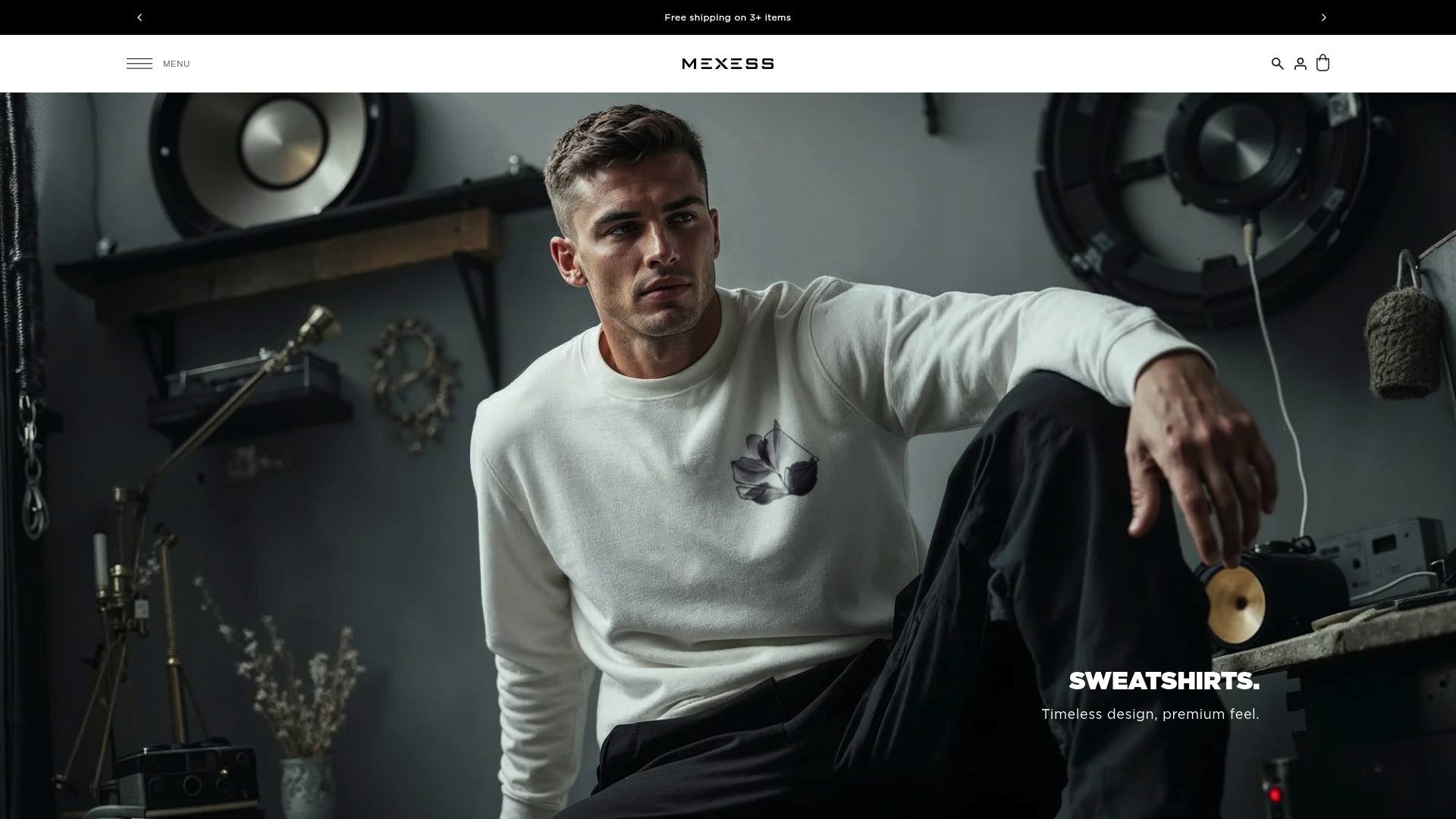
Discover a handpicked collection of hoodies, T-shirts, and sweatshirts designed with organic fabrics at MEXESS.com. Benefit from high-quality basics that stay fresh and comfortable, plus statement pieces that balance sustainability with streetwear style. Shop now to enjoy free shipping on multiple items and a 30-day return policy that lets you explore your personal style risk-free. Take control of your streetwear wardrobe today and create impactful looks that last while supporting ethical fashion practices. Visit MEXESS.com and start building your sustainable streetwear essentials.
Frequently Asked Questions
What are the key pieces I need for a solid streetwear wardrobe?
A solid streetwear wardrobe begins with comfortable, sustainable basics like neutral-toned hoodies, heavyweight cotton t-shirts, well-fitting jeans, and cargo pants. Start by selecting two to three hoodies, four to five quality t-shirts, and two pairs of pants that you can mix and match throughout the seasons.
How can I effectively layer my streetwear outfits?
To effectively layer your streetwear outfits, use a three-part structure: start with a fitted base layer, add a mid-layer like a hoodie, and finish with an outer layer such as a bomber jacket. Focus on varying the textures and ensuring the lengths of each layer differ to create visual interest.
How do I balance colors and patterns in streetwear?
To balance colors and patterns, choose one bold statement piece while keeping the rest of your outfit in neutral tones. Use the color wheel to find complementary colors and stick to one pattern per outfit to avoid visual chaos.
What role do sneakers play in my streetwear style?
Sneakers are crucial in streetwear style, serving as a defining element that anchors your entire outfit. Choose comfortable, versatile sneakers for daily wear, and consider adding a statement pair that reflects your personal style.
How should I accessorize my streetwear outfits?
When accessorizing, select one or two standout pieces to complement your outfit instead of overwhelming it with multiple items. If your clothing is bold, opt for simpler accessories to maintain a polished look—less is often more in streetwear.
How can I stay updated on seasonal streetwear trends?
To stay updated on seasonal streetwear trends, pay attention to evolving cultural themes and shifts in fabric weight or color palette. Incorporate one new seasonal item each season that excites you, while ensuring it harmonizes with your existing basics.
Recommended
- Role of Streetwear in Culture: Identity, Sustainability, Impact – MEXESS
- Role of Streetwear in Culture: Identity, Sustainability, Impact – MEXESS
- Role of Streetwear in Culture: Identity, Sustainability, Impact – MEXESS
- Role of Streetwear in Culture: Identity, Sustainability, Impact – MEXESS
- 7 Essential Steps for an Effective 4C Hair Care Routine | MyHair
Leave a comment