

Searching for eco-friendly streetwear can feel like decoding a puzzle where every brand plays by its own rules. With labels tossing around words like “sustainable” and “green,” it is tough to know whose standards really count. This matters because authentic eco-friendly clothing goes far beyond fabric choice—it reflects a commitment to both the planet and the people making our clothes. Get ready to see what truly sets “genuine eco-friendly fashion” apart from mere marketing claims.
Table of Contents
- Eco-Friendly Clothing Defined and Debunked
- Common Eco-Friendly Fabrics and Materials
- Sustainable Production and Ethical Labor
- Impact on Environment, Health, and Waste
- How to Identify Truly Eco-Friendly Apparel
Key Takeaways
| Point | Details |
|---|---|
| Understanding Sustainability | Eco-friendly clothing goes beyond material choice; it requires ethical manufacturing, durability, and transparency about the supply chain. |
| Importance of Certifications | Look for third-party certifications like GOTS and Fair Trade, as they verify eco-friendly practices and reduce greenwashing. |
| Impact of Fast Fashion | Fast fashion contributes significantly to pollution and waste; choosing sustainable brands helps mitigate these environmental issues. |
| Consumer Responsibility | Research brands for transparency and ethical labor practices, as informed choices drive demand for truly sustainable fashion. |
Eco-Friendly Clothing Defined and Debunked
When you scroll through shopping apps looking for “eco-friendly” or “sustainable” clothes, you’ve probably noticed something frustrating: every brand claims to be green, but their definitions vary wildly. One brand focuses only on using organic cotton, while another emphasizes fair labor practices, and a third touts their recycling program. So what actually makes clothes eco-friendly? The honest answer is that sustainable fashion isn’t a simple checkbox. Defining sustainable fashion clearly remains complex because the fashion industry constantly evolves, and true sustainability involves interconnected social and environmental factors rather than a single fixed definition. What works as eco-friendly today might shift tomorrow as new production methods emerge and consumer awareness deepens. The key is understanding that genuine eco-friendly clothing considers the entire lifecycle: where materials come from, how they’re processed, who makes them, how long the garment lasts, and what happens when you’re done wearing it.
Here’s where the myths crumble. Many people believe sustainable fashion means sacrificing style or paying premium prices, but that simply isn’t true. You can find well-designed pieces that look fire and feel good about wearing them without dropping your entire paycheck. Another common misconception? That recycling alone saves the fashion industry. Recycling programs help, but they’re not a magic solution when fast fashion produces mountains of waste annually. True eco-friendly clothing goes beyond just the fabric choice—it encompasses ethical manufacturing practices, worker treatment, water usage, chemical management, durability, and whether the brand has transparency about their supply chain. Some of the most sustainable pieces come from smaller independent brands that prioritize quality over quantity, meaning you actually wear them more than once.
So when you’re shopping, look for specifics instead of vague green claims. Check whether a brand openly discusses their material sourcing, manufacturing locations, and environmental impact reports. Understand that how sustainable fabrics are produced matters just as much as the fabric itself—organic cotton produced with harmful pesticides or shipped across the globe has a different carbon footprint than locally-sourced alternatives. Brands doing legitimate work in sustainability can usually back up their claims with actual numbers and third-party certifications, not just marketing language. The streetwear community especially has started demanding this accountability, pushing brands to prove their commitments rather than just talk about them.
Pro tip: When evaluating if clothing is truly eco-friendly, skip the marketing buzzwords and instead look for specific certifications like GOTS (Global Organic Textile Standard), OEKO-TEX, or Fair Trade, which verify actual environmental and social standards rather than self-proclaimed green claims.
Common Eco-Friendly Fabrics and Materials
Let’s talk about what’s actually in your wardrobe. You’ve probably heard the terms organic cotton, linen, and hemp thrown around, but do you know what makes them different from standard fabrics? The material itself is where eco-friendly clothing starts. Organic cotton grows without synthetic pesticides or fertilizers, which means less chemical runoff poisoning soil and water supplies. Unlike conventional cotton production, which uses roughly 16% of the world’s pesticides despite occupying only 2.5% of global cropland, organic farming works with natural pest management and crop rotation. Linen comes from flax plants and requires far less water and fewer chemicals than cotton, plus it’s incredibly durable and becomes softer the more you wash it. Hemp is basically a superhero material: it grows fast without needing pesticides, requires minimal water, and the entire plant gets used so there’s almost zero waste. These natural fibers aren’t just environmentally better—they actually feel amazing against your skin and age beautifully, which means you’ll wear them longer.
Beyond plant-based materials, recycled polyester and recycled nylon represent another major eco-friendly category. These fabrics take plastic waste (often from bottles and fishing nets) and transform them into wearable gear, keeping trash out of landfills and oceans. The production process uses less energy than creating virgin polyester from crude oil. Here’s the thing though: sustainable textile production methods involve more than just the fiber source—eco-friendly dyes, water-saving techniques, and responsible wet processing during manufacturing all play crucial roles in reducing environmental impact. Many brands are now experimenting with natural dyes from plants and minerals instead of synthetic chemical dyes that pollute waterways. Indigo from plants, madder root for deep reds, and walnut husks for browns all create beautiful colors while keeping toxic chemicals out of water systems. There’s also Tencel, a fiber made from sustainably harvested wood pulp using a closed-loop production system that recycles 99% of its solvents—meaning minimal waste and water pollution.
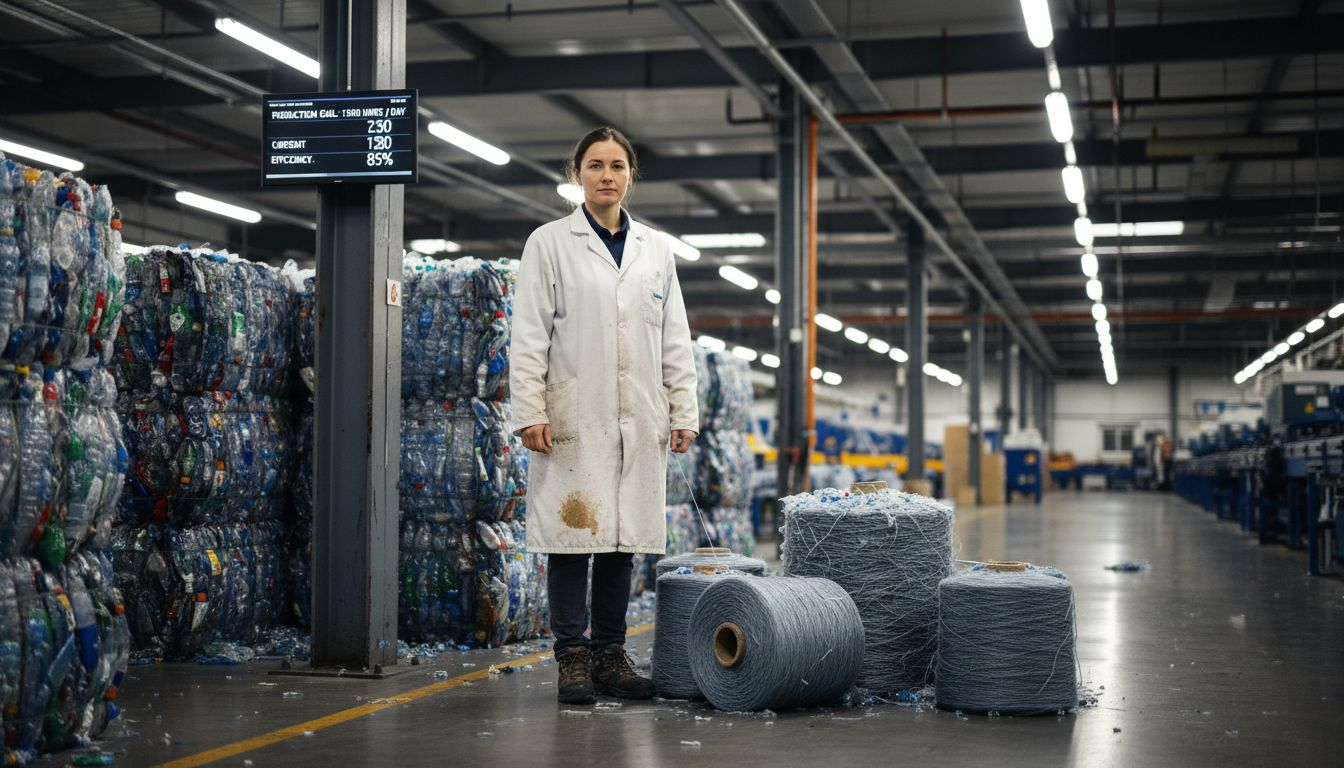
The newest players in the eco-friendly fabric game include mushroom leather, lab-grown spider silk, and algae-based textiles. These innovative materials sound futuristic because they kind of are, but they’re becoming commercially available for actual streetwear pieces. They address the fact that traditional leather is resource-intensive and synthetic alternatives often rely on petroleum products. These bio-engineered options offer the aesthetic and durability people want without the environmental cost. When you’re shopping, don’t get overwhelmed by the options—just look for garments made from at least one of these materials, check if the brand mentions their dyeing and production processes, and notice how long the item is designed to last. Quality matters more than novelty.
Pro tip: Check product tags for material composition, and prioritize items made from organic natural fibers or certified recycled materials, then research whether the brand discloses their dyeing methods and manufacturing locations to confirm genuine sustainability practices.
Here’s a quick comparison of prominent eco-friendly fabrics and their sustainability benefits:
| Material | Environmental Impact | Durability & Feel | Notable Limitation |
|---|---|---|---|
| Organic Cotton | Cuts pesticide use, less runoff | Soft, comfortable | Higher price, global shipping |
| Linen | Minimal water & chemicals | Strong, softens over time | Creases easily |
| Hemp | Low water, almost no waste | Very durable, breathable | Fewer mainstream options |
| Recycled Polyester | Reduces landfill plastic | Varies, lightweight | Shedding microplastics |
| Tencel | Closed-loop water/solvent use | Smooth, silky feel | Limited commercial presence |
| Mushroom Leather | Upcycles wastes, biodegrades | Sturdy, leather-like | Early-stage technology |
Sustainable Production and Ethical Labor
Here’s something that doesn’t get talked about enough: a shirt made from organic cotton is only truly eco-friendly if the person who stitched it earned a fair wage and worked in safe conditions. You can’t separate environmental sustainability from human rights. The fashion industry employs millions of workers, many in developing countries where labor protections are weak or ignored. Fast fashion brands cut costs by moving production to factories where workers face poverty wages, excessive hours, and hazardous conditions. When you buy from a brand that prioritizes ethical labor, you’re voting with your wallet for a different model entirely. Transparent supply chains matter because they let you actually trace where your clothes come from and who made them. Brands that hide their manufacturing locations or refuse to disclose worker wages are basically admitting they have something to hide.
The shift toward sustainability requires ethical labor practices and transparent supply chains alongside environmental responsibility. Legitimate eco-friendly brands invest in knowing their manufacturers personally, conduct regular audits, and publish reports on working conditions. They pay living wages, not just minimum wages, which is a crucial distinction. A living wage means workers can actually afford food, housing, and healthcare without working multiple jobs. They also respect workers’ rights to organize, provide safe equipment, and maintain reasonable working hours. Some brands go further by offering workers healthcare, education programs, or profit-sharing arrangements. This costs more money, which is why sustainable clothing often carries a higher price tag. But that price difference directly supports human dignity. When you understand where that extra cost goes, the numbers start to make sense.
The fashion industry’s evolution toward sustainability also includes circular economy principles and fair labor practices that reshape how companies operate end-to-end. Progressive brands now track their environmental footprint alongside their social impact, treating them as equally important. They invest in worker training programs, establish grievance mechanisms so employees can report problems safely, and maintain relationships with factories long-term rather than constantly switching to cheaper producers. Some brands even help manufacturers upgrade their facilities to meet higher standards, understanding that sustainable production requires investment. The streetwear community increasingly demands this accountability. When brands like yours get called out on social media for labor issues, it actually works because consumer pressure creates real change. Look for brands with third-party certifications like Fair Trade or the Fair Wear Foundation, which independently verify labor practices. These certifications mean outside auditors have actually checked factories and interviewed workers.
Pro tip: Before buying, research whether the brand publishes a transparency report detailing their factory locations, worker wages, and audit results—brands doing legitimate ethical work won’t hide this information and usually feature it prominently on their website.
Impact on Environment, Health, and Waste
Let’s get real about what happens when you buy fast fashion. The clothing industry ranks among the top polluters globally, right up there with oil and gas. A single cotton T-shirt requires roughly 700 gallons of water to produce, and that water often comes from regions already facing severe droughts. Then there’s the chemical problem. Conventional textile manufacturing uses synthetic dyes and finishes that contaminate waterways, poisoning fish populations and affecting millions of people downstream who depend on that water for drinking and irrigation. Workers in these communities develop respiratory diseases and skin conditions from exposure to these toxins. When you wear clothes made with these chemicals, some of them remain on the fabric and absorb into your skin. Your body isn’t meant to process industrial chemicals regularly, so you’re essentially wearing low-level toxin exposure. Sustainable clothing materials significantly reduce chemical hazards throughout the production and wear cycle, protecting both environmental ecosystems and human health.
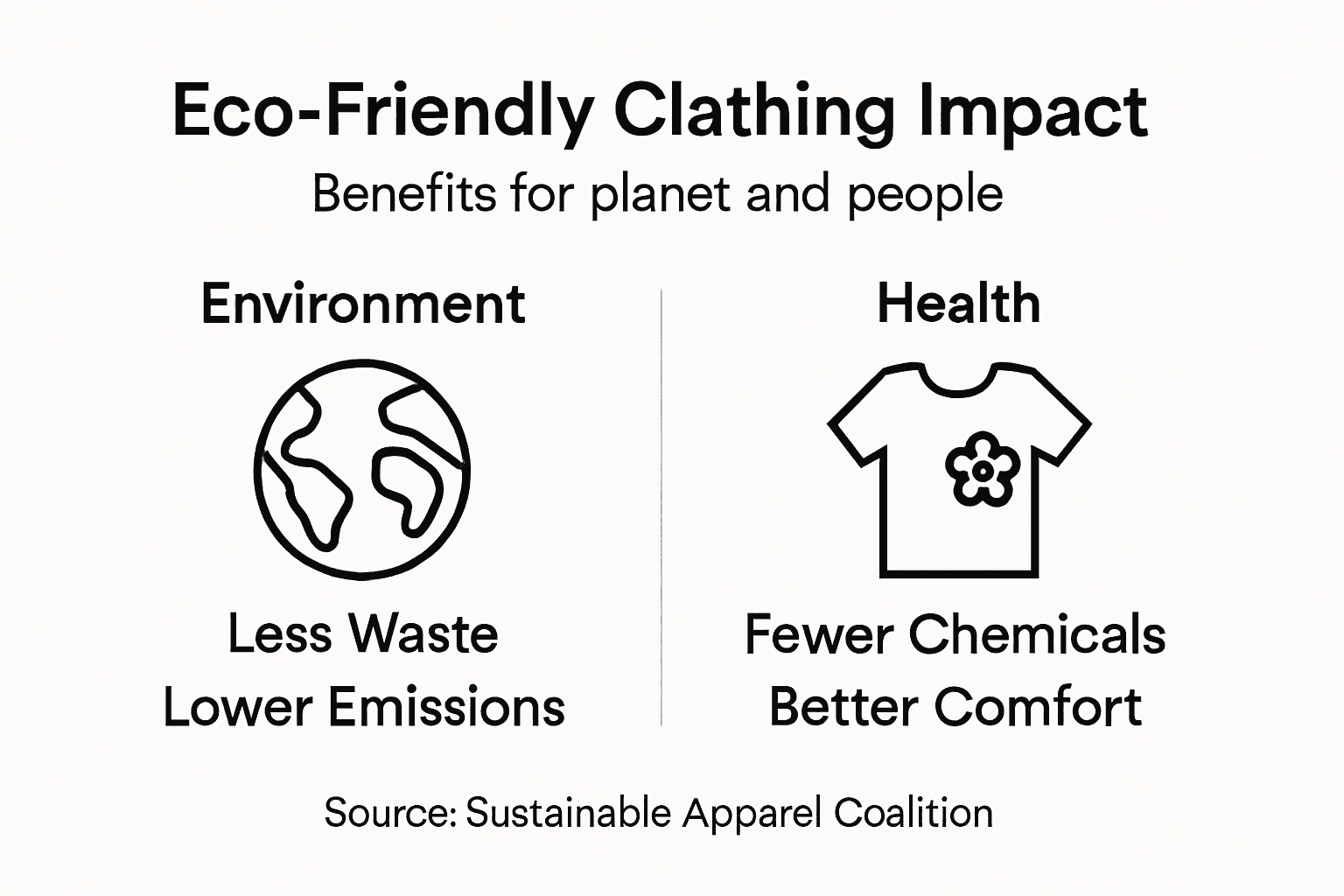
The waste problem gets worse every year. Fast fashion has conditioned people to see clothes as disposable. The average person throws away 81 pounds of clothing annually, and 85% of textiles end up in landfills. That’s roughly 26 million tons of clothing waste per year in the United States alone. Most of these garments take 200 years to decompose, and as they break down, they release methane and other greenhouse gases. Plus, the dyes and chemical treatments leach into soil and groundwater. The fashion industry also consumes 92 trillion liters of water annually while generating 10% of global carbon emissions. When you buy eco-friendly clothing, you’re part of a system designed differently. Sustainable brands focus on durability, meaning you wear each piece longer. Circular fashion practices and recycled materials reduce textile waste while lowering the overall environmental burden. Some brands now offer take-back programs where you can return worn-out clothes to be recycled into new fabric, completing the loop instead of sending everything to a landfill.
The health benefits of switching to sustainable clothing extend beyond water quality and chemical exposure. Natural fibers and eco-friendly dyes reduce dermatological issues like contact dermatitis and allergic reactions that synthetic fabrics often trigger. Workers in sustainable facilities experience fewer occupational health hazards. Communities surrounding ethical manufacturers don’t face contaminated water supplies. Air quality improves when factories reduce chemical emissions. These aren’t abstract environmental benefits—they translate directly to real health outcomes for real people. When you choose sustainable streetwear, you’re choosing a shirt that didn’t poison a river, didn’t expose factory workers to carcinogens, and won’t trigger skin irritation when you wear it. That’s the actual impact of eco-friendly clothing: less suffering, less waste, less environmental destruction.
Pro tip: Look for brands using certifications like GOTS (Global Organic Textile Standard) or Bluesign, which verify reduced chemical use throughout production, and check if they mention their water recycling practices or carbon offset programs.
How to Identify Truly Eco-Friendly Apparel
You’re standing in front of a rack of clothes labeled “sustainable” and “eco-friendly,” but how do you actually know if those claims are real or just marketing smoke? Greenwashing is rampant in fashion. Brands slap green logos on their products, use vague language like “natural” or “eco-friendly” without any certifications, and hope you don’t dig deeper. The truth is that identifying genuinely eco-friendly apparel requires looking beyond the surface. Start by checking the product tag for fiber content. Legitimate sustainable brands list exactly what materials are used: organic cotton, Tencel, recycled polyester, linen, or hemp. If the tag just says “cotton” without the “organic” label, that’s conventional cotton grown with pesticides. Next, look for third-party certifications. Organizations like GOTS, Fair Trade Certified, OEKO-TEX, and Bluesign have actual auditors who verify claims. These aren’t marketing logos that any brand can buy; they require meeting specific environmental and social standards. If a brand makes sustainability claims but has zero certifications, that’s a red flag.
Transparency is your best indicator. Visit the brand’s website and look for detailed information about where products are made, which manufacturers they work with, and what their environmental impact actually is. Real eco-friendly brands publish sustainability reports with specific numbers: water saved, carbon emissions reduced, percentage of waste diverted from landfills. If you can’t find this information after a few minutes of searching, the brand probably doesn’t have it or doesn’t want to share it. Distinguishing genuine eco-friendly claims from greenwashing requires assessing the full lifecycle of garments, including material sourcing, production practices, and company transparency about their supply chain. Ask specific questions: Where does the cotton come from? Which factories produce the clothing? How much water does production use? What happens to defective products? Legitimate brands can answer these questions. Vague answers or silence is your answer.
Consider the price point too. Truly sustainable clothing costs more because ethical labor, better materials, and responsible production all require investment. If a shirt is suspiciously cheap despite claims of sustainability, something is off. Look at the garment’s design and durability. Fast fashion pieces are made to fall apart after a few wears. Sustainable brands design items to last years. Check the seams, fabric weight, button attachment, and overall construction quality. A cheap price on something designed to last actually becomes more expensive because you’ll wear it longer. Consumer awareness of product transparency and company values influences the ability to identify authentic eco-friendly products rather than greenwashed alternatives. Finally, research the brand itself. Read reviews from sustainability-focused publications. Check whether they’ve faced criticism or lawsuits related to labor violations or environmental damage. Social media often exposes brand hypocrisy faster than official channels. Trust reviews from people actually wearing and using the products, not just marketing testimonials.
Pro tip: Create a checklist before shopping: certifications present, supply chain transparency visible, price reasonable for quality, construction durable, and company history clean—if three or fewer boxes check out, skip the brand and keep searching.
To help you identify truly eco-friendly clothing brands, here are key elements to check:
| Indicator | Why It Matters | Risk if Missing |
|---|---|---|
| Third-party Certifications | Confirms verified standards | Likely greenwashing |
| Supply Chain Transparency | Shows ethical sourcing & labor | Hidden practices |
| Detailed Impact Reports | Proves concrete sustainability | Vague generic claims |
| Durable Construction | Reduces long-term waste | Short lifespan items |
Discover Authentic Eco-Friendly Streetwear That Matches Your Values
Finding truly eco-friendly clothing can be overwhelming with so many vague claims and greenwashing. This article highlights the real challenges of identifying apparel that is both sustainably made and ethically produced. If you want streetwear crafted from organic cotton, recycled fabrics, and responsibly sourced materials with transparent ethical labor practices, MEXESS.com offers a curated collection you can trust. We focus on durable, stylish sweatshirts, T-shirts, and hoodies built to last so you reduce waste and feel good wearing them every day.

Join a movement that goes beyond marketing claims. Explore our new arrivals and detailed product descriptions to see exactly how each piece supports environmental protection and fair labor standards. Take advantage of our first-time buyer discounts and free shipping offers on multiple items today. Visit MEXESS.com now and make your wardrobe truly sustainable with streetwear that delivers real impact.
Frequently Asked Questions
What are the main characteristics of eco-friendly clothing?
Eco-friendly clothing is defined by sustainable materials, ethical manufacturing practices, transparency about sourcing, reduced chemical usage, and durability, which together contribute to a lower environmental impact.
How can I identify if a clothing brand is genuinely sustainable?
Look for third-party certifications like GOTS or Fair Trade, check for supply chain transparency, ensure detailed impact reports are provided, and assess the durability of the garment to confirm sustainability claims.
What is the significance of organic cotton compared to conventional cotton?
Organic cotton is grown without synthetic pesticides or fertilizers, reducing chemical runoff, whereas conventional cotton uses around 16% of the world’s pesticides despite occupying only a small percentage of farmland, making organic options substantially better for the environment.
Are synthetic fabrics like recycled polyester eco-friendly?
Yes, recycled polyester can be considered eco-friendly as it repurposes plastic waste into new fabric, reducing landfill contributions and using less energy compared to virgin polyester production. However, it’s essential to consider the entire production process, including dyeing and water usage.
Recommended
- How Sustainable Fabrics Are Made – Impact On Fashion – MEXESS
- How Sustainable Fabrics Are Made – Impact On Fashion – MEXESS
- How Sustainable Fabrics Are Made – Impact On Fashion – MEXESS
- How Sustainable Fabrics Are Made – Impact On Fashion – MEXESS
- Organic Hair Conditioner: Everything You Need to Know | MyHair
Leave a comment