
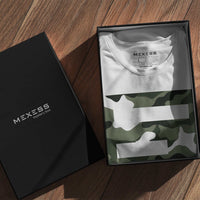

Many consumers believe that any clothing labeled “eco-friendly” meets rigorous sustainability standards, but the reality is far more nuanced. Eco-fashion in 2026 revolves around verifiable certifications, organic materials, and transparent supply chains that transform how European Gen Z and Millennials approach streetwear. This guide clarifies the certifications, materials, and design principles that empower you to make informed sustainable choices while embracing minimalist urban style.
Table of Contents
- Understanding Eco-Fashion In 2026
- Sustainable Materials Driving Streetwear Innovation
- Eco-Conscious European Consumers: Gen Z And Millennials
- Common Misconceptions About Eco-Fashion
- Design And Functional Principles Of Minimalist Sustainable Streetwear
- Certifications And Transparency In Sustainable Streetwear
- Practical Advantages Of Eco-Fashion For Urban Lifestyles
- Explore Sustainable Streetwear Options At MEXESS
- Frequently Asked Questions About Eco-Fashion In 2026
Key takeaways
| Point | Details |
|---|---|
| Material innovation | Over 70% of streetwear brands now use sustainable fibers including organic cotton and recycled polyester in 2026. |
| Consumer demographics | Gen Z and Millennials in Europe drive 60% of sustainable fashion purchases, prioritizing ethical sourcing and minimalist design. |
| Certification value | GOTS and OEKO-TEX certifications ensure rigorous sustainability standards that prevent greenwashing. |
| Design impact | Minimalist streetwear design extends garment longevity by approximately 30% through timeless silhouettes. |
| Transparency benefits | Transparency and certification adoption increase customer loyalty by 25% in sustainable streetwear brands. |
Understanding eco-fashion in 2026
Eco-fashion in 2026 centers on clothing made from organic and recycled materials that minimize environmental impact throughout the production cycle. Unlike conventional fashion, which relies heavily on pesticide-intensive cotton and petroleum-based synthetics, eco-fashion prioritizes renewable resources and circular production models. The streetwear sector has embraced this shift dramatically, with streetwear trends in 2026 showing widespread adoption of sustainable practices.
This transformation reflects growing consumer demand in Europe, where environmental awareness shapes purchasing decisions. Gen Z and Millennials increasingly expect brands to demonstrate tangible sustainability commitments rather than vague marketing claims. The Sustainable Urban Streetwear Framework addresses this by combining eco-friendly materials, ethical manufacturing, and transparent supply chains into cohesive brand practices.
Key characteristics of eco-fashion in 2026 include:
- Organic cotton grown without synthetic pesticides or genetically modified seeds
- Recycled polyester derived from post-consumer plastic bottles
- Low-impact dyes and waterless dyeing technologies
- Fair labor practices verified through independent audits
- Circular design principles that facilitate end-of-life recycling
For European consumers seeking sustainable streetwear, understanding these fundamentals helps navigate marketing noise and identify brands with genuine environmental commitments. The shift toward eco-fashion represents more than trend adoption. It reflects a fundamental change in how urban consumers value clothing quality, longevity, and environmental responsibility.
Sustainable materials driving streetwear innovation
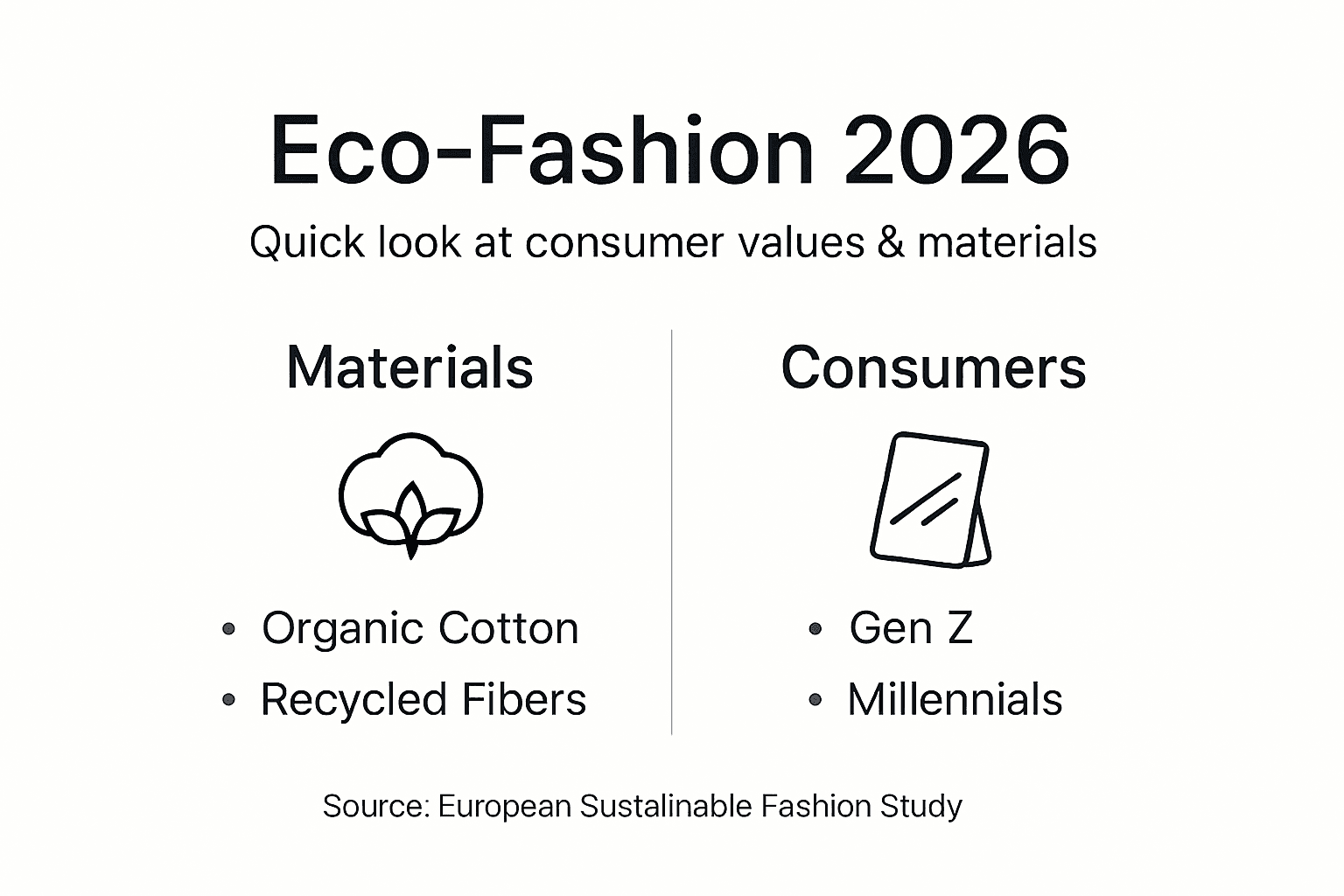
Organic cotton stands at the forefront of sustainable streetwear materials, using 91% less water than conventional cotton production. This dramatic reduction comes from eliminating pesticides that contaminate water sources and adopting regenerative farming practices that improve soil health. For streetwear brands, organic cotton delivers the soft hand feel and breathability consumers expect while drastically reducing environmental footprint.
Recycled polyester blends offer exceptional durability for activewear-inspired streetwear pieces. By converting plastic bottles into performance fibers, brands divert waste from landfills while creating garments that withstand frequent washing and urban wear. The sustainable fabrics in streetwear movement has accelerated adoption of these blends, particularly in hoodies and sweatshirts where durability matters most.
Waterless dyeing technology represents another breakthrough, reducing water consumption by 50% compared to traditional dyeing methods. This innovation uses supercritical carbon dioxide instead of water to infuse color into fabrics, eliminating toxic wastewater discharge entirely. Brands implementing waterless dyeing achieve vibrant, long-lasting colors while addressing one of fashion’s most polluting processes.
| Material | Environmental Benefit | Streetwear Application |
|---|---|---|
| Organic Cotton | 91% water savings | T-shirts, hoodies, casual wear |
| Recycled Polyester | Diverts plastic waste | Performance blends, sweatshirts |
| Waterless Dye Tech | 50% water reduction | All fabric dyeing processes |
| Hemp Blends | Carbon sequestration | Durable outerwear, jackets |
Pro Tip: Check fabric composition labels for percentages. Truly sustainable pieces contain at least 70% certified organic or recycled content, not just token amounts added for marketing purposes.
These material innovations contribute directly to garment longevity. Organic cotton fibers maintain strength through repeated washing, while recycled polyester resists pilling and fading. When you invest in sustainable streetwear made from these materials, you’re choosing pieces that remain wearable far longer than fast fashion alternatives.
Eco-conscious European consumers: Gen Z and Millennials
Gen Z and Millennials account for over 60% of sustainable fashion purchases in Europe, driven by values that extend beyond aesthetics. These European Gen Z and Millennials prioritize brands demonstrating ethical sourcing, transparent supply chains, and measurable environmental commitments. They research certifications, read sustainability reports, and share brand practices across social networks.
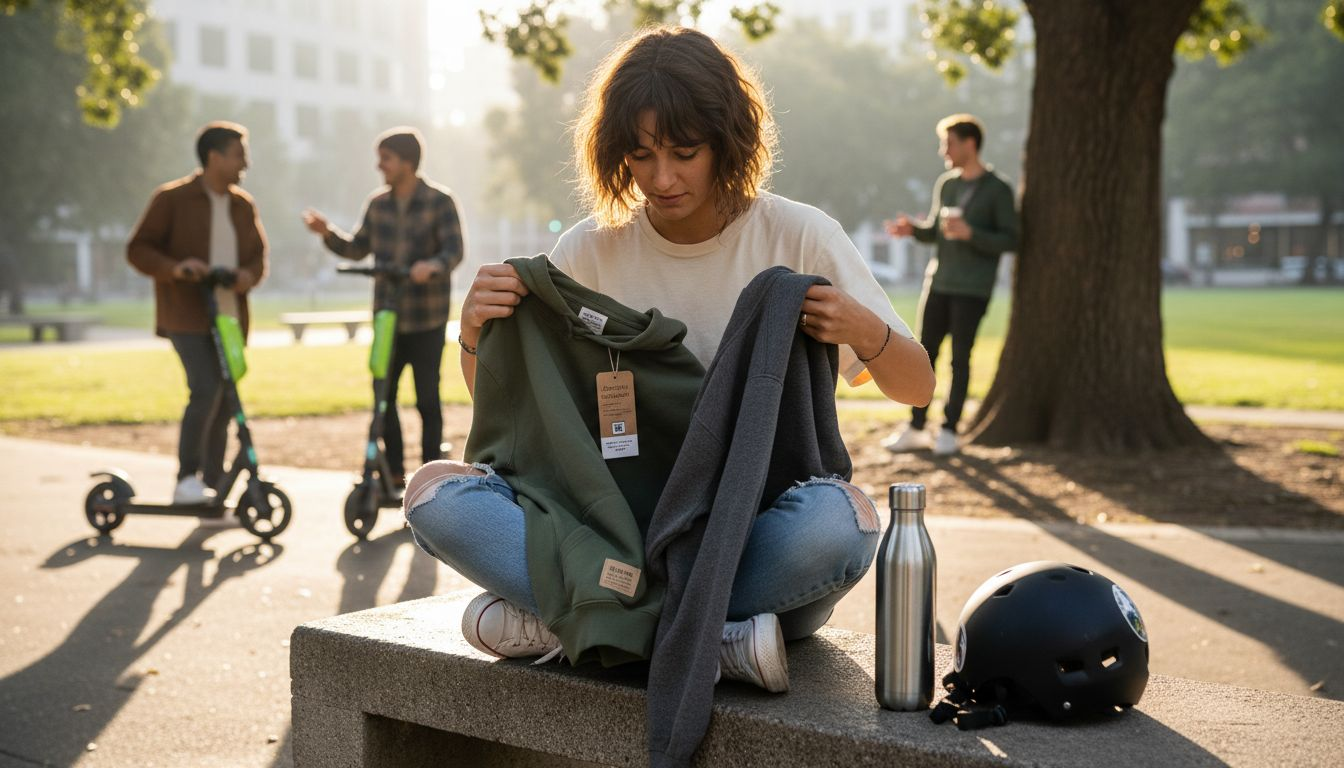
Transparency ranks as a top priority for these consumers. They want to know where materials originate, how workers are treated, and what environmental standards factories maintain. Brands that openly share this information build trust and command premium prices, while those hiding behind vague sustainability claims face swift backlash.
Multifunctional minimalist design appeals strongly to this demographic because it supports diverse urban lifestyles. A well-designed organic cotton hoodie works equally well for campus, creative workspaces, weekend outings, and casual remote work settings. This versatility reduces the need to own numerous specialized garments, aligning with minimalist consumption values.
Key preferences shaping purchasing behavior:
- Timeless silhouettes that transcend seasonal trends
- Neutral color palettes that simplify outfit coordination
- Quality construction that justifies higher price points
- Brand storytelling that communicates authentic sustainability commitments
- Easy care requirements compatible with busy urban schedules
These consumers also embrace work-from-anywhere lifestyles that demand clothing performing across contexts. Sustainable streetwear meets this need through pieces sophisticated enough for video calls yet comfortable for all-day wear. The intersection of style, sustainability, and functionality defines their ideal wardrobe.
Buying behavior reflects these values consistently. Rather than purchasing large quantities of cheap items, European Gen Z and Millennials invest in fewer, higher-quality sustainable pieces. This shift toward conscious consumption creates opportunities for brands offering premium organic cotton streetwear with transparent sourcing and minimalist design principles.
Common misconceptions about eco-fashion
Not all eco-labels guarantee rigorous sustainability standards. Many brands use terms like “eco-conscious” or “natural” without third-party verification, creating confusion about what these claims actually mean. Only certifications like GOTS ensure comprehensive criteria covering organic fiber production, safe chemical use, ethical labor practices, and environmental management systems throughout the supply chain.
The myth that sustainable fashion limits style choices persists despite evidence showing 65% of consumers seek trendy, unique pieces within eco-fashion categories. Modern sustainable streetwear brands offer diverse designs from oversized fits to tailored minimalist cuts, proving environmental responsibility doesn’t require sacrificing aesthetic preferences. Innovation in sustainable materials actually expands design possibilities rather than constraining them.
Many consumers assume eco-fashion costs prohibitively more than conventional options. While premium sustainable pieces do carry higher price tags, technological advances in organic farming and recycled material processing continue reducing costs. Direct-to-consumer brands eliminate retail markups, making sustainable streetwear increasingly accessible to budget-conscious shoppers who value quality over quantity.
Key misconceptions to dispel:
- Believing all “green” marketing reflects genuine sustainability commitments
- Assuming sustainable clothing sacrifices comfort or durability
- Thinking eco-fashion only suits niche aesthetic preferences
- Expecting sustainable pieces to wear out faster than conventional options
- Trusting brand claims without seeking certification verification
Pro Tip: Look beyond front-of-label claims. Check for specific certifications like GOTS or OEKO-TEX on hang tags and verify them through certification body websites. Real sustainable brands welcome scrutiny and provide detailed transparency.
Greenwashing remains prevalent as brands recognize consumer demand for sustainability. Companies add small percentages of organic cotton to collections while maintaining unsustainable practices elsewhere, then market entire lines as “eco-friendly.” Understanding these tactics helps you distinguish authentic sustainable brands from those exploiting environmental concerns for profit.
Design and functional principles of minimalist sustainable streetwear
Minimalist design extends garment longevity by approximately 30% through timeless silhouettes that resist trend obsolescence. When a hoodie features clean lines, neutral tones, and classic proportions rather than seasonal details, it remains stylish across multiple years. This longevity directly supports sustainability goals by reducing consumption frequency and keeping garments in active use longer.
Simplicity aids end-of-life recycling processes significantly. Garments with minimal embellishments, single-fiber construction, and modular designs separate more easily for material recovery. Complex pieces combining multiple fiber types, extensive trims, and bonded elements create recycling challenges that often result in landfill disposal despite good intentions.
Versatility for multiple urban contexts makes minimalist sustainable streetwear exceptionally practical. A well-designed organic cotton t-shirt transitions seamlessly from casual weekend wear to smart-casual work environments when paired appropriately. This adaptability means owning fewer total pieces while maintaining outfit variety, supporting both minimalist and sustainable lifestyle principles.
| Design Aspect | Eco-Fashion Minimalist | Mainstream Streetwear |
|---|---|---|
| Silhouette | Clean, timeless cuts | Trend-driven, seasonal |
| Color palette | Neutral, versatile tones | Bold graphics, seasonal colors |
| Embellishments | Minimal or none | Heavy branding, logos |
| Construction | Single-fiber, recyclable | Mixed materials, complex |
| Longevity | 5-7 years typical use | 1-2 years before obsolescence |
Functional principles driving minimalist sustainable streetwear design:
- Ergonomic fits accommodating diverse body types comfortably
- Fabric weights suitable for layering across seasons
- Reinforced stress points extending durability
- Easy care requirements reducing environmental impact from washing
- Modular styling supporting multiple outfit combinations
The aesthetic simplicity characterizing minimalist sustainable streetwear also reduces production complexity. Fewer pattern pieces, simpler construction techniques, and streamlined manufacturing processes lower production costs while maintaining quality standards. This efficiency makes sustainable practices more economically viable for brands and affordable for consumers.
Certifications and transparency in sustainable streetwear
GOTS certification covers the entire textile supply chain from organic fiber harvesting through final product labeling. Standards include prohibiting genetic modification, restricting chemical inputs, requiring wastewater treatment, ensuring safe working conditions, and verifying fair wages. When you see GOTS certification, you’re getting comprehensive assurance that extends beyond just organic fiber content.
OEKO-TEX certification focuses specifically on chemical safety, testing finished textiles for harmful substances including pesticides, heavy metals, formaldehyde, and allergenic dyes. This certification proves garments meet strict human health standards regardless of fiber origin. For consumers with sensitive skin or chemical concerns, OEKO-TEX provides essential safety verification.
Transparency builds measurable consumer loyalty in sustainable streetwear. Brands sharing detailed supply chain information, factory locations, and sustainability metrics create trust that translates into repeat purchases and brand advocacy. This openness demonstrates confidence in practices and invites customer engagement rather than hiding behind vague marketing.
Guide to reading and trusting eco-labels effectively:
- Verify certification claims through official certification body websites
- Look for specific certification numbers that enable tracking
- Research what criteria each certification actually covers
- Prioritize comprehensive certifications like GOTS over single-issue labels
- Check if certifications undergo regular audits and renewal requirements
Different certifications address different sustainability aspects. Fair Trade focuses on labor practices and community development, while Cradle to Cradle evaluates material health, recyclability, renewable energy use, water stewardship, and social fairness. Understanding these distinctions helps you prioritize what matters most for your values and needs.
The transparency and certification impact on customer loyalty demonstrates tangible business benefits for sustainable brands. Companies investing in certifications and open communication earn customer trust that withstands price competition and market fluctuations. This loyalty creates sustainable business models supporting continued environmental investment.
Practical advantages of eco-fashion for urban lifestyles
77% of urban Gen Z and Millennials prefer versatile streetwear suitable for multiple lifestyle contexts, from creative workspaces to social gatherings. Sustainable streetwear meets this demand through thoughtful design that balances comfort, style, and appropriateness across settings. An organic cotton polo shirt works for casual Fridays, weekend brunches, and relaxed evenings without requiring wardrobe changes.
Durability of quality sustainable fabrics matches or exceeds conventional alternatives. Organic cotton maintains fiber strength through numerous wash cycles, while properly constructed recycled polyester blends resist pilling and shape loss. This longevity means sustainable pieces actually cost less per wear despite higher upfront prices, delivering better value over garment lifespans.
Comfort defines the sustainable streetwear experience. Organic cotton breathes naturally, wicks moisture effectively, and softens with wear rather than deteriorating. Without chemical residues from conventional production, sustainable fabrics feel gentler against skin and reduce irritation for sensitive wearers. This comfort supports all-day wear across diverse activities.
Practical benefits of sustainable fashion for European urban dwellers:
- Reduced consumption frequency through longer garment lifespans
- Simplified wardrobe management via versatile minimalist pieces
- Lower environmental guilt enabling confident purchasing decisions
- Enhanced personal style through quality over quantity approach
- Health benefits from chemical-free fabric production
Sustainable streetwear supports creative, flexible, work-from-anywhere lifestyles perfectly. Pieces sophisticated enough for professional contexts yet casual enough for comfort enable seamless transitions between work and personal time. This versatility particularly matters in European urban centers where remote work, coworking spaces, and blended professional-social events characterize modern life.
Reducing consumption becomes natural when garments remain stylish and functional for years. Instead of chasing seasonal trends requiring constant wardrobe updates, investing in quality sustainable pieces creates a stable wardrobe foundation. This approach saves money long-term while dramatically reducing personal environmental impact.
Explore sustainable streetwear options at MEXESS
Finding sustainable streetwear that delivers on style, comfort, and environmental values requires brands genuinely committed to these principles. MEXESS specializes in premium organic cotton streetwear designed specifically for European urban lifestyles, combining minimalist aesthetics with verified sustainable sourcing.

Every MEXESS piece starts with certified organic cotton and transparent supply chains meeting rigorous environmental standards. The collections feature versatile essentials from t-shirts to hoodies, each designed for longevity through timeless cuts and quality construction. Whether you need streetwear at work without looking too casual or weekend pieces that reflect your values, MEXESS offers sustainable solutions.
Understanding what is organic cotton clothing helps appreciate the care behind each garment. From water conservation to chemical-free production, organic cotton represents a fundamental shift toward responsible fashion. Discover why sustainable fashion matters beyond environmental benefits, including superior comfort, durability, and style.
Frequently asked questions about eco-fashion in 2026
What certifications should I look for when buying eco-friendly streetwear?
GOTS certification offers the most comprehensive verification, covering organic fiber standards, chemical restrictions, environmental practices, and labor conditions throughout production. OEKO-TEX provides essential chemical safety testing for finished garments. Look for these specific certifications rather than vague “eco-friendly” claims without third-party verification.
How does minimalist design help sustainability in clothing?
Minimalist design extends garment lifespans by 30% through timeless silhouettes that resist trend obsolescence, keeping clothes in active use longer. Simple construction using single fiber types facilitates end-of-life recycling. Versatile neutral designs work across multiple contexts, reducing the total number of garments needed in your wardrobe.
Is sustainable streetwear more expensive than conventional options?
Initial prices run higher due to premium materials and ethical production costs, but cost per wear often proves lower. Sustainable pieces last years longer than fast fashion alternatives, delivering better long-term value. Direct-to-consumer brands eliminate retail markups, making quality sustainable streetwear increasingly accessible.
How can I trust the transparency claims of fashion brands?
Verify specific certification numbers through official certification body websites rather than trusting brand marketing alone. Research which sustainability aspects certifications actually cover since scope varies significantly. Prioritize brands sharing detailed supply chain information including factory locations and regular sustainability reports demonstrating measurable progress.
What urban lifestyle benefits does eco-fashion provide?
Sustainable streetwear offers exceptional versatility for work-from-anywhere lifestyles, transitioning seamlessly between professional and casual settings. Superior comfort from chemical-free organic fabrics supports all-day wear. Durability reduces consumption frequency, simplifying wardrobe management while aligning purchases with environmental values that matter to conscious urban consumers.
Dodaj komentarz