
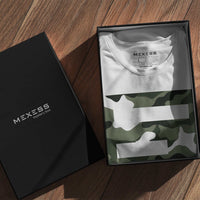

Choosing what to wear in 2026 feels different when you care about both style and sustainability. The latest global streetwear trends spotlight individuality and a genuine connection to community, moving away from throwaway fashion and toward smart wardrobe choices for urban life. If you value authentic personal expression and eco-friendly materials in your everyday outfits, this guide offers practical insights for building a wardrobe that reflects your values and keeps you ahead in street style.
Table of Contents
- Defining Streetwear Trends in 2026
- Major Styles and Eco-Friendly Materials
- Tech Innovations Reshaping Urban Clothing
- How Sustainability Drives Consumer Choices
- Risks of Greenwashing in Streetwear
- Cost, Durability, and Ethical Comparisons
Key Takeaways
| Point | Details |
|---|---|
| Emphasis on Individuality | Streetwear in 2026 prioritizes personalized styles over uniform trends, allowing consumers to express their unique identities. |
| Sustainability is Essential | Eco-friendly materials and ethical production practices are becoming key purchasing factors for consumers, reshaping the market landscape. |
| Technology Integration | Innovations like smart fabrics and AI-driven customization are revolutionizing streetwear, merging fashion with interactive, functional benefits. |
| Awareness of Greenwashing | Consumers are becoming more discerning about sustainability claims, emphasizing the need for transparency and verifiable practices in the fashion industry. |
Defining Streetwear Trends in 2026
Streetwear in 2026 represents a significant evolution beyond traditional fashion cycles, emerging as a powerful form of personal expression. Global streetwear trends are shifting dramatically, prioritizing authenticity and individual identity over mass-produced styles.
The emerging landscape of streetwear centers on several key transformative elements:
- Individualized Style: Moving away from uniform trends toward personalized fashion statements
- Community Connection: Clothing as a means of expressing shared cultural experiences
- Functional Design: Prioritizing comfort, adaptability, and practical urban living
Urban fashion enthusiasts are now demanding more than just aesthetic appeal. They want garments that reflect their complex identities, blend seamlessly with their lifestyle, and demonstrate a commitment to sustainable practices. Texture mixing and balanced silhouettes are becoming critical design principles, replacing previous decades’ hyper-branded approach.
The new streetwear paradigm emphasizes smart, intentional choices. Urban style evolution suggests that young adults are increasingly combining existing wardrobe pieces creatively, rejecting constant consumption in favor of versatile, meaningful clothing selections.
Pro tip: Focus on building a flexible wardrobe with neutral, high-quality pieces that can be layered and mixed across multiple outfits.
Here is a comparison of traditional versus next-generation streetwear in 2026:
| Aspect | Traditional Streetwear | Streetwear in 2026 |
|---|---|---|
| Style Approach | Brand-focused, uniform | Personal expression, flexible |
| Production Method | Mass-produced | Limited runs, on-demand |
| Material Choices | Synthetic, conventional | Eco-friendly, innovative |
| Consumer Role | Passive, trend follower | Active, style co-creator |
| Design Priorities | Visual impact, logos | Comfort, adaptability, meaning |
Major Styles and Eco-Friendly Materials
Streetwear in 2026 is experiencing a transformative shift towards sustainability, with designers and consumers increasingly prioritizing environmentally conscious textile innovations. The convergence of style and ecological responsibility is reshaping how urban fashion enthusiasts approach their wardrobe choices.
Key sustainable materials driving this revolution include:
- Organic Cotton: Grown without harmful pesticides, reducing environmental impact
- Recycled Polyester: Repurposing plastic waste into high-performance fabrics
- Lyocell: Biodegradable fiber produced through environmentally responsible processes
- Hemp: Naturally resistant to pests, requiring minimal water and no pesticides
The emerging material landscape emphasizes not just sustainability, but also performance. Eco-friendly textile research demonstrates that advanced chemical treatments can enhance natural fibers’ mechanical properties, addressing historical challenges like water absorption and thermal stability.
Beyond material selection, the new streetwear paradigm integrates holistic sustainability into design philosophy. Young designers are reimagining garment construction, focusing on durability, versatility, and reduced environmental footprint. This approach transforms clothing from disposable fashion statements to long-lasting, meaningful personal investments.

Pro tip: Invest in versatile, high-quality pieces made from sustainable materials that can be mixed, layered, and worn across multiple seasons.
To better understand sustainable streetwear, see this summary of key eco-friendly materials and their unique advantages:
| Material | Environmental Benefit | Performance Feature |
|---|---|---|
| Organic Cotton | Reduced pesticide use, lower impact | Softness, breathability |
| Recycled Polyester | Diverts plastic from landfill | High durability, dries quickly |
| Lyocell | Biodegradable, closed-loop process | Smooth texture, moisture-wicking |
| Hemp | Minimal water use, no pesticides | Natural strength, UV resistant |
Tech Innovations Reshaping Urban Clothing
The urban fashion landscape is undergoing a radical transformation through cutting-edge digital fashion technologies. Streetwear in 2026 is no longer just about aesthetics, but a sophisticated intersection of personal expression, technological innovation, and sustainable design.
Key technological advancements driving this revolution include:
- AI-Driven Personalization: Custom design recommendations based on individual style preferences
- Smart Fabric Technologies: Temperature regulation and adaptive performance wear
- Digital Co-Creation Platforms: Collaborative design experiences between consumers and brands
- Embedded Sensor Clothing: Tracking personal wellness and environmental impact
These innovations represent more than mere technological gimmicks. Intelligent clothing systems are creating a new paradigm where garments become interactive, responsive personal tools that adapt to individual needs and environmental conditions.
The future of streetwear transcends traditional boundaries, blending digital interactivity with physical fashion. Young urban consumers now expect clothing that not only looks good but provides tangible functional benefits, tracks personal metrics, and reflects their commitment to technological and environmental consciousness.
Pro tip: Explore brands offering tech-integrated streetwear that combines cutting-edge functionality with sustainable design principles.
How Sustainability Drives Consumer Choices
Consumer preferences in streetwear are undergoing a profound transformation, with sustainability becoming a decisive purchasing factor. Young urban consumers are no longer passive buyers but active participants demanding transparency, ethical production, and meaningful environmental responsibility.
Key drivers of sustainable consumer choices include:
- Price Willingness: 55% of streetwear shoppers ready to pay premium for sustainable options
- Transparency Demand: Consumers seeking detailed information about sourcing and manufacturing
- Personal Values Alignment: Clothing as an extension of individual environmental commitment
- Ethical Brand Reputation: Preference for companies demonstrating genuine sustainability practices
Conscious consumption has evolved from a niche trend to a mainstream expectation. Urban fashion enthusiasts now view their wardrobe choices as direct statements about personal ethics, environmental stewardship, and social responsibility. This shift represents more than a trend - it’s a fundamental reimagining of fashion’s role in individual identity and global sustainability.
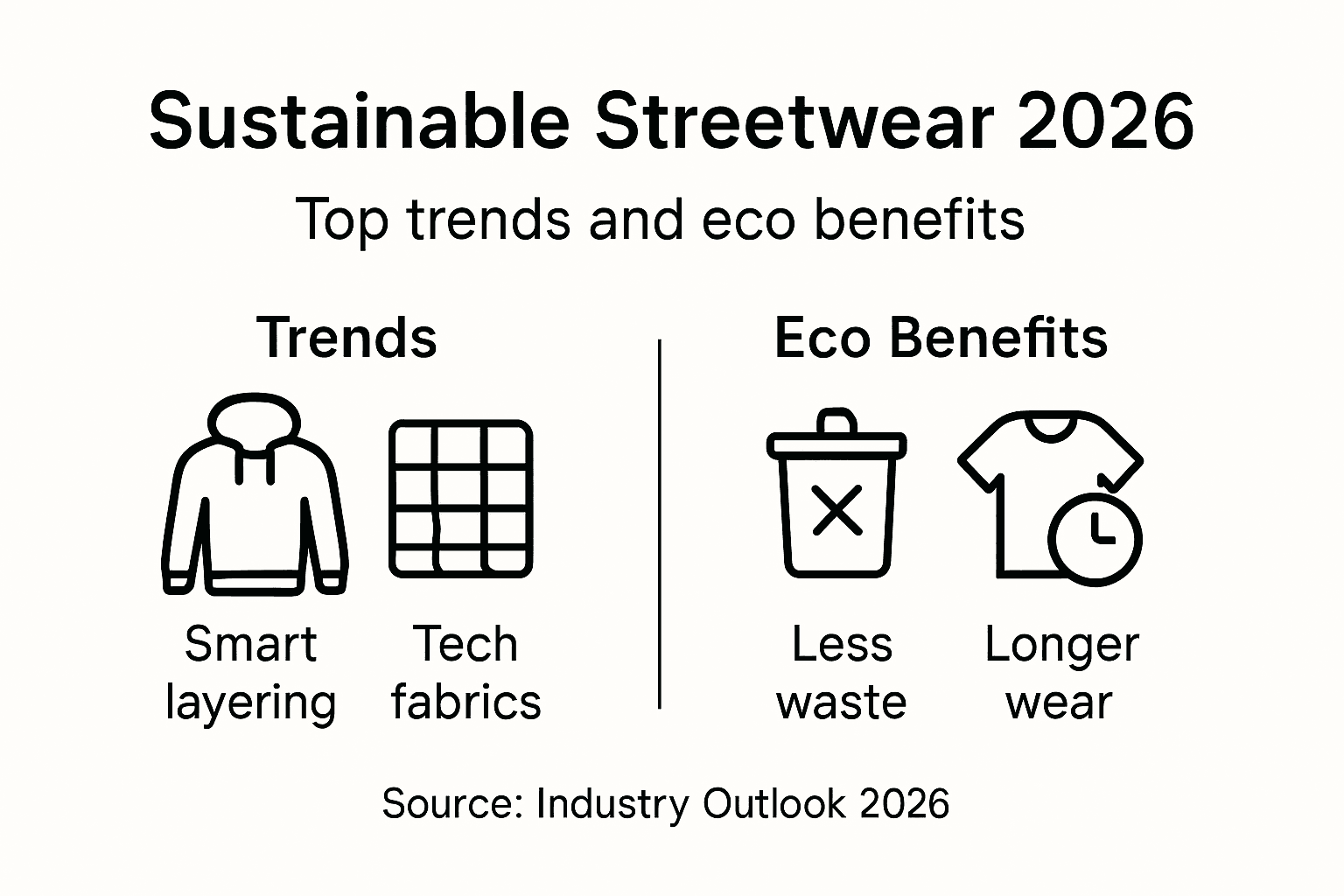
The intersection of personalization and sustainability is particularly powerful. Emerging technologies enable consumers to co-create garments that reflect both individual style and collective environmental values, transforming fashion from a passive consumption experience to an active, meaningful engagement.
Pro tip: Research brands that offer transparent supply chains and provide detailed sustainability metrics with each garment.
Risks of Greenwashing in Streetwear
The streetwear landscape is increasingly threatened by widespread sustainability deception. Greenwashing represents a critical challenge that undermines genuine environmental efforts and erodes consumer trust in sustainable fashion.
Key indicators of potential greenwashing include:
- Vague Environmental Claims: Using buzzwords without substantive evidence
- Misleading Packaging: Green imagery that doesn’t reflect actual production practices
- Selective Transparency: Highlighting minor sustainable practices while concealing broader environmental impacts
- Unverifiable Sustainability Statements: Claims lacking third-party certification or concrete data
Legal frameworks are rapidly evolving to combat these deceptive practices. International regulatory developments in the EU, UK, and US are creating stricter oversight, demanding brands provide verifiable evidence of their sustainability claims.
Consumers are becoming increasingly sophisticated in identifying genuine sustainability efforts. The most effective defense against greenwashing involves complete supply chain transparency, measurable environmental metrics, and a commitment to continuous improvement in sustainable practices.
Pro tip: Always request detailed sustainability documentation and third-party certifications before purchasing streetwear claiming environmental credentials.
Cost, Durability, and Ethical Comparisons
The sustainable streetwear market is experiencing a transformative evolution, with market dynamics shifting dramatically towards more conscientious consumer choices. This shift represents a fundamental reimagining of value beyond simple price points, emphasizing long-term environmental and social impact.
Key comparative aspects of sustainable streetwear include:
- Initial Cost: Generally higher upfront investment
- Long-Term Value: Increased durability reduces replacement frequency
- Environmental Impact: Lower carbon footprint compared to traditional manufacturing
- Ethical Production: Fair labor practices and transparent supply chains
- Material Quality: Superior performance and longer-lasting fabric compositions
Durability metrics reveal that sustainable streetwear often outperforms traditional clothing in longevity. Eco-friendly materials like organic cotton, recycled polyester, and advanced hemp blends demonstrate remarkable resistance to wear, providing consumers with garments that maintain structural integrity far longer than conventional alternatives.
Consumers are increasingly recognizing that true value extends beyond immediate affordability. The ethical and environmental considerations embedded in sustainable streetwear represent an investment in personal values, global responsibility, and a more thoughtful approach to fashion consumption.
Pro tip: Calculate the cost-per-wear of sustainable garments to understand their true economic and environmental value.
Embrace Sustainable Streetwear with Confidence
The challenges highlighted in “Streetwear Trends 2026 – Why Sustainability Matters” reveal how crucial it is to choose streetwear that truly respects the environment and personal style. If you are seeking authentic, eco-friendly streetwear crafted from organic fabrics and designed for durability and comfort this is your moment. MEXESS understands your desire for clothing that balances functional design and sustainable materials like organic cotton and recycled polyester, helping you build a versatile wardrobe that reflects your values.

Discover a curated collection of sweatshirts, T-shirts, and hoodies at MEXESS where transparency meets style. Act now to enjoy sustainable fashion with free shipping on multiple items, trusted customer reviews, and new arrivals designed for the streetwear enthusiast committed to sustainability. Start redefining your wardrobe by visiting MEXESS and see how conscious choices lead to meaningful style today.
Frequently Asked Questions
What are the key elements driving streetwear trends in 2026?
The key elements driving streetwear trends in 2026 include individualized style, community connection, and functional design that prioritizes comfort and adaptability.
How do eco-friendly materials benefit streetwear fashion?
Eco-friendly materials like organic cotton, recycled polyester, and hemp reduce environmental impact, offer durability, and enhance the longevity of clothing, making them essential for sustainable streetwear.
What is greenwashing, and how can consumers identify it in streetwear?
Greenwashing refers to misleading claims about sustainability that brands may use to appear environmentally friendly without substantial evidence. Consumers can identify it by looking for vague environmental claims, misleading packaging, and lack of verifiable sustainability certifications.
Why should consumers consider the long-term value of sustainable streetwear?
Consumers should consider the long-term value of sustainable streetwear because it often involves higher initial costs but offers increased durability, better environmental performance, fair labor practices, and superior quality, leading to more conscientious purchases.
Recommended
- 7 Must-Have Streetwear Essentials for Eco-Conscious Men – MEXESS
- 7 Must-Have Streetwear Essentials for Eco-Conscious Men – MEXESS
- 7 Must-Have Streetwear Essentials for Eco-Conscious Men – MEXESS
- 7 Must-Have Streetwear Essentials for Eco-Conscious Men – MEXESS
- Holistic Hair Care in 2025: Grow Stronger, Healthier Hair | MyHair
Leave a comment