

You can feel a cheap tee before you see the logo.
It twists after the first wash, the collar waves, and the fabric gets that thin, shiny look that screams “backup drawer.” If you’re building a tight rotation of streetwear staples, that stuff gets old fast. So the real question behind are organic cotton t shirts worth it is simpler - do they actually wear better, or is it just feel-good marketing?
Are organic cotton t shirts worth it for everyday wear?
They can be, but not automatically. “Organic” tells you how the cotton was grown. It does not guarantee the tee is thick, well-cut, or built to hold its shape.
If you’re shopping like a streetwear person - fit, drape, neckline, repeat wears, and clean fades - organic cotton becomes worth it when it’s paired with the right fabric weight, yarn quality, and construction. When those basics are done right, the tee feels smoother, breaks in better, and stays in your rotation longer. When they’re not, you’re just paying extra for a label.
The payoff is usually less about flexing “organic” and more about owning fewer, better pieces. Cost per wear is where it starts to make sense.
The real difference: organic vs conventional cotton
Conventional cotton is often grown with synthetic pesticides and fertilizers. Organic cotton is grown under standards that restrict those inputs and typically supports healthier soil practices.
For you, wearing it, the immediate difference is not “organic vs non-organic.” It’s what the brand chose to do with the fiber after harvest.
A well-made organic cotton tee is often built around longer-staple cotton, tighter knitting, and more deliberate finishing. That’s where you get the premium feel: a cleaner handfeel, a more stable drape, and less of that scratchy dryness some cheap cotton has.
Still, you can absolutely find a conventional cotton tee that feels great and lasts. Organic is not a magic upgrade. It’s a better starting point when a brand treats it like a premium material, not a checkbox.
What you’ll notice first: feel, drape, and breathability
If you’ve ever put on a tee that immediately looks “expensive” without trying, that’s usually drape and surface texture working together.
Organic cotton tees that are made well tend to feel softer without feeling flimsy. The fabric sits flatter on the body, and the shirt moves with you instead of clinging or ballooning. Breathability is more about knit structure and weight than the word “organic,” but many organic streetwear tees lean into heavier, more substantial jerseys that still breathe because cotton does its job.
If you’re sensitive to rough fabric or you hate when a tee feels stiff after drying, organic cotton can be a win. Not because it’s inherently hypoallergenic, but because premium organic tees are often finished with less aggressive chemistry and are simply made better.
Durability: the part nobody wants to think about until it’s too late
A tee’s lifespan is mostly decided by a few unsexy details: neckline rib, stitch density, fabric weight, and pre-shrinking.
Organic cotton doesn’t guarantee durability. But in the market, organic tees are more likely to be positioned as premium, which means you more often see higher GSM fabrics, tighter knits, and cleaner seams.
Here’s what “lasting” looks like in real life:
A good collar stays flat and snaps back after stretching. The body doesn’t torque so the side seams creep forward. The fabric doesn’t pill heavily where your bag strap hits. And the color stays even instead of going patchy.
If your current tees regularly die at the collar or lose shape in the torso, an upgraded organic cotton tee can be worth it strictly as a durability play. You’re paying to stop replacing the same item.
Cost per wear: the math that makes the decision easy
The sticker price difference is real. Organic cotton costs more to grow and certify, and better brands also spend more on construction.
But the real comparison is not $18 vs $42. It’s “how many good wears do I get before it stops being my favorite?”
If a cheaper tee looks tired after 15-20 wears and a better tee stays clean for 60-100 wears, the premium one is often cheaper over time. This is especially true if you live in T-shirts and treat them like your base layer for every outfit.
The other hidden cost is decision fatigue. When your closet is full of tees you don’t love, you waste time and end up defaulting to the same two shirts anyway.
The sustainability angle (without the guilt trip)
Most people don’t buy organic cotton because they think one shirt will save the planet. They buy it because it aligns with how they want to spend.
Organic cotton can reduce the use of certain synthetic chemicals in farming and can support better soil health. That’s meaningful, but it’s not the whole story. A tee that’s “organic” but designed to be disposable is still part of the problem.
The most sustainable tee is the one you keep wearing. That’s why fit and durability matter as much as materials. When a shirt stays in your rotation for years, you’re automatically lowering the impact per wear.
When organic cotton tees are not worth it
There are situations where paying more is just paying more.
If the brand can’t tell you the fabric weight, the construction details, or how the tee is meant to fit, you’re guessing. If the shirt is super thin and priced like a heavyweight. If reviews mention twisting seams, stretching collars, or unpredictable shrinking. Or if the “organic” claim is loud but everything else is vague.
Also, if you only wear tees occasionally - maybe you’re mostly in button-downs, knits, or workwear - you might not get enough wears to justify the premium.
And if you’re hard on clothes in a way that kills any tee (industrial laundering, constant high-heat drying, heavy abrasion), your best move might be buying fewer shirts and caring for them better, regardless of whether they’re organic.
What to look for when you want the “worth it” version
If you’re going to upgrade, shop like you mean it. Organic is step one, not the finish line.
Start with fabric weight. Lightweight tees can be great for summer, but if you want that premium streetwear feel, a midweight to heavyweight jersey typically holds shape better and looks cleaner on body.
Then check shrink control. Pre-shrunk fabric, thoughtful washing guidance, and consistent sizing matter because nothing ruins “premium” like a tee that changes personalities after laundry day.
Construction is next. A strong neckline rib and solid stitching around the shoulders are what keep the shirt looking sharp. Cheap tees often fail here first.
Finally, fit. Streetwear basics live or die by silhouette. If you like a boxier, modern shape, you want a tee that’s cut intentionally that way, not a size-up hack. If you like a cleaner, tailored line, you want structure without tightness. The right organic tee should make your whole outfit look more intentional with zero extra effort.
Style payoff: why streetwear people notice the difference
A good tee is not “just a tee” in a streetwear closet. It’s the base layer under an overshirt, the clean line under a hoodie, the simple top that balances loud sneakers, or the minimal piece that makes accessories and outerwear hit harder.
When the fabric is cheap, it drags the whole look down. The shoulder seams collapse, the torso clings, and the shirt doesn’t hold a silhouette.
When the fabric is premium, the outfit looks composed. Even if it’s literally tee + jeans, it reads as a choice.
That’s why organic cotton tees can be worth it for this audience. Not because anyone is inspecting your tag, but because quality shows up in the way the shirt sits on your body and survives repeat wear.
A practical way to decide in 60 seconds
If you want one rule: pay more for the tees you wear the most.
If you reach for a T-shirt 3-5 days a week, you’re not shopping for a shirt. You’re shopping for a uniform. That’s where organic cotton, better construction, and a dialed fit become a smart buy.
If you only need a tee for the gym, messy weekends, or once-a-month outfits, you might not need the premium option.
If you want to test without overthinking it, upgrade one tee first. Wear it hard for a month. Wash it normally. Watch the collar, the drape, and the shape. If it still looks clean, you have your answer.
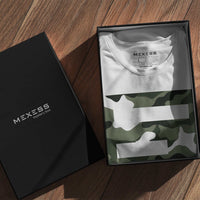
For people building a minimalist streetwear rotation, brands like MEXESS lean into that “fewer, better staples” approach with organic cotton basics designed to feel premium and stay wearable.
A good tee should make getting dressed feel automatic. Choose the one that earns its spot every time you open your drawer.
Leave a comment