
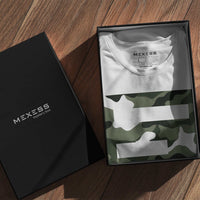

A good drop doesn’t just add “new.” It fixes the gaps you keep feeling at 8 a.m.—when you’re running late, grabbing the same hoodie again, and realizing your tees are either too thin, too loud, or already losing shape. That’s the real purpose of new arrivals streetwear essentials: not chasing novelty, but tightening your daily rotation with pieces that look intentional and feel better every time you put them on.
Streetwear is built on staples. The hype comes and goes, but the workhorses stay. The difference now is what we expect from those staples—clean silhouettes, premium hand-feel, and materials that don’t make you compromise your values.
Why new arrivals matter (when you buy essentials)
New arrivals are useful when they solve one of three problems: fit, fabric, or function. If a brand updates its core tee with better weight, tighter collar, or improved drape, that’s not “trend”—that’s progress. Same with a hoodie that finally nails a hood that sits right, or sweatpants that stop bagging out at the knees.The trade-off: a “new arrival” can also be an experiment. Early runs sometimes change after feedback, and colors can vary by batch depending on dye and fabric source. If you like predictability, stick to proven silhouettes and use new arrivals to refresh color and layering—not to gamble on a wild new cut.
The foundation: T-shirts that don’t fold after one wash
The T-shirt is the center of everyday streetwear. If the tee is weak, everything feels off—your overshirt looks sloppy, your hoodie feels bulky, your fit looks like you tried too hard.Look for a fabric that has enough weight to drape cleanly without feeling stiff. Organic cotton tends to feel smoother against skin and is easier to wear for long days, but “organic” alone doesn’t guarantee quality. The knit, the weight, and the finishing matter. A premium tee should hold its shape at the neck, stay consistent in length, and avoid that twist seam effect after washing.
Fit depends on how you actually get dressed. If you layer constantly, a slightly roomier tee gives you flexibility. If you like a sharp, minimal look, choose a tee that sits close at the neck and shoulders and falls straight through the torso.
Hoodies and sweatshirts: the texture test
A hoodie can look perfect on a product page and still disappoint the moment you put it on. The quickest way to judge a new arrivals hoodie or sweatshirt is texture: does it feel dense and plush, or airy and cheap? That “premium feel” usually comes from fabric weight and a tighter knit that resists pilling.There’s also a silhouette decision hiding in plain sight. A classic streetwear hoodie has a little room through the chest and sleeves, with a hem that doesn’t flare. A more tailored hoodie can look cleaner under a coat but may feel restrictive if you size down too far.
It depends on your week. If you commute, travel, or live in AC-heavy spaces, you’ll wear that hoodie more than you think—so the inside softness and breathability matter as much as the exterior.
The polo upgrade: quiet streetwear with range
Polos used to read “country club” to a lot of people. In modern streetwear, the right polo is a quiet flex: clean collar, minimal branding, solid color, and a fit that works with denim, cargos, or tailored pants.New arrivals are especially worth watching here because the details change everything—collar structure, placket stiffness, and how the fabric sits when untucked. If you want one piece that can do campus, a casual office, and a night out without switching your whole vibe, a premium cotton polo is hard to beat.
The trade-off: polos can feel “too put together” if the rest of your rotation is loud. If your style leans graphic-heavy, go simple everywhere else and let one statement piece carry the fit.
Outerwear that earns its place
Outerwear is the most visible piece in your outfit for half the year. That makes it tempting to buy something bold. But essentials-first streetwear does better with outerwear that locks in a silhouette and plays well with what you already own.A clean jacket or overshirt should do two things: layer easily and keep its shape. Look for sturdy seams, a collar that sits flat, and cuffs that don’t stretch out. If you’re building from new arrivals, choose outerwear in a neutral tone first—black, charcoal, olive, or stone—then add color once your core is set.
This is also where sustainability choices matter. If you’re buying fewer pieces overall, each purchase carries more weight. Choose construction that lasts, not just a look that photographs well.
Fabric and ethics: how to spot the “real” upgrade
If you care about sustainability, “eco-friendly” can’t be a vibe—it has to show up in decisions you can feel.Organic cotton is a strong starting point because it supports cleaner farming practices and can reduce exposure to harsh chemicals. For you, the shopper, the practical benefit is comfort: softer hand-feel, easier all-day wear, and fewer itch-factor surprises.
But don’t ignore the basics of quality. Pay attention to fabric weight, stitching density, and finishing. A well-made essential should survive repeat wear without turning into a “house shirt.” And if you’re trying to buy better (not just buy more), prioritize pieces that won’t lose their structure after a month.
Fit strategy: build a rotation, not a pile
New arrivals streetwear essentials hit harder when you think in outfits instead of items. The goal is a tight set of pieces that swap easily.Start with your most repeated formula. If you wear tee + hoodie + cargos five days a week, then your first “new arrivals” add should be a tee that fits perfectly and a hoodie that feels premium. If you’re more tee + overshirt + denim, put your money into the tee and the layer.
Then decide your silhouette lane:
- Relaxed and easy: slightly oversized tee, roomy hoodie, straight-leg bottoms.
- Clean and minimal: closer-fitting tee, structured sweatshirt, tapered or straight pants.
Color: keep it tight, then add one punch
Color is where people overbuy. A closet full of “almost goes with everything” is how you end up back in the same black hoodie.If you want essentials that actually get worn, anchor your new arrivals around a simple base: black, white, heather gray, navy, and one earth tone (olive, sand, or brown). Then add one accent color you can repeat across seasons—like washed red, muted blue, or a deep green.
It depends on your lifestyle. If you do a lot of photos, events, or nights out, you can justify more statement colors. If you just want daily reliability, neutrals are the cheat code.
Care and longevity: the part nobody wants to talk about
If you’re investing in premium casualwear, wash habits matter. The goal is to protect shape and color.Cold wash and low heat drying help reduce shrink and keep collars from getting wavy. Turning pieces inside out helps preserve the exterior finish, especially on darker colors. And if you’re buying organic cotton essentials, treat them like the long-term staples they’re meant to be, not disposable tees.
A strong return policy also reduces friction when you’re testing a new fit. If you’re unsure between sizes, choose the one that matches your layering plan instead of defaulting to “bigger is safer.” Bigger is only better if it still sits correctly at the shoulders.
How to shop the drop without regret
New arrivals can trigger impulse buying—especially when you’re trying to catch a size before it sells out. A cleaner approach is to use a simple filter: will this piece replace something worn out, or upgrade a repeat outfit?If the answer is yes, it’s probably an essential. If it’s just “I don’t have that color,” pause and check whether you already own three versions of the same function.
When you want a rotation that balances iconic streetwear styling with organic materials, keep your essentials tight and let the quality do the talking. Brands like MEXESS build around that idea—timeless silhouettes, premium comfort, and a sustainability-forward fabric story—so a “new arrival” feels like a real wardrobe upgrade, not a random add-to-cart.
A helpful way to think about it: your best streetwear doesn’t announce itself. It shows up every week, fits the same after months, and makes getting dressed feel automatic. That’s the standard your next drop should meet.
Leave a comment