
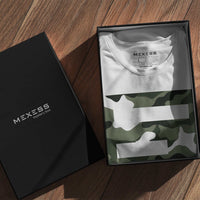

That hoodie you keep reaching for? You know it by the way the cuffs sit, how the hood frames your face, and whether it looks sharp or sloppy five minutes after you throw it on. Streetwear hoodies are supposed to be easy—but the best ones are quietly technical: fabric quality, weight, construction, and fit all decide if it becomes a daily uniform or a back-of-closet “almost.”
Organic cotton streetwear hoodies are the same story, just with higher standards. You’re not only buying a silhouette. You’re buying comfort, longevity, and a material choice that aligns with the way you want your wardrobe to feel and what you want it to stand for.
What makes a hoodie “streetwear” (not just a sweatshirt)
Streetwear isn’t a logo contest. It’s proportion, attitude, and repeat-wear versatility. The hoodie is the centerpiece because it does the most with the least: it reads intentional with jeans, cargos, or wide-leg pants, and it works under a jacket without turning into a bulky mess.A real streetwear hoodie usually hits a few marks. The fit is either clean and structured or deliberately oversized—rarely “randomly baggy.” The hood has shape (not flimsy), the ribbing holds its line, and the body fabric has enough weight to drape instead of cling. Even when the design is minimal, the hoodie still looks like a choice.
Organic cotton doesn’t change the streetwear formula. It just raises the bar on the fabric side, which is where a lot of hoodies lose.
Why organic cotton changes the feel (and the wear)
Most people come to organic cotton for the values. They stay for the hand-feel.Organic cotton fibers often translate to a softer, more breathable hoodie that doesn’t feel plasticky or overly treated. When you’re wearing something for long hours—class, travel days, work-from-anywhere—breathability and skin comfort are the difference between “cozy” and “get this off me.”
It also shifts how the hoodie ages. A better cotton base tends to break in like denim: it gets more personal, not more tired. You’ll still get wear patterns—because that’s real life—but the goal is a hoodie that keeps its shape and stays presentable after repeated washes.
There’s a trade-off, and it’s worth saying out loud: if you’re used to heavy synthetic blends that feel indestructible, a 100% cotton hoodie can feel less “armored.” Cotton prioritizes comfort and breathability. Durability comes from knit density, yarn quality, and construction, not from adding a lot of plastic fibers.
The fabric details that actually matter
If you’re shopping organic cotton streetwear hoodies, the product page can look like a wall of terms that all sound good. Here’s what separates meaningful details from filler.Weight: light, mid, or heavy—pick the one you’ll wear
Hoodie weight is the easiest way to predict how it will perform.A lighter-weight organic cotton hoodie is the move for layering and year-round use in warmer climates. It’ll feel breathable and easy, but it may not give you that structured streetwear drape unless the knit is dense.
Midweight is the everyday sweet spot. It works indoors, outdoors, and under outerwear. If you only want one hoodie that does it all, start here.
Heavyweight is for that premium “holds its shape” look. It can feel more elevated and looks especially clean with minimal branding. The downside is obvious: it’s warm, it’s bulky, and it can be overkill if your life is mostly indoors.
Fleece vs. French terry: the inside matters
Fleece-lined hoodies are the classic cozy choice. They feel warm, soft, and winter-ready. French terry has looped texture on the inside that feels lighter and more breathable—great if you run hot or want a cleaner, less lounge-coded feel.Neither is “better.” Fleece is comfort-forward. French terry is versatility-forward.
Blend or no blend: know what you’re optimizing for
A 100% organic cotton hoodie keeps the experience natural—soft, breathable, and straightforward to wear. A small blend can improve recovery (how well it bounces back) or reduce wrinkling, but it can also change the feel and how it ages.If you care most about a crisp silhouette that keeps its shape, you might prefer a fabric with better recovery and structure. If you care most about a natural hand-feel and breathability, you’ll likely lean toward higher cotton content.
Construction cues: the “premium” tells
Two hoodies can both say “organic cotton” and still land in totally different leagues.Look for details that signal intention: a hood that isn’t thin and droopy, ribbing that looks tight (not stretched out on day one), and stitching that feels clean. A quality hoodie holds its seams flat, sits evenly at the hem, and doesn’t twist after washing.
Fit: the streetwear decision you can’t fix later
Fabric can be incredible, but if the fit is off, you won’t wear it.The clean fit (not tight, not oversized) is the most versatile. It works with slim or straight denim, tailored joggers, and under jackets without fighting the layers.
The oversized fit is the streetwear favorite when you want shape through volume. The key is proportional oversizing: wider through the body and shoulders, with sleeves that stack right and ribbing that still anchors the look.
Cropped streetwear fits can look sharp with high-waist pants, but they’re a specific choice. If you want one hoodie to live in, a standard length with a slightly relaxed body tends to get the most wear.
If you’re between sizes, it depends on the silhouette you want. Size up when you’re chasing that drape and layering space. Stay true-to-size when you want a cleaner line and less bulk.
Color and graphics: minimal doesn’t mean boring
Organic cotton streetwear hoodies shine in neutral palettes because the fabric and construction are doing the talking. Black, heather gray, and washed tones can look especially premium when the hoodie has weight and structure.If you do graphics, treat them like design—not decoration. A small, iconic mark can feel timeless. Large prints can be the whole point, but they also date faster and can limit how often you reach for it.
The real move is building a rotation: one minimal hoodie you can wear anywhere, plus one statement piece for days when your outfit needs a focal point.
Care: how to keep the hoodie looking new without babying it
A premium hoodie should fit your life, not become a dry-cleaning project.Wash cold and avoid aggressive heat. Heat is the fastest way to shrink cotton and stress ribbing. Turn it inside out to protect the surface and any graphics. If you can air-dry, do it—your hoodie will keep its shape longer. If you must use a dryer, go low and pull it out before it’s fully cooked.
Also: don’t over-wash. If it’s not stained and you wore a tee underneath, letting it breathe between wears can extend the life and keep the fabric feeling better.
How to style organic cotton streetwear hoodies (without trying too hard)
The best streetwear outfits look inevitable—like you didn’t spend time on them, even if you did.For a clean everyday uniform, pair a structured hoodie with straight-leg denim and simple sneakers. Keep the colors tight: black/gray/cream, or earth tones with one contrasting element.
For a more modern, fashion-forward silhouette, go oversized on top and keep the bottom intentional: cargos with a crisp taper, or wide-leg pants with enough weight to balance the hoodie. The hoodie should drape; the pants should anchor.
For layering season, a hoodie under a bomber, denim jacket, or overcoat is the easiest way to look put-together fast. The hood should sit cleanly behind your neck and not collapse into a wrinkled triangle—this is where hood structure pays off.
What “sustainable” should mean when you’re buying a hoodie
A hoodie can claim a lot. Your job is to translate claims into something you can trust.Start with the material: organic cotton is a strong signal, but it’s not the whole story. Construction matters because the most sustainable hoodie is the one you wear for years.
Then think about your buying behavior. If you’re buying a hoodie as a trend hit and it’s done in a season, the fabric choice can’t save that. If you’re choosing a piece that becomes a repeat staple—something that works across fits and settings—you’re aligning style and values in a way that actually sticks.
If you want a minimal, premium-feel take on organic streetwear essentials, MEXESS builds wardrobe staples around timeless design and everyday comfort at https://mexess.com.
The real checklist: how to choose the one you’ll actually wear
The best organic cotton streetwear hoodie is the one that fits your climate, your schedule, and your style defaults.If you’re always on the move, prioritize midweight fabric, breathable interior, and a fit that layers easily. If you want that elevated streetwear look, prioritize structure—heavier weight, strong ribbing, and a hood that holds its shape. If you’re sensitive to fabric feel, prioritize higher cotton content and a softer finish.
And be honest about your rotation. One hoodie that looks good three different ways is more valuable than three hoodies you kind of like.
Closing thought: pick a hoodie you’ll wear on your most normal day—not your most ideal one. That’s where “timeless” gets real.
Leave a comment