

Most people assume sustainable fashion starts and ends with fabric choice. Pick organic cotton, avoid synthetics, done. But that framing misses the bigger picture entirely. A garment’s environmental footprint is built across every stage of its life, from the field where fibers are grown to the landfill where worn-out pieces eventually land. Lifecycle thinking reframes how we shop, what we keep, and what we do when something is no longer wearable. This article breaks down each stage, compares real material impacts, and gives you a practical framework for building a wardrobe that is genuinely sustainable, not just labeled that way.
Key Takeaways
| Point | Details |
|---|---|
| Lifecycle drives impact | Sustainable fashion requires considering the full product lifecycle, not just the fabric. |
| Material choices matter | Organic, recycled, and low-impact fibers each have unique trade-offs influencing overall sustainability. |
| End-of-life is critical | What happens after you’re done wearing an item can be as important as how it was made. |
| Choose minimal, durable basics | Focusing on quality and versatility helps reduce waste and maximize wardrobe sustainability. |
What is the apparel product lifecycle?
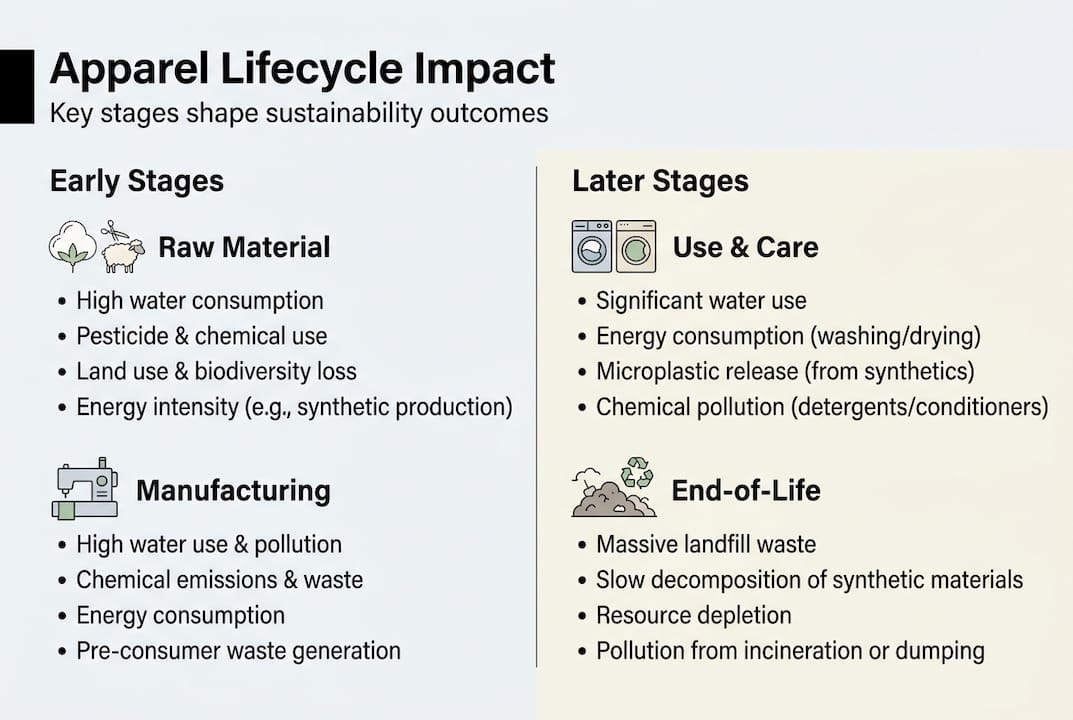
The product lifecycle in fashion refers to the complete journey a garment takes from concept to disposal. It is not just about what something is made of. It covers every touchpoint: design decisions, raw material sourcing, manufacturing processes, transportation, how you wash and wear the piece, and finally, what happens when it reaches the end of its useful life.
Think of it in five connected stages:
- Raw material sourcing: Growing or extracting fibers (cotton fields, polyester from petroleum, flax farming)
- Production and manufacturing: Spinning, dyeing, cutting, and sewing into finished garments
- Distribution: Packaging, warehousing, and shipping to retailers or consumers
- Use phase: How often you wear it, how you wash it, and how long it lasts
- End-of-life: Donation, recycling, composting, or landfill
Each stage carries its own environmental costs. A piece made from organic cotton but washed in hot water every two days can actually accumulate a larger footprint over time than a synthetic blend worn weekly and cared for properly. That is the counterintuitive truth lifecycle thinking reveals.
The good news is that awareness is growing. The PLM market in apparel is expanding rapidly, driven by sustainability demands and digital tools that help brands track and communicate lifecycle data more transparently.
Pro Tip: When evaluating a brand, look beyond the “organic” or “recycled” label. Check whether they publish sourcing details, production standards, and any take-back or recycling programs. That transparency signals genuine lifecycle commitment.
Environmental impact: Where the lifecycle matters most
Not all lifecycle stages carry equal weight. The raw material stage is where the largest environmental damage typically occurs. Raw material extraction accounts for 43 to 45% of the apparel sector’s greenhouse gas emissions. That single number should change how you think about fabric selection.
But greenhouse gas emissions are only one metric. Chemical use, water consumption, and land degradation also vary dramatically by fiber. Here is how key materials compare:
| Fabric | GWP (raw stage) | Chemical use | Water use | End-of-life recyclability |
|---|---|---|---|---|
| Organic cotton | Moderate | Low | High | Good (biodegradable) |
| Recycled polyester | Low | Moderate | Low | Moderate |
| Flax (linen) | Low | Very low | Low | Good (biodegradable) |
| Silk | High | Low | Moderate | Poor |
| Conventional cotton | High | Very high | Very high | Good (biodegradable) |
43 to 45% of all apparel sector greenhouse gas emissions come from the raw material stage alone, making fiber choice the single most impactful sustainability decision a brand or consumer can make.
The trade-offs are real. Organic cotton reduces chemical load significantly compared to conventional cotton, but it still uses substantial water. Recycled polyester cuts raw-stage emissions, but it sheds microplastics during washing. Recycled cotton and flax consistently rank as lower-impact options in the raw material stage, while silk sits at the highest end of impact despite its natural origins.
Ranked from lowest to highest raw-stage environmental impact:
- Flax (linen)
- Recycled cotton
- Recycled polyester
- Organic cotton
- Conventional cotton
- Silk
For a deeper look at how organic and recycled cotton compare across the full lifecycle, the organic vs recycled cotton breakdown is worth reading before your next purchase.
Choosing the right materials for sustainable streetwear
Knowing the data is one thing. Translating it into actual wardrobe decisions is another. For minimalist streetwear, the goal is to choose pieces that perform well across the entire lifecycle, not just at the point of purchase.
Here is a practical comparison of the top fabrics for sustainable urban basics:
| Fabric | Style versatility | Sustainability score | Lifecycle strength |
|---|---|---|---|
| Organic cotton | High | Strong | Durable, biodegradable |
| Recycled cotton | Moderate | Very strong | Reduces waste, lower impact |
| Flax/linen | High (seasonal) | Very strong | Low input, biodegradable |
| Recycled polyester | High | Moderate | Microplastic concern |
| Conventional cotton | High | Weak | High chemical and water cost |
Research confirms that organic cotton has higher GWP per garment compared to recycled cotton, but its lower chemical use makes it a strong choice for skin-sensitive wearers. Recycled cotton reduces impacts in later lifecycle stages by diverting textile waste from landfill.
Here are four steps for selecting sustainable streetwear basics with lifecycle in mind:
- Prioritize low-input fibers first. Flax and recycled cotton offer the smallest raw-stage footprint for everyday pieces like tees and basics.
- Check for third-party certifications. GOTS (Global Organic Textile Standard) and OEKO-TEX cover both material and production standards across the lifecycle.
- Choose durable construction over cheap basics. A well-made organic cotton tee worn 200 times beats a budget piece worn 20 times, even if the latter costs less upfront.
- Match fabric to use pattern. High-wash items like tees benefit most from organic or recycled cotton. Lower-wash pieces like outerwear can tolerate recycled synthetics more sustainably.
Exploring sustainable streetwear fabrics in depth helps you match material choices to your actual lifestyle and washing habits. For a direct comparison of cotton types, the cotton types for streetwear guide breaks down what matters for urban basics specifically.
Pro Tip: Third-party certifications like GOTS or Cradle to Cradle cover more than just materials. They audit production conditions, chemical use, and sometimes end-of-life planning, giving you a fuller lifecycle picture in one label.
Beyond materials: The overlooked power of end-of-life
Most sustainability conversations in fashion stop at the point of sale. You bought the organic cotton hoodie. Job done. But the end-of-life stage is where a huge portion of textile impact accumulates, and it is also where individual choices can make the most difference.
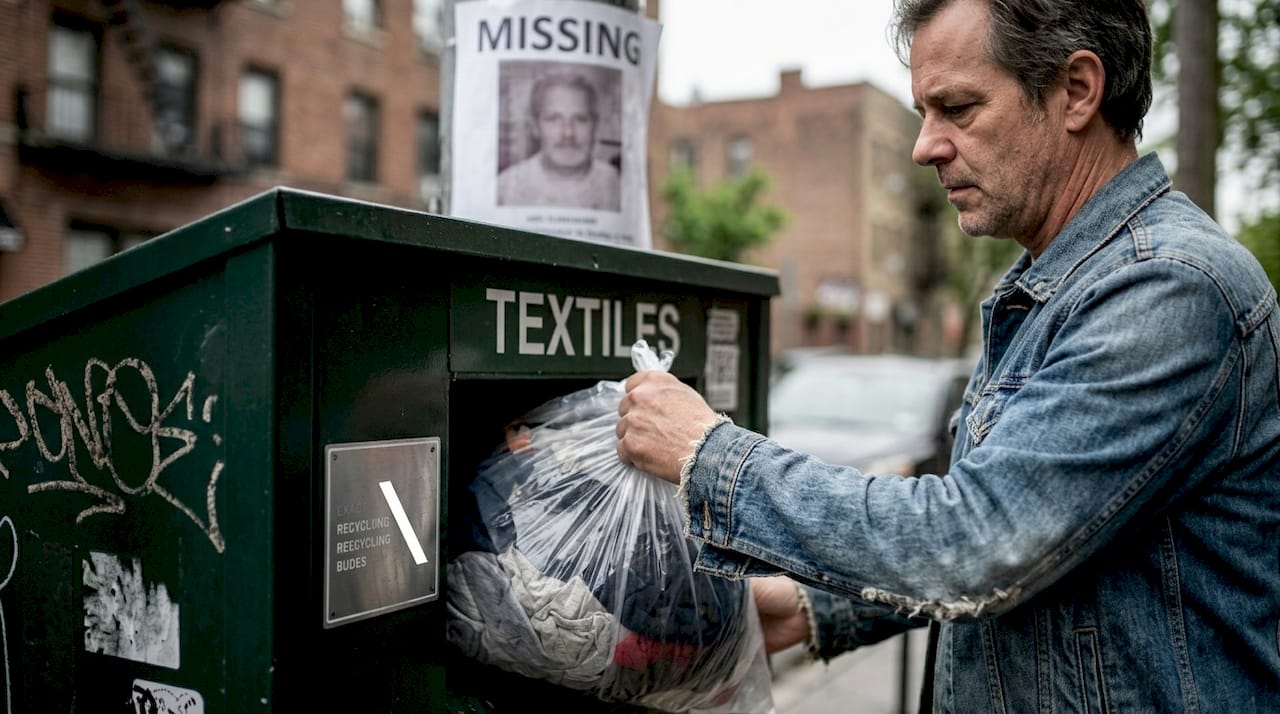
Here is the challenge: end-of-life data gaps are one of the biggest weaknesses in current Life Cycle Assessments (LCAs). Without reliable data on how garments are actually disposed of, it is nearly impossible to capture the full sustainability picture of any piece of clothing.
What you can do right now:
- Donate wearable items to local charities, clothing swaps, or resale platforms before assuming something is “done”
- Recycle through brand take-back programs where available, or use municipal textile collection points
- Upcycle creatively by repurposing worn tees into cleaning cloths, patches, or other functional items
- Compost natural fiber pieces that are truly at end-of-life, since organic cotton and linen break down without releasing synthetic residue
- Avoid fast disposal by repairing minor damage like loose seams or small holes before writing a piece off
The infrastructure for textile recycling in Europe is still developing. Brands that invest in reducing textile waste through design and material innovation are ahead of the curve. Look for brands that engineer pieces for disassembly or use mono-material construction, which makes fiber separation and recycling far easier.
For those building a minimalist wardrobe around recycled materials for streetwear, understanding end-of-life options for each fiber type helps you close the loop intentionally.
Pro Tip: When shopping, check if a brand offers a take-back or recycling program. Brands that do are signaling that they have thought beyond the sale, which usually means they have thought harder about the rest of the lifecycle too.
Why product lifecycle thinking beats trends for modern minimalists
Here is an uncomfortable truth about sustainable fashion marketing: most of it stops at the fiber. A brand calls something “eco-friendly” because it used organic cotton, and that label does real work in convincing conscious consumers. But timeless sustainable fabrics chosen with lifecycle awareness will always outperform trend-driven “green” pieces that are worn twice and discarded.
The minimalist wardrobe philosophy and lifecycle thinking are natural allies. When you buy fewer pieces and choose them with the full lifecycle in mind, you are not just reducing waste. You are opting out of the cycle that makes fast fashion profitable in the first place.
Chasing seasonal sustainability trends, like the fabric of the year or the certification du jour, often produces the same outcome as chasing regular fashion trends: overconsumption, short use cycles, and disposal. The real power move is anchoring your style in quality basics that you understand deeply, from where the fiber came from to what you will do with the piece when it finally wears out. That is what modern minimalism looks like when it is actually sustainable.
Discover sustainable streetwear made for you
Understanding the full lifecycle of a garment changes how you shop. It shifts the question from “is this organic?” to “does this piece hold up across every stage, from sourcing to end-of-life?”

At MEXESS, we build our collections around that exact standard. Our sustainable streetwear essentials are designed for real urban lifestyles, crafted from premium organic cotton, and built to last well beyond a single season. Whether you are putting together a capsule wardrobe or replacing a worn-out basic with something better, you will find pieces that match both your values and your style. Free shipping, 30-day returns, and transparent product details make it easy to choose with confidence.
Frequently asked questions
What is a Life Cycle Assessment (LCA) in apparel?
A Life Cycle Assessment in apparel measures a product’s environmental impact across every stage, from sourcing and manufacturing to use and disposal. LCA evaluates environmental impacts at each stage of a garment’s life to give a complete picture of its footprint.
Which material has the highest impact in sustainable apparel?
Silk has the highest raw-stage impact, while flax and recycled cotton consistently rank among the lowest-impact options in the raw material stage.
Why is end-of-life recycling important for sustainable fashion?
End-of-life recycling keeps textiles out of landfills and allows fibers to re-enter the production cycle, reducing the need for virgin raw materials. Recycling and upcycling at end-of-life are among the most effective ways to reduce the total textile waste footprint.
How can I tell if a brand follows lifecycle thinking?
Look for brands that openly share sourcing details, production standards, durability information, and end-of-life options like take-back programs or recycling partnerships. Transparency across all stages is the clearest signal of genuine lifecycle commitment.
Deixa um comentário