
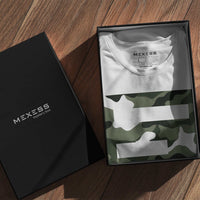

Choosing organic cotton can reduce water use by up to 91%, a critical factor for our water stressed cities. As urban consumers increasingly seek minimalist fashion that aligns with environmental values, understanding sustainable fabrics becomes essential. This article clarifies why sustainable fabrics matter beyond marketing claims, exploring environmental, ethical, and personal benefits that support modern city lifestyles and conscious wardrobes.
Table of Contents
- Introduction To Sustainable Fabrics
- Environmental Benefits Of Sustainable Fabrics
- Health, Comfort, And Durability Advantages
- Social And Ethical Impacts Of Choosing Sustainable Fabrics
- Common Misconceptions About Sustainable Fabrics
- Framework For Selecting Sustainable Fabrics In Urban Minimalist Fashion
- Benefits Of Sustainable Fabrics For Minimalist And Urban Lifestyles
- Explore Premium Organic Cotton Basics At MEXESS
- Frequently Asked Questions About Sustainable Fabrics
Key Takeaways
| Point | Details |
|---|---|
| Pesticide Elimination | Sustainable fabrics like organic cotton cut pesticide use by up to 100%, protecting soil and water. |
| Resource Efficiency | Organic cotton uses 91% less water and emits 46% fewer greenhouse gases than conventional cotton. |
| Ethical Production | Certified sustainable fabrics ensure fair labor practices and ethical production standards. |
| Wardrobe Value | Durable, comfortable sustainable fabrics create versatile minimalist urban wardrobes that last. |
Introduction to Sustainable Fabrics
Sustainable fabrics represent textiles produced through methods minimizing environmental harm while supporting ethical labor practices. These materials prioritize renewable resources, reduced chemical inputs, lower water consumption, and transparent supply chains. For urban shoppers building minimalist wardrobes, sustainable fabrics offer a foundation for conscious consumption without sacrificing style or quality.
Organic cotton stands as the flagship example of sustainable fabric innovation. Unlike conventional cotton grown with synthetic pesticides and fertilizers, organic cotton relies on natural farming methods that regenerate soil health and protect ecosystems. This approach creates textiles that benefit both the planet and the people who wear them.
The motivation behind choosing sustainable fabrics extends beyond environmental protection. You gain access to materials free from harmful chemical residues, support farmers working under fair conditions, and invest in garments designed for longevity. For city dwellers embracing minimalist aesthetics, these fabrics deliver the clean lines and premium feel that define contemporary urban style.
Key characteristics of sustainable fabrics include:
- Grown without synthetic pesticides or GMO seeds
- Processed using non toxic dyes and finishes
- Produced under certified fair labor standards
- Designed for durability and extended garment life
- Traceable through transparent supply chains
Understanding these fundamentals helps you make informed choices that align your wardrobe with your values while enjoying superior comfort and style.
Environmental Benefits of Sustainable Fabrics
The environmental advantages of sustainable fabrics, particularly organic cotton, deliver measurable impact across multiple ecological dimensions. Conventional cotton farming ranks among the most pesticide intensive agricultural practices globally, but organic methods eliminate this chemical burden entirely. This shift protects water supplies, preserves biodiversity, and safeguards the health of farming communities.
Organic cotton production achieves pesticide reduction of 90 to 100% compared to conventional methods. Beyond chemical elimination, the energy footprint drops significantly. Organic cotton emits 46% fewer greenhouse gases during production, contributing meaningfully to climate action. For urban areas already grappling with air quality challenges, supporting these cleaner production methods makes practical sense.
Water consumption presents perhaps the most striking contrast. Choosing organic cotton fabrics reduces water consumption by up to 91%, critical for cities facing water scarcity. This efficiency stems from healthier soil that retains moisture naturally and eliminates water intensive chemical processing.

| Fabric Type | Water Use | Pesticide Use | GHG Emissions |
|---|---|---|---|
| Organic Cotton | 91% lower | 0% | 46% lower |
| Conventional Cotton | Baseline | High | Baseline |
| Synthetic Polyester | 40% lower | Medium | 70% higher |
Pro Tip: Look for GOTS (Global Organic Textile Standard) or OEKO TEX certifications on garment labels. These verify that environmental claims meet rigorous third party standards, protecting you from greenwashing while ensuring genuine sustainability benefits.
The cumulative environmental impact of your fabric choices extends far beyond individual purchases. Each organic cotton garment represents cleaner water, healthier soil, and reduced carbon emissions, creating tangible positive change through everyday wardrobe decisions.

Health, Comfort, and Durability Advantages
Beyond environmental benefits, sustainable fabrics deliver superior wearing experience through enhanced comfort, skin friendliness, and garment longevity. Organic cotton avoids the chemical residues found in conventionally grown textiles, making it ideal for sensitive skin and reducing irritation risks. This purity proves especially valuable for everyday basics worn directly against your body.
Consumer research reveals that urban consumers rate organic cotton 15% higher for comfort and quality compared to conventional alternatives. This preference stems from the fabric’s natural softness, breathability, and ability to regulate temperature, qualities that conventional processing often diminishes. For streetwear essentials like tees and hoodies, these comfort factors directly impact daily satisfaction.
Durability studies challenge the misconception that sustainable means fragile. Organic cotton fibers often equal or exceed the lifespan of conventional cotton because gentler processing preserves fiber integrity. The result is garments that maintain their shape, color, and texture through repeated washing and wearing, delivering better value over time.
Key comfort and durability benefits include:
- Chemical free processing eliminates skin irritants and allergens
- Natural fiber breathability improves temperature regulation
- Stronger fiber integrity resists pilling and breakdown
- Color fastness maintains appearance through extended wear
- Moisture wicking properties enhance all day comfort
Pro Tip: Extend your sustainable garments’ life by washing in cold water, air drying when possible, and storing folded rather than hung. These simple care practices preserve fiber quality while reducing energy consumption, multiplying your environmental and economic benefits.
The intersection of health, comfort, and durability creates clothing that feels better, performs longer, and supports your wellbeing, making sustainable fabrics practical choices for discerning urban consumers.
Social and Ethical Impacts of Choosing Sustainable Fabrics
The human dimension of sustainable fabrics reveals profound social benefits often overshadowed by environmental discussions. Fair labor practices embedded in certified organic cotton production support over 2 million smallholder farmers worldwide, providing stable incomes and safe working conditions. These standards transform fashion from an extractive industry into one that uplifts communities.
Certification systems like GOTS require comprehensive social criteria including fair wages, safe workplaces, and prohibition of child labor throughout the supply chain. This transparency empowers you to trace your clothing’s journey from farm to finished garment, ensuring your purchases support ethical treatment of every person involved in production.
Responsible supply chains prioritize long term relationships with farming communities, investing in education, healthcare access, and sustainable livelihoods. This approach builds resilience in agricultural regions while preserving traditional farming knowledge adapted to local ecosystems. Your fabric choices directly influence whether these communities thrive or struggle.
Key social and ethical criteria to seek:
- Third party certified fair labor standards
- Transparent supply chain documentation
- Living wages for all workers in production
- Safe working conditions free from exploitation
- Community investment programs supporting farmers
- Gender equity initiatives in textile production
The ethical dimension transforms clothing from mere consumption into meaningful participation in a more just global economy. When you choose certified sustainable fabrics, you vote with your wallet for dignity, fairness, and opportunity across borders and cultures.
Common Misconceptions About Sustainable Fabrics
Several persistent myths prevent wider adoption of sustainable fabrics despite strong evidence supporting their superiority. Addressing these misconceptions directly helps you make confident choices based on facts rather than outdated assumptions.
-
Myth: Sustainable fabrics are less durable than conventional options. Reality: Organic cotton and other sustainable materials often outlast conventional fabrics because gentler processing preserves natural fiber strength. Studies show comparable or superior durability, meaning your investment pays off through extended garment life.
-
Myth: Sustainable fabrics limit style options and look unfashionable. Reality: Modern sustainable textiles offer the same versatility, colors, and finishes as conventional fabrics. Leading streetwear brands prove that minimalist urban aesthetics and sustainability align perfectly, delivering clean silhouettes and contemporary style.
-
Myth: Higher initial prices make sustainable fabrics economically impractical. Reality: Lifecycle analysis reveals that durability and quality offset initial costs. You replace sustainable garments less frequently, reducing total spending while maintaining a curated wardrobe that serves you better.
-
Myth: Sustainability certifications are just marketing without real standards. Reality: Rigorous certification systems like GOTS enforce comprehensive environmental and social criteria through independent audits. These standards provide measurable accountability that marketing claims alone cannot match.
-
Myth: Individual fabric choices don’t make meaningful environmental impact. Reality: Collective consumer decisions drive industry transformation. When you consistently choose sustainable options, you signal market demand that influences production practices at scale, creating systemic change.
Understanding these realities equips you to advocate for sustainable fabrics confidently and help others move past misconceptions that delay positive change.
Framework for Selecting Sustainable Fabrics in Urban Minimalist Fashion
Navigating fabric choices becomes straightforward when you apply a structured decision framework balancing environmental impact, personal experience, and ethical production. This three pillar approach helps you evaluate options systematically while aligning purchases with minimalist values and urban lifestyle needs.
The Environmental Impact pillar examines water use, chemical inputs, energy consumption, and end of life biodegradability. Organic cotton excels here with dramatic reductions across all metrics. The Consumer Experience pillar evaluates comfort, durability, versatility, and aesthetic fit with your style. Premium sustainable fabrics deliver superior performance in daily wear. The Ethical Production pillar ensures fair labor, transparent supply chains, and community support throughout manufacturing.
Balancing price against lifecycle value reveals that sustainable fabrics generate economic benefits through lifecycle cost savings of up to 20% over five years. This calculation includes reduced replacement frequency, maintained appearance quality, and lower care costs, offsetting higher initial investment substantially.
| Criteria | Organic Cotton | Conventional Cotton | Synthetic Polyester |
|---|---|---|---|
| Environmental Impact | Excellent | Poor | Mixed |
| Comfort & Health | Superior | Good | Variable |
| Durability | High | Medium | High |
| Ethical Production | Certified | Uncertain | Uncertain |
| Lifecycle Cost | Best Value | Medium | Low Initial |
Practical selection criteria for your minimalist wardrobe:
- Verify third party certifications like GOTS or OEKO TEX
- Prioritize versatile basics that work across multiple outfits
- Choose neutral colors and timeless cuts for extended relevance
- Assess fabric weight and texture for your climate needs
- Consider brand transparency regarding supply chain practices
This framework empowers informed decisions that serve your style, values, and budget simultaneously, creating a wardrobe foundation built on quality rather than quantity.
Benefits of Sustainable Fabrics for Minimalist and Urban Lifestyles
Integrating sustainable fabrics into minimalist urban wardrobes amplifies the core principles of intentional consumption, quality focus, and personal style coherence. Premium organic cotton basics reduce replacement frequency by 20 to 30%, directly supporting the minimalist goal of owning less while enjoying more. This durability lets you invest in fewer, better pieces that serve you reliably.
The sensory experience of wearing high quality sustainable fabrics elevates daily confidence and satisfaction. Soft organic cotton tees, breathable hoodies, and comfortable sweatshirts become wardrobe anchors you reach for repeatedly. This reliability streamlines morning routines and eliminates decision fatigue, key advantages for busy city lifestyles.
Sustainable choices strengthen your personal identity as an ethical urban consumer who values substance over trends. This authenticity resonates in social and professional contexts where conscious consumption signals thoughtfulness and integrity. Your wardrobe becomes an extension of your values rather than contradiction to them.
Practical wardrobe benefits:
- Curated basics mix effortlessly for maximum outfit combinations
- Timeless designs remain relevant across seasons and years
- Quality materials maintain appearance without constant replacement
- Reduced consumption frees budget for meaningful experiences
- Simplified care routines save time and energy
The intersection of sustainability and minimalism creates powerful synergy. Each reinforces the other, guiding you toward thoughtful purchases that enhance rather than clutter your life. This approach transforms fashion from mindless consumption into intentional curation aligned with urban living realities.
Explore Premium Organic Cotton Basics at MEXESS
MEXESS translates sustainable fabric benefits into wearable urban essentials designed for the modern minimalist. Our premium organic cotton collection delivers the environmental responsibility, superior comfort, and ethical production you’ve learned about, crafted into streetwear basics that define contemporary city style.

Each piece reflects rigorous material selection and design refinement focused on versatility, durability, and effortless style. From foundational tees to statement hoodies, our curated range supports capsule wardrobes built on quality and conscience. Explore our guides on building elevated streetwear outfits and discover how organic cotton clothing transforms your daily wear. Ready to apply these principles? Our streetwear shopping essentials guide walks you through building a sustainable urban wardrobe that works.
Frequently Asked Questions About Sustainable Fabrics
Why is organic cotton better for the environment?
Organic cotton eliminates synthetic pesticides and fertilizers, protecting water quality and soil health while reducing greenhouse gas emissions by 46%. The 91% reduction in water use addresses critical resource scarcity facing urban populations globally.
Are sustainable fabrics more expensive in the long run?
No, sustainable fabrics deliver superior lifecycle value through enhanced durability and reduced replacement needs. Studies show up to 20% cost savings over five years when accounting for extended garment life and maintained quality.
How can I verify sustainable fabric certifications?
Look for GOTS (Global Organic Textile Standard) or OEKO TEX labels on garment tags and verify certification numbers through official registry websites. These third party systems enforce rigorous environmental and social standards through independent audits.
Can sustainable fabrics be stylish and versatile?
Absolutely. Modern sustainable textiles offer identical aesthetic possibilities as conventional fabrics, supporting minimalist urban styles through clean cuts, quality finishes, and timeless designs. Leading streetwear brands prove sustainability and style complement perfectly.
What care tips prolong sustainable fabric garment life?
Wash in cold water to preserve fibers and colors, air dry when possible to prevent heat damage, and store folded rather than hung to maintain shape. These practices extend garment life while reducing environmental impact from care routines.
Dodaj komentarz