
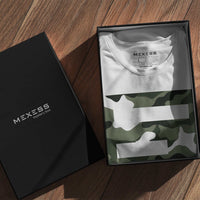

You can spot a solid streetwear outfit from across the room. Not because it is loud, but because it sits right on the body. The tee hits clean at the shoulder, the hoodie drapes instead of clinging, the pants break once and stop. It looks effortless, but it is built.
Streetwear is mostly basics. The difference is selection and restraint. If you have ever put on “the right pieces” and still felt off, it is usually one of three things: the fit is fighting you, the colors are competing, or the textures are flat. Fix those, and you can build outfits that feel premium even when the formula is simple.
How to build a streetwear outfit that works every time
Streetwear is easiest when you treat it like an outfit system: one strong base, one intentional layer, one grounding bottom, and one finishing choice that signals taste.Start with the role you need the outfit to play. Campus all day and cold classrooms? You need a layer that stays on. Work-from-anywhere coffee run to dinner? You need a clean silhouette that does not read like gym wear. Night out? You can push contrast and shape a little harder. The “best” streetwear fit depends on context.
Step 1: Pick your anchor piece
Your anchor is the item that sets the silhouette. Most days, it is either a heavyweight T-shirt, a hoodie, or an outer layer like a work jacket.A premium tee is the simplest anchor, but it has to hold its structure. Look for a neckline that stays tight, sleeves that do not flare, and fabric with enough weight to drape without going sheer. Organic cotton can be a quiet upgrade here: it tends to feel smoother against skin, and when the knit is done well, it holds shape and wears in instead of wearing out.
A hoodie becomes the anchor when weather or comfort is the priority. The trade-off is bulk. If your hoodie is oversized, your bottoms usually need either a straighter leg to balance or a deliberate taper to keep you from looking swallowed.
Outerwear anchors are the most “street” without extra effort. A clean overshirt, bomber, or utility jacket does the visual work. Keep what is underneath simple so the top layer reads intentional, not busy.
Step 2: Choose a silhouette on purpose
Streetwear is not one fit. It is a set of silhouettes that can look sharp or sloppy depending on proportion.If you are new, start with straight. A straight-leg pant with a slightly relaxed tee is hard to mess up and feels current without going extreme. If you like oversized tops, keep the bottom clean and structured, not skinny but not puddling. If you like baggier pants, keep the top closer to the body or cropped slightly so your shape does not disappear.
The easiest rule is this: pick one “relaxed” area and keep the other “controlled.” Relaxed hoodie with controlled pants. Relaxed pants with a controlled tee and a clean jacket. You can break the rule, but do it knowingly.
Step 3: Build your color story first, then add the “hit”
Color is where streetwear can turn into a costume fast. The cleanest approach is a tight palette: black, off-white, gray, navy, olive, and brown cover most fits. These colors also make sustainable basics easier to repeat because you can rewear pieces without feeling like you are repeating an outfit.If you want one statement element, earn it. Let one piece carry the “hit,” like a deep green hoodie, a washed black jacket, or a pop-color beanie. Keep the rest quiet. When everything is loud, nothing looks expensive.
Also consider undertones. If your whites are warm (cream, oatmeal), keep your browns and olives warm too. If your palette is cool (true white, charcoal, navy), stay in that lane. It is a small detail that reads “put together.”
Step 4: Use texture to make basics look premium
Most streetwear staples are solid colors, so texture does the heavy lifting. A brushed fleece hoodie hits differently than a thin sweatshirt. A heavyweight jersey tee reads elevated next to a flimsy cotton blend. Twill pants and a smooth tee give contrast without needing graphics.This is also where ethics and quality overlap. Better materials are not only more comfortable; they age better. Organic cotton, when paired with strong construction, tends to break in with softness instead of pilling into a worn-out look. You feel the difference daily, and your outfit looks intentional longer.
Step 5: Decide your footwear lane early
Shoes are not an afterthought in streetwear. They set the vibe.Low-profile sneakers sharpen an outfit and work well with straight-leg pants that hit at the ankle. Chunkier sneakers add weight and can balance wider pants or an oversized hoodie. Boots push you toward a more utilitarian look, which pairs well with workwear jackets, cargos, and darker palettes.
The trade-off is comfort versus shape. Chunkier shoes can feel heavy but they give proportion. Slim shoes are easy to wear but can look small if your pants are wide. If your pants have extra volume, your footwear usually needs some presence.
Step 6: Finish with one detail, not five
Streetwear accessories are powerful because they are simple. A cap, a beanie, a chain, a tote, a clean watch. Pick one or two and stop.The goal is not to show you own accessories. It is to create a focal point and keep the outfit from feeling like blank basics. If your outfit already has a strong layer, let that be the detail and keep accessories minimal.
Three outfit formulas you can repeat
Outfit building gets easy when you have a few formulas you trust. Use these as a baseline and swap colors or layers.The clean everyday fit
Start with a heavyweight tee in white, black, or washed neutral. Add straight-leg pants or clean denim with a medium rise. Finish with simple sneakers and one accessory, like a cap. If you want a layer, add an overshirt or a light jacket that matches your palette.This formula works because it is balanced. It reads grown, not try-hard. It is also the easiest to make more sustainable since every piece can be a repeat-wear staple.
The hoodie fit that still looks sharp
Pick a hoodie with structure, not a thin one that collapses. Pair it with controlled bottoms: straight pants, clean denim, or tapered cargos. Keep your color story tight. If the hoodie is dark, use slightly lighter pants for contrast, or stay monochrome and let texture separate the pieces.If you are worried about looking too casual, swap sweatpants for twill pants or denim. That one change keeps the comfort but raises the outfit.
The layered street fit
Use a simple base: tee or long sleeve. Add a mid-layer if needed, then finish with an outer piece like a bomber, work jacket, or overshirt. Keep the base neutral so the layering reads deliberate.Layering is where fit matters most. If your outerwear is boxy, keep the mid-layer slimmer. If your jacket is fitted, you can afford a slightly roomier hoodie underneath. You want mobility, not bulk.
The fit details that separate “good” from “dialed”
Small fit adjustments do more than adding another piece.Shoulder seams should land close to your shoulder bone unless you are intentionally going oversized. Sleeves should have a clean line and not bunch at the bicep. Pants should stack once or twice at most unless you are going for a heavy puddle look.
Pay attention to the collar. A stretched neckline makes even an expensive outfit look tired. The same goes for hems that twist or shirts that cling. Streetwear is relaxed, but it is not sloppy.
Streetwear with values: the quiet flex
If you care about sustainability, streetwear can work with you instead of against you. The style is built on repeatable staples. That is an advantage.Buy fewer pieces that you actually want to wear often. Choose better fabric when it affects comfort and longevity, like tees, hoodies, and sweatshirts. Keep your palette tight so everything mixes. When your wardrobe is cohesive, you stop impulse buying random statement items that only work once.
If you want a starting point for organic cotton staples with a clean, iconic streetwear silhouette, MEXESS is built around that exact lane: timeless design, premium feel, effortless comfort.
The best part is that value-led choices do not have to change your style. They just change what your style is made from.
Common mistakes that make streetwear look cheap
Logos are not the problem. Too many competing signals are.If your outfit has a graphic tee, loud shoes, and a bold jacket, nothing gets to be the hero. If your pants are wide and your hoodie is oversized and your shoes are slim, the proportions fight. If your blacks do not match, the outfit looks accidental instead of styled.
The fix is usually subtraction. Drop one loud element. Tighten the palette. Choose either baggy or oversized, not both, until you know how you like it on your body.
A helpful closing thought: build one outfit you can wear three different ways by changing only the layer or the shoe, then live in it for a week. That repetition trains your eye faster than buying more pieces ever will.
Leave a comment