

Spotting that perfect hoodie or tee is only half the story for eco-conscious shoppers demanding both style and sustainability. With organic clothing, every piece delivers more than just a trendsetting look—it reflects strict global standards that protect the planet from seed to final stitch. Discover how choosing organic clothing transforms your streetwear game and backs a movement for real change in fashion.
Table of Contents
- Organic Clothing Defined: What Sets It Apart
- Types of Organic Fabrics in Streetwear
- How Organic Clothing Is Made Responsibly
- Key Benefits for Wearers and the Environment
- Spotting Misconceptions and Greenwashing Risks
Key Takeaways
| Point | Details |
|---|---|
| Definition of Organic Clothing | Organic clothing is made from natural fibers under strict environmental and ethical standards, ensuring sustainability and minimal ecological impact. |
| Key Benefits | Wearing organic clothing provides health advantages and contributes to environmental sustainability by reducing toxic exposures and promoting fair labor practices. |
| Identifying Authentic Products | Consumers should seek certifications like the Global Organic Textile Standard (GOTS) to ensure genuine eco-friendly claims and avoid greenwashing. |
| Diversity of Organic Fabrics | Organic fabrics like cotton, hemp, and Tencel offer stylish options in streetwear while emphasizing durability and environmental responsibility. |
Organic Clothing Defined: What Sets It Apart
Organic clothing represents a revolutionary approach to textile production that goes far beyond traditional manufacturing methods. At its core, organic clothing is crafted from natural fibers grown and processed with strict environmental and ethical standards, ensuring minimal ecological impact and maximum sustainability.
The Global Organic Textile Standard defines organic textiles through comprehensive requirements that cover every stage of production. These standards mandate that organic clothing must be:
- Produced from non-GMO, chemical-free raw materials
- Grown on farms using sustainable agricultural practices
- Processed without toxic substances or harmful chemicals
- Manufactured with environmentally responsible techniques
- Certified through rigorous global inspection protocols
Unlike conventional clothing, which often relies on synthetic pesticides and environmentally destructive farming techniques, organic clothing prioritizes holistic environmental stewardship. The materials used - including organic cotton, wool, silk, and linen - are cultivated using methods that protect soil health, conserve water resources, and support biodiversity.
The certification process for organic clothing is remarkably stringent. Organic textile regulations typically require that garments meet specific percentage thresholds of organic fiber content and undergo comprehensive supply chain audits. This means consumers can trust that their clothing not only looks good but also represents a commitment to ecological responsibility.
Pro tip: When shopping for organic clothing, always look for official certification labels that validate the garment’s organic credentials and sustainable production methods.
Types of Organic Fabrics in Streetwear
Streetwear has undergone a significant transformation with the introduction of organic fabrics, offering style-conscious consumers environmentally responsible clothing options. Organic fabric selections have expanded dramatically, providing designers and consumers with sustainable alternatives that don’t compromise on quality or aesthetic appeal.
The most prominent organic fabrics in contemporary streetwear include:
- Organic Cotton: The classic staple, known for breathability and comfort
- Hemp: Extremely durable with minimal environmental impact
- Tencel: A sustainable wood-pulp derived fabric with exceptional softness
- Organic Wool: Perfect for layering and temperature regulation
- Bamboo Fabric: Naturally antimicrobial and incredibly lightweight
Each organic fabric brings unique characteristics to streetwear design. Sustainable streetwear fabrics are not just about environmental responsibility, but also about delivering high-performance materials that meet the demanding expectations of modern fashion enthusiasts. Organic cotton remains the most popular choice, offering a familiar feel with significant ecological advantages over conventional cotton production.
Beyond individual fabric properties, these organic materials represent a holistic approach to fashion that considers environmental sustainability, worker welfare, and product longevity. Recycled polyester blends and innovative organic textiles are reshaping how streetwear brands approach material selection, proving that style and sustainability can coexist seamlessly.
Here’s a concise comparison of popular organic fabrics used in streetwear:
| Fabric Type | Durability | Unique Strength | Fashion Appeal |
|---|---|---|---|
| Organic Cotton | Moderate, long-lasting | Widely available, versatile | Classic comfort and style |
| Hemp | Extremely robust | Minimal resource use | Textured, urban look |
| Tencel | Soft yet strong | Efficient water use | Luxurious drape |
| Organic Wool | Highly durable | Superior insulation | Premium layering |
| Bamboo Fabric | Lightweight, flexible | Naturally antimicrobial | Smooth, fluid silhouettes |
Pro tip: When shopping for organic streetwear, look for certifications like Global Organic Textile Standard (GOTS) to ensure authentic sustainable production.
How Organic Clothing Is Made Responsibly
The journey of organic clothing begins long before a garment reaches store shelves, with a meticulous production process that prioritizes environmental sustainability and ethical manufacturing. Global textile standards ensure that every stage of production meets rigorous ecological and social responsibility criteria.
Key components of responsible organic clothing production include:
- Sustainable Farming: Using non-GMO seeds and avoiding synthetic pesticides
- Chemical-Free Processing: Eliminating toxic substances during textile preparation
- Environmentally Friendly Dyeing: Utilizing low-impact, natural color treatments
- Fair Labor Practices: Ensuring safe working conditions and fair wages
- Minimal Environmental Footprint: Conserving water and protecting soil health
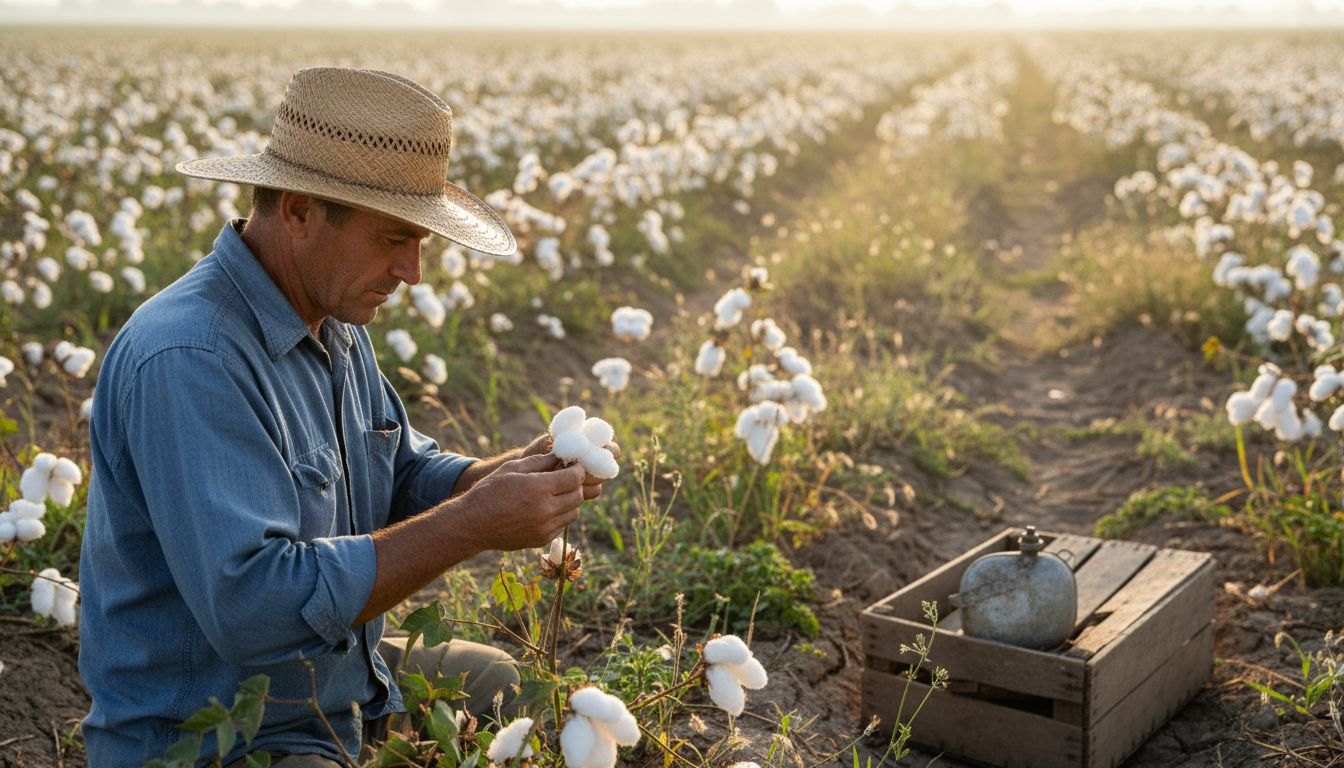
Organic cotton cultivation represents a cornerstone of responsible clothing production. The process begins with carefully selected organic seeds planted in soil maintained through natural fertilization methods. Unlike conventional cotton farming, organic approaches prohibit synthetic pesticides, instead utilizing natural pest management techniques that protect both ecosystem and crop health.
The manufacturing process continues with stringent quality controls, including third-party certifications that track every stage of production. From raw material selection to final garment construction, each step is designed to minimize environmental impact while maintaining the highest standards of textile quality and worker welfare.
Pro tip: Always check for Global Organic Textile Standard (GOTS) certification when purchasing organic clothing to ensure authentic sustainable production.
Key Benefits for Wearers and the Environment
Organic clothing offers a transformative approach to personal fashion and global sustainability, delivering profound benefits that extend far beyond traditional textile production. Sustainable clothing benefits encompass multiple dimensions of personal and environmental wellness, creating a holistic impact that resonates with conscious consumers.
Key advantages for wearers include:
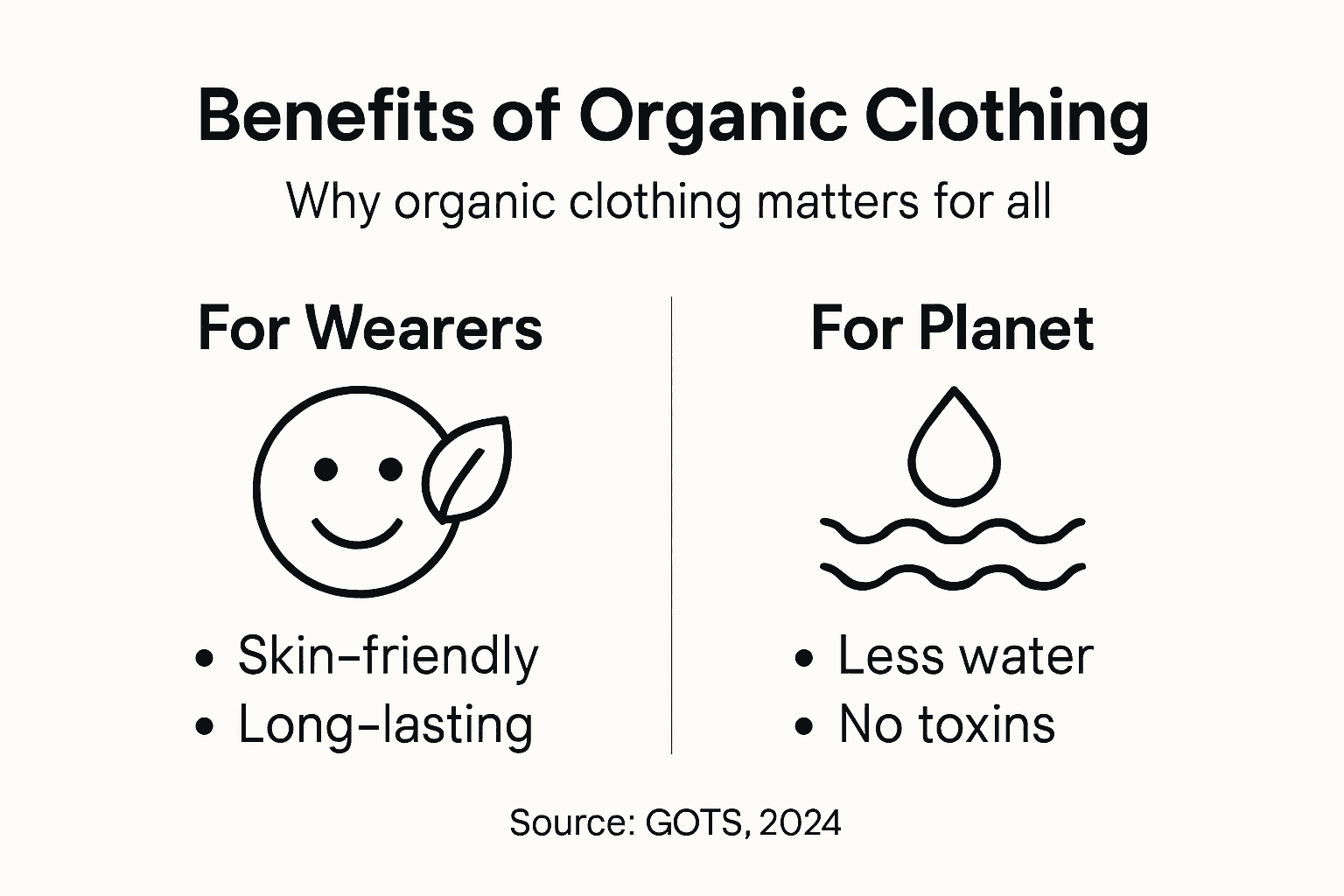
- Skin-Friendly Fabrics: Free from harmful chemical residues
- Hypoallergenic Properties: Reduced risk of skin irritation
- Superior Comfort: Softer, more breathable materials
- Longer-Lasting Garments: Higher quality, more durable textiles
- Personal Health Protection: Minimized exposure to toxic substances
Sustainable clothing production dramatically reduces environmental harm through responsible resource management. The ecological benefits are substantial, including significant reductions in water consumption, elimination of toxic chemical runoff, and preservation of soil biodiversity. By choosing organic clothing, consumers actively participate in a circular economy that prioritizes environmental restoration and ethical manufacturing practices.
Beyond individual benefits, organic clothing represents a powerful statement of environmental stewardship. Each garment becomes a tangible contribution to global sustainability efforts, supporting fair labor practices, reducing carbon emissions, and challenging traditional textile industry practices that prioritize profit over planetary health.
Below is a summary of how choosing organic clothing benefits both individuals and the planet:
| Benefit Category | Impact for Wearer | Impact for Environment |
|---|---|---|
| Health & Comfort | Reduces skin irritation | Decreases toxic residues |
| Durability | Longer-lasting garments | Less textile waste generation |
| Resource Efficiency | Enhanced breathability | Saves water and energy |
| Ethical Standards | Supports fair labor | Improves biodiversity |
Pro tip: Invest in versatile, high-quality organic pieces that can be mixed and matched to create multiple outfits, maximizing both sustainability and wardrobe efficiency.
Spotting Misconceptions and Greenwashing Risks
The world of sustainable fashion is increasingly complicated, with brands strategically marketing themselves as eco-friendly while potentially misleading consumers. Greenwashing in fashion has become a significant challenge for conscious consumers seeking genuine sustainable clothing options.
Common greenwashing tactics include:
- Vague Ecological Claims: Using broad, unsubstantiated environmental language
- Misleading Certifications: Creating fake or self-invented sustainability badges
- Partial Sustainability: Highlighting one eco-friendly aspect while ignoring broader environmental impact
- Distracting Marketing: Using green imagery and emotional language to deflect from actual practices
- Token Environmental Efforts: Making minimal changes while maintaining unsustainable core business models
Discerning authentic organic clothing requires careful investigation beyond surface-level marketing. Consumers should look for transparent supply chain information, third-party certifications like Global Organic Textile Standard (GOTS), detailed material sourcing explanations, and comprehensive sustainability reports that demonstrate genuine commitment to environmental responsibility.
Real sustainable fashion brands distinguish themselves through holistic approaches that go beyond superficial green messaging. They provide clear, verifiable information about their entire production process, worker conditions, material sourcing, and long-term environmental strategies, enabling consumers to make truly informed purchasing decisions.
Pro tip: Always research brand sustainability claims by checking independent certification bodies and reading detailed environmental impact reports before making a purchase.
Discover Authentic Organic Streetwear That Truly Matters
The article highlights the challenges of distinguishing genuine organic clothing from greenwashed products and underscores the importance of certified sustainable fabrics like organic cotton and hemp. If you want to avoid vague claims and experience the true benefits of eco-friendly streetwear, it is essential to choose brands committed to transparent production and verified certifications.
At MEXESS, we solve this problem by offering a carefully curated collection of streetwear made from authentic organic fabrics. Our sweatshirts, hoodies, and T-shirts meet stringent sustainability standards so you can enjoy comfortable, skin-friendly apparel crafted with the planet and your health in mind. Explore our new arrivals today and see why more eco-conscious consumers trust us for style without compromise.

Ready to make a real difference in your wardrobe? Visit MEXESS and shop with confidence knowing every item supports sustainable farming, chemical-free processing, and fair labor practices. Start your journey toward ethical fashion now and take advantage of free shipping and exclusive first-time buyer discounts at MEXESS. Choose organic streetwear that cares for the environment and your well-being with MEXESS.
Frequently Asked Questions
What is organic clothing?
Organic clothing is made from natural fibers grown without synthetic pesticides and processed without harmful chemicals, adhering to strict environmental and ethical standards.
What are the benefits of wearing organic clothing?
Wearing organic clothing offers numerous benefits including skin-friendly fabrics, hypoallergenic properties, superior comfort, longer-lasting garments, and reduced exposure to toxic substances. It also supports sustainable practices that benefit the environment.
How is organic clothing produced?
Organic clothing is produced through sustainable farming practices that avoid GMOs and synthetic pesticides, chemical-free processing methods, environmentally friendly dyeing, and fair labor practices to ensure worker welfare while minimizing environmental impact.
What should I look for when shopping for organic clothing?
When shopping for organic clothing, look for official certification labels like Global Organic Textile Standard (GOTS) that validate the garment’s organic credentials and sustainable production methods.
Recommended
- Top 8 Organic T-Shirts for Eco-Conscious Shoppers 2026 – MEXESS
- Top 8 Organic T-Shirts for Eco-Conscious Shoppers 2026 – MEXESS
- Top 8 Organic T-Shirts for Eco-Conscious Shoppers 2026 – MEXESS
- Top 8 Organic T-Shirts for Eco-Conscious Shoppers 2026 – MEXESS
- Sustainable Fashion for Men: Why It Matters – Vellure Homme
Leave a comment