
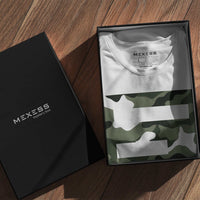

That moment when a T-shirt feels like a T-shirt - not a tissue - is usually about one thing: weight. Heavyweight fabric drapes cleaner, holds its shape, and looks intentional even with zero styling effort. Add organic cotton, and you get the same street-ready presence with a lighter footprint.
If you’re trying to buy the best heavyweight organic t shirt, the details matter more than the marketing. “Heavyweight” isn’t a vibe. It’s a measurable spec. “Organic” isn’t a color tag. It’s a supply chain choice. Here’s how to shop like you’ve done this before.
What “heavyweight” actually means (and why it hits different)
Heavyweight tees are typically measured in GSM (grams per square meter). The higher the number, the denser and heavier the fabric. That density changes everything: opacity, structure, durability, and how the shirt sits on your body.A lightweight tee can feel fine on day one but start to look tired fast - especially around the collar and hem. Heavyweight fabric resists that. It’s more stable, less clingy, and usually less see-through in lighter colors.
The trade-off is heat. If you live in a humid summer climate, the “best” option might be a mid-heavy tee for daily wear and a true heavyweight for nights, layering, and cooler months.
A quick GSM range that keeps you honest
Most tees land somewhere between 140 and 280 GSM.At roughly 140-170 GSM, you’re in lightweight territory: breathable, but easier to twist, pill, or go sheer.
Around 180-220 GSM is the sweet spot for a lot of people: substantial, still wearable year-round, and easier to layer.
From 230-280 GSM, you’re in true heavyweight: boxier drape, more structure, more warmth, and that premium “blank” feel streetwear is built on.
If a brand doesn’t list GSM, don’t panic - but treat it like a yellow flag. You can still infer weight from the knit, photos, and product language, but transparency is always a better sign.
What “organic cotton” should mean when you’re paying more
Organic cotton isn’t just about avoiding a few chemicals. It’s about farming standards, soil health, and typically tighter rules around what goes into the process.For you, the buyer, the practical benefits are usually these: a cleaner baseline for sensitive skin, fewer harsh finishing chemicals, and a product story that aligns with sustainability-forward style.
The trade-off is that “organic” alone doesn’t guarantee a better shirt. You can have organic cotton that’s thin, loosely knit, or poorly sewn. Organic is the material choice. Quality is the execution.
Certifications: helpful, not magical
If you see third-party certifications (like GOTS), that’s a strong signal the brand is doing more than printing “organic” on a hang tag. But even without a specific certification listed, you can still evaluate quality through construction and fabric specs.Focus on what you can verify: fabric weight, knit type, stitching, fit measurements, shrink expectations, and care instructions.
The fabric details that separate “nice” from “next-level”
When people say a tee feels premium, they’re usually reacting to a few concrete choices.Knit type: jersey vs interlock vs rib details
Most T-shirts are jersey knit. A heavyweight jersey can be excellent - structured but still flexible.Interlock (less common for classic tees) tends to feel smoother and more stable, sometimes almost “double-knit” in character. It can read more elevated but may feel warmer and less casual.
Then there’s ribbing, especially at the collar. A strong rib collar is one of the biggest predictors of whether your tee will still look crisp after 20 washes.
Yarn and hand feel: soft isn’t the only goal
A lot of brands chase “buttery soft” because it sells fast. But extreme softness can come from aggressive finishing that doesn’t always age well.The best heavyweight organic tees usually aim for a balanced hand feel: smooth enough to wear all day, but dry and substantial enough to hold shape. If it feels like it has some “body” in your hands, that’s a good sign.
Shrink and recovery: the quiet dealbreaker
Organic cotton tees can shrink if they’re not pre-shrunk or if the fabric wasn’t stabilized. Heavyweight fabric can hide minor shrinkage, but length loss and collar warping are hard to ignore.Look for clear guidance: pre-shrunk, garment-washed, or specific wash instructions. If a product page is vague, assume you’ll need to wash cold and avoid high heat drying.
Construction checks: how to spot a tee built to last
Fabric gets the attention, but construction is what keeps a heavyweight tee from turning into an expensive gym shirt.Stitching should feel clean and consistent, with no loose threads straight out of the package. Seams should sit flat, not twist around the torso. Hem lines should look even in product photos.
If you want a tee that holds its silhouette, pay attention to the shoulder and neck area. This is where cheaper shirts collapse.
For heavyweight tees, reinforced shoulder seams and a well-built collar often matter more than a flashy logo.
Fit: the “best” tee depends on how you wear it
Heavyweight fabric changes fit. It doesn’t cling the same way lightweight cotton does, so silhouettes read more deliberate.If you’re into streetwear proportions, a slightly boxy fit with a straighter body and a clean shoulder line is the move. It gives that iconic blank-canvas look that works with cargos, denim, or layered under an overshirt.
If you want a more classic fit, you can still do heavyweight - just make sure the body isn’t too wide and the sleeves don’t flare. In heavyweight fabric, small differences in pattern shape show up fast.
Sleeve and length matter more than you think
A good sleeve hits mid-bicep or slightly longer for a modern look, depending on your build.Length should cover the waistband without swallowing your frame. Oversized is a style choice. “Too long” looks accidental.
If you’re between sizes, the right call depends on your styling: size up for a relaxed drop-shoulder vibe, or stay true-to-size for a cleaner profile.
Color and dye: how heavyweight organic tees age
Heavyweight organic tees tend to age well because the fabric is dense. But dye and finishing still matter.Black tees can fade if the dye isn’t set well or if you wash hot. Whites should stay opaque and not go yellow quickly. Earth tones are usually the easiest to keep looking fresh.
If you want that worn-in look, garment-dyed heavyweight tees often develop character over time. If you want a cleaner, sharper look that stays consistent, go for piece-dyed or more standard dye processes - and wash cold.
When heavyweight is the wrong choice
It depends on your climate and your day.If you’re commuting in peak summer heat, a true heavyweight tee can feel like armor. Great for structure, not always great for comfort.
If you’re layering under a tight jacket, heavyweight can bunch. In that case, a mid-heavy organic tee is easier.
And if you care most about drape over structure, a lighter fabric may hang more fluidly. Heavyweight tees hold a silhouette. They don’t float.
A simple way to choose the best heavyweight organic t shirt for you
Start with the use case, not the label.If you want a daily driver, look in the 180-220 GSM range, with a strong collar rib and clean seams.
If you want that premium streetwear blank feel, aim higher - 230 GSM and up - and prioritize fit and neckline stability.
If you’re buying for sensitive skin, look for organic cotton plus minimal chemical finishing, and consider garment-washed options for comfort.
If you’re building a capsule, pick colors you’ll actually repeat: black, white, washed gray, and one muted tone that matches your outerwear.
And if you want a brand that treats this category like a staple, not a trend, start with a clean, product-first approach. MEXESS leans into that lane with organic streetwear essentials at https://mexess.com.
Care that keeps heavyweight tees looking new
Heavyweight tees can last, but they still respond to bad habits.Wash cold, inside out. Use a gentle cycle if your washer is aggressive. Skip heavy fabric softeners if you care about long-term structure.
Air drying is the easiest way to preserve collar and hem shape. If you do use a dryer, keep it low heat and pull the tee out before it’s fully bone-dry.
Most importantly: don’t overwash. Heavyweight tees don’t need a full reset after every short wear unless you actually sweat in them.
The goal: a tee that keeps its presence
The best heavyweight organic tee isn’t the one that feels impressive for five minutes out of the package. It’s the one you reach for on autopilot because it always looks right - clean collar, solid drape, no surprises after laundry day.Buy for your climate, your fit, and your standards. Then wear it hard. That’s what heavyweight is for.
Leave a comment