
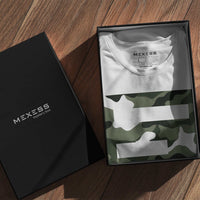

Your hoodie gets worn harder than almost anything else in your closet. It’s the layer you throw on for early flights, late runs to the store, post-gym cool-downs, and every off-duty look that still needs to feel put together. That’s why “eco-friendly” can’t just be a hangtag - if the fabric pills fast, the fit goes weird after two washes, or the inside turns scratchy, it ends up in the back of the drawer. Sustainability starts with a hoodie you actually keep.
This guide is built to help you find the best eco friendly hoodies for men without sacrificing streetwear standards: weight, structure, softness, and a fit that holds.
What makes a hoodie truly eco-friendly (and still worth wearing)
Most “green” claims fall apart when you look at what touches your skin and what survives laundry day. The best eco-friendly hoodie is usually a mix of better fiber choices, cleaner chemistry, and longer life.Start with the fiber. Organic cotton is the obvious win for comfort and familiarity, and it avoids a lot of the pesticide-heavy farming tied to conventional cotton. Recycled fibers (like recycled cotton or recycled polyester) can reduce waste and lower the need for virgin material, but the feel and durability depend on the blend and construction.
Then look at the dye process and finishes. Low-impact dyes and tighter chemical standards matter because they reduce the harsh stuff that can linger in fabric and wastewater. Brands won’t always spell this out on the product page, but better labels usually share at least the basics.
Finally, check the build. A hoodie that lasts three seasons is usually “greener” than one that’s technically eco but falls apart fast. Good knit density, reinforced seams, stable ribbing, and a hood that doesn’t collapse after a month are not small details.
The quick checklist: how to spot the best eco friendly hoodies for men
If you’re comparing hoodies across brands, you don’t need a lab test. You need a tight filter.Look for organic cotton or a recycled blend that’s transparent about percentages. A hoodie that says “sustainable materials” but hides the fiber content is a gamble.
Check the weight in GSM (grams per square meter) if it’s listed. Around 280-350 GSM tends to feel like a solid everyday hoodie. Above that usually leans heavyweight and structured. Lighter weights can be great for layering, but they’re more likely to stretch out.
Pay attention to the inside. Brushed fleece is soft and warm but can shed microfibers and pill if the knit is loose. French terry is cleaner and more breathable, with less fuzz, and often holds shape better.
Finally, sanity-check the ethics. “Made responsibly” is vague. Look for specifics: factory standards, wage commitments, or at least clear country-of-origin and certifications.
Best eco friendly hoodies for men: 11 options worth considering
No single hoodie wins for everyone. Fit preference, climate, and how you style it matter. Use these picks as a focused shortlist, then choose based on your daily wear.1) Organic cotton heavyweight pullover
If you want the classic streetwear silhouette with real structure, go for a heavyweight organic cotton fleece. The upside is warmth, durability, and a clean drape that works with cargos, denim, or tailored joggers. The trade-off is breathability - in warmer climates, it can feel like too much.2) Organic cotton French terry hoodie
French terry is the quiet MVP. It feels premium without being bulky, layers under a jacket without bunching, and usually holds shape longer than loose fleece. If you want one eco hoodie that works year-round, this is a strong default.3) Recycled cotton blend hoodie
Recycled cotton can be a smart choice when it’s done right, especially when blended for strength. You’re keeping textile waste in rotation, and the hand-feel can be slightly “dry” in a good way - more vintage, less plush. The trade-off is that recycled cotton can be less uniform, and low-quality versions pill faster.4) Organic cotton + recycled polyester fleece
This blend can balance softness, warmth, and durability. Recycled polyester adds resilience and can help the hoodie keep its shape. The trade-off is that any synthetic fiber can shed microplastics over time, so it’s not the cleanest option if you’re trying to keep your closet strictly natural.5) Undyed or low-dye natural hoodie
If you’ve ever noticed that some hoodies smell “chemical” out of the package, dye and finishing choices can be part of it. Undyed, garment-dyed, or low-impact dye approaches can reduce harsh processing and give you a muted, elevated color palette. The trade-off is fewer bright color options and sometimes a slightly higher price.6) Hemp-cotton blend hoodie
Hemp brings durability and a breathable texture that can feel cooler against skin. It’s a strong option if you run hot or you want a hoodie that doesn’t feel overly plush. The trade-off is softness - hemp blends can feel more textured at first, though they usually break in nicely.7) TENCEL (lyocell) blend hoodie
Lyocell blends can feel smooth and cool, with great drape. If you like a cleaner, modern look rather than heavy fleece, this can be a sharp pick. The trade-off is that ultra-soft knits can snag more easily, and the hoodie may feel less “armored” than classic streetwear fleece.8) Repair-friendly, minimalist hoodie
Some brands design for longevity with heavier thread, stronger cuffs, and simple panels that are easier to repair. Less hardware, fewer weird seams, and sturdy ribbing are underrated sustainability features. The trade-off is fewer design “extras” - but if you like timeless, that’s a win.9) Deadstock or upcycled limited-drop hoodie
Upcycled hoodies can be genuinely lower waste, especially when brands use existing fabric rolls that would otherwise sit or get trashed. You also get that limited-drop energy. The trade-off is consistency: sizing, color, and fabric feel can vary between batches.10) Fair trade-focused organic hoodie
If you care as much about labor standards as fabric, look for hoodies backed by credible labor certifications or clear factory partnerships. The trade-off is availability and price - better labor practices tend to cost more, and drops can sell out.11) Premium organic streetwear hoodie (everyday staple)
If your goal is one hoodie that anchors outfits all week, prioritize premium construction and fit. A clean, modern streetwear hoodie in organic cotton gives you the most wear-per-dollar and wear-per-impact. If you want a minimal, premium-feel option built around organic staples, you’ll see that approach across brands like MEXESS.Fit and feel: pick your hoodie like you pick sneakers
The “best” hoodie on paper can still look wrong if the fit doesn’t match your style.If you wear slimmer outerwear, a standard or slightly relaxed hoodie layers better and won’t fight your jacket. If you live in oversized silhouettes, size up intentionally and check the shoulder seam placement - a drop shoulder reads street, but too much drop can look sloppy.
Length matters more than people admit. A hoodie that ends right at the hip works clean with jeans. A slightly longer body works with joggers and wider-leg pants. Too long, and the proportions start pulling you toward “loungewear” instead of “streetwear.”
Don’t ignore the hood. A double-layer hood keeps shape and looks premium. Thin, single-layer hoods often collapse and can feel cheap even when the fabric is good.
Materials and trade-offs (the honest part)
If you’re hunting for the best eco friendly hoodies for men, you’ll run into a few real-world compromises.All-natural isn’t automatically better for every use case. Organic cotton is a strong default, but it can stretch if the knit is light and the ribbing is weak. Recycled synthetics can extend lifespan and reduce virgin plastic use, but they still shed. Hemp and lyocell can be more eco-leaning depending on sourcing and process, but the feel is different from classic fleece.
The right choice depends on how you wear it. If you want a hoodie for warmth and structure, a heavier organic fleece is hard to beat. If you want a daily layer for commuting, coffee runs, and indoor life, French terry may get worn more - which is its own sustainability win.
Care tips that keep an eco hoodie looking premium
Most hoodies don’t die from wear. They die from laundry.Wash cold, turn it inside out, and skip high heat when you can. Heat is what cooks ribbing, warps shape, and accelerates pilling. If you’ve got a brushed fleece you love, avoid over-washing and consider air-drying to keep the inside soft.
If the hoodie does pill, it doesn’t mean it’s ruined. A quick fabric shaver can reset the surface and extend the “new” look by months. That’s not a hack. That’s how you keep a better hoodie in rotation instead of buying another.
If you only buy one eco-friendly hoodie this year, buy the one you’ll reach for on a random Tuesday, not the one that wins a spec-sheet contest. Your style stays consistent. Your closet gets simpler. And the most sustainable hoodie becomes the one that earns its spot through wear.
Leave a comment