
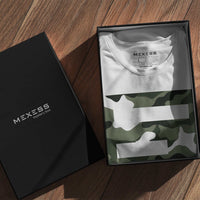

The polo sits in a rare sweet spot: cleaner than a tee, less stiff than a button-down, and still street enough to wear with sneakers. But not every “premium” polo earns that label. If you’ve ever had a collar that bacon-curled after two washes, a chest that pulled at the buttons, or fabric that felt scratchy by noon, you already know the difference comes down to material and build.
If you’re shopping for an organic cotton polo shirt men will actually reach for weekly, focus on a few details that decide how it looks at 9 a.m. and how it holds up at month nine.
Why organic cotton changes the feel (and the point)
Organic cotton is less about a buzzword and more about expectation setting. You’re choosing a fiber grown with stricter standards around chemicals and farming inputs. For you, that typically translates into two practical wins: comfort against skin and more confidence in what you’re supporting.Comfort is the easy part to understand. A good organic cotton polo tends to feel smoother and less “processed” when it’s knit well and finished properly. You still need quality construction, but starting with better cotton gives the brand more to work with.
The ethics side is real, but it’s not magic. Organic does not automatically mean fair labor, local manufacturing, or low-carbon shipping. It does mean the cotton itself is produced under a verified set of rules. If your values are part of your style, organic is a strong baseline, not the whole checklist.
The fabrics that show up in organic cotton polos
“Organic cotton polo” can mean a few different knits, and the knit decides the vibe.Pique: the classic polo texture
Pique is the textured, slightly raised knit you picture when you hear “polo.” It looks structured, breathes well, and holds its shape better than many jersey polos. If you want your polo to stay looking crisp enough for a casual office or dinner, pique is usually the move.Trade-off: pique can feel a touch rougher than jersey at first, especially in heavier weights. It often softens after a few washes.
Jersey: tee-shirt comfort in polo form
Jersey polos feel like your favorite heavyweight tee but with a collar. They drape more, look more relaxed, and lean streetwear by default.Trade-off: jersey can show wear faster if the fabric is too light or if the collar construction is weak. If you want a “clean” look all day, a flimsy jersey polo can lose its edge quickly.
Interlock or double-knit: smoother and more elevated
Interlock tends to be smoother, denser, and more refined. It’s a great option when you want a premium feel without looking preppy.Trade-off: denser knits can run warmer. If you live in a hot climate or want a summer-first polo, a lighter pique might breathe better.
Fit is the main thing people get wrong
Most polos fail in the fit, not the fabric. A men’s polo should look intentional with your regular rotation: denim, cargos, tailored trousers, or nylon track pants.Start at the shoulders. The seam should land at the edge of your shoulder bone. If it drops far down the arm, you’ll get a sloppy, oversized look. If it sits too high, the body will pull and the collar will never sit right.
Then check the chest and midsection. You want enough room to move without the button placket pulling open. At the same time, too much extra fabric in the stomach reads like “borrowed from 2012.” If you’re between sizes, decide which look you want: clean and fitted or relaxed and layered.
Length matters more than people admit. A polo that’s too long looks like a uniform; too short can ride up when you sit. A good everyday length hits around mid-fly and stays there when you move.
Collar, placket, and buttons: small details, big impact
The collar is where cheap polos show themselves.A better collar has enough structure to lay flat without looking stiff. If the collar is thin and floppy, it will curl. If it’s overly rigid, it can look costume-like.
The placket should lie flat and feel reinforced. If it puckers, it’s either poor construction or a fabric mismatch. Buttons should be securely stitched and ideally feel substantial, not flimsy.
Also watch the spacing. Too many buttons can look dated. Too few can feel overly minimal. The “right” number depends on the brand’s design language, but the goal is simple: it should look clean buttoned up or worn open.
Weight and season: pick the one you’ll actually wear
A lot of guys buy one polo and expect it to work year-round. Sometimes it does, but weight is the difference between a polo you live in and one you avoid.Lightweight polos are ideal for heat, travel, and layering under jackets. They’re also the easiest to wrinkle and the quickest to show wear if the knit is too thin.
Midweight polos are the safest everyday choice. They feel premium, hold shape, and work across seasons.
Heavyweight polos lean into streetwear. They look bolder, drape with intention, and can replace a light sweatshirt on cool days.
If you want one do-it-all piece, aim for midweight. If you’re building a rotation, pair one lightweight for summer with a heavier, structured option for fall.
Color strategy: build a rotation that makes outfits easy
If your closet is mostly tees and hoodies, the polo should slide in without forcing a style reset.Black is the easiest. It reads clean, works with any pant, and can look sharp with minimal effort. The trade-off is it can show lint and fade faster if the dye and fabric aren’t top-tier.
White looks premium and crisp, but it’s higher maintenance. You’ll notice stains faster, and you’ll care more about keeping it bright.
Navy, charcoal, and off-white are underrated. They keep the “elevated basic” energy but are more forgiving day to day.
If you want one statement color, pick something muted: forest, deep brown, or a washed tone. Loud colors can look great, but they can also date your outfit fast.
How to style an organic cotton polo without looking try-hard
The modern polo isn’t about looking preppy. It’s about structure and ease.With denim: Choose a straight or relaxed fit jean and keep the polo slightly structured. Add a clean sneaker and you’re done.
With cargos: A jersey or heavier knit polo works best. Let the silhouette do the work and keep accessories minimal.
With tailored pants: Go pique or interlock. Keep the polo fitted through the shoulders and avoid anything too long. This is the “work-from-anywhere” uniform that still feels like you.
Layered: A polo under a chore jacket or overshirt looks sharp if the collar holds its shape. If the collar is flimsy, it will fold weird and ruin the whole look.
Care that keeps it premium
You can buy the best organic cotton polo and still shrink it into a cropped top.Wash cold, inside out, and skip heavy detergent. High heat is the fastest way to ruin shape and fade color. Air drying is the safest, but if you use a dryer, go low heat and pull it out early.
If you hate ironing, choose a knit that naturally holds shape. Pique and interlock tend to look cleaner with less effort than thin jersey.
What to look for on a product page
You can’t touch the fabric online, so you read the signals.Look for clear fabric info (knit type and weight or at least a “midweight/heavyweight” description), fit guidance (model height and size), and close-up photos of the collar and placket. If a brand avoids those details, it’s usually for a reason.
Also check policies. A polo is fit-sensitive, and a simple return window matters. You should be able to test it at home with your real pants and shoes, not guess from a studio photo.
If you want a clean streetwear take on organic basics, MEXESS builds wardrobe staples with a premium feel and an ethics-forward fabric focus, plus straightforward online buying perks like first-order savings and 30-day returns.
When an organic cotton polo is not the right pick
It depends on your life and your climate.If you sweat heavily or you’re outside all day, you might prefer a performance fabric polo for moisture management. Organic cotton can breathe, but it won’t behave like technical synthetics.
If you need a strict business dress code, a polo might still be too casual. In that case, choose an Oxford or a knit button-down and keep the polo for weekends.
If you’re hard on clothes, prioritize durability details: denser knit, reinforced collar, and solid stitching. Organic cotton can last, but the construction has to match your lifestyle.
A polo is simple, which is exactly why the details matter. Choose a knit that matches your day-to-day, get the shoulders and length right, and buy the one that feels good enough that you stop overthinking outfits and just wear it.
Leave a comment