

Choosing streetwear that matches your vibe while respecting the planet can feel challenging when fast fashion is everywhere. For eco-conscious young men in cities, creating a wardrobe that reflects both style and responsibility starts with understanding your own values. Sustainable consumer behavior is all about making intentional choices that align with your ethics and the environment. This guide helps you navigate personal priorities, discover better brands, and build a streetwear collection that supports both your look and the world.
Table of Contents
- Step 1: Assess Your Streetwear Priorities
- Step 2: Research Sustainable Materials and Brands
- Step 3: Select Pieces Matching Your Style and Values
- Step 4: Verify Eco-Friendly Credentials and Quality
- Step 5: Maintain and Refresh Your Streetwear Responsibly
Quick Summary
| Key Insight | Explanation |
|---|---|
| 1. Assess Your Fashion Priorities | Evaluate your personal style, environmental impact, and ethical brands to guide your sustainable choices. |
| 2. Research Sustainable Materials | Focus on organic, recycled, and innovative fibers while looking for brands that prioritize genuine environmental practices. |
| 3. Verify Eco-Friendly Credentials | Confirm brands’ sustainability through certifications and transparent supply chains to ensure their commitment is real. |
| 4. Maintain Clothing for Longevity | Implement gentle washing, air drying, and basic repairs to extend the life of your streetwear and minimize waste. |
| 5. Curate Versatile, Quality Pieces | Choose high-quality, multi-functional garments in neutral tones to create a timeless wardrobe that reflects your style. |
Step 1: Assess Your Streetwear Priorities
Building an eco-friendly streetwear wardrobe starts with understanding your personal sustainability goals and fashion preferences. Consumer sustainability perspectives reveal that aligning lifestyle choices with environmental values requires thoughtful assessment.
To effectively evaluate your streetwear priorities, consider these key factors:
- Personal Style Alignment: Determine how sustainability fits into your fashion identity
- Environmental Impact: Understand the ecological footprint of your clothing choices
- Ethical Production: Research brands committed to fair labor practices
- Material Sustainability: Prioritize organic, recycled, and low-impact fabrics
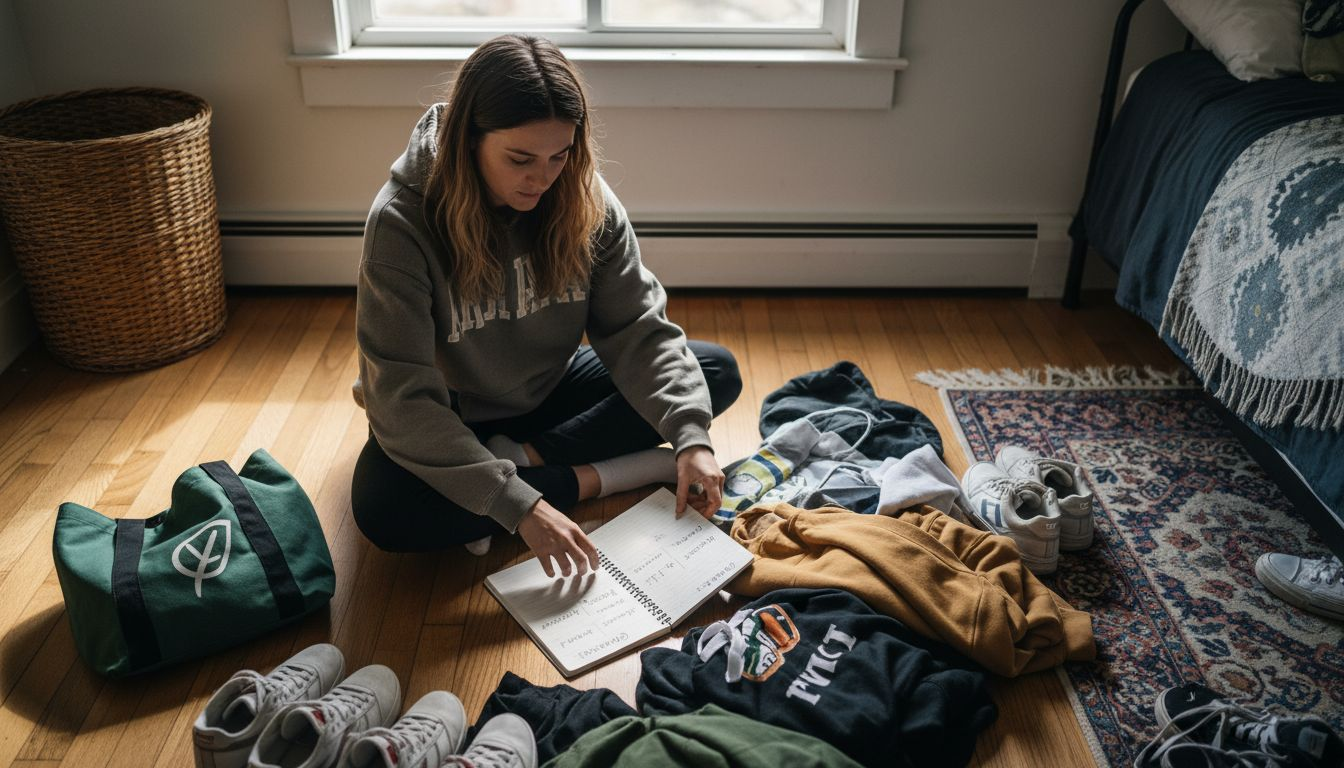
The process involves honest self-reflection about your fashion consumption. Analyze your current wardrobe and identify areas where you can make more sustainable selections. Look for pieces that offer versatility, durability, and minimal environmental impact.
Sustainable fashion is about making intentional choices that reflect both personal style and global responsibility.
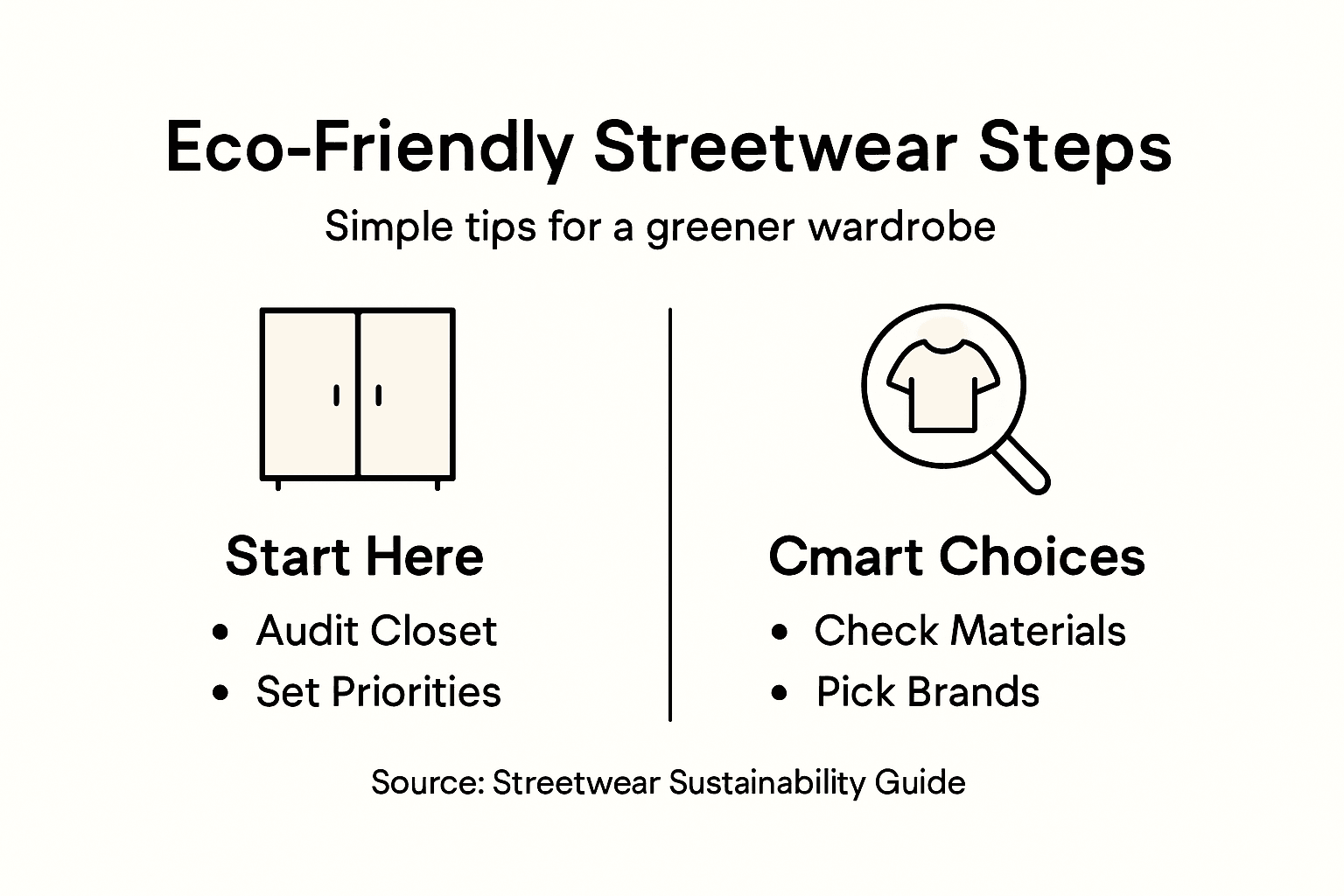
Pro tip: Start by auditing your existing streetwear collection, identifying which items align with your sustainability goals and which could be responsibly replaced.
Step 2: Research Sustainable Materials and Brands
Diving into the world of eco-friendly streetwear requires understanding the innovative materials and brands transforming fashion’s environmental landscape. Natural fiber-based sustainable textiles represent a crucial breakthrough in creating environmentally responsible clothing.
When researching sustainable streetwear materials and brands, focus on these key areas:
- Organic Cotton: Look for certified organic cotton with minimal water and pesticide usage
- Recycled Fabrics: Investigate brands using recycled polyester and nylon
- Innovative Fibers: Explore materials like bamboo, hemp, and Tencel
- Circular Design: Prioritize brands with take-back or recycling programs
Your research should go beyond surface-level marketing. Investigate brand transparency by examining their supply chain, manufacturing processes, and genuine commitment to sustainability. Check for third-party certifications like Global Organic Textile Standard (GOTS) or Bluesign that validate environmental claims.
Here’s a quick comparison of common sustainable streetwear materials and their unique benefits:
| Material | Environmental Benefit | Typical Use |
|---|---|---|
| Organic Cotton | Low water, pesticide reduction | T-shirts, hoodies |
| Recycled Polyester | Reduces plastic waste | Jackets, outerwear |
| Hemp | Rapid growth, little pesticide | Pants, tees, accessories |
| Tencel | Efficient closed-loop production | Shirts, joggers, linings |
| Bamboo | Fast renewable resource | Socks, underwear, tees |
Sustainable streetwear isn’t just about the fabric - it’s about supporting brands that genuinely prioritize environmental and social responsibility.
Pro tip: Create a spreadsheet to track and compare different sustainable streetwear brands, noting their specific environmental practices and material compositions.
Step 3: Select Pieces Matching Your Style and Values
Building an eco-friendly streetwear wardrobe means finding the perfect balance between personal aesthetic and sustainable principles. Sustainable streetwear styling emphasizes selecting pieces that reflect your unique identity while supporting environmental consciousness.
Consider these strategic approaches to curating your sustainable streetwear collection:
- Versatility: Choose multi-functional pieces that can be styled in multiple ways
- Color Palette: Select neutral tones for maximum mix-and-match potential
- Quality Over Quantity: Invest in fewer, higher-quality garments that last longer
- Personal Expression: Ensure each piece resonates with your individual style
Analyze your existing wardrobe to identify gaps and opportunities for sustainable replacements. Look for timeless designs that transcend seasonal trends, focusing on classic cuts and neutral colors that provide maximum styling flexibility.
Sustainable fashion is about creating a wardrobe that tells your story while respecting the planet’s resources.
Pro tip: Create a mood board of sustainable streetwear looks that inspire you, helping visualize how eco-friendly pieces can align with your personal style aesthetic.
Step 4: Verify Eco-Friendly Credentials and Quality
Cutting through marketing claims requires a strategic approach to understanding genuine sustainability in streetwear. Sustainable fashion certifications provide critical insights into a brand’s true environmental commitment by offering independent verification of their practices.
When verifying eco-friendly credentials, focus on these key validation methods:
- Official Certifications: Look for recognized labels like GOTS, Fair Trade, and Bluesign
- Transparency Indicators: Check for detailed supply chain information
- Material Sourcing: Investigate the origin and processing of fabric materials
- Third-Party Audits: Prioritize brands with independent sustainability assessments
Research brand backgrounds thoroughly by examining their sustainability reports, checking certification websites, and reading independent reviews. Pay attention to specific details about their manufacturing processes, environmental impact, and social responsibility initiatives.
Authentic sustainability goes beyond marketing - it’s about measurable, verifiable environmental and social commitments.
Pro tip: Create a standardized checklist of sustainability criteria to consistently evaluate and compare different streetwear brands.
Step 5: Maintain and Refresh Your Streetwear Responsibly
Sustainable streetwear goes beyond purchasing - it’s about extending the lifecycle of your clothing through mindful care and maintenance. Sustainable consumer behavior emphasizes responsible clothing practices that minimize environmental impact and preserve your favorite pieces.
Implement these strategies to maintain and refresh your eco-friendly streetwear:
- Gentle Washing: Use cold water and eco-friendly detergents
- Air Drying: Reduce energy consumption by avoiding machine drying
- Repair Skills: Learn basic mending techniques to extend garment life
- Responsible Storage: Protect clothing from damage and unnecessary wear
Develop a comprehensive care routine that prioritizes longevity over quick replacements. This means investing time in proper cleaning, storing, and occasional repair of your streetwear pieces. Consider learning basic sewing skills or supporting local tailors who can help extend the life of your favorite items.
The following table summarizes practical ways to extend the life of your streetwear while minimizing environmental impact:
| Practice | Benefit | Result |
|---|---|---|
| Gentle Washing | Reduces fiber breakdown | Longer garment lifespan |
| Air Drying | Cuts energy usage | Lower carbon footprint |
| Repairing Damage | Prevents early disposal | Less textile waste |
| Responsible Storage | Avoids unnecessary wear | Maintains garment quality |
Sustainable fashion is a continuous journey of mindful consumption and intentional care.
Pro tip: Create a dedicated care kit with eco-friendly detergents, gentle brushes, and basic repair tools to maintain your streetwear collection effectively.
Elevate Your Eco-Friendly Streetwear Journey with MEXESS
Building a sustainable wardrobe can feel overwhelming when faced with choices about materials, brand transparency, and style alignment. The article highlights the challenge of finding streetwear that balances personal expression with genuine environmental responsibility. At MEXESS, we understand your goals to prioritize organic fabrics, ethical production, and versatile, long-lasting designs. Our curated collection of sweatshirts, hoodies, and T-shirts showcases carefully selected pieces made from sustainable materials that support your eco-conscious lifestyle.

Discover how easy it is to create a stylish green wardrobe by exploring new arrivals that meet strict eco-friendly standards on MEXESS. Benefit from trusted customer reviews, seamless shopping, and exclusive discounts available now. Take the first step toward transforming your streetwear choices by visiting our store and experience fashion that respects both your style and the planet. Don’t wait to embrace sustainability with flair—shop today to make a meaningful impact.
Frequently Asked Questions
How can I assess my streetwear priorities for sustainability?
To assess your streetwear priorities, start by analyzing your personal style and consider how sustainability fits into it. Reflect on the environmental impact of your clothing choices, research ethical production practices, and prioritize sustainable materials. Identify which items in your wardrobe align with your values and plan to replace the rest responsibly.
What sustainable materials should I look for when choosing streetwear?
Look for materials like organic cotton, recycled fabrics, and innovative fibers such as bamboo and Tencel. These options typically have lower environmental impacts compared to conventional materials. Research brands that utilize these fabrics to build a more eco-friendly wardrobe.
How can I verify if a streetwear brand is truly eco-friendly?
Verify a brand’s eco-friendly claims by checking for official certifications, such as Global Organic Textile Standard (GOTS) and Fair Trade. Investigate their supply chain transparency and materials sourcing to ensure they genuinely prioritize sustainability. Look for brands that undergo third-party audits for their environmental practices.
What are effective strategies to extend the life of my streetwear clothing?
To extend the life of your streetwear, implement a care routine that includes gentle washing, air drying, and basic repair techniques. Aim to avoid machine drying and take time to mend any damage you notice. This practice can significantly reduce fabric degradation and prolong the lifespan of your garments.
How can I curate a sustainable streetwear collection that reflects my style?
Curate a sustainable collection by selecting versatile pieces that match your aesthetic and prioritizing quality over quantity. Aim to invest in a few high-quality garments that can be styled in multiple ways. Create a mood board to visualize how eco-friendly items can fit into your personal style narrative.
What should I do if I find that my current wardrobe is not sustainable?
If your current wardrobe lacks sustainability, start by auditing your clothing collection and identifying items that do not align with your values. Plan to replace those items with more sustainable options gradually. Focus on incorporating versatile, high-quality pieces that reflect your style within the next few months.


0 comments